
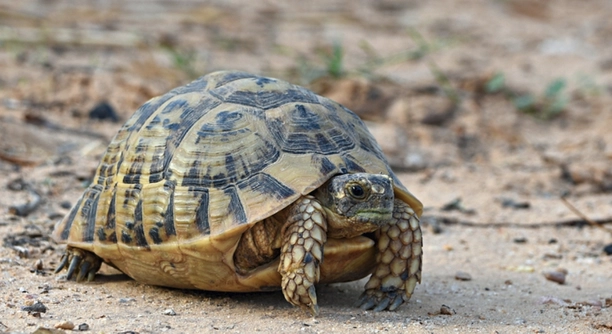
Are your Russian tortoise’s eyes looking a little off?
Healthy eyes are vital for your Russian tortoise’s well-being, and keeping an eye on their condition is essential. This guide will help you identify common signs of eye problems in these reptiles and how to address them.
The health of your Russian tortoise’s eyes can be judged by looking for clarity, brightness, and openness. Signs of infection or discomfort, such as swelling, discharge, or cloudiness, should be promptly addressed by consulting a veterinarian.
Knowing how to spot eye health problems will help you take swift action, ensuring your tortoise stays comfortable and healthy. Continue reading to find out how to check and maintain your pet’s eye health.
Recognizing Healthy Eyes in Your Russian Tortoise
When your Russian tortoise’s eyes are healthy, they should be clear, bright, and fully open. There should be no discharge or swelling around them. The eyes might appear slightly shiny or wet due to the natural moisture they produce. Regularly checking your tortoise’s eyes will help you catch potential issues early. A healthy tortoise will blink occasionally and have no signs of irritation. The overall area around the eyes should be free of any crusty buildup or unusual color changes. If these signs are present, it may indicate an underlying health issue, such as an infection or dehydration.
Sometimes, when your tortoise feels stressed or unwell, its eyes can become a bit more dull, and this should be taken seriously. If your tortoise is squinting or keeping one eye closed often, it’s important to observe other signs of illness.
Make sure to also check the skin around the eyes. Any unusual changes in texture, color, or swelling could signal health problems that need to be addressed. If the condition doesn’t improve, take them to a veterinarian.
Common Signs of Eye Problems
If you notice swelling, discharge, or cloudiness, it’s time to look deeper into your tortoise’s health.
Infections, dehydration, or injury can affect a tortoise’s eyes. If the eyes become swollen or produce unusual discharge, an infection is possible. The discharge may be yellow, green, or sticky, which often points to a bacterial or respiratory infection. Cloudy or milky eyes are another red flag, which could mean a more serious condition, such as conjunctivitis or a nutritional deficiency. Other signs of eye problems can include your tortoise constantly rubbing its eyes or excessive blinking.
Remember, tortoises are good at hiding discomfort, so paying close attention to these subtle signs is key. When in doubt, consult your veterinarian to avoid long-term damage. Healthy eyes are crucial for your tortoise’s daily activities like foraging and exploring, so don’t overlook any changes.
Causes of Eye Infections in Russian Tortoises
Eye infections can happen for various reasons, including poor living conditions or injury. Tortoises living in damp or unhygienic environments are more likely to develop eye problems. Additionally, if their habitat is too dry, it can lead to dehydration, which affects eye health.
Bacterial infections are one of the most common reasons for eye problems in Russian tortoises. If their eyes are exposed to excessive moisture or dirt, bacteria can thrive, leading to swollen or watery eyes. A tortoise may also get an infection from scratching or rubbing its eyes.
To avoid infections, ensure your tortoise’s habitat is clean, dry, and properly maintained. Offer fresh water daily to prevent dehydration, and avoid handling your tortoise roughly to reduce the risk of injury. In case of any signs of infection, prompt attention is necessary.
Dehydration and Its Effect on Eye Health
Dehydration can significantly impact your Russian tortoise’s overall health, especially its eyes. When dehydrated, a tortoise’s eyes may appear sunken or dull. This lack of moisture can cause discomfort and lead to further health issues.
Keeping your tortoise hydrated is simple yet vital. Ensure that they always have access to clean, fresh water and offer a shallow dish where they can soak. Sometimes, a dry environment or lack of humidity can make dehydration worse. Consider using a humidity box or misting their habitat to maintain the right moisture levels.
Monitor your tortoise’s behavior and appearance regularly. If their eyes start to look cloudy or sunken, make sure they are getting enough water. Dehydration is preventable with proper care, so take the necessary steps to avoid it.
Nutritional Deficiencies and Eye Health
A poor diet can lead to various health issues, including eye problems. Russian tortoises need a balanced diet of leafy greens, vegetables, and some fruit. Without proper nutrients, their eyes can become cloudy or develop other signs of infection.
If your tortoise lacks vitamin A, it can result in eye issues like swelling or discharge. Vitamin A helps maintain healthy eye tissues and supports immune function. To prevent deficiencies, make sure your tortoise’s diet is varied and rich in essential vitamins. If unsure, consider supplementing with vitamin A-rich foods.
Eye Injuries in Russian Tortoises
Injury to the eyes can be caused by rough handling, sharp objects in their habitat, or even fighting with other tortoises. An eye injury can cause immediate discomfort and may lead to infection if untreated.
It’s essential to observe your tortoise’s behavior and look for signs of pain or irritation, such as rubbing the eyes or squinting. If you notice any cuts, swelling, or discoloration around the eyes, get in touch with a vet as soon as possible. Treatment will depend on the severity of the injury.
Eye Mites in Russian Tortoises
Eye mites can sometimes infect tortoises, causing irritation and discharge. These tiny pests are not always easy to spot, but their effects are visible on the eyes.
If you notice unusual discharge, cloudiness, or swelling around the eyes, eye mites might be the cause. A vet will be able to identify and treat them with medication, which will help alleviate the symptoms. Regular cleaning of the tortoise’s habitat can also help prevent such infestations.
FAQ
What should I do if my Russian tortoise’s eyes are swollen?
Swollen eyes in a Russian tortoise are usually a sign of an infection, dehydration, or injury. First, check the environment for cleanliness and humidity levels. If the swelling persists, consult a vet for an accurate diagnosis. They may recommend eye drops, antibiotics, or other treatments depending on the cause. Keep your tortoise’s habitat clean and provide fresh water to prevent further issues.
Can I treat eye problems at home?
It’s best not to try treating eye problems at home unless you’re sure it’s a minor issue, like a little dirt or mild irritation. For anything more serious, including swelling, discharge, or cloudiness, you should see a vet. Eye problems can lead to blindness or worsen without proper treatment, so it’s better to err on the side of caution.
How can I tell if my tortoise has an eye infection?
If your tortoise has an eye infection, you might notice discharge, redness, or puffiness around the eyes. The eyes may appear cloudy or have excessive tears. If your tortoise is constantly squinting, rubbing its eyes, or seems lethargic, those are clear signs it’s unwell. A vet can confirm the diagnosis and recommend the appropriate treatment.
What foods should I feed my Russian tortoise to prevent eye problems?
A balanced diet rich in vitamins and minerals is essential for maintaining your tortoise’s eye health. Vitamin A, found in foods like carrots, dark leafy greens, and squash, plays a critical role in eye function. Without enough vitamin A, your tortoise’s eyes may become cloudy or swollen. Ensure a variety of healthy foods and consider adding a vitamin supplement if needed.
Can a Russian tortoise get eye mites?
Yes, eye mites can infect tortoises, causing irritation, discharge, or swelling around the eyes. These mites are often hard to spot, but if you notice any unusual symptoms, such as excessive tearing or a change in the appearance of the eyes, consult a vet. Mites can be treated with medication prescribed by a veterinarian.
What should I do if my tortoise’s eyes are cloudy?
Cloudy eyes can be a sign of a few different issues, including infections, dehydration, or a vitamin deficiency. If the cloudiness persists, or if it worsens, it’s best to have your tortoise examined by a vet. The vet will help determine the cause and suggest the right course of treatment.
Why is my tortoise squinting?
Squinting can be a sign of eye discomfort or infection. Your tortoise may be trying to protect its eyes from light or irritants. It’s important to check for swelling, discharge, or other signs of infection. If squinting continues, it’s time for a vet visit to get to the bottom of the issue.
Can dehydration cause eye problems in a Russian tortoise?
Yes, dehydration is one of the main causes of eye problems in tortoises. When your tortoise is dehydrated, their eyes may appear dull, sunken, or swollen. Make sure your tortoise has access to fresh water at all times. If the environment is too dry, consider adding a humidity box or misting the area. Proper hydration is essential for maintaining healthy eyes.
How can I prevent eye problems in my Russian tortoise?
Preventing eye problems starts with proper care. Make sure your tortoise has a clean, dry environment and is kept at the right humidity and temperature. Offer a balanced diet with plenty of vitamin A-rich foods and provide access to fresh water. Regularly check your tortoise’s eyes for any signs of infection or irritation.
Is it normal for my tortoise’s eyes to be a little watery?
A little watery discharge can be normal, especially if your tortoise has been exposed to certain environmental factors like humidity changes or light. However, if the discharge becomes excessive, or if it is yellow, green, or sticky, that could be a sign of an infection or another health issue. Pay attention to other signs such as squinting or swelling, and seek veterinary care if necessary.
How often should I check my tortoise’s eyes?
It’s a good idea to check your tortoise’s eyes at least once a week. Look for any changes in the color, clarity, or moisture of the eyes. Regular checks can help you spot potential problems early, which can prevent more serious issues from developing. If you notice anything unusual, don’t hesitate to seek professional advice.
Can a Russian tortoise’s eyes get injured easily?
Yes, tortoises are susceptible to eye injuries from rough handling, fighting with other tortoises, or sharp objects in their enclosure. It’s important to avoid handling your tortoise roughly and to make sure their habitat is safe from any hazards. If an injury occurs, monitor the area for swelling or redness, and take them to a vet if needed.
What signs indicate that my tortoise’s eyes are healthy?
Healthy eyes in a Russian tortoise should appear bright, clear, and open. There should be no swelling, discharge, or cloudiness. You may also notice that your tortoise blinks occasionally, which is normal. Their eyes should not appear sunken or dry, as this can indicate dehydration. Regularly checking the condition of the eyes will help you spot any potential issues before they become serious.
Can eye problems in Russian tortoises lead to blindness?
Yes, if left untreated, some eye problems, such as infections or injuries, can lead to blindness. Cloudiness, swelling, and other signs of eye trouble should never be ignored. Early treatment can help prevent permanent damage. If you notice any changes, it’s always best to seek veterinary care to avoid complications.
Taking care of your Russian tortoise’s eyes is essential for their overall health and well-being. Eyes are a crucial part of their daily activities, including foraging, navigating their habitat, and interacting with their environment. Keeping an eye on any changes in their eyes can help you catch potential problems early. If you notice anything unusual like swelling, cloudiness, or excessive discharge, it’s important to act quickly. Early detection can prevent more serious issues from developing, ensuring that your tortoise remains comfortable and healthy.
Proper habitat maintenance is key to preventing many eye problems. Make sure your tortoise has a clean environment that’s neither too dry nor too humid. Providing access to fresh, clean water daily is also important to avoid dehydration, which can lead to eye problems. Additionally, offering a balanced diet that includes foods rich in vitamin A will help support eye health. Keeping a close eye on their diet can prevent deficiencies that might affect their vision. Your tortoise’s health begins with a solid foundation in their living conditions, so paying attention to these factors will go a long way.
In case you do notice eye issues, it’s always best to seek advice from a veterinarian. While some minor irritations can be treated at home, conditions like infections, injuries, or dehydration need professional care. A vet will be able to accurately diagnose the problem and offer the right treatment. It’s better to be cautious and have your tortoise checked out than to let an issue worsen. By staying vigilant and taking the right steps, you can help ensure that your Russian tortoise’s eyes stay healthy for years to come.

Hello,
If you enjoy the content that we create, please consider saying a "Thank You!" by leaving a tip.
Every little bit helps us continue crafting quality advice that supports the health, happiness, and well-being of pets around the world, for pets of all shapes, sizes, and species.
We really appreciate the kindness and support that you show us!