
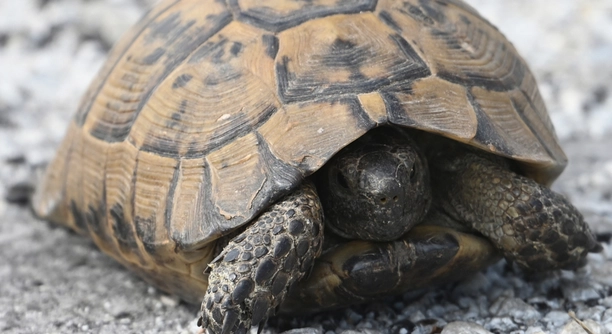
Sometimes, you may notice your Russian tortoise biting its own limbs. This behavior can be concerning, but it’s important to understand the reasons behind it. Knowing what’s happening can help you address the issue appropriately.
Biting or gnawing at their limbs in Russian tortoises can stem from several factors, including stress, environmental issues, nutritional deficiencies, or even boredom. This behavior can be a sign of discomfort or frustration. Identifying the root cause is essential for resolving the problem.
Understanding these factors is key to managing and preventing this behavior. By providing a better environment and care routine, you can help ensure your tortoise’s well-being.
Stress and Anxiety in Russian Tortoises
Stress is a common factor that may cause Russian tortoises to bite their limbs. These tortoises are sensitive to changes in their environment, and even minor disruptions can affect their well-being. Factors such as loud noises, excessive handling, or unfamiliar surroundings can create anxiety in them. If they feel threatened or scared, they might resort to self-destructive behaviors, including biting themselves. This is often a sign that they need a more peaceful, stable space to feel safe.
When your tortoise is stressed, try to identify what might be causing the issue. Pay attention to any changes in the environment or routines. Stress can be avoided by offering a quiet, consistent habitat and minimizing disturbances.
Ensuring a comfortable environment with minimal disruptions is crucial to prevent self-biting behavior. A secure habitat with enough hiding spaces, appropriate lighting, and a consistent temperature can help keep your tortoise calm. Reducing stress can make a noticeable difference in your tortoise’s behavior over time.
Poor Diet and Nutritional Deficiencies
A poor diet can lead to various health problems, including self-biting. Russian tortoises require a well-balanced diet rich in fiber and calcium to maintain their health. Without the proper nutrients, they may become weak or suffer from discomfort, leading them to bite their limbs.
To prevent this, make sure your tortoise’s meals include dark leafy greens, a variety of vegetables, and access to calcium supplements if necessary. Over time, poor nutrition can result in physical and behavioral issues, so proper care is essential.
Boredom and Lack of Stimulation
Boredom is another reason your Russian tortoise may be biting its limbs. If your tortoise doesn’t have enough to do, it may turn to self-grooming or biting as a way to pass the time. Without enrichment, your tortoise might feel restless.
To keep your tortoise engaged, try offering more variety in its environment. You can add climbing structures, hiding spots, or toys to stimulate its natural behaviors. Rotating objects or creating new layouts can keep its surroundings interesting. Also, spending some time outside in a safe, enclosed space can provide the necessary stimulation your tortoise craves.
If left unchecked, boredom can lead to repetitive behaviors that affect the health of your tortoise. Offering different textures, sights, and smells can keep their environment dynamic. A well-stimulated tortoise is more likely to be content and less inclined to bite itself.
Illness and Physical Discomfort
Sometimes, a tortoise may bite its limbs due to an underlying illness or physical discomfort. Conditions like shell rot or parasites can cause irritation that leads to self-biting. If your tortoise is suffering from pain, it may attempt to soothe itself by biting.
If you notice signs of swelling, discoloration, or unusual behavior, it’s important to seek veterinary advice. An underlying illness or injury could make your tortoise more prone to self-biting as it tries to cope with discomfort. Regular check-ups can help spot any health issues before they become more severe.
Physical discomfort is a common reason for self-biting. When a tortoise feels unwell, it may act out in ways that are not always obvious at first. It’s essential to monitor for any changes in their activity levels or eating habits, as these can be signs of illness.
Environmental Factors
Improper living conditions can lead to self-biting in Russian tortoises. If the temperature, humidity, or lighting isn’t right, it can cause stress or physical discomfort. These factors play a crucial role in their health and behavior.
Ensure your tortoise’s habitat is at the proper temperature, around 80°F to 90°F during the day, with a nighttime drop of 10°F. Humidity should also be balanced. If it’s too high or low, your tortoise may experience skin or shell problems, contributing to self-biting behavior.
Providing the correct environment reduces stress and discomfort, improving your tortoise’s overall health and behavior. Regular monitoring of its habitat is key to preventing issues that lead to self-injury.
Psychological Factors
Russian tortoises are sensitive to their environment and can develop anxiety. Lack of social interaction or overstimulation can lead to behavioral issues, including biting. Anxiety can cause them to act out in ways that seem unusual.
Monitor how your tortoise reacts to changes. A calm, stable environment can prevent anxiety from affecting your tortoise’s health. Keeping the living space quiet, with minimal handling, will help maintain a sense of security. Avoid sudden changes to their surroundings.
Lack of Proper Enclosure
If your tortoise’s enclosure is too small or lacks adequate hiding spaces, it can lead to frustration. A cramped space may force the tortoise into uncomfortable situations, causing it to bite itself. Having a spacious, well-designed habitat can greatly improve its behavior.
Tortoises need room to roam and explore. Without enough space, they may feel trapped, leading to anxiety and self-biting. Ensure the enclosure provides enough space for your tortoise to move freely, with access to hideouts and varying terrain. This will help reduce stress and the need for self-harm.
FAQ
Why is my Russian tortoise biting its own limbs?
Biting its limbs can be a sign of stress, boredom, illness, or physical discomfort. Russian tortoises may also bite if they lack stimulation in their environment, are dealing with poor diet or nutritional deficiencies, or feel anxious from improper living conditions. Identifying the root cause is important to help resolve the issue.
How can I tell if my tortoise is stressed?
Signs of stress in Russian tortoises include pacing, hiding, aggressive behavior, or excessive self-grooming, such as biting its limbs. If the tortoise seems restless or constantly in motion, it may be feeling stressed. Changes in appetite, behavior, or reluctance to interact also suggest anxiety.
What are the best ways to reduce stress in my Russian tortoise?
Create a stable environment by minimizing noise, avoiding sudden temperature changes, and keeping their habitat clean. Provide enough hiding spaces and enrichment items to encourage natural behaviors. Also, limit handling and ensure that the tortoise has a comfortable, quiet space where it can feel safe.
Can diet affect a tortoise’s behavior?
Yes, diet plays a major role in a tortoise’s well-being. If your tortoise isn’t getting enough calcium, fiber, or essential vitamins, it may become weak, stressed, or develop abnormal behaviors like biting. Offer a balanced diet with dark leafy greens, vegetables, and occasional calcium supplements to keep it healthy.
What should I feed my Russian tortoise to prevent nutritional deficiencies?
Provide a variety of leafy greens, such as collard greens, dandelion greens, and kale. Add other vegetables like bell peppers, zucchini, and squash. Avoid high-oxalate foods like spinach, which can interfere with calcium absorption. Make sure your tortoise has access to calcium supplements, especially if it’s not getting enough through its food.
How can I tell if my tortoise is ill or in pain?
Illness signs include lethargy, refusal to eat, abnormal shell appearance (like soft or discolored patches), runny eyes or nose, and irregular movements. If your tortoise seems unusually slow, has difficulty walking, or is hiding constantly, it might be a sign of pain or illness. Seek veterinary care if you notice these symptoms.
What are some common health issues that cause a tortoise to bite its limbs?
Health problems like shell rot, dehydration, or internal parasites can lead to pain, discomfort, and self-biting behavior. Shell rot, in particular, is a fungal or bacterial infection that affects the tortoise’s shell, leading to irritation. If you suspect health issues, it’s important to visit a reptile vet for diagnosis and treatment.
Is it normal for my tortoise to bite things in its enclosure?
It’s normal for tortoises to chew on things, especially if they’re hungry or exploring. However, if your tortoise is constantly biting or gnawing on its limbs, it’s a sign that something is wrong. Check its diet, environment, and health for underlying issues that could cause this behavior.
Can a tortoise’s enclosure size affect its behavior?
Yes, a small or poorly designed enclosure can lead to frustration, boredom, or stress. Russian tortoises need enough space to move around, explore, and dig. Without proper space, they may exhibit abnormal behaviors, such as biting their limbs. Ensure the enclosure is large enough to accommodate their natural needs.
What are the signs that my tortoise’s environment isn’t suitable?
An unsuitable environment can lead to stress, behavioral problems, and health issues. Signs include constant pacing, hiding, abnormal eating habits, or aggression. Incorrect temperature, humidity, or lighting can also affect your tortoise’s well-being. Ensure the habitat has proper heating, lighting, and humidity levels, and that it provides enough room to explore.
How often should I clean my Russian tortoise’s habitat?
The habitat should be cleaned regularly, at least once a week. Remove uneaten food, waste, and soiled bedding daily. Once a week, clean the entire enclosure, wash any accessories, and replace the bedding to ensure a clean and healthy living environment for your tortoise.
What can I do if my tortoise is biting itself out of boredom?
Provide your tortoise with new objects to explore, such as rocks, branches, or climbing structures. Change its environment periodically to keep it mentally stimulated. You can also take your tortoise outside in a secure, enclosed area for supervised exploration. Make sure it has enough space to move around freely.
Does my tortoise need companionship to prevent biting?
Russian tortoises are solitary creatures and generally do not require companionship. However, they do benefit from environmental enrichment. Providing them with objects to climb, hide, and explore can prevent boredom and reduce the chances of self-biting. Too much social interaction can cause stress, so it’s best to let your tortoise have its own space.
Can I stop my tortoise from biting if I provide more hiding spots?
Yes, adding hiding spots can help your tortoise feel secure and reduce stress. Tortoises may bite out of anxiety or discomfort. By giving them more places to retreat, they can feel less exposed and more comfortable, which can help stop the biting behavior. Just be sure the hiding spots are easy for them to access.
How can I tell if my tortoise is healthy?
A healthy tortoise is active, alert, and has a good appetite. It should have a clean, firm shell with no signs of discoloration or softness. Eyes should be bright and clear, and the tortoise should move easily. If your tortoise is eating regularly, moving about, and showing normal behaviors, it’s likely in good health.
Final Thoughts
Seeing your Russian tortoise bite its own limbs can be concerning, but it’s important to understand that this behavior often points to an underlying issue. Whether it’s due to stress, boredom, poor diet, or a health problem, identifying the cause is the first step toward helping your tortoise. Once you understand what’s happening, you can make the necessary changes to improve its environment and overall well-being. Providing a peaceful, comfortable habitat, a balanced diet, and enough stimulation will go a long way in preventing self-biting behavior.
If your tortoise continues to show signs of self-harm or you notice other unusual behaviors, it might be time to visit a vet. Health problems like shell rot, parasites, or internal infections can cause pain, which may lead to biting as a coping mechanism. A vet can give you the best advice on how to treat any health conditions. Early intervention is key to ensuring your tortoise stays happy and healthy in the long run. Don’t hesitate to seek professional help if you’re unsure of what’s causing the issue.
Ultimately, taking proactive steps to create a stress-free, engaging, and properly maintained environment for your Russian tortoise will help prevent self-biting and other negative behaviors. Regularly check on its habitat, diet, and health, and make sure you’re providing the right conditions for it to thrive. With the right care, your tortoise can live a healthy, comfortable life without the need to bite itself.

Hello,
If you enjoy the content that we create, please consider saying a "Thank You!" by leaving a tip.
Every little bit helps us continue crafting quality advice that supports the health, happiness, and well-being of pets around the world, for pets of all shapes, sizes, and species.
We really appreciate the kindness and support that you show us!