
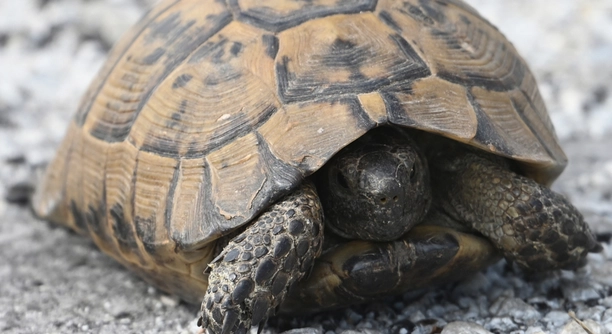
Your Russian tortoise is a sweet, low-maintenance companion, but household dangers can pose threats to its health and safety. Knowing how to protect it from everyday hazards is essential for its well-being and longevity.
To protect your Russian tortoise from household dangers, you must focus on keeping it away from toxic substances, harmful objects, and potential escape routes. Ensuring a safe and controlled environment is crucial for preventing injury or illness.
There are several easy steps you can take to reduce risks for your tortoise. From creating a secure habitat to choosing safe plants and materials, these tips will help you keep your tortoise safe from common household dangers.
Safe Habitat Setup
Creating a secure habitat for your Russian tortoise is key to protecting it from potential dangers. It’s important to provide a spacious, well-maintained enclosure with a solid floor to prevent escape. Use a low, sturdy fence around its habitat, ensuring it can’t climb or burrow out. Also, place it away from any drafty or humid areas that could affect its health.
For bedding, choose materials like aspen wood shavings or coconut coir. Avoid sand or gravel, as these can cause digestive issues if ingested. Ensure your tortoise has plenty of room to move around comfortably, as it can help reduce stress. Keep the environment dry, clean, and consistent to promote a safe, healthy life for your pet.
Your tortoise’s enclosure should be free of electrical cords or small items that it could chew on. This also includes any decorations that could potentially harm it. Make sure there’s no easy access to sharp edges or other harmful objects that may pose a risk to its safety.
Safe Plant Choices
Choosing the right plants is important for your tortoise’s safety. Some plants are poisonous to them, and ingestion could lead to serious health issues.
It’s a good idea to research and choose safe plants like dandelions, clover, or hibiscus. Avoid plants such as azaleas, oleander, or ivy, which can be toxic to your tortoise. Always make sure that any plants inside your tortoise’s habitat are free of pesticides or other chemicals.
Keeping a balance of safe plants will not only help maintain a healthy environment but also offer your tortoise a varied diet. It can be tempting to let your tortoise nibble on plants around the house or yard, but this could expose it to potential toxins. Always double-check before letting your pet explore.
Avoiding Toxic Household Items
Many common household items are harmful to your tortoise. Cleaning supplies, paints, and certain chemicals can be poisonous if ingested or inhaled.
Keep any chemicals or cleaning agents far out of reach. Store them in cabinets with secure childproof locks to avoid accidents. Many air fresheners and scented candles can release harmful chemicals into the air, which may irritate your tortoise’s respiratory system. Always opt for natural or non-toxic products when cleaning its enclosure.
Another important consideration is medications or supplements. Never give your tortoise anything meant for humans without consulting a veterinarian first. Even small amounts of medicine can be dangerous, so keep medications in a separate, secure area. Ensure your tortoise’s food and water are free from contaminants like cleaning residues.
Keeping Your Tortoise from Escaping
An escape-proof enclosure is vital for your tortoise’s safety. Russian tortoises are skilled at finding ways out of enclosures.
Check for weak spots in the habitat regularly, including any gaps in the walls or floor. Be sure the fence is tall enough and buried a few inches into the ground to prevent digging. If your tortoise has the opportunity, it might try to burrow its way out, so always reinforce the perimeter. A secure lid will also prevent it from climbing and getting away.
Additionally, ensure that there are no open doors or windows near the enclosure. Tortoises are curious and will often move toward anything that seems like an open pathway. Keep the enclosure enclosed tightly, using strong mesh or wire.
Monitoring Temperature and Lighting
Maintaining proper temperature and lighting is crucial for your Russian tortoise’s health. It needs a heat source to regulate its body temperature.
Use a heat lamp or a ceramic heat emitter during the day, but ensure it’s not too hot. Aim for a temperature range of 75-85°F (24-29°C) during the day, and slightly cooler at night. Monitor the enclosure with a thermometer to maintain consistent conditions.
Tortoises also require UVB lighting to help them absorb calcium and prevent shell deformities. Ensure the light is placed at an appropriate distance from the tortoise and replaced every 6-12 months.
Feeding Safe and Healthy Foods
Feeding your tortoise a balanced diet is essential for its well-being. Offer a variety of leafy greens, such as kale, collard greens, and mustard greens.
Avoid feeding fruits and vegetables that are high in sugar or acidic, such as tomatoes or lettuce. These can upset your tortoise’s digestive system. You can also include occasional grass, clover, or dandelions as part of its diet, but avoid pesticide-treated plants. Always provide fresh water.
A proper diet supports strong bones and healthy shell growth. Keep your tortoise’s food clean and free from contaminants. Overfeeding can lead to obesity, so be mindful of portion sizes.
Handling with Care
When interacting with your Russian tortoise, always be gentle and avoid rough handling.
Tortoises are not like pets that enjoy being held or cuddled. Too much handling can cause stress. Keep your tortoise calm by offering it a low-stress environment and handling it only when necessary. Keep in mind that sudden movements or loud noises can startle it.
Always wash your hands before and after touching your tortoise. This helps prevent the spread of germs and ensures your tortoise stays healthy. It’s also a good practice to clean your tortoise’s enclosure regularly to maintain a clean habitat.
FAQ
How do I know if my Russian tortoise is sick?
Signs of illness in a Russian tortoise can vary but usually include a lack of appetite, lethargy, or difficulty moving. You may notice discharge from its eyes or nose, or it might show signs of weight loss or shell damage. If your tortoise is not eating or drinking, it could be a sign of dehydration or digestive issues. Always monitor its behavior and environment. If any of these signs appear, it’s best to consult a veterinarian who specializes in reptiles.
What should I do if my tortoise is not eating?
If your tortoise is refusing to eat, check its environment first. Make sure the temperature is within the right range (75-85°F), as tortoises can refuse food if they’re too cold. Stress from handling or changes in the habitat can also cause them to lose their appetite. Offer a variety of safe greens and avoid foods that may upset its stomach. If the issue persists for more than a few days, consider seeking professional advice.
Can I house my Russian tortoise with other pets?
It’s generally not recommended to house your Russian tortoise with other pets, especially those that could pose a threat, like dogs or cats. Even other reptiles can be risky due to potential health issues or territorial behavior. Tortoises are solitary creatures and need their own space to thrive. Housing them with other animals can also lead to stress, aggression, or injury. Always provide a separate, secure habitat for your tortoise.
How often should I clean my Russian tortoise’s habitat?
A tortoise’s habitat should be cleaned regularly to prevent any buildup of waste or bacteria. Spot clean daily by removing any feces and uneaten food. A full clean should be done weekly, which includes changing the bedding, disinfecting surfaces, and washing food and water bowls. A clean environment helps prevent health problems and ensures your tortoise lives in a hygienic space. Make sure the substrate is dry and free from mold, as damp conditions can lead to respiratory infections.
What are the best foods for a Russian tortoise?
A Russian tortoise’s diet should consist primarily of leafy greens like dandelions, collard greens, and mustard greens. You can also offer grasses and flowers such as clover, hibiscus, and plantain. Vegetables like zucchini, bell peppers, and carrots are fine in moderation, but avoid high-calcium or sugary foods like fruit or lettuce. Ensure your tortoise is getting enough fiber and calcium, but not too much protein. Make sure to provide fresh water daily.
How long can a Russian tortoise live?
Russian tortoises can live for several decades if properly cared for. They typically live between 40 and 50 years, with some individuals reaching up to 60 years in the right environment. To ensure a long and healthy life for your tortoise, provide proper diet, lighting, temperature, and regular check-ups. A well-maintained habitat, low stress, and preventive care are key to their longevity.
Do I need to give my Russian tortoise supplements?
If you’re providing a varied diet rich in leafy greens, your Russian tortoise may not need many supplements. However, calcium is vital to prevent shell deformities and maintain bone health. A calcium supplement is typically recommended, especially if you’re not feeding your tortoise enough high-calcium foods. Always use calcium without phosphorus and dust its food every couple of days. Vitamin D3 can also be provided via UVB lighting or supplements if natural sunlight is insufficient.
Can I let my tortoise roam freely around the house?
It’s not recommended to let your Russian tortoise roam freely in the house without supervision. The environment is full of potential hazards, such as electrical cords, stairs, or even harmful chemicals on the floor. If you do allow it to roam, make sure the space is fully tortoise-proofed, and never leave it unsupervised. It’s best to provide a secure play area or enclosure to ensure its safety.
How can I help my Russian tortoise during winter?
In colder months, your Russian tortoise’s environment needs special attention. Make sure its habitat remains warm and dry with proper heating. If you live in a colder climate and plan to let your tortoise spend time outdoors, ensure the temperature is safe (no lower than 50°F). In winter, tortoises may go into brumation, a hibernation-like state, which is normal. However, if your tortoise is not eating or moving, monitor its condition and seek veterinary advice if needed.
What kind of substrate should I use in my tortoise’s habitat?
The best substrate for a Russian tortoise is something that is absorbent, dust-free, and safe to ingest in small amounts. Materials like coconut coir, aspen shavings, and organic soil are ideal. Avoid using sand, as it can lead to impaction if ingested. Make sure to change the substrate regularly to keep it clean and fresh.
Is it safe for my Russian tortoise to go outside?
Yes, it is generally safe to let your Russian tortoise spend some time outside, but only in a controlled environment. Ensure that the weather is appropriate (warm and dry) and that the area is free of potential dangers like pesticides, toxic plants, or predators. Supervise your tortoise closely to prevent escape or injury. An outdoor pen or a secure area is recommended to keep it safe.
How often should I handle my Russian tortoise?
Handling should be minimal and only when necessary. Too much handling can stress out your tortoise, which may lead to health problems. Always handle your tortoise gently and avoid lifting it by the shell. Let your tortoise explore its environment at its own pace. Handle it with care only for necessary tasks like cleaning or checking its health.
Can I use a regular light bulb for my tortoise’s habitat?
No, regular light bulbs are not suitable for providing the necessary UVB light for your tortoise. UVB light is crucial for their health, as it helps them absorb calcium. You should use a specialized UVB bulb that is designed for reptiles. These bulbs provide the right wavelengths of light needed for proper calcium metabolism and shell health.
What should I do if my tortoise is shedding its skin?
Shedding is a natural process for your tortoise, and it typically occurs as it grows. If your tortoise is shedding its skin, ensure the humidity and temperature are adequate in its habitat. If there are areas of stuck skin, you can gently moisten them with a damp cloth. Never pull the skin off. If shedding seems excessive or irregular, consult a vet to rule out any underlying issues.
Final Thoughts
Caring for a Russian tortoise requires attention to detail and a commitment to providing the right environment. By focusing on their habitat, diet, and overall health, you can ensure that your tortoise leads a long and happy life. It’s important to remember that these creatures are not just pets, but living beings that rely on you for their well-being. Keeping their habitat secure, temperature regulated, and free from harmful substances is crucial for avoiding accidents and health problems.
Another important factor in your tortoise’s care is feeding it a proper diet. Providing a variety of leafy greens, safe plants, and avoiding sugary or high-protein foods will help maintain its health. Regularly cleaning its habitat and offering fresh water will keep your tortoise in good condition. It’s also wise to regularly monitor its health for any signs of illness, such as changes in eating habits or behavior. If you notice anything unusual, it’s best to consult a veterinarian to prevent any serious issues from arising.
Overall, with the right care, your Russian tortoise can thrive in your home for many years. Providing a safe, comfortable environment and maintaining its physical health will ensure it remains a happy part of your life. While there is some work involved in caring for a tortoise, the joy it brings is worth it. By following these basic guidelines, you can create a home where your tortoise feels secure and well-cared for, allowing you both to enjoy each other’s company for years to come.

Hello,
If you enjoy the content that we create, please consider saying a "Thank You!" by leaving a tip.
Every little bit helps us continue crafting quality advice that supports the health, happiness, and well-being of pets around the world, for pets of all shapes, sizes, and species.
We really appreciate the kindness and support that you show us!