
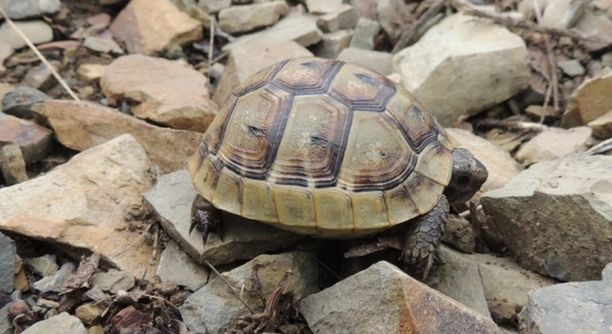
Is your Russian tortoise always trying to hide, making you wonder if something is wrong? These small reptiles have natural instincts that drive their behavior. Understanding why they seek shelter can help you provide a comfortable and stress-free environment.
Russian tortoises hide primarily due to their natural burrowing instincts, temperature regulation, and stress. In the wild, they dig burrows to escape extreme temperatures and potential threats. If your tortoise hides frequently, it may be responding to environmental factors or feeling insecure in its habitat.
Creating a proper setup with the right temperature, lighting, and hiding spots can make your tortoise feel more secure. Recognizing these behaviors will help you support their well-being and ensure they stay active and healthy.
Signs Your Tortoise Is Hiding Too Much
If your tortoise spends most of its time hiding and rarely comes out to eat, it could be a sign of stress or an unsuitable environment. A healthy tortoise should have periods of activity, exploring its enclosure and basking under its heat lamp.
Temperature and lighting play a major role in their activity levels. If the enclosure is too cold, they may hide to conserve energy. Ensure the basking spot is around 95°F and the cooler side remains around 75–85°F. Lack of UVB lighting can also cause lethargy. A tortoise that hides excessively may also be stressed by loud noises, frequent handling, or other pets in the home. Checking for any environmental stressors can help you determine why they are retreating so often.
Sudden changes in behavior, like increased hiding, loss of appetite, or irregular bowel movements, may indicate an underlying health issue. Respiratory infections, parasites, or metabolic bone disease can cause a tortoise to become less active. If adjusting their enclosure does not improve their behavior, a veterinarian visit may be necessary. Monitoring their eating habits, shell condition, and overall activity levels will help you identify any potential health concerns before they become serious.
Adjusting Their Environment to Reduce Hiding
A well-balanced habitat will encourage your tortoise to be more active. Start by checking the temperature, humidity, and lighting to ensure they are at the right levels. A proper substrate, like a mix of soil and sand, allows for natural burrowing, while logs and shaded hides provide comfortable resting spots.
Position the basking lamp in a way that creates a clear temperature gradient, with a warm basking area and a cooler retreat. Ensure UVB lighting is available for at least 10–12 hours daily. If the enclosure is in a noisy area, consider moving it somewhere quieter. Keeping their habitat stable with minimal disruptions will help them feel more secure. If your tortoise continues to hide, try adding more hides or rearranging their enclosure to provide a better sense of safety.
A varied diet can also encourage activity. Feeding leafy greens, occasional vegetables, and calcium-rich foods supports their overall health. Providing fresh water daily and soaking them in shallow water once a week can help with hydration. With the right environment and care, your tortoise will feel comfortable enough to come out more often and explore its surroundings.
How Stress Affects Your Tortoise
A stressed tortoise will often hide, refuse food, or become less active. Loud noises, frequent handling, and sudden changes in their environment can make them feel unsafe. Keeping their habitat stable and minimizing disruptions will help reduce stress and encourage natural behaviors.
An overcrowded enclosure or the presence of other pets can also increase stress levels. If a tortoise feels threatened, it may retreat into its shell or burrow more often. Providing plenty of space, multiple hiding spots, and a quiet environment will help them feel more comfortable and secure.
Ensuring a Proper Diet for Activity
A poor diet can lead to lethargy and increased hiding. Russian tortoises need a high-fiber diet consisting mainly of leafy greens, such as dandelion greens, collard greens, and mustard greens. Avoid feeding too many fruits, as excess sugar can cause digestive issues. Calcium supplements are essential for shell health and bone strength. Fresh water should always be available, and weekly soaks can help with hydration. A varied diet will keep them active and prevent nutritional deficiencies that might make them retreat more often.
When to Seek Veterinary Care
If your tortoise continues hiding despite a well-maintained habitat and proper diet, it may be time to consult a veterinarian. Unusual behavior, weight loss, or respiratory issues could indicate an underlying health problem that requires professional attention.
FAQ
Why is my Russian tortoise always hiding under its substrate?
Russian tortoises naturally burrow to regulate their body temperature and feel safe. If they are hiding excessively, the enclosure may be too cold, too bright, or too stressful. Check the temperature gradient, ensuring the basking area is around 95°F and the cooler side stays between 75–85°F. If the humidity is too high, they may also burrow to escape excess moisture. Providing a proper balance of heat, light, and hiding spots will encourage them to come out more often.
Does my tortoise hide more during certain seasons?
Russian tortoises may become less active during colder months as they naturally prepare for brumation. If temperatures drop too low, they will instinctively slow down and hide more often. Even in a controlled environment, they may follow seasonal patterns. If you are not intentionally brumating your tortoise, maintaining a stable temperature and light cycle can help keep them active year-round.
Could my tortoise be hiding because of stress?
Yes, stress is a common reason for excessive hiding. Frequent handling, loud noises, or sudden changes in their environment can cause them to retreat more often. If you recently moved their enclosure, introduced new pets, or changed their diet, they may need time to adjust. Keeping their surroundings calm and predictable will help them feel more comfortable.
Is my tortoise hiding because it is sick?
Illness can cause a tortoise to hide more than usual. Respiratory infections, parasites, and metabolic bone disease can lead to lethargy and loss of appetite. If your tortoise is wheezing, has swollen eyes, or shows any changes in weight or bowel movements, consult a reptile veterinarian as soon as possible.
Should I wake my tortoise if it hides too much?
It is best to let your tortoise follow its natural behavior, but if it is hiding for extended periods and not eating, you may need to check on it. Gently lifting it and assessing its condition can help determine if there are any underlying issues. If everything appears normal, adjusting the enclosure’s temperature and lighting may encourage more activity.
How can I encourage my tortoise to be more active?
Providing a stimulating environment can help. Ensure there are logs, rocks, and different textures in the enclosure to encourage exploration. A varied diet with fresh greens will also keep them engaged. Regular but gentle interaction, such as offering food by hand, can help build trust and reduce excessive hiding.
Does my tortoise need multiple hiding spots?
Yes, having more than one hiding spot can make a tortoise feel more secure. A mix of shaded areas, burrowing substrates, and artificial hides gives them options based on their needs. If they only have one spot, they may feel exposed when trying to rest or escape bright lights.
Can enclosure size affect how much my tortoise hides?
A small enclosure can make a tortoise feel confined, leading to stress and excessive hiding. Russian tortoises need at least 8 square feet of space to roam comfortably. A larger area with varied terrain will allow for more natural behaviors and reduce the urge to constantly seek shelter.
What if my tortoise hides during the day but is active at night?
Russian tortoises are diurnal, meaning they are naturally active during the day. If yours is more active at night, the enclosure’s lighting or temperature cycle may be off. Ensuring a proper day-night schedule with 12 hours of UVB exposure can help regulate their natural rhythms.
Is it normal for a new tortoise to hide a lot?
Yes, newly acquired tortoises often hide more as they adjust to their new surroundings. It can take a few weeks for them to feel comfortable enough to explore freely. During this period, minimize handling and provide a consistent environment to help them settle in.
Will adding more decorations to the enclosure reduce hiding?
Adding plants, rocks, and other natural elements can make a tortoise feel safer and more inclined to explore. A bare enclosure can feel exposed, leading to more hiding. However, it is important to strike a balance, as too much clutter can also limit their movement and create stress.
Why does my tortoise hide after eating?
Tortoises may retreat after meals to aid digestion in a safe and quiet space. This is normal behavior, especially if they have a designated hiding spot they prefer. However, if they hide for extended periods and show signs of discomfort, digestive issues could be a factor. Ensuring they have proper hydration and a fiber-rich diet will support healthy digestion.
Can changes in diet make my tortoise hide more?
Yes, sudden dietary changes can cause digestive discomfort, leading to lethargy and hiding. If you recently introduced new foods, monitor their reaction and adjust accordingly. A gradual transition to a new diet will help prevent stress and digestive upset.
How long should I wait before being concerned about excessive hiding?
If your tortoise has been hiding more than usual for over a week and is also eating less or showing other behavioral changes, it may be time to reassess its environment or consult a vet. Occasional hiding is normal, but a prolonged change in behavior should not be ignored.
Final Thoughts
Russian tortoises are naturally inclined to burrow and hide, but excessive hiding can indicate environmental issues, stress, or health concerns. Ensuring proper temperature, lighting, and enclosure size will help create a comfortable habitat. A balanced diet and access to fresh water also play a role in their overall well-being. If your tortoise hides more than usual, observe its behavior and make gradual adjustments to encourage more activity.
Providing multiple hiding spots, natural decorations, and varied textures in the enclosure can make your tortoise feel secure while still promoting exploration. Avoid handling too often, especially if your tortoise is new or adjusting to a change. Monitoring for signs of illness, such as lethargy, weight loss, or breathing issues, is also important. If hiding is accompanied by other concerning symptoms, seeking veterinary advice is the best course of action.
Every tortoise has its own personality and habits, so some may be naturally more reclusive than others. As long as your tortoise is eating, moving, and behaving normally, occasional hiding is not a major concern. Observing and understanding its patterns will help you recognize when something is wrong. With the right care, a Russian tortoise can feel secure while still being active and engaged in its environment.

Hello,
If you enjoy the content that we create, please consider saying a "Thank You!" by leaving a tip.
Every little bit helps us continue crafting quality advice that supports the health, happiness, and well-being of pets around the world, for pets of all shapes, sizes, and species.
We really appreciate the kindness and support that you show us!