
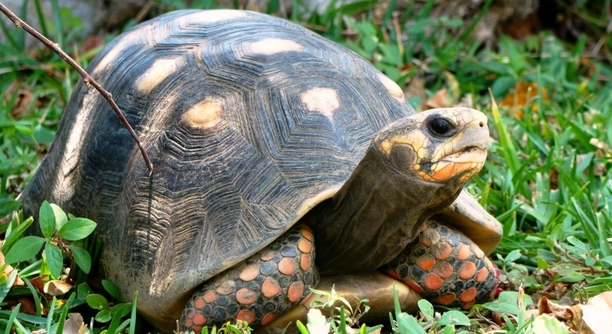
Red-footed tortoises are known for their unique and calm nature, but some may appear more shy than others. This behavior can leave owners wondering why their pet seems so timid and how to help them feel more comfortable.
The shyness of your red-footed tortoise can stem from their natural instincts, environmental factors, or lack of socialization. These tortoises are generally reserved creatures, often needing time and patience to adapt to new surroundings and interactions.
Understanding your tortoise’s behavior is essential for addressing shyness. Proper socialization techniques can help build trust and make your pet feel more at ease in its environment.
Understanding Red-Footed Tortoise Behavior
Red-footed tortoises are naturally more reserved animals. Their shy behavior can be attributed to their instinct to avoid danger. In the wild, they stay hidden from predators, so they are naturally cautious. This instinct can make them hesitant around new people or unfamiliar situations, especially if they feel threatened or out of place. Additionally, young tortoises might be more cautious than older ones, as they are still learning to trust their surroundings. It’s important to be patient and let your tortoise get used to their new home before expecting them to be social.
Shyness may also be influenced by their environment. If your tortoise feels exposed, stressed, or uncomfortable in their habitat, they are more likely to withdraw. Ensuring that they have a safe, quiet, and secure space is crucial to helping them settle in.
One reason for a red-footed tortoise’s shyness could also be a lack of socialization. If the tortoise was raised without regular human interaction, it may take longer to warm up. Tortoises, like many animals, need positive experiences with humans to develop trust. The more calm and consistent you are with your interactions, the quicker your tortoise will begin to feel at ease. Over time, they can learn to associate you with safety rather than fear.
Creating a Comfortable Environment
The right environment plays a large role in how comfortable your red-footed tortoise feels. If they feel insecure or threatened in their habitat, they are more likely to stay shy. A proper enclosure with hiding spots, consistent temperatures, and proper humidity levels will help reduce stress. It’s important to avoid sudden changes, as this can also lead to anxious behavior.
In addition to a well-maintained habitat, providing a predictable routine helps a lot. Red-footed tortoises tend to feel more secure when they know what to expect. Offering them a quiet, peaceful place to rest and making sure they’re fed regularly helps them feel safe. Allowing them time to explore and roam without disturbances also makes them feel more at ease.
Start slowly with socialization. Spending time near their enclosure without overwhelming them with direct interaction helps them get used to your presence. Over time, begin offering food by hand or talking to them in a calm voice to help them feel more comfortable.
Socializing Your Red-Footed Tortoise
Socializing your red-footed tortoise requires patience and consistency. Gradual, gentle interactions help build trust. Start with short sessions, allowing your tortoise to become comfortable with your presence. This helps reduce their anxiety, as they begin to understand you’re not a threat. Over time, you can increase the length of the interactions.
Begin by speaking to your tortoise in a calm voice as you approach their enclosure. Avoid sudden movements or loud noises, which can scare them. Offering food by hand, like their favorite fruits or greens, can also create positive associations with your presence. Gradually, your tortoise will learn to associate you with good experiences.
It’s important not to force interactions. Let your tortoise set the pace, and never push them to interact if they seem stressed or fearful. Some tortoises may take longer than others to warm up, so patience is key. Consistent, gentle care will eventually encourage your tortoise to feel more comfortable in your presence.
Encouraging Exploration
A secure, safe environment is essential for encouraging your tortoise to explore. Adding hiding spots and objects that stimulate curiosity can make them feel more comfortable in their space. If your tortoise feels safe and has the opportunity to move around freely, they are more likely to explore. Avoid overwhelming them with too many changes at once.
Offer a variety of textures and surfaces for them to walk on. For example, you can add different types of plants, logs, or rocks for climbing. This variety can make their enclosure feel more like a natural environment, encouraging them to roam. Providing opportunities for exploration promotes mental and physical well-being, which can also help with socialization.
If your tortoise starts exploring their environment more freely, try to interact with them during these moments. Approaching them calmly and allowing them to investigate you at their own pace can help reduce their shyness over time.
Handling Your Tortoise
When handling your red-footed tortoise, always be gentle. Sudden grabs or fast movements can scare them. Place your hands under their shell, supporting their weight. It’s important to keep handling sessions short, especially at first, as too much contact can cause stress.
Always wash your hands before and after handling your tortoise to ensure both your hands and their habitat remain clean. Avoid touching their face or head too much, as this can be overwhelming. Let your tortoise explore your hands at their own pace, allowing them to feel safe in your presence.
Handling Outside of the Enclosure
When you take your red-footed tortoise out of their enclosure, ensure the environment is safe and secure. Make sure there are no potential hazards like open windows or small spaces they could escape into. It’s best to supervise them closely during these times.
Place your tortoise on a flat surface, like the floor or a safe area where they can’t fall. Never force them to stay in your hands if they want to move. Let them explore, but keep a watchful eye to avoid accidents or injuries. Make these sessions calm and brief to avoid overwhelming them.
FAQ
Why is my red-footed tortoise hiding all the time?
Hiding is a natural behavior for red-footed tortoises, especially if they are feeling stressed or insecure. They may hide to feel safe or to avoid perceived threats. It’s important to ensure they have a secure and quiet environment. If they’re consistently hiding, check the temperature and humidity levels in their enclosure, as these can affect their comfort. Make sure they also have enough hiding spots to retreat to, which helps them feel secure. If the hiding behavior continues or worsens, observe for other signs of illness and consult a vet if needed.
How long does it take to socialize a red-footed tortoise?
The time it takes to socialize a red-footed tortoise varies depending on their personality and previous experiences. Some tortoises may warm up quickly, while others may take weeks or even months. Be patient and allow them to approach interactions on their own terms. Start with calm, brief interactions, such as talking to them near their enclosure or offering food by hand. Over time, as trust builds, they will become more comfortable with you. Consistency and patience are key to successful socialization.
Can I train my red-footed tortoise?
Yes, you can train your red-footed tortoise, but it’s important to keep expectations realistic. Tortoises are intelligent animals, but their ability to learn is different from that of mammals like dogs or cats. Positive reinforcement is the most effective way to train them. Reward your tortoise with treats or praise when they perform desired behaviors, such as coming toward you or stepping onto a certain area. Start with simple tasks and keep training sessions short to prevent stress. Over time, your tortoise may learn to recognize certain cues or routines.
Is it okay to pick up my red-footed tortoise often?
While it’s fine to handle your red-footed tortoise occasionally, it’s best not to pick them up too often. Tortoises don’t enjoy being handled in the same way that more social pets like dogs might. Overhandling can cause stress, leading to a more timid or withdrawn tortoise. When you do pick them up, be gentle and supportive, making sure to hold them in a way that feels secure. Keep handling sessions brief and positive to avoid overwhelming your pet.
What should I do if my red-footed tortoise stops eating?
If your red-footed tortoise stops eating, the first thing to check is their environment. Ensure the temperature, humidity, and lighting are within the proper range. Stress from a change in surroundings, a new pet in the household, or even a change in diet can cause a loss of appetite. Sometimes, a lack of food could be a sign of illness, so if the issue persists for more than a few days, it’s best to consult a vet. Offering their favorite foods or switching up their diet with fresh, safe vegetables can sometimes help spark their appetite.
What are the signs of stress in a red-footed tortoise?
Signs of stress in red-footed tortoises can include hiding more than usual, not eating, or becoming more aggressive than normal. Stress can also cause changes in their behavior, such as pacing, excessive digging, or a withdrawn state. If you notice any of these signs, evaluate their environment for stress triggers like temperature fluctuations, loud noises, or overcrowding. In some cases, stress can lead to health issues, so if the behavior persists, a vet check is recommended to rule out any medical problems.
How can I tell if my red-footed tortoise is healthy?
A healthy red-footed tortoise should have clear eyes, an active and alert demeanor, and a smooth, clean shell. Their skin should be firm, and they should be able to move easily without signs of stiffness or discomfort. Their appetite should be consistent, and they should not be excessively hiding. If you notice any changes in their behavior, appetite, or appearance—such as a dull shell, lethargy, or difficulty moving—this could indicate a health issue. Regular vet check-ups are important to ensure they stay in good condition.
How do I provide enrichment for my red-footed tortoise?
Providing enrichment is key to maintaining your tortoise’s mental and physical health. Red-footed tortoises enjoy environments that mimic their natural habitat, so adding plants, logs, rocks, and other objects to their enclosure can create interest and encourage exploration. You can also offer safe, varied foods to stimulate their senses. Additionally, regular, supervised time outside their enclosure in a safe, secure area can give them the chance to explore new environments. Enrichment helps reduce boredom and provides opportunities for exercise, which is vital for their well-being.
Can red-footed tortoises live with other animals?
Red-footed tortoises are typically solitary creatures, and it’s generally best to house them alone. While some tortoises may tolerate other species, keeping them with other animals can cause stress, territorial behavior, and even aggression. If you plan to house them with other pets, ensure the other animals are calm and non-aggressive. Make sure there is enough space for each animal to have its own territory and escape when needed. It’s usually safer and healthier for your tortoise to live alone in a well-designed enclosure.
Are red-footed tortoises good pets for beginners?
Red-footed tortoises can make great pets for beginners, as long as you’re prepared to meet their needs. They are relatively easy to care for in terms of feeding and general maintenance. However, their environment must be carefully regulated with proper humidity, temperature, and lighting. These tortoises also require plenty of space to roam and explore, which should be factored into their housing setup. While they are low-maintenance compared to other pets, they do require a commitment of time, care, and attention to ensure their health and happiness.
Final Thoughts
Red-footed tortoises can be shy, but with patience and proper care, they can become more comfortable in their environment and with their owners. Understanding their natural behavior and giving them time to adjust is crucial. These tortoises are naturally cautious creatures, and it’s important to respect their pace when socializing. By creating a secure and calm environment, you help them feel safe enough to explore and interact. Over time, your tortoise will likely become more open to interaction as trust builds between you and them.
Socializing a red-footed tortoise doesn’t happen overnight, but with consistent effort, you can build a bond with your pet. Keep in mind that every tortoise has its own personality, and some may take longer to warm up than others. Offering positive experiences, such as feeding them by hand or talking to them in a soft voice, helps reinforce a sense of security. Remember to approach them gently and allow them to set the pace for interactions. Forced handling or rushed progress can lead to more fear and stress, making the process take even longer.
Taking care of a red-footed tortoise also involves paying attention to their physical and mental well-being. Their diet, environment, and enrichment opportunities play a big role in their overall health. A well-balanced diet and a suitable habitat are necessary to prevent stress and promote a long, happy life. Regular check-ups with a vet can also help keep them in good health. By understanding your tortoise’s needs and adjusting your care accordingly, you’ll be able to build a trusting relationship and enjoy watching your shy pet grow more confident over time.

Hello,
If you enjoy the content that we create, please consider saying a "Thank You!" by leaving a tip.
Every little bit helps us continue crafting quality advice that supports the health, happiness, and well-being of pets around the world, for pets of all shapes, sizes, and species.
We really appreciate the kindness and support that you show us!