
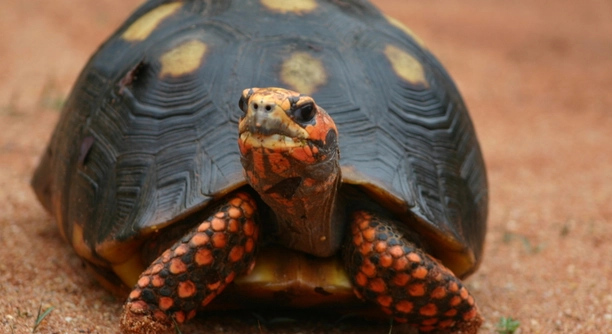
Stress can affect your red-footed tortoise in many ways, but understanding how to minimize it can improve its well-being. These gentle creatures thrive in calm environments, and small changes can make a big difference in their comfort.
To reduce stress for your red-footed tortoise, focus on creating a safe, quiet habitat with proper lighting, humidity, and temperature. Regular feeding, gentle handling, and a consistent routine also help maintain its peace and reduce anxiety.
By following these simple tips, your tortoise will feel more at ease, leading to a healthier and happier life.
Providing a Calm and Quiet Environment
Red-footed tortoises are sensitive to their surroundings, and a calm environment is key to reducing stress. Start by placing your tortoise’s enclosure in a quiet, low-traffic area of your home. Loud noises and constant movement can overwhelm them, causing anxiety. They thrive in a place where they feel secure and undisturbed. Additionally, try to avoid handling your tortoise too often, as it can be stressful for them.
Proper enclosure setup plays a huge role in minimizing stress. Ensure that your tortoise’s space is large enough for them to roam and explore, but not too vast that they feel lost or overwhelmed. The enclosure should include areas for hiding and resting.
By controlling your tortoise’s environment, you create a safe and peaceful space for them to feel comfortable. A quiet space with the right setup helps your tortoise relax and feel less stressed, leading to better overall health.
Proper Temperature and Humidity
Maintaining the correct temperature and humidity is crucial to your tortoise’s health and stress levels.
Ensure your tortoise’s habitat includes a basking spot with temperatures between 85°F and 95°F, and a cooler area of around 75°F to 80°F. Humidity should be kept around 60% to 70%. Using a thermometer and hygrometer can help monitor these levels effectively. If the temperature or humidity is too high or too low, your tortoise may become stressed and even sick.
Too much heat can lead to dehydration, while inadequate humidity can cause skin and respiratory issues. It’s essential to find a balance to keep your tortoise comfortable and healthy.
Feeding Routine
A consistent feeding schedule is important to reduce stress for your red-footed tortoise. Regular meals help establish a routine that provides a sense of stability. Offering food at the same time each day allows your tortoise to anticipate and feel secure.
Provide a variety of leafy greens, fruits, and occasional protein to maintain a balanced diet. Overfeeding or irregular feeding times can cause confusion and stress. Make sure the food is fresh and clean to avoid any health problems that could add stress.
Avoid sudden changes in their diet. Keeping food choices consistent ensures your tortoise feels safe during feeding times. A predictable routine, along with the right food, promotes a calm and happy tortoise.
Handling with Care
Handle your tortoise gently and with care to reduce stress. Avoid picking it up too often or roughly. When you do handle it, support its body fully to prevent any discomfort or fear.
Allow your tortoise to explore at its own pace. They prefer slow and calm movements, so avoid sudden actions that might scare them. Gently place your tortoise back in its enclosure after handling to give it time to relax.
Letting your tortoise stay in its environment and limiting handling time helps prevent unnecessary stress. This way, your tortoise can feel secure, knowing it is not constantly being disturbed.
Enclosure Setup
A spacious and secure enclosure is essential for reducing stress. Ensure it has enough space for your tortoise to move around comfortably. Too small of a space can make them feel trapped and anxious.
Include areas where your tortoise can hide, such as a small shelter or cave. These hiding spots offer a sense of security, helping to reduce stress when they feel the need to retreat.
Adding plants, rocks, and other elements can mimic a natural environment, which is vital for their comfort. These additions provide mental stimulation and allow your tortoise to explore at its own pace.
Lighting Needs
Proper lighting is essential for your tortoise’s well-being. They require both UVB lighting for calcium absorption and basking light for warmth.
Without adequate UVB light, your tortoise may develop health problems, which can cause stress. Set up a proper light cycle, ensuring the light is on for 12 to 14 hours a day. Providing the right balance of light supports overall health and helps your tortoise feel relaxed.
Social Interaction
Tortoises are generally solitary animals, so they do not need constant social interaction. However, they can still enjoy occasional interaction with you.
Be mindful of their body language to gauge whether they are comfortable. Some tortoises enjoy a gentle hand on their shell, while others may prefer to be left alone. Respecting their boundaries ensures they remain relaxed and stress-free.
FAQ
What are signs that my red-footed tortoise is stressed?
Stress in a red-footed tortoise can show up in different ways. Common signs include excessive hiding, loss of appetite, or not moving around as much as usual. You might also notice aggressive behavior or the tortoise becoming more withdrawn. If your tortoise starts acting differently or shows any of these signs, it could be a sign that something in its environment is causing stress. Look for changes in temperature, humidity, or any disturbances around their enclosure. If the behavior persists, it may be worth consulting a vet.
Can red-footed tortoises get stressed from being handled too much?
Yes, red-footed tortoises can get stressed if handled too often or too roughly. While they are not as social as some other pets, they can still enjoy occasional interaction. However, it’s important to avoid overhandling. Handling should be done gently and in moderation to prevent your tortoise from feeling overwhelmed. Allow them to explore on their own terms and always handle them slowly and carefully. After handling, give them time to rest in their safe space.
How can I make my tortoise feel more comfortable in its enclosure?
To make your red-footed tortoise feel comfortable, start by creating a calm environment. The enclosure should be large enough for the tortoise to move around freely and should include hiding spots, rocks, and plants. The temperature and humidity must also be kept within the correct range. Provide a basking area with proper lighting and UVB exposure to simulate a natural habitat. The more you mimic their natural environment, the more secure and comfortable they will feel.
Is it normal for my red-footed tortoise to dig or burrow?
Yes, it is normal for red-footed tortoises to dig or burrow, especially if they feel insecure or need to create a hidden spot for safety. They may dig to hide from potential threats or just to rest. If your tortoise is digging frequently, ensure that there are enough hiding places in its enclosure. However, if the digging is excessive or seems to be related to stress, check if their environment is well-suited to their needs, particularly the temperature and humidity.
Can my tortoise live outside?
Red-footed tortoises can live outdoors in warm climates, but it’s essential to make sure they have a safe, enclosed area. If you live in a warm area where the temperature doesn’t drop too low, your tortoise may enjoy spending time outside. However, you must ensure the outdoor enclosure is escape-proof and protected from predators. The enclosure should provide plenty of shaded areas, as well as secure, sheltered spots for hiding. Always monitor outdoor conditions and bring your tortoise back inside if temperatures or weather conditions become extreme.
How often should I feed my red-footed tortoise?
A red-footed tortoise should be fed daily, but make sure to provide a balanced diet. Offer a variety of leafy greens, fruits, and occasional proteins like insects or cooked eggs. Overfeeding can lead to health problems, so it’s important to provide the right amount of food based on their size and activity level. You should also make sure that fresh water is available at all times. A routine feeding schedule will help your tortoise feel more comfortable and secure.
How can I keep my tortoise’s enclosure clean?
Cleaning your tortoise’s enclosure is important for both their health and stress reduction. Remove uneaten food, feces, and any debris daily. Thoroughly clean the entire enclosure at least once a week, wiping down surfaces and changing out the bedding. Use mild, non-toxic cleaners to avoid exposing your tortoise to harmful chemicals. Ensure that the water bowl is cleaned regularly, and if you use a substrate like soil or sand, change it often to prevent the buildup of bacteria. A clean enclosure helps reduce stress and promotes better health.
What temperature is ideal for my red-footed tortoise?
Red-footed tortoises need a temperature range between 75°F and 85°F in their enclosure, with a basking spot reaching around 90°F. The cooler side of the enclosure should remain between 75°F and 80°F to give your tortoise options. It’s crucial to have a gradient of temperatures so they can move to a warmer or cooler area based on their needs. Use a thermometer to monitor the temperature, and always ensure they have access to warmth during the day. Consistent temperature helps maintain their health and reduce stress.
What kind of lighting does my red-footed tortoise need?
Your red-footed tortoise needs both UVA and UVB light for at least 12 hours a day. UVA light is necessary for their overall health, while UVB light helps them process calcium, preventing shell deformities and other health issues. It’s essential to use a UVB bulb specifically designed for reptiles, and ensure it is replaced every 6-12 months, as UVB output diminishes over time. Keep the light at an appropriate distance from your tortoise to allow it to bask without overheating.
Can I keep more than one tortoise together?
Red-footed tortoises can be territorial, and keeping multiple tortoises together in the same enclosure can sometimes lead to aggression or stress. It’s generally safer to house them separately unless you are sure they get along. If you do attempt to house more than one tortoise, make sure the enclosure is large enough to accommodate both and has separate hiding areas for each. Monitor their behavior closely to ensure they aren’t showing signs of stress or aggression.
What should I do if my tortoise isn’t eating?
If your red-footed tortoise refuses to eat, first check the environmental conditions. Incorrect temperature or humidity levels can cause a lack of appetite. Stress from too much handling or a sudden change in diet can also affect eating habits. Make sure the food you’re offering is fresh and varied. If your tortoise continues to refuse food, it might be a sign of illness, and you should consider taking them to a vet.
Final Thoughts
Taking care of a red-footed tortoise requires attention to detail and a commitment to creating an environment where they feel safe and comfortable. These creatures are sensitive to changes in their habitat, and small adjustments can make a big difference in their overall well-being. The key is to keep their enclosure stable, with the right temperature, humidity, and lighting. A predictable routine, including feeding at the same time every day, can help reduce stress and keep your tortoise feeling secure.
Handling your red-footed tortoise gently and with respect is also an important part of their care. They may not be as social as some other pets, but they still appreciate occasional interaction. By paying attention to their behavior and understanding their limits, you can ensure that your tortoise feels relaxed rather than stressed. Overhandling or disturbing them too much can make them anxious, so it’s best to let them explore their environment at their own pace. Creating a calm and quiet space for them will help maintain their health and happiness.
Overall, caring for a red-footed tortoise is a rewarding experience. With the right environment, care, and attention to their needs, your tortoise can thrive. Keep an eye on their behavior and make changes as needed to ensure they stay comfortable. Understanding their habits and preferences will help you become a better tortoise keeper, ensuring your pet lives a long, healthy, and happy life. By following the tips shared here, you can create a peaceful, stress-free environment that promotes your tortoise’s well-being and strengthens the bond between you and your pet.

Hello,
If you enjoy the content that we create, please consider saying a "Thank You!" by leaving a tip.
Every little bit helps us continue crafting quality advice that supports the health, happiness, and well-being of pets around the world, for pets of all shapes, sizes, and species.
We really appreciate the kindness and support that you show us!