
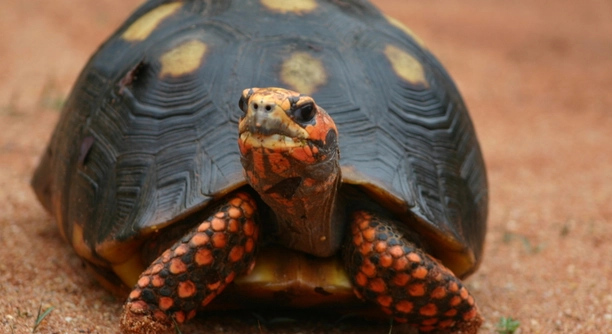
Red-footed tortoises are fascinating creatures, but if yours has been sleeping more than usual, you may have concerns. It’s essential to understand their behavior and what might be causing them to rest more often.
Red-footed tortoises are known to sleep for extended periods due to factors like temperature, diet, and overall health. These tortoises are sensitive to changes in their environment, and shifts in their habitat can lead to increased sleep patterns.
There are various reasons for this behavior, and it’s important to address potential issues like temperature regulation and diet to help keep your tortoise healthy.
Temperature Issues
One of the most common reasons for excessive sleeping in red-footed tortoises is temperature. These reptiles are cold-blooded, meaning they rely on external temperatures to regulate their body heat. If their environment is too cool, they might become sluggish and sleep more to conserve energy. Tortoises need a warm basking area to thrive, ideally between 85-90°F, and a cooler, shaded area to retreat to. If the temperatures drop below their ideal range, they may enter a hibernation-like state. This behavior can be more pronounced during cooler months or if they’re housed in a room with fluctuating temperatures.
If you notice your tortoise sleeping more often, check the temperature in their enclosure. Make sure they have access to both warm and cool areas to help them regulate their body temperature effectively.
Ensuring that the temperature in your tortoise’s habitat stays consistent is essential. Use a thermometer to monitor the temperature and adjust heat lamps as necessary. If the temperature remains steady, your tortoise may be more active.
Diet and Hydration
Diet and hydration are also key factors in a tortoise’s activity level. Poor nutrition can lead to lethargy, which may cause your tortoise to sleep more often. Red-footed tortoises thrive on a varied diet of vegetables, fruits, and some protein. A lack of essential nutrients like calcium or vitamins can result in weakness and excessive sleeping.
Make sure your tortoise is getting a balanced diet. Offer leafy greens like collard greens and dandelion leaves, and provide occasional fruit like papaya or berries. They also need a good source of calcium, which can be provided through calcium supplements or cuttlebone.
A proper diet ensures your tortoise has the energy it needs to stay active. Regular feeding and offering the right foods can help reduce unnecessary sleep patterns.
Health Problems
Health issues can cause your tortoise to sleep more than usual. Common problems like respiratory infections, parasites, or shell rot can make them feel weak and lethargic. If your tortoise is consistently inactive, it’s essential to monitor for signs like nasal discharge or swelling.
If you suspect your tortoise is sick, it’s important to take them to a vet who specializes in reptiles. A vet can diagnose any underlying health conditions and recommend treatments to help your tortoise recover. Regular checkups can also ensure that your tortoise remains in good health, preventing future issues.
Always keep an eye on your tortoise’s behavior. If they’re sleeping excessively and showing other symptoms like loss of appetite or difficulty breathing, seek professional help right away.
Stress Factors
Stress can also lead to increased sleeping. Environmental changes, loud noises, or even new pets can cause your tortoise to feel anxious. When stressed, tortoises may withdraw and sleep more as a coping mechanism.
To reduce stress, make sure your tortoise has a stable environment. Keep their enclosure in a quiet area, free from sudden disruptions. It’s also helpful to maintain a consistent feeding schedule and avoid handling them too frequently. Creating a calm space for your tortoise helps them feel secure and can reduce their need for excessive rest.
By limiting stress, you can help your tortoise stay active and healthy.
Age and Natural Behavior
As tortoises age, their energy levels may naturally decrease. Older tortoises often sleep more and become less active. This is simply part of the aging process and not necessarily a cause for concern.
Younger tortoises tend to be more active and curious, but as they get older, they might settle into a slower routine. If your tortoise is older, extra sleep is likely just a sign of their natural aging process. However, if other issues arise, it’s worth seeking advice from a vet.
Seasonal Changes
Red-footed tortoises also respond to seasonal changes by sleeping more, particularly in cooler months. They may enter a more dormant state during winter, sleeping longer to conserve energy. This is similar to hibernation, though it’s not as intense.
If you notice this seasonal behavior, try to keep their environment consistent. Adjust heat sources to simulate warmer conditions, and make sure they have enough light. Providing a stable environment throughout the year will help maintain their health and activity levels.
FAQ
Why is my red-footed tortoise sleeping more than usual?
Red-footed tortoises may sleep more due to a variety of reasons. If they are in a cooler environment, they may be trying to conserve energy. Lack of heat can cause them to become sluggish and spend more time resting. Similarly, changes in diet or stress can also result in increased sleep. If your tortoise is older, this could also be a natural sign of aging, as older tortoises often sleep more.
How much sleep is normal for a red-footed tortoise?
On average, red-footed tortoises can sleep anywhere from 8 to 12 hours a day. However, this can vary based on factors like temperature, diet, and health. They tend to be more active during warmer months and may sleep longer during cooler seasons or colder environments. If your tortoise is sleeping much more than this, it could be a sign of an underlying issue like health problems or improper habitat conditions.
What temperature should my red-footed tortoise’s enclosure be?
Red-footed tortoises need a basking spot with temperatures around 85-90°F during the day. The rest of the enclosure should be cooler, between 75-80°F. At night, the temperature can drop to 70°F. Proper temperature regulation is essential for their health, as they are cold-blooded and rely on external heat sources to regulate their body temperature.
Can diet cause my red-footed tortoise to sleep more?
Yes, a poor or unbalanced diet can lead to lethargy in red-footed tortoises. They require a diet rich in calcium, vitamins, and fiber. A lack of essential nutrients can make them feel weak and cause them to rest more. Ensure they are eating a variety of leafy greens, fruits, and some protein to keep them healthy and active.
What should I do if my red-footed tortoise isn’t eating and sleeping a lot?
If your tortoise is sleeping more than usual and refusing food, it could indicate stress, illness, or an improper environment. First, check the temperature in their habitat to make sure it’s appropriate. If the temperature is fine, consider if there have been any changes in their diet or surroundings that could be causing stress. If the issue persists for more than a few days, it’s a good idea to visit a reptile vet for a check-up.
Can red-footed tortoises hibernate?
Red-footed tortoises don’t truly hibernate like some other species, but they do enter a period of dormancy during colder months. They may become less active and sleep more to conserve energy. However, this dormancy period isn’t as extreme as hibernation, and they still need to be kept in an appropriate temperature range.
How do I know if my red-footed tortoise is stressed?
Signs of stress in a red-footed tortoise can include excessive hiding, loss of appetite, or abnormal sleeping patterns. Stress can also cause them to become less active or show signs of aggression. Ensure their enclosure is in a quiet location, free from loud noises or disturbances. Any changes in behavior or unusual symptoms should be discussed with a vet to rule out potential health issues.
Is it normal for my red-footed tortoise to sleep during the day?
Yes, red-footed tortoises are crepuscular, meaning they are most active during dawn and dusk. They may rest during the day, especially if they are getting enough heat and their environment is calm. Sleeping during the day is generally normal, but if they are inactive all day or sleeping excessively, it may signal a problem.
Can I adjust the lighting in the enclosure to keep my tortoise more active?
Yes, providing a consistent light and heat source can help regulate your tortoise’s activity levels. Ensure they have access to UVB lighting, as this is important for calcium metabolism and overall health. A proper light cycle, with 10-12 hours of light and 12-14 hours of darkness, will help keep their circadian rhythm on track.
What other factors can affect my red-footed tortoise’s sleep patterns?
Other factors include changes in humidity, stress from environmental disturbances, or improper humidity levels in their habitat. Ensure your tortoise has access to a humid area in their enclosure to maintain proper hydration. Additionally, avoid sudden changes in their environment, as they thrive on routine and stability.
How can I tell if my red-footed tortoise is sick?
If your tortoise is sleeping excessively, showing a lack of appetite, or exhibiting abnormal behavior like wheezing or nasal discharge, it could be a sign of illness. Other signs of illness include swollen eyes, loss of shell color, or unusual feces. A visit to the vet is crucial if you suspect illness.
Can I handle my red-footed tortoise if it’s sleeping a lot?
It’s best not to handle your tortoise if they are sleeping a lot, especially if they seem lethargic or weak. Handling them during these times could add to their stress and disrupt their rest. Allow them to rest and recover in a stable environment before attempting to interact.
Final Thoughts
Red-footed tortoises, like many reptiles, have specific needs that can affect their sleep patterns. Understanding their environment, diet, and natural behavior is key to ensuring their well-being. While it’s normal for them to sleep more during colder months or as they age, any significant change in their sleep habits can be a sign of an issue. If your tortoise starts sleeping more than usual and there are no clear reasons, such as changes in temperature or season, it’s worth investigating further.
Keeping their enclosure stable, with proper heating, lighting, and humidity, plays a large role in their health. If they are not sleeping enough, or if they are overly lethargic, it could be due to inadequate conditions or stress. For instance, too much stress from noise, handling, or sudden changes in the environment can cause them to sleep excessively. Similarly, dietary issues, like a lack of calcium or an imbalanced meal plan, can also lead to lethargy. In such cases, adjusting their habitat and diet can often help them return to their usual energy levels.
However, if your red-footed tortoise’s sleeping habits continue to raise concerns, it’s always a good idea to consult a veterinarian. A professional can help identify if there’s an underlying health issue that needs attention. Overall, while sleep is a natural part of their life cycle, being aware of when things seem off is important. A balanced environment and diet are essential for maintaining their health, but regular check-ups are equally important to ensure they are thriving.

Hello,
If you enjoy the content that we create, please consider saying a "Thank You!" by leaving a tip.
Every little bit helps us continue crafting quality advice that supports the health, happiness, and well-being of pets around the world, for pets of all shapes, sizes, and species.
We really appreciate the kindness and support that you show us!