
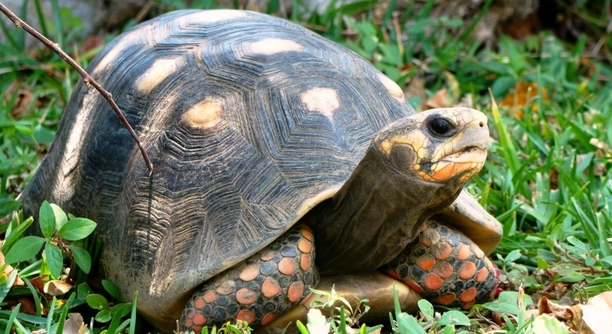
Red-footed tortoises are fascinating creatures with specific dietary needs. Their natural diet consists of various plants, fruits, and insects. If you’re considering adding insects to your tortoise’s diet, knowing which ones are suitable is key to their health.
Feeding insects to a red-footed tortoise can provide them with important nutrients, including protein and calcium. The best insects to offer are ones that are safe and nutritious, such as crickets, mealworms, and earthworms. It’s essential to avoid insects that may pose risks, such as toxic species.
There are several insect options that can help improve your tortoise’s diet. The right choices can enhance its nutrition while keeping it safe and healthy.
Best Insects to Feed a Red-Footed Tortoise
When it comes to feeding your red-footed tortoise, providing insects can be a great way to supplement its diet. Insects offer essential nutrients like protein, calcium, and other vitamins that are crucial for their overall health. Crickets are one of the most popular choices, as they are readily available and easy to digest. Mealworms are also a good option and can be offered in moderation. These insects are high in fat, which makes them a great energy source for your tortoise. Earthworms, another suitable choice, are rich in protein and can be found in many backyards or purchased from pet stores.
It’s important to feed insects that are safe for your tortoise. Avoid insects that have been exposed to pesticides or other harmful chemicals. Some insects, like fire ants or large beetles, can be dangerous to your tortoise and should be avoided at all costs. Stick to insects that are commonly fed to reptiles for the safest results.
By offering a variety of insects, you can ensure that your tortoise receives a balanced diet with all the necessary nutrients. Just make sure to avoid overfeeding them, as too much protein can lead to imbalances.
Insects to Avoid
Some insects are best left out of your tortoise’s diet. Certain species can pose a threat to its health and should be avoided. Fire ants and toxic beetles are a few examples.
Insects like these can carry harmful toxins that may harm your tortoise’s digestive system or cause long-term health issues. Additionally, insects from unknown sources can carry parasites or bacteria that may lead to infection. If you’re unsure about an insect’s safety, it’s always better to err on the side of caution and not offer it to your tortoise.
Nutritional Benefits of Feeding Insects
Insects provide a rich source of protein and calcium, which are essential for a red-footed tortoise’s growth and overall health. These nutrients help maintain strong bones and support the tortoise’s natural immune system. Crickets, mealworms, and earthworms are among the best insect choices to meet these nutritional needs.
Feeding a tortoise a varied diet with insects can help prevent deficiencies. Protein is necessary for muscle development, while calcium supports bone structure and prevents shell deformities. By offering a mix of insects, you’re ensuring your tortoise gets a well-rounded diet. Always consider the size of the insect and offer them in moderation to avoid overfeeding.
Along with protein and calcium, insects also provide essential fats, which give your tortoise the energy it needs. However, keep in mind that fats should be given in balanced amounts to avoid excess. Moderation is key to keeping your tortoise healthy while enjoying its insect-based meals.
How to Safely Feed Insects to Your Tortoise
It’s crucial to ensure that insects offered to a red-footed tortoise are safe, clean, and free from pesticides. Always buy insects from reputable sources or farm them yourself.
Before feeding, you should dust insects with calcium supplements to further boost your tortoise’s intake of this important mineral. Additionally, ensure insects are small enough for your tortoise to easily consume. Large insects can be challenging and may cause digestion issues. If you’re feeding insects you’ve caught in your yard, make sure they haven’t been exposed to harmful chemicals, as pesticides can be deadly for your tortoise.
If you choose to breed your own insects, such as crickets or mealworms, this gives you more control over their diet and cleanliness. Offering insects that are raised in safe conditions will help ensure the best nutrition for your tortoise.
Common Insects for Red-Footed Tortoises
Common insects like crickets, mealworms, and earthworms are ideal choices for red-footed tortoises. These insects are nutritious and easy for your tortoise to digest. They provide essential nutrients, including protein and calcium, contributing to overall health.
Crickets and mealworms can be bought from pet stores, while earthworms can often be found in your yard. When feeding your tortoise these insects, make sure they’re fresh and clean. Insects can be dusted with calcium powder to enhance nutritional value. Always be cautious of their size to ensure they’re not too large for your tortoise to handle.
The Importance of Variety
Offering a variety of insects in your tortoise’s diet ensures it receives a balanced intake of nutrients. Each insect provides unique benefits, so rotating options can improve your tortoise’s overall health. The diversity in diet helps prevent deficiencies and keeps your pet interested in its meals.
While protein is important, varying the types of insects will also help balance fat and calcium levels. This variety ensures your tortoise’s diet is not only nutrient-rich but also engaging. The key is moderation—avoid feeding any one insect too frequently. A balanced approach is the best way to keep your tortoise healthy and happy.
Best Times to Feed Insects
Insects should be offered as a supplement to your tortoise’s main diet of plants and fruits. Feeding insects once or twice a week is usually sufficient.
FAQ
What types of insects are best for a red-footed tortoise?
Crickets, mealworms, and earthworms are some of the best insects to feed a red-footed tortoise. These insects provide high-quality protein and essential nutrients like calcium. They are easy to digest and offer a good balance of nutrients for your tortoise’s overall health. Always ensure the insects are fresh and clean, and purchase them from reputable sources to avoid any potential contamination or pesticides.
How often should I feed my tortoise insects?
Insects should be offered once or twice a week as a supplement to your tortoise’s regular diet of leafy greens, fruits, and vegetables. It’s essential not to overfeed insects, as they can be high in protein and fats. Feeding them too frequently can lead to nutritional imbalances. Variety in the tortoise’s diet is key, so insects should be part of a balanced meal plan.
Can I feed my tortoise insects I catch in my yard?
Yes, you can catch insects from your yard, but there are some important things to consider. Make sure that the insects haven’t been exposed to pesticides or chemicals, as these can harm your tortoise. Insects like crickets and earthworms are commonly found in the wild, but be cautious about other types, such as beetles or ants, which could be toxic. Always ensure the insects are safe, clean, and not too large for your tortoise.
How do I prepare insects for my red-footed tortoise?
You can prepare insects by simply offering them as they are, but it’s often beneficial to dust them with calcium powder before feeding. This will help to supplement your tortoise’s calcium intake, which is important for bone and shell health. Make sure the insects are the right size for your tortoise to easily consume. Avoid offering insects that are too large or difficult for your tortoise to manage.
Can red-footed tortoises eat live insects?
Yes, red-footed tortoises can eat live insects. In fact, feeding live insects mimics their natural feeding behavior, providing mental stimulation and encouraging their hunting instincts. However, ensure the live insects are safe and not harmful to your tortoise. Some insects can be aggressive or pose risks to your pet, so it’s important to choose appropriate species.
Are there any insects I should avoid feeding my tortoise?
Certain insects should be avoided, such as fire ants, large beetles, and any insect species that are toxic to reptiles. Avoid insects that have been exposed to chemicals or pesticides, as these can be harmful. Some insects, like centipedes or certain types of spiders, may also have venom or other harmful properties, making them dangerous for your tortoise. Stick to commonly safe insects like crickets, mealworms, and earthworms.
How can I ensure the insects I feed are safe?
To ensure the insects are safe, it’s important to buy them from reputable pet stores or breed them yourself. If you’re collecting insects from the wild, make sure they are free from pesticides or any other chemicals that could harm your tortoise. Clean the insects by rinsing them in water before offering them. It’s also important to ensure they are the right size and not too large for your tortoise to handle.
Can feeding insects to my tortoise cause any health issues?
Feeding insects in moderation is generally safe for a red-footed tortoise. However, overfeeding insects, particularly those that are high in fat, can lead to obesity or nutritional imbalances. Too much protein or fat can cause issues with shell growth and overall health. It’s important to offer a variety of insects and balance them with the tortoise’s primary diet of plant-based foods to avoid overfeeding.
Do insects provide enough nutrition on their own?
Insects alone do not provide all the necessary nutrients for a red-footed tortoise. While they are rich in protein, fat, and some essential vitamins, they should be fed in conjunction with leafy greens, fruits, and vegetables. A balanced diet is key to ensuring your tortoise stays healthy. Insects should only be a supplement to their primary diet, not the main source of nutrition.
What other food can I feed my tortoise alongside insects?
Along with insects, red-footed tortoises enjoy a variety of fruits, vegetables, and leafy greens. Foods like dandelion greens, collard greens, squash, and fruits such as papaya and mango are great additions to their diet. These foods offer essential vitamins and minerals that insects alone cannot provide. The key is to offer a wide variety of foods to keep your tortoise’s diet balanced and nutrient-rich.
How do I know if my tortoise is eating enough insects?
You can gauge if your tortoise is eating enough insects by monitoring its behavior and body condition. If your tortoise is active, alert, and has a healthy weight, it’s likely eating enough. However, if your tortoise appears lethargic or is losing weight, it might not be getting enough nutrition. Always keep an eye on your tortoise’s eating habits and adjust the insect intake accordingly.
Final Thoughts
Feeding a red-footed tortoise a balanced diet is essential for its health and well-being. Insects can be a great addition to their diet, offering valuable nutrients like protein, fat, and calcium. While it is important to ensure insects are safe and appropriate for your tortoise, they can provide variety and help mimic natural foraging behaviors. By offering a mix of insects like crickets, mealworms, and earthworms, you can provide your tortoise with a healthy supplement to its regular plant-based diet.
However, insects should never be the primary food source. A red-footed tortoise’s diet should mostly consist of leafy greens, fruits, and vegetables. Over-reliance on insects can lead to nutritional imbalances, particularly when it comes to fats and protein. A variety of foods ensures your tortoise gets a well-rounded intake of vitamins and minerals. It is important to remember that moderation is key when feeding insects. Too much protein or fat from insects can lead to health issues like obesity or shell problems.
By maintaining a balanced approach, you can keep your tortoise healthy and happy. Regularly rotating insect types, along with monitoring portion sizes, can make feeding more interesting for your pet. Keep an eye on your tortoise’s weight and behavior, and adjust its diet accordingly. With the right care and attention to its diet, your red-footed tortoise will thrive for years to come.

Hello,
If you enjoy the content that we create, please consider saying a "Thank You!" by leaving a tip.
Every little bit helps us continue crafting quality advice that supports the health, happiness, and well-being of pets around the world, for pets of all shapes, sizes, and species.
We really appreciate the kindness and support that you show us!