
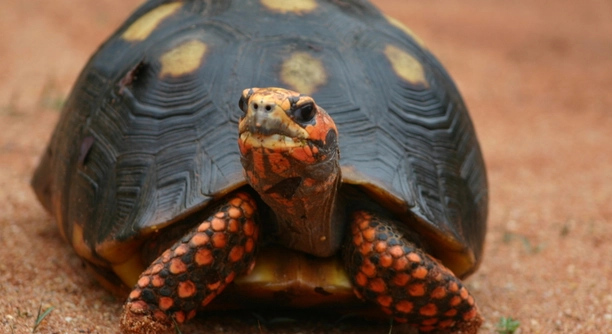
If your red-footed tortoise isn’t drinking water, it could be an indication of an underlying issue. Understanding the reasons behind this behavior is crucial for ensuring their health and well-being.
Several factors could cause your tortoise to refuse water, including temperature imbalances, stress, or an improper habitat. Dehydration can also result from a lack of humidity or the wrong type of food offered.
Recognizing and addressing these factors will help ensure your tortoise stays hydrated and healthy.
Common Causes for Red-Footed Tortoise Not Drinking Water
Temperature and humidity are crucial to the health of red-footed tortoises. If their environment is too hot or too cold, it can cause them to stop drinking water. A tank that is too dry may also discourage them from drinking. Tortoises need a consistent temperature range between 75°F and 85°F, and they thrive in humidity levels of 60% to 80%. Without proper humidity, they might not feel the urge to hydrate, which can lead to dehydration over time. A sudden change in environment can also stress them out, leading to reduced water intake.
Sometimes, the type of food offered to your tortoise may be affecting their water intake. Offering a dry diet with little moisture can make them less inclined to drink. In contrast, providing moist, high-water-content vegetables like cucumbers and leafy greens can help maintain their hydration levels. You may need to modify their diet if you notice this behavior.
Inconsistent lighting can also play a role in your tortoise’s hydration. UVB lighting is essential for their overall health and water intake. If the lighting is inadequate, your tortoise may feel stressed, and this could affect its drinking habits. Ensuring they have proper exposure to both UVA and UVB rays will not only help them drink more water but will also aid in their digestion and overall well-being.
Ensuring Proper Hydration
Providing a shallow water dish large enough for your tortoise to soak in will encourage them to drink. Many red-footed tortoises enjoy soaking, and offering the opportunity may prompt them to hydrate more regularly.
To help your tortoise stay hydrated, ensure the enclosure has a shallow water dish that they can easily access. Consider adding a humidity box or misting their environment daily to maintain the proper moisture levels. Keeping the water fresh and clean will also encourage regular drinking.
Stress and Changes in Environment
Stress can significantly impact a tortoise’s behavior, including drinking habits. New environments or sudden changes in their habitat can make them feel uneasy. This stress can result in a lack of interest in drinking water. If your tortoise is adjusting to a new space, give them time to settle in and reduce disturbances.
It’s essential to monitor your tortoise’s behavior when they move to a new environment. Keep their surroundings quiet and stable, avoiding loud noises or constant handling. This will help them feel secure and reduce stress. A calm, consistent environment encourages them to drink more water, which is key to their overall health.
If your tortoise is not drinking after a recent move, don’t panic immediately. Observe whether their behavior improves after a few days of adjustment. Ensure their habitat is free from stressors like other pets or extreme temperature fluctuations. Over time, they should feel more comfortable and begin hydrating regularly.
Diet and Water Intake
A poor diet can also contribute to dehydration in red-footed tortoises. Offering mostly dry foods without sufficient moisture can decrease their water intake. You can prevent this by providing fresh fruits and vegetables high in water content.
Incorporating foods like watermelons, cucumbers, and leafy greens can help meet your tortoise’s hydration needs. These foods not only provide moisture but also essential nutrients for your tortoise’s well-being. Avoid feeding them dry foods like pellets or grains that lack hydration properties. A balanced diet, combined with adequate water access, will promote healthy hydration levels and overall health.
Make sure to vary their diet to keep it both nutritionally balanced and hydrating. Offer a combination of vegetables, fruits, and other moisture-rich foods to keep them hydrated. A diet rich in water will help them drink less frequently but stay hydrated longer, reducing the likelihood of dehydration.
Health Issues and Dehydration
Dehydration can occur when your tortoise doesn’t drink enough water. This can lead to severe health problems, including kidney issues. If your tortoise shows signs like lethargy, dry skin, or difficulty moving, dehydration might be the cause. Address this quickly to prevent long-term damage.
If you suspect dehydration, try offering water more frequently or soaking your tortoise in shallow water to encourage drinking. Keeping the humidity levels up in their enclosure can help prevent dehydration. It’s important to maintain regular check-ups with a vet to monitor your tortoise’s hydration and overall health.
Temperature and Humidity Management
Incorrect temperature and humidity levels can discourage your tortoise from drinking water. Red-footed tortoises require a humid environment to stay hydrated. Maintaining a temperature of 75°F to 85°F and humidity between 60% and 80% is essential for their health.
Ensure your tortoise’s enclosure has proper heating and humidity controls. Using a hygrometer and thermometer will help you monitor these conditions accurately. If the humidity is too low, consider misting the enclosure or adding a humidity box to maintain the right levels for your tortoise’s comfort.
The Importance of UVB Lighting
UVB lighting is essential for your red-footed tortoise’s overall health and hydration. Without proper UVB exposure, they can experience health issues, including poor appetite and dehydration. The lack of UVB light can disrupt their metabolism and ability to absorb calcium, leading to dehydration.
To ensure your tortoise receives adequate UVB light, place a UVB light source over their basking area. This will help them absorb the necessary nutrients and promote healthy hydration. Regular exposure to UVB lighting, combined with proper heat and humidity, will support your tortoise’s health and encourage drinking water regularly.
FAQ
Why is my red-footed tortoise not drinking water?
There are several reasons your tortoise might refuse water. Stress, changes in environment, incorrect temperature or humidity, and an inadequate diet are common causes. Tortoises are highly sensitive to their environment, and any change can affect their drinking habits. Ensuring that their habitat is stable, warm, and humid enough can encourage them to drink more water.
How can I encourage my tortoise to drink water?
To encourage drinking, ensure they have easy access to fresh, clean water. A shallow dish big enough for them to soak in might entice them to drink more. You can also offer moist fruits and vegetables, such as watermelon or cucumber, to help keep them hydrated. Misting the environment and increasing humidity may also help stimulate their drinking habits.
Is it normal for my tortoise to refuse water for a few days?
It is not uncommon for tortoises to refuse water for short periods, especially during environmental changes. However, if your tortoise goes without water for an extended period, it could lead to dehydration. Monitor your tortoise closely and ensure they have proper hydration sources. If this behavior persists, consult a veterinarian.
Can my tortoise drink too much water?
Red-footed tortoises generally drink when they need to hydrate, and over-drinking is uncommon. However, if you notice your tortoise drinking excessively or soaking in water for prolonged periods, it could be a sign of health issues like kidney problems or dehydration. It’s important to monitor their behavior and consult a vet if you’re concerned.
What signs indicate dehydration in my tortoise?
Signs of dehydration in a red-footed tortoise include dry, flaky skin, sunken eyes, lethargy, and difficulty moving. Their skin may lose elasticity, meaning it won’t “snap back” when gently pulled. If these symptoms are noticed, it’s crucial to increase their hydration immediately and consult a vet.
How can I keep my tortoise hydrated without them drinking water?
If your tortoise is not drinking water, consider soaking them in a shallow dish of warm water for 10-15 minutes to promote hydration. You can also feed them high-moisture foods like cucumbers, strawberries, and leafy greens. Keep their enclosure humid to help maintain hydration.
What is the ideal temperature for my tortoise’s environment?
Red-footed tortoises thrive in temperatures between 75°F and 85°F (24°C to 29°C). Their basking spot should be around 90°F (32°C), while the cooler side of the enclosure should be around 75°F (24°C). These temperature ranges help support their digestion and hydration needs.
How do I maintain proper humidity for my tortoise?
To maintain proper humidity, keep the enclosure humid between 60% and 80%. Use a hygrometer to monitor humidity levels. Mist the enclosure daily or consider adding a humidity box with moss or a water dish to boost moisture levels. You may also use a substrate that retains moisture.
Can I add a humidifier to my tortoise’s enclosure?
Yes, a humidifier can be a great addition to your tortoise’s enclosure, especially if you live in a dry climate. It will help maintain the necessary humidity levels, which is essential for hydration. Just make sure the humidity doesn’t go above 80%, as this could lead to mold growth or respiratory issues.
How do I know if my tortoise’s diet is affecting their water intake?
A diet lacking in moisture-rich foods can decrease your tortoise’s interest in drinking water. Foods like leafy greens, watermelons, and cucumbers provide both hydration and nutrients. Avoid a dry diet and include moist foods to help keep your tortoise hydrated. Offering a balanced diet will encourage them to drink more.
Should I use a water filter for my tortoise’s water dish?
Using a water filter can be a good idea to ensure that the water in your tortoise’s dish remains clean and free from harmful chemicals or bacteria. Clean water encourages your tortoise to drink more often and helps prevent any potential health issues. Regularly changing the water is essential for their hydration.
Can my tortoise go without water for a few days?
Tortoises can survive for short periods without water, but it can cause dehydration and affect their overall health. It is important to offer water regularly and ensure that their environment is kept humid. If your tortoise refuses water for an extended period, seek veterinary advice.
How often should I change the water in my tortoise’s enclosure?
It’s best to change the water in your tortoise’s enclosure every day. Clean, fresh water encourages hydration and prevents the growth of bacteria or mold. Be sure to scrub the dish with mild soap or disinfectant to ensure it’s free from any contaminants.
Is UVB light important for my tortoise’s water intake?
Yes, UVB light is essential for your red-footed tortoise’s health. It helps them metabolize calcium and absorb essential nutrients, which influences their overall well-being and water intake. Make sure the UVB light is positioned above the basking area and is replaced regularly to maintain effectiveness.
How can I tell if the temperature is too high for my tortoise?
If the temperature in your tortoise’s habitat is too high, they may become lethargic and less likely to drink water. They may also try to avoid the hot areas of the enclosure. If you notice these signs, lower the temperature and ensure there is a cool, shaded area for them to retreat to.
Can I use a heat mat under my tortoise’s enclosure?
A heat mat can be beneficial for maintaining a warm environment, but it should not be the sole heat source. It’s important to also provide a basking light to give your tortoise a proper temperature gradient. Always monitor the temperature closely to avoid overheating or creating cold spots in the enclosure.
What’s the best way to check if my tortoise is dehydrated?
The best way to check for dehydration is by observing your tortoise’s skin and eyes. If their skin is dry or loses elasticity, or their eyes appear sunken, it’s a sign they may be dehydrated. In this case, provide hydration immediately and seek veterinary care if needed.
Final Thoughts
Red-footed tortoises are unique creatures that require specific care to thrive, and their hydration is no exception. If your tortoise isn’t drinking enough water, it could be due to several factors like stress, temperature, humidity, or diet. Understanding these factors can help you provide the right environment for your tortoise to stay hydrated. It’s crucial to maintain proper humidity, provide fresh water, and offer hydrating foods. Even minor changes in their habitat can have a significant impact on their behavior and health.
Pay attention to any signs of dehydration, such as dry skin or sunken eyes, and take immediate action to rehydrate your tortoise. Soaking them in shallow water or offering moist fruits can help encourage hydration. You should also avoid overcrowding or making drastic changes to their environment, as this can increase stress and affect their drinking habits. Keeping a consistent temperature and humidity level will go a long way in ensuring that your tortoise remains comfortable and hydrated.
In conclusion, taking the time to create an ideal environment for your red-footed tortoise can make all the difference in their overall health. If your tortoise continues to refuse water, or if you notice more serious symptoms of dehydration, it’s always best to consult a veterinarian. By staying observant and proactive, you can help ensure that your tortoise is well-hydrated and happy, which will lead to a long and healthy life for your pet.

Hello,
If you enjoy the content that we create, please consider saying a "Thank You!" by leaving a tip.
Every little bit helps us continue crafting quality advice that supports the health, happiness, and well-being of pets around the world, for pets of all shapes, sizes, and species.
We really appreciate the kindness and support that you show us!