
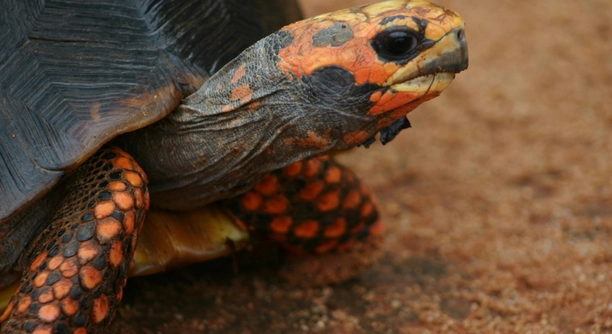
Red-footed tortoises are known for their calm and friendly nature, but like any pet, they can experience stress. Stress can impact their behavior, health, and overall well-being. It’s important to recognize the signs early to ensure their comfort.
Stress in red-footed tortoises can lead to behavioral changes, such as aggression, lack of appetite, or hiding. It is essential to identify the signs early to provide the proper care, ensuring their environment is safe and their needs are met.
Understanding these signs can help you create a better environment and take the necessary steps to improve your tortoise’s well-being.
Lack of Appetite
Stress can cause a red-footed tortoise to lose its appetite, which is one of the clearest signs that something is wrong. If your tortoise isn’t eating its regular meals or refuses treats, it could be stressed. The lack of interest in food can lead to weight loss and affect their health in the long run. It’s essential to observe if the tortoise has reduced activity or a change in its eating habits. Stressed tortoises may also avoid their favorite foods.
A lack of appetite is often an indication of stress. If your tortoise is refusing food, it is crucial to check for other signs of discomfort, such as unusual behavior or environmental factors that could be contributing to the problem.
Sometimes, adjusting their environment can help alleviate the stress. This could mean changing the tank setup, ensuring proper humidity and temperature, or adding hiding spots. A calm and comfortable space is essential for their overall well-being.
Hiding
Red-footed tortoises often hide when stressed, seeking shelter to escape from their environment. Hiding is their way of coping with feelings of insecurity or discomfort. If your tortoise begins to hide more frequently than usual, it may be reacting to stress.
Tortoises may bury themselves in the substrate, retreat into corners, or stay in a shell for prolonged periods. These behaviors signal a need for more comfort and privacy.
To help reduce the hiding behavior, consider making sure the enclosure has multiple hiding spots. A secure and calm space with appropriate temperature and humidity will help alleviate their stress. Regular interaction and a consistent routine can also help provide comfort to the tortoise, making them feel safer in their environment.
Aggression
Stress can lead to sudden aggression in a red-footed tortoise. If your tortoise becomes more aggressive than usual, such as biting, lunging, or making sudden movements, it’s a sign that they are feeling threatened. This behavior is often linked to changes in their environment or routine.
Tortoises may display aggression when they feel cornered or unsafe. If they are interacting with other animals or facing environmental stressors, it can trigger these reactions. Aggressive behavior can also be a response to discomfort, such as improper temperatures or inadequate space.
To reduce aggression, it’s essential to provide a stable and secure environment. Avoid sudden changes in their habitat, and monitor their interactions with other pets. Ensuring the tortoise has enough space and privacy can help prevent these aggressive outbursts.
Lethargy
Lethargy is another sign that a red-footed tortoise is stressed. If your tortoise is sluggish or spends more time inactive than usual, it could indicate that they are overwhelmed by their environment. A lack of energy can affect their ability to move, eat, or explore.
This lack of energy can be caused by stress factors such as incorrect humidity or temperature levels, overcrowding, or even a lack of stimulation. Tortoises are naturally active animals, and a noticeable decrease in activity is a warning sign of distress.
It’s important to assess the living conditions and check if the tortoise’s needs are being met. Ensure that the temperature is within the right range, the enclosure is large enough, and that the tortoise has proper access to food and water. A change in their environment may help restore their energy levels.
Shell Biting
Shell biting is a common stress-related behavior in red-footed tortoises. If your tortoise is frequently biting or rubbing its shell, it could be a sign of anxiety or stress. This behavior often occurs when they are uncomfortable or feel confined in their environment.
Biting the shell can also be a sign of boredom. Tortoises may engage in repetitive behaviors like this when they lack mental stimulation or have limited space to roam. It can also happen when they’re unable to retreat to a private space, causing anxiety.
To reduce shell biting, try to enrich your tortoise’s environment. Add more hiding spots and objects they can interact with. Ensure that the habitat is large enough for the tortoise to move around comfortably, reducing any sense of confinement.
Change in Urination
Stress in red-footed tortoises can cause a change in their urination habits. If your tortoise is urinating more frequently or less frequently than usual, it may be stressed. This can be a subtle sign of discomfort or unease.
Changes in urination can be triggered by stressors such as improper humidity or temperature, or even if the tortoise is not feeling safe in its enclosure. Adjusting the environment to meet their needs can often resolve this issue.
Abnormal Breathing
Abnormal breathing is a concerning sign of stress in red-footed tortoises. Rapid or shallow breathing can indicate that the tortoise is in distress. If you notice this behavior, it’s important to check for any environmental stressors affecting the tortoise.
It could be linked to improper temperature, humidity, or an underlying health issue. Ensuring the tortoise has a comfortable and secure environment with appropriate temperatures is key. If abnormal breathing persists, a visit to a vet is advised to rule out health problems.
FAQ
What causes stress in a red-footed tortoise?
Stress in a red-footed tortoise can be caused by various factors, including improper temperature, humidity, overcrowded living conditions, lack of space, or sudden changes in their environment. Poor diet, lack of mental stimulation, or interaction with other animals can also contribute. Identifying these triggers is essential in reducing stress.
How can I reduce stress for my red-footed tortoise?
To reduce stress, ensure your tortoise’s enclosure provides the correct temperature, humidity, and space. Offer hiding spots, maintain a regular feeding schedule, and avoid sudden changes in their environment. Make sure they are not overcrowded and provide stimulation through toys or safe items they can explore.
Can stress affect my tortoise’s health?
Yes, stress can lead to a decline in your tortoise’s health. Prolonged stress can weaken their immune system, cause loss of appetite, dehydration, and lead to behavioral changes. If left unchecked, stress may even shorten their lifespan. It’s important to identify and address stressors quickly to prevent health issues.
What are the signs of a stressed red-footed tortoise?
Signs of stress include loss of appetite, aggression, hiding more than usual, lethargy, abnormal breathing, shell biting, and changes in urination patterns. Stress can also manifest as a sudden change in behavior or a lack of interest in normal activities. Regular monitoring will help you identify these signs early.
How much space does a red-footed tortoise need?
A red-footed tortoise needs a large enclosure to roam freely. A minimum of 40 square feet is recommended for an adult tortoise. The more space you can provide, the better, as it helps reduce stress by allowing the tortoise to explore and find comfortable resting spots.
Should I keep my red-footed tortoise alone?
Red-footed tortoises are typically solitary creatures. Keeping them alone helps avoid stress caused by territorial behavior or competition for resources. While they can sometimes tolerate the presence of another tortoise, it is often best to keep them separate to reduce stress and aggression.
How often should I handle my red-footed tortoise?
Handling should be kept to a minimum, especially if the tortoise shows signs of stress. Excessive handling can cause anxiety and disrupt their routine. Interact with your tortoise gently and only when necessary, allowing them to feel secure in their environment.
Is it okay to let my red-footed tortoise roam outside?
Yes, if the weather is warm and safe, it can be beneficial for your tortoise to roam outside. Outdoor exploration provides enrichment, exercise, and natural sunlight, which are good for their health. However, make sure the area is secure and free from predators.
Can I use a heat lamp for my red-footed tortoise?
Yes, a heat lamp is essential for providing the proper temperature for your tortoise. The basking area should reach around 90°F (32°C), while the cooler end of the enclosure should be around 75°F (24°C). A proper temperature gradient is necessary for their digestion and overall well-being.
How do I know if my tortoise is too hot or too cold?
Signs of a tortoise being too hot include lethargy, excessive panting, or avoiding the heat source. If too cold, they may become sluggish, hide more than usual, or refuse to eat. Ensuring the right temperature gradient is vital for their comfort and health.
What is the best diet for a red-footed tortoise?
A balanced diet for a red-footed tortoise includes a variety of leafy greens, vegetables, fruits, and occasional protein. They enjoy a diet high in fiber and low in fat. Foods like dandelion greens, collard greens, squash, and berries are great choices. Avoid feeding them too much fruit, as it can lead to obesity.
How can I tell if my tortoise is dehydrated?
Signs of dehydration include dry or sunken eyes, lethargy, and a decrease in urination. If you notice these signs, ensure that your tortoise has access to fresh water and adjust the humidity levels in the enclosure. Hydration is key for their health, especially during warm weather.
Is it normal for my red-footed tortoise to hibernate?
Red-footed tortoises do not typically hibernate, but they may enter a form of brumation, which is a period of reduced activity. This happens when the temperature drops significantly. If your tortoise slows down and becomes less active, check the temperature and ensure their environment is warm enough for them to remain active.
Can stress cause my red-footed tortoise to stop eating?
Yes, stress can cause your tortoise to lose interest in food. Environmental factors like temperature or humidity changes, overcrowding, or an unfamiliar habitat can make them feel insecure and cause them to stop eating. It’s important to create a stable environment and avoid sudden changes.
Should I take my red-footed tortoise to the vet?
If stress signs persist or worsen, or if your tortoise displays abnormal behavior or symptoms, a vet visit is recommended. A veterinarian can help identify underlying health issues or provide advice on reducing stress. Regular check-ups are important for ensuring your tortoise’s health and well-being.
Final Thoughts
Taking care of a red-footed tortoise requires understanding their specific needs and being attentive to signs of stress. These tortoises are sensitive to changes in their environment, which can significantly affect their behavior and health. Ensuring that their habitat is stable with the right temperature, humidity, and space is crucial for their well-being. By closely observing their actions, you can spot signs of stress early and make adjustments to improve their comfort.
Creating an enriching environment for your tortoise will help prevent stress. This means providing enough space for them to roam, hiding spots where they feel secure, and offering a varied diet. Mental stimulation is just as important as physical health for these tortoises. Adding objects for them to explore or interact with can make a big difference in reducing boredom and stress. Keeping the environment as natural and comfortable as possible helps them feel at ease.
Remember, while occasional stress is normal, prolonged stress can lead to serious health issues. If your tortoise shows signs of severe stress or refuses to eat, it may be time to consult with a veterinarian. Small changes in their routine or living conditions can sometimes make a big difference. Maintaining a stable and nurturing environment is key to ensuring a long, healthy life for your red-footed tortoise.

Hello,
If you enjoy the content that we create, please consider saying a "Thank You!" by leaving a tip.
Every little bit helps us continue crafting quality advice that supports the health, happiness, and well-being of pets around the world, for pets of all shapes, sizes, and species.
We really appreciate the kindness and support that you show us!