
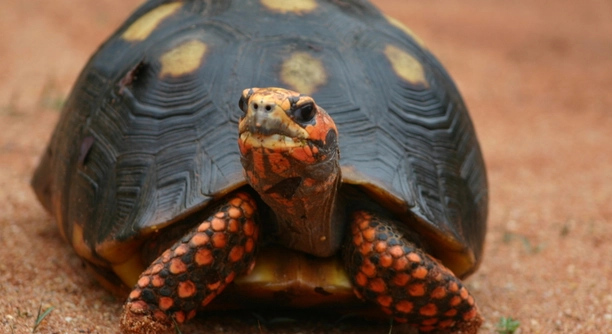
A clicking sound from a red-footed tortoise can be concerning, especially if it’s something you’ve never heard before. This noise can stem from different causes that are worth investigating to ensure your tortoise’s well-being.
The clicking sound could be a result of respiratory issues, such as an infection or a blocked airway. Another possibility is the sound made by the tortoise’s jaw when eating or moving, which can sometimes occur due to natural behaviors.
Understanding the root of this noise is essential for addressing any potential health concerns and ensuring your tortoise’s comfort.
Respiratory Issues in Red-Footed Tortoises
Respiratory problems are a common cause of clicking sounds in red-footed tortoises. These issues often arise from bacteria or fungi, leading to infections in the upper respiratory tract. Symptoms of respiratory distress include nasal discharge, labored breathing, and coughing. If your tortoise has been exposed to cold or damp environments, it can be more prone to these infections. In some cases, the clicking noise may be a sign that the tortoise is struggling to breathe properly due to congestion or irritation in its airways. Infections can develop quickly, so it is important to act fast.
Even minor respiratory issues can escalate, so monitor your tortoise’s behavior closely. If the clicking sound persists, take your tortoise to a vet for a proper diagnosis and treatment plan. Early intervention can make a significant difference in their recovery.
A red-footed tortoise’s respiratory system is delicate and requires a stable environment to stay healthy. Exposure to humidity changes and drafts can trigger infections. If left untreated, this can lead to more severe complications, including pneumonia. Keeping your tortoise in a warm and dry habitat helps prevent these conditions.
Jaw and Eating Behavior
Tortoises can also produce clicking sounds when moving their jaws, particularly during feeding. This noise is often harmless and is simply a sign of the tortoise chewing its food. However, if the clicking sound is particularly loud or frequent, it could indicate dental problems or discomfort while eating. The best way to assess if this is the case is by observing the tortoise’s eating habits. If it shows signs of difficulty chewing or swallowing, dental issues may be present.
If the clicking is associated with eating, ensure that your tortoise is consuming food that is appropriately sized and easy to chew. Avoid hard, overly tough foods, as they can lead to jaw strain or cause other issues.
Environmental Stress
Environmental stress can contribute to a tortoise making clicking sounds. Factors like sudden temperature changes, overcrowded habitats, or lack of proper lighting can make a tortoise feel uncomfortable. Stress can affect their overall health and behavior, leading to unusual sounds or behaviors, such as the clicking sound.
When a tortoise is stressed, it may make vocalizations or odd noises in an attempt to communicate discomfort. It’s essential to maintain a stable environment to avoid this. Ensure that your red-footed tortoise has a comfortable temperature, humidity, and lighting setup. Stress can also weaken their immune system, making them more vulnerable to infections.
To prevent stress, provide your tortoise with a habitat that mimics its natural environment. Ensure enough space to move around, and avoid any sudden changes that could trigger stress. A consistent environment promotes better overall health and reduces the likelihood of the clicking sound. If the sound persists despite an optimal habitat, further investigation is necessary.
Jaw Deformities or Injury
Jaw deformities or injuries can also cause clicking sounds. If your tortoise has suffered any trauma, such as a fall or a fight, its jaw may not function correctly, leading to odd noises when it moves or eats. These injuries can also cause discomfort and affect its ability to eat properly.
It is important to examine the tortoise’s jaw for signs of swelling, misalignment, or wounds. If the clicking sound continues and the tortoise shows signs of pain, it’s essential to visit a veterinarian. A proper diagnosis and treatment plan will help address any injury or deformity. A vet may recommend pain management or corrective procedures if necessary.
Mites or Parasites
Mites or other external parasites can cause irritation to a tortoise, leading to clicking sounds. These tiny pests may infest the tortoise’s shell, skin, or even its mouth, causing discomfort and distress. The constant irritation may lead to odd sounds as the tortoise tries to relieve the discomfort.
If you suspect mites, look for signs of inflammation, swelling, or excessive rubbing against surfaces. Parasites can also affect the tortoise’s ability to eat or breathe comfortably. In this case, a veterinarian can treat the infestation and provide advice on how to prevent future occurrences. Keeping the habitat clean and dry helps reduce the risk of parasites.
Improper Diet
An improper diet can also contribute to unusual sounds. A diet that lacks essential nutrients or is too hard for the tortoise to chew can cause strain on the jaw or digestive system, leading to clicking noises. It is important to feed a balanced, appropriate diet that supports your tortoise’s health.
Provide a variety of fresh vegetables, fruits, and occasional protein sources. Avoid feeding too many sugary foods or tough, difficult-to-digest items that could cause discomfort or jaw strain. Always ensure that the food is appropriately sized for easy chewing.
FAQ
What causes a red-footed tortoise to make a clicking sound?
A clicking sound from a red-footed tortoise can be caused by respiratory issues, jaw movement while eating, environmental stress, injury, or parasites. It is important to assess other symptoms, such as labored breathing, changes in behavior, or difficulty eating, to help determine the underlying cause.
Can environmental stress make my tortoise click?
Yes, stress from environmental factors such as temperature changes, humidity, or overcrowding can cause a tortoise to make clicking sounds. When a tortoise feels uncomfortable or threatened, it might vocalize or make unusual noises. Proper habitat setup can help minimize stress.
Is clicking normal when a tortoise is eating?
Clicking sounds during eating can be normal, especially if the tortoise is chewing or moving its jaw. However, if the clicking sound is excessive or paired with other symptoms like difficulty eating, it could indicate a problem, such as jaw deformities or discomfort.
What should I do if my tortoise’s clicking sound doesn’t stop?
If the clicking sound persists, it’s important to investigate further. Look for other symptoms, like nasal discharge, changes in eating habits, or signs of stress. If these are present, consult a veterinarian to ensure proper diagnosis and treatment.
Could a respiratory infection cause my tortoise to make clicking sounds?
Yes, respiratory infections are a common cause of clicking sounds. These infections can lead to congestion in the airways, causing difficulty breathing and noises when the tortoise exhales. If you notice nasal discharge or labored breathing along with the clicking sound, seek veterinary care immediately.
Can my tortoise’s clicking sound be a sign of injury?
A clicking sound might indicate an injury, especially if the tortoise has experienced trauma. This could involve a misaligned jaw, a fractured shell, or internal damage. If the clicking is accompanied by swelling or difficulty eating, a vet should evaluate the tortoise.
How can I reduce stress in my red-footed tortoise?
To reduce stress, ensure your tortoise’s environment is stable. Provide adequate space, proper temperature, humidity, and lighting. Avoid sudden changes and minimize handling. Stress can lead to health problems and behavioral changes, so creating a comfortable, quiet space is key.
What can I feed my tortoise to avoid jaw strain?
Ensure your tortoise receives a balanced diet of fresh vegetables, fruits, and occasional protein sources. Avoid hard, tough foods that may be difficult to chew. Cutting food into smaller pieces and providing softer, more digestible items will help prevent strain on the jaw.
Should I be concerned if my tortoise clicks after being in the sun?
Clicking sounds after sun exposure are generally not a concern, as they may be due to normal jaw movement or occasional respiratory noise. However, if the clicking is accompanied by excessive panting, labored breathing, or other signs of distress, it could indicate a health issue.
How do I know if my tortoise has parasites causing clicking sounds?
Signs of parasites, such as mites or worms, include excessive rubbing, swelling, or abnormal behavior. If the tortoise exhibits any of these symptoms along with clicking sounds, it is best to take the tortoise to a veterinarian for a thorough examination and appropriate treatment.
Can dehydration cause my tortoise to make clicking sounds?
Dehydration can affect your tortoise’s overall health and potentially lead to clicking sounds if it causes discomfort or difficulty breathing. Ensure your tortoise has access to fresh water at all times and is regularly hydrated, especially in warmer environments. Dehydration can exacerbate other health problems.
What is the best way to prevent respiratory infections in my tortoise?
To prevent respiratory infections, keep your tortoise’s habitat clean and dry. Avoid sudden temperature fluctuations and ensure the area is free from drafts. Proper humidity and temperature control are essential for preventing respiratory distress. Regular health checks will help detect early signs of infection.
Final Thoughts
Understanding why your red-footed tortoise might be making a clicking sound is important for maintaining its health. This sound can be a sign of various issues, from environmental stress to potential injuries or respiratory infections. The key to addressing the problem is to observe other symptoms, such as changes in behavior, difficulty eating, or signs of stress. A clicking sound alone may not be an immediate cause for concern, but it’s essential to investigate further if it continues or worsens.
Regularly monitoring your tortoise’s environment and health is crucial. Keeping its habitat clean, stable, and free from stressors can help prevent many issues that could lead to unusual sounds. This includes providing proper lighting, temperature, and humidity. In some cases, a simple adjustment to its living conditions may be enough to resolve the problem. However, if the clicking sound persists, it may be time to consult a veterinarian. Early detection and treatment can prevent further complications and ensure that your tortoise stays healthy and comfortable.
Remember, a clicking sound can indicate both minor issues and more serious health concerns. It is important to stay observant and act quickly if you notice any signs of discomfort or illness. With the right care and attention, your red-footed tortoise can live a long, healthy life.

Hello,
If you enjoy the content that we create, please consider saying a "Thank You!" by leaving a tip.
Every little bit helps us continue crafting quality advice that supports the health, happiness, and well-being of pets around the world, for pets of all shapes, sizes, and species.
We really appreciate the kindness and support that you show us!