
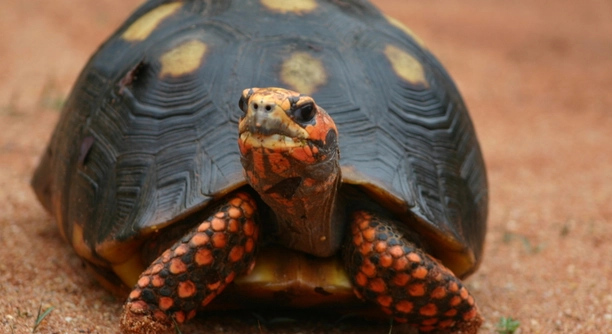
Red-footed tortoises are known for their vibrant shells and calm nature. If you’ve noticed your tortoise shedding skin, it’s important to understand why this happens. Shedding is a natural process, but there could be several contributing factors.
The shedding of skin in red-footed tortoises is primarily influenced by factors such as humidity, temperature, diet, or even underlying health issues. Inadequate environmental conditions or improper care routines often lead to excessive shedding or irregular molting patterns.
Understanding these factors will help you ensure your tortoise remains healthy and comfortable in its environment.
Humidity and Temperature Levels Matter
Proper humidity and temperature are key to maintaining your red-footed tortoise’s health. If the humidity is too low or the temperature too high, it can cause the tortoise to shed more frequently. These reptiles thrive in environments where the humidity is between 70% to 80%. Too dry or too moist conditions can stress your tortoise and lead to abnormal skin shedding.
It’s important to monitor the temperature in your tortoise’s enclosure as well. The ideal temperature range for a red-footed tortoise is 75°F to 85°F during the day, with a slight drop at night. If the habitat is too cold, your tortoise might shed more skin in an attempt to protect itself.
Ensure you have a reliable hygrometer and thermometer to keep track of the enclosure’s environment. Small changes in temperature or humidity can have big impacts. Adjusting these factors helps prevent excessive shedding and keeps your tortoise comfortable.
Improper Diet
Your tortoise’s diet plays a significant role in its overall health. If your tortoise isn’t receiving a balanced diet, it could lead to skin shedding issues. A variety of leafy greens, fruits, and occasional protein sources should be included in their meals.
A poor diet that lacks essential nutrients can affect your tortoise’s ability to shed skin naturally. Deficiencies in calcium, vitamins, or other vital minerals can result in abnormal shedding patterns or even skin health problems. You should also avoid feeding your tortoise high-oxalate foods like spinach, which can prevent calcium absorption and cause other health problems.
To make sure your tortoise is getting the nutrition it needs, provide a balanced meal plan that includes a variety of safe vegetables and fruits. Including a calcium supplement might also help, but consult with a veterinarian to confirm the right dosage.
Stress and Anxiety
Stress can lead to excessive skin shedding in your red-footed tortoise. Environmental stressors like loud noises, changes in habitat, or unfamiliar handling can all trigger skin issues. It’s important to provide a calm, stable environment for your tortoise.
Regular handling or sudden changes in their surroundings can overwhelm your tortoise, making it shed more than usual. Additionally, exposure to other pets or excessive human interaction can increase anxiety. A peaceful environment encourages your tortoise to feel secure, leading to a healthier shedding cycle. Avoid frequent changes and keep the enclosure quiet.
Creating a stable, predictable environment helps reduce stress. Ensure your tortoise’s enclosure has consistent lighting and temperature settings. Avoid loud, unpredictable noises near their space. It’s also helpful to limit unnecessary handling, especially during shedding periods, to prevent further stress. Your tortoise should feel safe and comfortable in its home.
Infections or Health Problems
Infections or underlying health problems can cause excessive shedding. Fungal, bacterial, or parasitic infections might affect your tortoise’s skin, leading to irregular shedding patterns. If shedding seems abnormal or excessive, it could indicate a deeper issue.
Infections often appear alongside other symptoms, like lethargy or loss of appetite. If you notice any of these signs, it’s crucial to seek veterinary care right away. Untreated health issues can worsen over time, leading to more severe skin problems, including infection-related shedding. Regular check-ups with a vet help keep your tortoise healthy.
A proper diagnosis and treatment plan from a vet can help clear up any infections or health issues. These treatments may involve antibiotics, antifungal medications, or changes in diet and habitat. Early detection is key to preventing long-term damage to your tortoise’s skin and overall health. Regularly inspect your tortoise’s skin to detect any signs of infection.
Mites or Parasites
Mites and parasites can cause your red-footed tortoise to shed more skin. These pests often irritate the skin, leading to excessive molting. Checking your tortoise regularly for visible signs of mites, such as red or swollen skin, can help you catch the problem early.
If mites or parasites are present, they can cause discomfort and even skin infections. It’s important to treat these infestations promptly. A vet can recommend the best course of action, usually involving medication to eliminate the parasites. Keeping the tortoise’s environment clean can prevent these issues from recurring.
Seasonal Shedding
Seasonal changes can influence the shedding patterns of your tortoise. As temperatures fluctuate with the seasons, red-footed tortoises may shed more frequently. This natural process allows them to adapt to environmental changes.
In the wild, seasonal shedding occurs as temperatures drop and rise. Your tortoise may shed to adjust to its habitat. If you notice increased shedding during certain months, it’s likely due to seasonal factors. Ensure their environment matches the temperature and humidity requirements year-round to minimize stress during these periods.
Overhandling
Frequent handling can stress your red-footed tortoise and lead to shedding. Although tortoises are naturally curious, too much interaction can cause anxiety. Stick to brief, gentle handling to avoid upsetting your pet.
Handling should be done only when necessary, as it can disrupt their routine. Overhandling might cause your tortoise to become stressed, leading to skin problems and excessive shedding. Keep interactions calm and limited, especially during shedding periods.
FAQ
What should I do if my red-footed tortoise sheds too much skin?
Excessive shedding can sometimes be a sign of an environmental issue, health concern, or stress. Start by checking the temperature and humidity levels in the enclosure. If everything seems fine there, consider whether your tortoise is experiencing any stress or anxiety from overhandling, loud noises, or changes in its environment. If the shedding is abnormal and doesn’t seem related to these factors, visit a vet for an evaluation.
How often does a red-footed tortoise shed its skin?
Red-footed tortoises typically shed their skin in patches, not all at once. This can occur a few times a year, especially after periods of growth. However, excessive or irregular shedding may point to a problem, so it’s important to observe their behavior and overall health. If you notice frequent, large patches of skin being shed, it might be worth consulting a veterinarian.
Can I stop my red-footed tortoise from shedding skin?
Shedding is a natural and necessary process for red-footed tortoises. It can’t be stopped entirely, but you can help create an environment that supports healthy skin shedding. Ensure proper humidity, temperature, diet, and minimal stress. These factors will help regulate the shedding process and keep your tortoise comfortable.
Is shedding skin a sign of a healthy tortoise?
In most cases, yes. Healthy shedding is a sign that your tortoise is growing and maintaining its skin. However, excessive shedding or shedding that leads to patches of irritated skin can indicate a health problem or environmental issue. Monitoring your tortoise’s behavior and skin condition is important to detect any potential problems early.
How can I tell if my tortoise is shedding properly?
Proper shedding in a red-footed tortoise should happen gradually. You may notice small patches of skin coming off rather than large, full layers. The skin underneath should appear smooth and healthy, not irritated or inflamed. If the new skin looks abnormal, or if you see excessive amounts of skin being shed, this could be a sign that something is wrong.
Can I use any creams or treatments to help my tortoise shed its skin?
Generally, it’s best to avoid applying creams or treatments without the guidance of a veterinarian. Tortoises have sensitive skin, and using products that aren’t made for reptiles can lead to adverse reactions. Instead, focus on ensuring the right environmental conditions and diet, which can naturally support the shedding process.
What should I do if my tortoise has a fungal infection?
If you suspect your tortoise has a fungal infection, it’s best to consult a vet right away. Fungal infections can lead to excessive shedding, skin irritation, and other complications. The vet will likely recommend antifungal treatments and could advise changes to your tortoise’s habitat to prevent future infections.
How do I keep the humidity in my tortoise’s enclosure at the right level?
Use a hygrometer to measure the humidity in your tortoise’s enclosure. Keep it between 70% to 80% for a red-footed tortoise. To maintain this level, you can mist the enclosure with water daily, use a humidity box, or invest in a good-quality humidifier. Also, ensure that the enclosure has proper ventilation to avoid excess moisture buildup.
Is my tortoise shedding because it’s sick?
While shedding is usually normal, it could indicate illness if accompanied by other symptoms like lethargy, loss of appetite, or irregular behavior. Infections, parasites, or underlying health issues can cause abnormal shedding. If your tortoise shows other signs of being unwell, a visit to the vet is recommended.
Can I bathe my tortoise to help with shedding?
Yes, a gentle bath can help your tortoise during shedding, especially if the skin is dry and difficult to shed. Use lukewarm water and ensure the bath is shallow enough to avoid stress. Don’t soak the tortoise for too long—15 to 20 minutes is sufficient. This helps hydrate the skin and can make shedding easier.
How do I know if my tortoise is stressed out?
Signs of stress in tortoises can include hiding, not eating, or excessive movement in the enclosure. They may also try to escape or become more defensive when handled. If your tortoise is shedding more than usual, it’s worth considering whether stress is a factor. Creating a calm, stable environment can help alleviate this issue.
Is shedding more common during certain seasons?
Yes, like many reptiles, red-footed tortoises may shed more frequently during specific seasons, often as a way to adjust to changing environmental conditions. In the wild, they might shed during the wet season or when temperatures shift. In captivity, fluctuations in temperature or humidity might also trigger seasonal shedding patterns.
Can I provide my tortoise with supplements to improve shedding?
Supplements can help if your tortoise has a nutritional deficiency. Calcium and vitamin D3 are important for a healthy shell and skin. However, supplements should only be given after consulting a veterinarian to ensure the correct dosage and avoid over-supplementation. A well-balanced diet usually provides all the nutrients your tortoise needs for healthy shedding.
Why is my tortoise shedding in large chunks?
Shedding in large chunks might indicate that the humidity is too low, causing the skin to dry out and become difficult to shed in smaller pieces. Try increasing the humidity in the enclosure and ensure the temperature is stable. If the problem persists, a vet might need to evaluate your tortoise for any underlying health conditions.
Final Thoughts
Understanding why your red-footed tortoise sheds skin is crucial for ensuring its health and well-being. Shedding is a natural process for tortoises, but it’s essential to monitor how often and how much skin they shed. Occasional shedding is completely normal, especially during growth periods or seasonal changes. However, excessive shedding or abnormal patterns may indicate an underlying issue. If the shedding seems excessive or irregular, it’s important to check environmental factors like temperature, humidity, and diet. Ensuring the enclosure is maintained properly can reduce unnecessary shedding and stress.
Health problems, such as fungal infections or parasitic infestations, can also lead to excessive shedding. In these cases, your tortoise may show other signs of illness, such as lethargy or loss of appetite. If your tortoise seems uncomfortable, it’s best to consult a veterinarian to rule out any medical issues. Proper care and early intervention can help address these problems before they worsen. Along with keeping your tortoise’s habitat in optimal condition, ensuring it’s eating a balanced diet and minimizing stress is essential for healthy skin and overall well-being.
Regular check-ups and good husbandry practices are key to preventing skin-related issues in red-footed tortoises. While shedding is natural, the right environment and care can minimize discomfort and ensure your tortoise’s health. Creating a stable environment with the right humidity, temperature, and minimal stress is the best way to support your tortoise’s skin health. Remember that tortoises, like all reptiles, require consistent care, attention, and a little patience. By following these steps, you can help keep your tortoise healthy, comfortable, and happy throughout its life.

Hello,
If you enjoy the content that we create, please consider saying a "Thank You!" by leaving a tip.
Every little bit helps us continue crafting quality advice that supports the health, happiness, and well-being of pets around the world, for pets of all shapes, sizes, and species.
We really appreciate the kindness and support that you show us!