
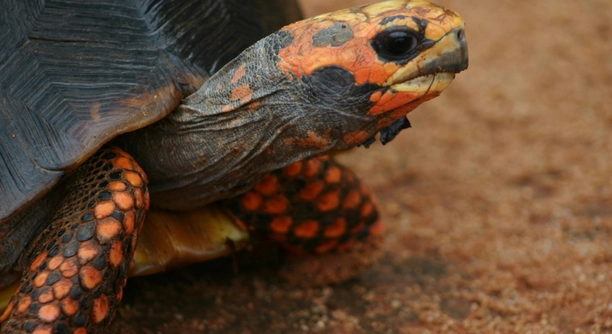
A red-footed tortoise may stop eating for various reasons. It’s important to understand the causes behind this change in behavior. Understanding why this occurs can help you ensure the health and well-being of your tortoise.
Several factors can contribute to your red-footed tortoise losing its appetite, including environmental changes, stress, or health issues. Temperature, humidity, and diet imbalances can significantly affect your tortoise’s feeding habits. Consult a veterinarian for guidance if necessary.
Understanding the causes of appetite loss will help you take the right steps to resolve the issue and support your tortoise’s recovery.
Common Causes of Appetite Loss in Red-Footed Tortoises
Environmental factors play a significant role in your red-footed tortoise’s appetite. Changes in temperature and humidity can stress them, causing them to stop eating. Tortoises need a stable habitat to thrive. If your tortoise is housed in an area with fluctuating temperatures or low humidity, it may refuse food. Additionally, improper lighting can affect their digestion and overall health, leading to a lack of interest in meals.
Temperature plays a vital role in digestion. If it’s too cold, their metabolism slows down, and they may not feel the need to eat. A warm basking spot is essential to help your tortoise maintain its appetite.
If you’ve checked the environmental factors and your tortoise still isn’t eating, it might be dealing with stress. Changes in their surroundings, such as a new pet or frequent handling, can cause them to feel uneasy. It’s essential to create a calm and secure space for them to reduce stress.
Diet and Nutrition Issues
Diet imbalance can also cause a red-footed tortoise to stop eating. If they are fed the wrong types of food or their diet lacks variety, it may lead to a loss of appetite. A healthy tortoise diet should consist of leafy greens, vegetables, and some fruit. Offering a range of food ensures they get the nutrients they need to stay healthy.
If your tortoise’s diet isn’t providing the right nutrients, it could lead to health problems like vitamin deficiencies, which may affect their appetite. Always research the best foods for your tortoise and stick to a balanced diet plan. Additionally, avoid overfeeding fruits, as this can cause digestive issues.
Poor hydration is another contributing factor to loss of appetite. A dehydrated tortoise is unlikely to eat properly. Make sure your tortoise has access to fresh water at all times and consider misting their environment to maintain optimal humidity levels.
Health Issues Affecting Appetite
Health problems can lead to your red-footed tortoise losing interest in food. If your tortoise is sick, it may not have the energy to eat or may feel unwell, causing it to stop eating altogether. Common health issues include respiratory infections, gastrointestinal problems, or parasites. These conditions can cause pain or discomfort, leading to a lack of appetite.
A visit to the veterinarian can help determine whether a health issue is affecting your tortoise’s appetite. Common signs of illness include lethargy, nasal discharge, or changes in the appearance of their shell or skin. Early detection of health issues is key to getting your tortoise back on track.
If the vet finds a health issue, proper treatment is necessary. Antibiotics, anti-parasitic medications, or adjustments in diet may be required to resolve the problem. Following your vet’s recommendations can help your tortoise recover and regain its appetite.
Stress and Handling
Excessive handling can stress your red-footed tortoise, which might lead to a lack of interest in food. Tortoises are sensitive to changes in their environment, and constant interaction can make them feel threatened. It’s essential to give them space and allow them to feel secure in their habitat.
Stress caused by handling can also affect their digestion. When a tortoise feels unsafe, it may not be able to process food properly, which can result in a loss of appetite. To reduce stress, limit handling to a few short sessions and provide a quiet space for your tortoise to rest.
Creating a calm environment is key to helping your tortoise feel secure. Keep their enclosure quiet, limit noise, and avoid sudden movements around them. Over time, these changes can help reduce stress, allowing your tortoise to eat more regularly.
Overfeeding or Feeding the Wrong Foods
Overfeeding can cause a red-footed tortoise to lose its appetite. If your tortoise is eating too much or getting food that’s not suitable, it can result in digestive issues. A balanced, varied diet is key to keeping your tortoise healthy and interested in meals.
Feeding the wrong foods, such as high-protein or sugary items, can also cause an appetite decrease. Red-footed tortoises need a diet of leafy greens, vegetables, and occasional fruit. Too much protein can upset their digestive system and lead to poor eating habits.
Seasonal Changes and Hibernation
Seasonal changes can affect the appetite of red-footed tortoises, especially as they prepare for hibernation. During colder months, tortoises naturally reduce their food intake. This is part of their biological rhythm and usually isn’t cause for concern.
If your tortoise is losing its appetite during a cooler period, ensure they are housed in an appropriate temperature range. A drop in temperature can lead to reduced activity and eating habits, as tortoises become less active in response. However, their appetite should return when warmer conditions resume.
Illness and Infection
Illness and infections are serious concerns when a red-footed tortoise refuses to eat. Symptoms of illness may include lethargy, runny nose, or swollen eyes. If your tortoise shows these signs, a vet visit is necessary to diagnose the issue and provide treatment.
Respiratory infections are common and can be treated with antibiotics. Gastrointestinal issues or parasites may require different treatments, such as changes in diet or medication. It’s crucial to address any health concerns early to avoid further complications and to help your tortoise regain its appetite.
FAQ
What should I do if my red-footed tortoise isn’t eating?
If your tortoise isn’t eating, first check its environment. Ensure the temperature and humidity levels are appropriate. A warm basking area and proper lighting are crucial for your tortoise’s digestion. Next, check if there have been any recent changes in its habitat that could cause stress. If everything seems fine, but the tortoise still refuses food, consider taking it to a vet for a health check-up.
How do I know if my tortoise is sick?
Signs of illness in red-footed tortoises include lethargy, nasal discharge, changes in shell appearance, swollen eyes, or difficulty breathing. If your tortoise is showing any of these symptoms, it’s best to consult a veterinarian. Early diagnosis and treatment are essential for a quicker recovery.
Can stress affect my tortoise’s appetite?
Yes, stress can lead to a loss of appetite in red-footed tortoises. Factors like excessive handling, new pets or people in the home, or loud noises can cause stress. It’s important to create a quiet, stable environment for your tortoise. Limiting handling and providing a safe space will help reduce stress and encourage eating.
What is the best diet for a red-footed tortoise?
A balanced diet for a red-footed tortoise should include a variety of leafy greens, such as collard greens, dandelion leaves, and mustard greens. You can also offer some vegetables like squash and bell peppers, along with occasional fruits like papaya or mango. Avoid feeding them too much protein or sugary foods, as this can upset their digestion.
Why is my tortoise not eating after being handled?
Handling your tortoise too much can cause stress, which may lead to a loss of appetite. Tortoises prefer a calm environment, and excessive handling can disrupt their natural behavior. Give your tortoise some space to relax and recover from any stress caused by handling.
Is it normal for red-footed tortoises to stop eating during winter?
Yes, it’s normal for red-footed tortoises to eat less during the winter months as they naturally slow down their metabolism. However, if your tortoise is still active but not eating, it’s a good idea to check the temperature and humidity of its enclosure. If there are no environmental issues, consult a vet to rule out illness.
Can I feed my red-footed tortoise too much food?
Yes, overfeeding can lead to health problems, including a loss of appetite. It’s important to provide the right portion sizes and a variety of food. Overfeeding high-protein or sugary foods can cause digestive issues. Stick to a balanced diet and avoid offering food too frequently.
How can I tell if my tortoise is dehydrated?
Dehydration can cause a loss of appetite in red-footed tortoises. Signs of dehydration include dry or sunken eyes, a dull shell, and less frequent urination. Ensure your tortoise has access to fresh water at all times and maintain appropriate humidity levels in its enclosure.
What should I do if my tortoise has a runny nose?
A runny nose can indicate a respiratory infection, which is common in red-footed tortoises. If your tortoise has a runny nose along with other symptoms like lethargy or difficulty breathing, take it to the vet immediately. Respiratory infections can be treated with antibiotics if caught early.
Can red-footed tortoises eat fruit?
Red-footed tortoises can eat fruit, but it should only be offered occasionally and in moderation. Fruits like papaya, mango, and strawberries can be a treat for your tortoise, but they should not make up a significant part of their diet. Too much fruit can lead to digestive problems or obesity.
Should I worry if my tortoise isn’t eating for a few days?
A few days without eating might not be a cause for concern, especially if it occurs during colder weather or after changes in their environment. However, if your tortoise goes without food for a prolonged period or shows signs of illness, it’s important to consult a vet to rule out any health problems.
How often should I feed my red-footed tortoise?
Feed your red-footed tortoise once a day, offering a variety of leafy greens and vegetables. Young tortoises may need to be fed more frequently than adults. It’s important to adjust the diet to their age, size, and activity level. Always remove any uneaten food to avoid attracting pests.
Can parasites affect my tortoise’s appetite?
Parasites can cause digestive issues, leading to a loss of appetite in red-footed tortoises. Symptoms of a parasitic infection include weight loss, lethargy, and abnormal stool. If you suspect your tortoise has parasites, a vet can perform a fecal test and prescribe medication to treat the issue.
How can I prevent my red-footed tortoise from getting sick?
To prevent illness, ensure your tortoise’s enclosure has the right temperature, humidity, and lighting. Provide a varied and balanced diet, including appropriate greens, vegetables, and fruits. Avoid overcrowding in the enclosure, and make sure to clean it regularly. Regular vet check-ups are also important for keeping your tortoise healthy.
What temperature should my red-footed tortoise’s enclosure be?
The ideal temperature for a red-footed tortoise’s enclosure should range from 75°F to 85°F (24°C to 29°C) during the day, with a basking area around 90°F (32°C). At night, the temperature can drop slightly but should not go below 70°F (21°C). Proper heating and lighting are necessary to maintain a healthy environment.
Final Thoughts
Taking care of a red-footed tortoise involves understanding their needs and recognizing when something might be off. While a loss of appetite can be concerning, it’s not always a sign of a serious problem. In most cases, it can be traced to factors like stress, environmental changes, or natural changes in their behavior, especially during colder months. By ensuring their enclosure is set up properly, providing a balanced diet, and managing stress levels, you can help keep your tortoise healthy.
It’s important to remember that tortoises, like all pets, have individual needs and personalities. Some might be more sensitive to environmental changes than others. Keeping an eye on their behavior, observing their eating habits, and maintaining a stable, comfortable environment will go a long way in preventing issues related to appetite loss. If you notice prolonged changes or signs of illness, such as lethargy or abnormal discharge, it’s best to consult a veterinarian for a thorough check-up.
Ultimately, understanding your red-footed tortoise’s needs, both physically and emotionally, will help you provide the best care possible. As long as you maintain a proper habitat, offer a varied diet, and minimize stress, your tortoise will likely return to its normal eating habits. Always stay attentive and proactive, and don’t hesitate to reach out to professionals if you have concerns. A little extra care can make a significant difference in ensuring the health and well-being of your tortoise.

Hello,
If you enjoy the content that we create, please consider saying a "Thank You!" by leaving a tip.
Every little bit helps us continue crafting quality advice that supports the health, happiness, and well-being of pets around the world, for pets of all shapes, sizes, and species.
We really appreciate the kindness and support that you show us!