
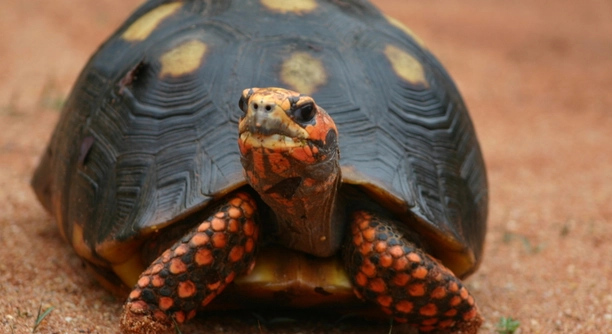
Are your red-footed tortoises acting restless at night? You may notice their unusual behavior during these hours, making you wonder what’s going on. Understanding the reasons behind their restlessness can help you provide a better environment for them.
Red-footed tortoises may be restless at night due to various factors such as inadequate temperature, insufficient food, or stress. Tortoises are naturally active at dusk and dawn, and nighttime disturbances can occur if their environment doesn’t meet their needs.
Knowing the causes of your tortoise’s behavior can help you create a more comfortable home for them. The following reasons explain why your tortoise may be restless during nighttime.
Inadequate Temperature and Humidity Levels
Red-footed tortoises rely on specific temperature and humidity levels to feel secure. If their habitat is too cold or dry, they may become restless, especially at night. These tortoises are native to tropical regions, where warmth and moisture are abundant. Without proper heating, your tortoise could feel uncomfortable, which might lead to more movement in an attempt to regulate its body temperature.
You should maintain the temperature in their enclosure between 75°F and 85°F during the day. At night, it can drop to around 70°F, but temperatures lower than that can cause stress. Humidity should be kept at 60-80% to mimic the conditions they’re used to. If the environment is too dry, your tortoise may become overly active, trying to find more favorable conditions.
Investing in a good quality thermometer and humidity gauge will help you monitor the enclosure’s conditions. Make sure you provide a warm basking spot as well as a cooler area so they can regulate their temperature. If you’ve already set up their home with these factors, monitor their behavior closely to see if it improves.
Stress or Anxiety
Stress can also contribute to your red-footed tortoise’s restlessness at night.
Environmental factors such as loud noises, bright lights, or the presence of other pets can cause anxiety in your tortoise. Tortoises are solitary and tend to get overwhelmed when exposed to too many distractions. Stress can lead to excessive movement, especially during the nighttime when they are naturally more active. To prevent this, keep their habitat in a quiet, low-traffic area. Avoid handling them too often, as this can also stress them out.
Consider their surroundings carefully. Bright lights or sudden temperature changes can make them uneasy. If they’re kept near other animals like dogs or cats, this might cause them to feel unsafe. Keeping their habitat as peaceful as possible is key to reducing their nighttime activity. Always aim to offer a safe and calm space for your tortoise, making sure to address anything that might disrupt their routine.
Hunger or Lack of Food
Sometimes, a red-footed tortoise’s restlessness can be caused by hunger. These tortoises need a balanced diet with a mix of vegetables, fruits, and protein. If they’re not getting enough food or the right types, they might become more active, especially at night when they’re typically more alert.
Feeding your tortoise an appropriate diet is essential for its health. A lack of food or insufficient nutrition can lead to frustration and restlessness. Make sure you’re offering a varied diet with leafy greens, fruits like papaya or mango, and a small amount of protein. This will help keep your tortoise satisfied.
If you’ve recently adjusted their feeding schedule or portion sizes, it might be helpful to review the changes. Make sure that their diet is rich in nutrients and fiber, which is crucial for digestion. Keeping an eye on their food intake will help ensure they’re well-fed and not restless due to hunger.
Health Problems or Illness
Health issues can also cause your tortoise to become more active than usual, particularly at night. If your red-footed tortoise is ill, it may pace around or show unusual behavior as it tries to cope with discomfort. Look for signs of illness like lack of appetite, swollen limbs, or abnormal movements.
If your tortoise is not eating properly, drinking less water, or seems lethargic, it may be struggling with a health issue. Some common health problems in tortoises include respiratory infections, shell rot, or digestive issues. Stress from illness can make them more restless as they try to seek comfort.
Visiting a veterinarian who specializes in reptiles is important if you suspect your tortoise is unwell. A vet can diagnose the issue and provide the proper treatment to help them feel better. Early intervention is key to preventing more severe health problems that could make your tortoise restless at night.
Mating Behavior
Red-footed tortoises can become restless during mating season. Males, in particular, may become more active, especially at night, as they seek out females. The instinct to find a mate can drive them to roam more than usual.
If you have a male and female tortoise, you may notice more movement, especially during breeding times. This behavior is completely natural, but it may cause restlessness, particularly at night when tortoises are naturally more active. If you don’t want your tortoise to breed, consider keeping males and females separately.
Insufficient Space
If your tortoise’s enclosure is too small, it might lead to restlessness.
A cramped living space can make it difficult for your tortoise to move around freely, which can lead to excessive activity, especially at night. Providing enough room for your tortoise to explore will help reduce its restlessness. Make sure their enclosure has enough space for them to roam and find a comfortable spot to rest.
FAQ
Why is my red-footed tortoise so active at night?
Red-footed tortoises are naturally more active during the dusk and dawn hours. At night, their instincts to explore or seek food become more pronounced. If your tortoise is restless at night, it could also be due to environmental factors like temperature or humidity, hunger, or even stress. It’s important to make sure their living conditions mimic their natural habitat as much as possible to reduce unnecessary activity.
How can I make my tortoise feel more comfortable at night?
To help your red-footed tortoise feel more comfortable at night, ensure their environment is at the right temperature and humidity. Keep the enclosure’s temperature between 75°F and 85°F during the day, and around 70°F at night. Humidity should be between 60-80%. Providing a proper basking area and a cooler spot will help your tortoise regulate its body temperature and reduce restlessness.
What should I feed my red-footed tortoise?
A varied diet is crucial for your tortoise’s well-being. Offer leafy greens like collard greens, dandelion leaves, and kale. You can also provide fruits such as papaya, mango, and bananas. Occasionally, you can include protein like boiled eggs or insects. Ensuring your tortoise has the right food can keep them from becoming restless due to hunger or a lack of nutrition.
Can my tortoise’s restless behavior indicate a health problem?
Yes, if your tortoise is consistently restless, it might be a sign of an underlying health issue. Look for signs of illness such as lethargy, loss of appetite, or abnormal behavior like excessive pacing. Health problems like respiratory infections or digestive issues can cause discomfort, leading to restlessness. It’s best to consult a veterinarian if you suspect your tortoise is unwell.
What if my tortoise is stressed?
Stress can make your tortoise more active than usual, especially at night. Stressors can include loud noises, bright lights, or a habitat that feels unsafe. It’s important to place your tortoise’s enclosure in a quiet area, away from other pets or excessive human activity. Reducing stress will help them feel more secure and less likely to pace or become restless.
How can I help my tortoise feel less stressed?
Make sure your tortoise’s environment is calm and stable. Avoid placing them in areas with frequent foot traffic or loud noises. If you have other pets like cats or dogs, keep them away from the tortoise’s space. You should also avoid handling your tortoise too often, as this can cause stress. A peaceful and secure environment is key.
Is my tortoise’s enclosure big enough?
A small enclosure can lead to restlessness because your tortoise may not have enough space to move around comfortably. Red-footed tortoises need enough room to explore and find a place to hide if they feel stressed. A larger enclosure allows your tortoise to roam and will reduce their anxiety and nighttime activity. The minimum recommended size for a single red-footed tortoise is 4×8 feet, but bigger is always better.
Can I keep two red-footed tortoises together?
It’s possible to keep two red-footed tortoises together, but you should be aware that males and females might breed, leading to increased activity and restlessness. Additionally, males can be territorial and may fight with one another. If you want to avoid breeding or aggression, it’s better to keep males and females separately.
Does lighting affect my tortoise’s behavior?
Yes, lighting plays a role in your tortoise’s behavior. Red-footed tortoises need a natural light cycle to regulate their internal clock. Ensure your tortoise has access to a UVB light during the day to help with calcium absorption and promote healthy behavior. At night, make sure the enclosure is dark or dimly lit to help them rest.
How often should I handle my tortoise?
Handling your tortoise too frequently can cause stress and lead to restlessness. It’s best to limit handling to a few times a week, unless necessary for cleaning or health checks. Let your tortoise come to you on its own terms. If handled too much, your tortoise may become anxious and more likely to display restless behavior, particularly at night.
Final Thoughts
Understanding why your red-footed tortoise is restless at night is the first step in addressing the issue. These tortoises are naturally more active during the evening hours, but if their nighttime restlessness is excessive, it could be due to various factors. Temperature and humidity levels, hunger, stress, health problems, or even mating behaviors can all contribute to this issue. By carefully examining your tortoise’s environment and habits, you can better determine what might be causing their restlessness.
Maintaining proper living conditions is essential for your tortoise’s comfort. Ensuring that the enclosure has the right temperature, humidity, and space will help reduce stress and prevent unnecessary movement. A well-balanced diet can also play a big role in keeping your tortoise satisfied and less likely to become restless. If the restlessness continues despite your efforts to provide the right environment, it might be a good idea to consult a vet. Health problems such as respiratory infections or digestive issues can also cause a tortoise to become more active than usual.
Ultimately, keeping a close eye on your tortoise’s behavior and making adjustments to their living conditions will help them feel secure and comfortable. Tortoises, like all pets, thrive in an environment that meets their natural needs. By providing proper care and a stress-free environment, you can ensure that your tortoise stays healthy and content, and their nighttime restlessness is minimized.

Hello,
If you enjoy the content that we create, please consider saying a "Thank You!" by leaving a tip.
Every little bit helps us continue crafting quality advice that supports the health, happiness, and well-being of pets around the world, for pets of all shapes, sizes, and species.
We really appreciate the kindness and support that you show us!