
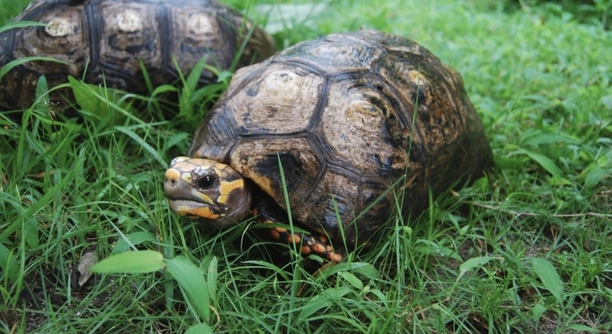
If your red-footed tortoise is constantly scratching, it may be a sign of an underlying issue that needs attention. This behavior can be concerning for many tortoise owners, as it may affect their well-being.
Scratching in red-footed tortoises is commonly caused by factors such as skin irritation, inadequate humidity, or stress. Dry skin, improper environmental conditions, or even parasites can lead to this frequent scratching behavior, signaling discomfort or an imbalance.
Understanding the root causes of this behavior can help you provide better care for your tortoise. Identifying the specific issue will guide you in creating a more suitable habitat and improving your tortoise’s overall health.
Causes of Scratching in Red-Footed Tortoises
If your red-footed tortoise is scratching frequently, it may be due to dry or irritated skin. These tortoises have sensitive skin that can easily become dry if their environment lacks proper humidity. When the humidity is too low, their skin dries out, causing discomfort and frequent scratching. Another possible cause of scratching is an improper enclosure temperature. Red-footed tortoises require a specific temperature range to stay healthy. If the enclosure is too hot or cold, it can lead to stress and skin issues, making your tortoise scratch more often. Additionally, your tortoise may scratch to try to relieve itching from parasites like mites or ticks. These can cause irritation and discomfort, prompting your tortoise to scratch.
Humidity levels, temperature, and parasites all contribute to scratching behavior. Ensuring proper conditions in the habitat will help prevent further irritation and stress. Addressing these causes can make a significant difference in your tortoise’s well-being.
A proper diet can also support healthy skin. A balanced diet with sufficient nutrients ensures that your tortoise’s skin stays in good condition and reduces scratching.
Skin Irritation and Dryness
Dry skin is a common issue for red-footed tortoises. When humidity is too low, it prevents their skin from staying moisturized, leading to scratching.
To prevent skin dryness, increase humidity in their enclosure. Use a humidifier or regularly mist the habitat to maintain moisture. Red-footed tortoises also benefit from having a moist substrate. This helps keep their skin hydrated and reduces irritation. It’s essential to monitor both the temperature and humidity levels regularly. Maintaining a balance will improve their comfort and health. In addition to environmental adjustments, ensuring proper hydration through a water dish will help your tortoise stay moisturized. Healthy skin prevents itching, reducing the scratching behavior significantly.
Temperature and Habitat Conditions
Improper temperature can lead to discomfort for your red-footed tortoise. If the enclosure is too hot or cold, it can cause them to scratch in an attempt to alleviate stress or skin irritation.
Maintaining the correct temperature range is crucial for your tortoise’s health. The warm side of the enclosure should be between 85-90°F, while the cooler side should be around 75°F. Consistency is key—avoid drastic temperature changes. A basking light provides heat during the day, and a ceramic heat emitter can help during the night. Temperature fluctuations can cause stress, leading to excessive scratching.
In addition to temperature control, ensure your tortoise has enough space to roam and find comfortable spots to rest. A cramped enclosure can contribute to stress, increasing the likelihood of scratching. By balancing the temperature and ensuring your tortoise has ample space, you’ll help them feel more secure and comfortable in their habitat, reducing unnecessary behavior.
Parasites and Mites
Parasites, especially mites, are a common reason for red-footed tortoises to scratch. These tiny creatures can burrow into their skin, causing intense irritation.
Mites are not always easy to spot but can lead to excessive scratching. Look for signs like redness, swelling, or scabs on your tortoise’s skin. If you suspect mites, it’s essential to act quickly. The first step is to isolate the tortoise to prevent spreading the parasites. You can bathe them in warm water to help remove any visible mites. Use a reptile-safe anti-parasitic treatment to eliminate the infestation.
Regularly cleaning the enclosure is also important. A thorough cleaning with reptile-safe disinfectants will help prevent the mites from returning. It’s also crucial to regularly check your tortoise for any signs of parasites. Early intervention can make a significant difference in their health and comfort.
Stress and Environmental Factors
Stress can cause your red-footed tortoise to scratch excessively. Changes in the environment, handling, or loud noises can lead to discomfort.
Red-footed tortoises are sensitive creatures, and sudden changes in their environment can trigger stress. Moving to a new enclosure, rearranging their space, or frequent handling can make them anxious, leading to scratching. It’s important to maintain a consistent, calm environment for your tortoise to help reduce stress and scratching.
Keep their habitat stable and minimize disruptions. A well-planned, quiet space will allow them to thrive without the added stress that leads to scratching.
Diet and Skin Health
A poor diet can also contribute to skin issues, including dryness and irritation, which may lead to scratching. Lack of essential vitamins can negatively affect their skin.
Make sure your tortoise’s diet includes a variety of fresh vegetables and fruits. Proper nutrition helps maintain healthy skin, preventing issues like dryness and irritation. Tortoises also benefit from occasional protein, such as insects or eggs, to meet their dietary needs. It’s crucial to balance their diet to promote skin health and overall well-being.
A vitamin supplement might also help if your tortoise’s diet is lacking. Consult a vet for specific recommendations based on your tortoise’s needs. Proper nutrition helps prevent scratching and supports long-term health.
Bathing and Hydration
Regular bathing helps keep your red-footed tortoise hydrated and clean, preventing skin dryness and irritation that can lead to scratching.
Bathing your tortoise with warm water once or twice a week can help hydrate their skin, particularly in dry conditions. The warm water also aids in loosening any dirt or debris stuck on their shell or skin. Always make sure the water is shallow and that your tortoise can easily get out when needed.
In addition to bathing, always provide a clean water dish for your tortoise to drink from daily. Proper hydration supports their skin health and overall comfort, reducing the likelihood of scratching.
FAQ
Why is my red-footed tortoise scratching so much?
Scratching is often a sign of discomfort. It could be caused by dry skin, inadequate humidity, improper temperature, or parasites like mites. Stress and poor diet may also contribute to this behavior. Ensure the habitat conditions are optimal and check for signs of external parasites. Regularly bathing your tortoise and maintaining proper humidity can help alleviate this issue.
How can I increase the humidity in my tortoise’s enclosure?
To improve humidity, you can add a humidity box or use a humidifier in the enclosure. Regularly mist the habitat with water or use a substrate that retains moisture, like coconut coir or orchid bark. Ensure that humidity levels stay between 60% and 80%. A humidity gauge can help monitor levels.
Can stress cause my tortoise to scratch?
Yes, stress is a common cause of scratching. Changes in their environment, such as moving to a new enclosure, frequent handling, or loud noises, can cause anxiety. Keeping the enclosure stable, minimizing disruptions, and handling your tortoise gently can reduce stress. Ensuring that the space is quiet and calm also helps.
What temperature should my red-footed tortoise’s enclosure be?
The warm side of the enclosure should be between 85-90°F, while the cooler side should be around 75°F. A basking light during the day and a ceramic heat emitter at night help maintain this temperature range. Regularly check the temperature with a thermometer to avoid fluctuations.
How often should I clean my tortoise’s enclosure?
It’s important to clean your tortoise’s enclosure regularly to prevent bacteria and parasites. Spot-clean the enclosure daily by removing waste, uneaten food, and soiled substrate. Perform a more thorough cleaning every 1-2 weeks, disinfecting all surfaces and replacing the substrate. This will help keep your tortoise’s habitat healthy.
Can parasites cause scratching in my tortoise?
Yes, parasites, especially mites, can cause significant irritation and lead to excessive scratching. Mites are hard to spot but can cause redness, swelling, and scabbing on the skin. If you suspect mites, treat your tortoise with a reptile-safe anti-parasitic solution and thoroughly clean the enclosure.
What type of diet is best for my red-footed tortoise?
A well-balanced diet is crucial for the health of your tortoise. It should consist mainly of leafy greens like collard greens, dandelion greens, and mustard greens. You can also offer fruits like papaya, mango, and berries. Occasionally, feed protein sources like insects or eggs. Avoid feeding them high-oxalate foods like spinach, as they can interfere with calcium absorption.
How can I tell if my tortoise has a skin infection?
Signs of a skin infection in tortoises include swollen, discolored, or oozing areas on the skin. If your tortoise’s skin looks inflamed, has sores, or is unusually soft, it may be infected. Infections can be caused by bacteria, fungi, or parasites. Seek veterinary advice if you notice these symptoms.
Should I bathe my red-footed tortoise?
Yes, bathing your tortoise can help keep its skin hydrated and remove debris. Bathing with warm water once a week is typically sufficient. Ensure the water is shallow, and never leave your tortoise unattended during a bath. This routine will help prevent dryness and irritation that can lead to scratching.
Is my tortoise’s scratching behavior normal?
Scratching can be normal if it’s infrequent and doesn’t seem to cause distress. However, constant scratching may indicate an underlying problem, such as skin dryness, stress, or parasites. It’s essential to observe your tortoise’s behavior and make necessary adjustments to their environment to keep them comfortable.
Can improper lighting cause my tortoise to scratch?
Yes, insufficient or incorrect lighting can contribute to discomfort. Red-footed tortoises need access to UVB light, which helps them metabolize calcium and maintain healthy skin. A lack of UVB light can lead to health issues like shell deformities and dry, irritated skin. Ensure that your tortoise has proper lighting for at least 10-12 hours a day.
How do I spot signs of dehydration in my tortoise?
Signs of dehydration include sunken eyes, dry or cracked skin, and lethargy. If your tortoise isn’t drinking enough water or showing other symptoms, you may need to increase the humidity in their habitat or encourage them to drink more. Dehydration can also lead to problems like constipation, so it’s crucial to monitor their hydration levels closely.
What should I do if my tortoise keeps scratching and I can’t figure out why?
If the scratching continues despite checking environmental factors like humidity, temperature, and diet, it’s important to consult a veterinarian. A vet can check for parasites, infections, or other underlying health issues. Early intervention can prevent further discomfort and ensure your tortoise remains healthy.
Can I use lotions or oils on my tortoise’s skin to help with scratching?
It’s best to avoid applying lotions or oils to your tortoise’s skin unless advised by a veterinarian. Some products can be harmful, and tortoises tend to try to rub them off, which could cause more irritation. Instead, focus on improving habitat conditions and diet to keep their skin healthy.
Final Thoughts
Red-footed tortoises are fascinating creatures, and understanding their behavior is key to ensuring their health and well-being. Scratching, while sometimes a normal behavior, can indicate underlying issues that need attention. It’s important to monitor their environment and look for any signs of discomfort that may be contributing to this behavior. Factors like humidity, temperature, diet, and stress can all play a role in why a tortoise might scratch more than usual. Regular observation and quick intervention when issues arise can help prevent further complications.
Taking care of a red-footed tortoise requires a bit of knowledge about their needs and habits. By providing a proper habitat with correct temperature, humidity, and lighting, you can avoid common problems that lead to discomfort. A varied diet, along with regular bathing and handling, will also contribute to their overall health. If your tortoise’s scratching persists, it’s essential to seek professional help, whether from a veterinarian or an experienced reptile keeper. They can help pinpoint the exact cause and recommend solutions that will keep your tortoise happy and healthy.
Ultimately, the key to managing scratching and other behavior issues is prevention. Creating an environment that closely resembles the tortoise’s natural habitat, while being mindful of their dietary and health needs, can make all the difference. By staying informed about the signs and symptoms of common health issues, you can respond quickly and provide the best care for your red-footed tortoise. A healthy, content tortoise is one that thrives in its environment, free from unnecessary discomfort or stress.

Hello,
If you enjoy the content that we create, please consider saying a "Thank You!" by leaving a tip.
Every little bit helps us continue crafting quality advice that supports the health, happiness, and well-being of pets around the world, for pets of all shapes, sizes, and species.
We really appreciate the kindness and support that you show us!