
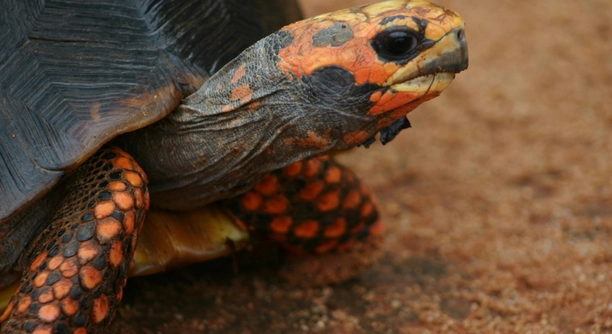
Red-footed tortoises are known for their gentle nature, but occasionally, they may display aggressive behavior, like biting. Understanding the reasons behind this can help you manage their actions and ensure both you and your pet are happy.
There are several reasons your red-footed tortoise may bite you. These include stress, territorial behavior, food guarding, or simply being startled. Additionally, some tortoises may bite out of curiosity or as a reaction to improper handling or discomfort.
Learning to recognize the underlying cause of their biting can help you respond appropriately. This will lead to a more peaceful and enjoyable relationship with your tortoise.
Stress and Overstimulation
Stress is one of the most common reasons why your red-footed tortoise might bite. If your tortoise feels overwhelmed by too much activity, noise, or sudden movements, it may lash out. This can happen if the environment feels chaotic or unsafe to your tortoise. It’s important to observe their behavior and avoid sudden changes that might disrupt their comfort. Red-footed tortoises are sensitive to their surroundings, so creating a calm, predictable environment is key.
Tortoises are also sensitive to handling. If you’re holding or interacting with them too much, they may become stressed and react defensively. Always handle them gently, and avoid excessive handling, especially during feeding time or when they’re resting.
A stressed tortoise may also bite out of fear, thinking that it’s in danger. Providing a secure, quiet space where they can retreat and feel safe will greatly reduce stress and the likelihood of biting.
Territorial Behavior
Red-footed tortoises can be territorial. If they feel that their space is being invaded, they may bite. This behavior can be especially noticeable if another animal or even a person is too close to their habitat. Keeping a safe distance from their area can help prevent this.
Territorial biting can happen when tortoises feel that their home is being threatened. They see their enclosure as their own space, and they’re protective of it. To avoid this, make sure your tortoise has plenty of room and a private area where it can retreat. They prefer a sense of security, and a spacious, well-defined area can help avoid territorial disputes.
If you notice your tortoise showing signs of aggression, it’s crucial to adjust their environment. You may need to provide more hiding spots or rearrange the enclosure to give them a sense of privacy. This reduces stress and allows them to feel more comfortable.
Food Guarding
Food can be another trigger for biting. Red-footed tortoises may guard their food if they feel threatened or unsure about when the next meal will come. This behavior can make them more prone to biting, especially if they’re startled while eating.
To prevent food guarding, offer meals in a calm, predictable manner. Avoid disturbing them during feeding time. Tortoises feel more secure when they’re given time to eat without interference. Providing them with a consistent feeding routine can also help reduce anxiety related to food.
Additionally, it’s important not to overcrowd the feeding area. If there are multiple animals in the enclosure, ensure that each one has enough space to eat comfortably. This gives them the freedom to enjoy their meal without feeling threatened or cornered.
Improper Handling
Handling your tortoise incorrectly can lead to biting. If they are picked up too roughly or handled too frequently, they may bite out of discomfort. Tortoises are not naturally inclined to be held, so it’s important to respect their space.
When picking up your tortoise, always be gentle and support its body fully. Avoid sudden movements or lifting them too high, as this can cause stress. Tortoises are best handled with calm, slow movements, allowing them to feel secure in your hands. A steady, gentle approach ensures they’re comfortable.
Fear of Threats
Tortoises may bite when they feel threatened, even if the threat isn’t intentional. Quick movements or loud noises can cause them to react defensively. They view the world from the ground level, so anything towering over them can seem intimidating.
Avoid making sudden gestures that could startle your tortoise. If you need to approach, do so slowly and from their line of sight. This allows them to feel more in control and less threatened, reducing the chances of biting.
Health Issues
Sometimes, biting may be linked to health problems. If your tortoise is in pain or feeling unwell, it might lash out as a response. A sick tortoise may also exhibit changes in behavior, including increased aggression.
If biting becomes frequent, it’s important to observe any other signs of illness. Common symptoms include a lack of appetite, lethargy, or difficulty moving. If you notice any of these signs, consider scheduling a visit to the vet for a thorough check-up.
FAQ
Why is my red-footed tortoise suddenly biting me?
Your red-footed tortoise may be biting due to stress, territorial behavior, or improper handling. Tortoises are sensitive creatures and will bite if they feel threatened or uncomfortable. They may also bite if they’re startled or confused. Try to assess the situation by observing your tortoise’s environment and behavior. Reducing stress factors, such as loud noises or changes in their habitat, may help.
How can I prevent my tortoise from biting me?
To prevent biting, it’s essential to handle your tortoise gently and avoid overstimulating them. Give them time to settle into their environment, and don’t force interactions. Make sure their habitat is spacious and comfortable. Be mindful during feeding times, as tortoises may become possessive of their food. Also, provide enough space for them to feel secure.
Should I worry if my tortoise bites me?
Biting is often a sign of stress or discomfort, not aggression. While it can be alarming, it usually isn’t dangerous if handled properly. However, repeated biting can indicate a deeper issue, like health problems or improper care. Assess their environment and behavior, and consult a vet if the problem persists.
Can a red-footed tortoise bite me hard enough to cause harm?
While red-footed tortoises have strong jaws, their bites are generally not harmful to humans. However, the bite may be painful and could lead to minor injuries like bruising or skin breaks. If the bite is severe or accompanied by swelling or infection, it’s important to clean the wound and seek medical advice.
What are the signs that my tortoise is stressed?
Signs of stress in a tortoise include hiding, reduced appetite, erratic movements, and a general change in behavior. If your tortoise starts biting more frequently or becomes less active, it may be a response to stress. Stress can come from various sources, such as environmental changes, overcrowding, or inadequate care.
How often should I feed my red-footed tortoise?
Red-footed tortoises should be fed every other day or 3-4 times a week, depending on their age and size. Younger tortoises may require more frequent feedings than adults. The key is to offer a balanced diet that includes leafy greens, vegetables, and occasional fruits. Keep their meals consistent to avoid anxiety around food.
Can red-footed tortoises be aggressive toward other animals?
Yes, red-footed tortoises can be aggressive toward other animals, especially if they feel their territory or food is being threatened. If you have multiple pets, monitor interactions closely. It’s a good idea to keep your tortoise’s habitat separate from other animals to avoid territorial conflicts.
How do I know if my tortoise is healthy?
A healthy tortoise will have a strong, smooth shell, clear eyes, and active behavior. They should have a consistent appetite and be able to move freely without any signs of pain. If your tortoise is lethargic, has trouble moving, or has any discharge from their eyes or nose, they may need a check-up.
Why does my red-footed tortoise try to bite when I pick it up?
Biting when being picked up can happen because the tortoise feels vulnerable or threatened. It’s important to handle them with care, supporting their body evenly. They may also be reacting to unfamiliar handling or feeling insecure. Always pick them up slowly and gently, ensuring they feel safe.
What should I do if my tortoise continues to bite?
If your tortoise continues to bite despite gentle handling and a calm environment, it’s time to reassess its care. Check for signs of illness, and make sure it has enough space and privacy. If the biting persists, consider consulting a vet to rule out any health issues.
Final Thoughts
Understanding why your red-footed tortoise is biting is key to resolving the issue. Most of the time, biting is a sign of stress, fear, or territorial behavior. Tortoises, like many animals, will react defensively if they feel threatened or uncomfortable. They may bite as a way to protect themselves or their environment. It’s essential to be aware of their needs and behavior, which can often give clues about what’s causing the aggression. Adjusting their habitat, handling them gently, and providing a consistent feeding routine can make a big difference in reducing these incidents.
If your tortoise’s biting persists, it may indicate underlying health issues or behavioral problems. For instance, a tortoise in pain or discomfort may act out by biting as a response to its discomfort. In such cases, a veterinary check-up can help identify any health issues that need attention. By addressing both physical and emotional aspects of your tortoise’s well-being, you can work toward preventing biting. Creating a calm, secure environment for them to live in will help them feel more at ease, which can reduce aggressive behavior.
Ultimately, understanding your tortoise and making the necessary adjustments to their care is the most effective way to prevent biting. The more you observe your tortoise’s behavior and surroundings, the easier it will be to identify stressors and remove them. With the right care, most tortoises can live peacefully without showing aggression. Remember, patience is key when building a positive relationship with your red-footed tortoise. By creating a stress-free environment and handling them with respect, you can enjoy a long, peaceful bond with your pet.

Hello,
If you enjoy the content that we create, please consider saying a "Thank You!" by leaving a tip.
Every little bit helps us continue crafting quality advice that supports the health, happiness, and well-being of pets around the world, for pets of all shapes, sizes, and species.
We really appreciate the kindness and support that you show us!