
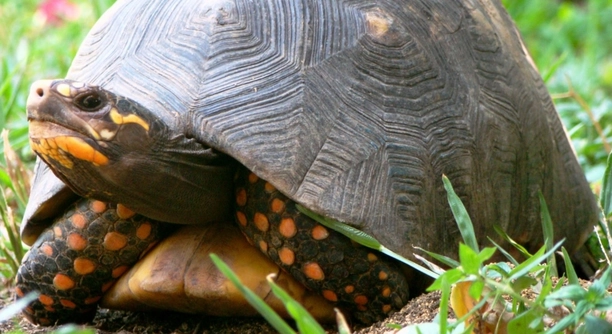
Red-footed tortoises are fascinating creatures, and their behavior can sometimes leave us wondering. If you notice your tortoise always sleeping in the water, you’re not alone. Understanding this behavior is key to ensuring your pet’s well-being.
The most common reason for your red-footed tortoise sleeping in the water is that it provides comfort and hydration. These tortoises naturally enjoy moist environments, and water offers a source of relief, especially for temperature regulation and humidity.
Knowing why your tortoise spends so much time in the water can help you create a healthier environment for it. It’s important to observe their behavior to ensure they’re happy and healthy.
Why Do Red-Footed Tortoises Sleep in Water?
Red-footed tortoises are naturally drawn to warm, moist environments. When they sleep in water, it is usually because the conditions there are comfortable for them. They thrive in humid habitats, and water helps maintain their body temperature and hydration levels. This tortoise species often enjoys soaking to stay cool and prevent dehydration, especially in warmer climates. In the wild, they would seek out small ponds, puddles, or streams. For a pet, having a water dish or a shallow pool can replicate this natural behavior. The water serves as a source of comfort, keeping the tortoise relaxed and healthy.
The water also plays a role in skin and shell care. Red-footed tortoises often take to the water for gentle cleaning. It helps them maintain a healthy skin condition by preventing dryness or cracking. This behavior, while seemingly odd, is completely natural and beneficial for their overall health.
Having a water source in their enclosure is essential for their well-being. Without it, they may experience issues with hydration and skin conditions. Keeping an eye on the temperature of the water is important for their comfort as well.
Maintaining Proper Water Conditions for Your Tortoise
Water should always be clean and changed regularly. The water’s temperature should be monitored closely to ensure it is not too hot or too cold for the tortoise. Keeping the enclosure at a suitable humidity level is just as important. This helps them stay hydrated and comfortable.
If the water is too cold, your tortoise might struggle to maintain body heat. This can lead to health problems like sluggishness or respiratory issues. On the other hand, water that is too warm might cause stress. It’s important to balance the water’s temperature based on the climate your tortoise is living in. A shallow pool is a great way to allow your tortoise to sleep while maintaining its natural instincts.
As part of their habitat, the water will also help with temperature regulation. This helps your tortoise feel secure and in control of its environment.
The Impact of Temperature on Red-Footed Tortoises
Temperature plays a huge role in your red-footed tortoise’s behavior. If the water temperature is too low, your tortoise may become lethargic and spend excessive time resting. If the water is too warm, it can cause stress and lead to dehydration. A stable temperature is essential for their overall health.
Red-footed tortoises are ectothermic, meaning they rely on external temperatures to regulate their body heat. When kept in captivity, providing a proper heat gradient in their enclosure, including a warm basking area and cooler water, ensures they have the right environment. Maintaining the water temperature between 75°F to 80°F can mimic natural conditions and allow your tortoise to regulate its body heat efficiently.
Too hot or cold of a water environment can disrupt your tortoise’s metabolism and overall health. Stress from temperature fluctuations can weaken their immune system, making them more susceptible to illnesses. By adjusting the water temperature, you can create a safe and comfortable space for them to thrive.
How Humidity Affects Your Tortoise’s Health
Humidity levels are just as crucial for your tortoise as temperature. They come from tropical environments where the air is often moist, and they depend on high humidity for healthy skin and shell development. A water source helps maintain the necessary humidity.
A humidity level of 70% to 80% is ideal for red-footed tortoises. If your tortoise doesn’t have access to water, the air inside the enclosure can become too dry, causing problems such as shell deformities or skin shedding issues. Too much moisture can lead to fungal infections, so finding a balance is key.
By monitoring humidity levels, you ensure your tortoise’s skin stays healthy, and its shell maintains proper structure. To regulate humidity, adding a shallow water dish or misting the enclosure can help. This small adjustment can make a huge difference in the long-term health of your tortoise.
Common Health Concerns Related to Sleeping in Water
While sleeping in water is normal, it can sometimes indicate health issues. If your tortoise spends too much time in water, it may be trying to cool down or hydrate due to an underlying problem. Watch for signs of distress.
If your tortoise is constantly in the water, it could be due to stress, improper temperature, or dehydration. It’s important to monitor their behavior and check for other symptoms like lethargy or irregular eating habits. These signs may suggest a more serious health issue that needs attention.
Providing a Balanced Diet for Your Tortoise
A proper diet is essential for your tortoise’s overall health, especially if it is spending more time in the water. Offering a balanced diet with vegetables, fruits, and occasional protein will help maintain its health. Make sure the food is rich in calcium for shell health and growth.
Red-footed tortoises need a variety of foods, such as leafy greens, berries, and other vegetables. Be mindful of what they are eating to avoid health problems like obesity or nutritional deficiencies. If your tortoise is spending excessive time in water, it’s important to check if its diet is meeting its needs.
Maintaining a Clean Water Environment
Keeping the water clean is crucial for your tortoise’s health. Dirty water can harbor bacteria, leading to infections or other issues. Regularly change the water and scrub any surfaces to keep the environment safe.
Make sure the water is always free of debris and contaminants. If the water is stagnant for too long, it may cause more harm than good. Cleaning the water regularly will help prevent any unnecessary health risks.
FAQ
Why does my red-footed tortoise sleep in the water?
Red-footed tortoises naturally enjoy humid, warm environments. Water provides them with the right conditions to regulate their temperature and hydration. They may also soak in the water to prevent dehydration, which can be common in dry environments. Spending time in the water helps them feel secure and relaxed, mimicking the conditions they would encounter in the wild. If your tortoise is constantly in the water, ensure that the water temperature and humidity are balanced properly for its well-being.
How much water should my red-footed tortoise have access to?
Your tortoise should have access to clean, shallow water at all times. The water should be enough to allow your tortoise to soak comfortably, but not too deep where it could risk drowning. A shallow dish or small pool that’s around 1-2 inches deep is perfect for them. This will allow them to enter and exit freely. Keeping the water clean is essential, so change it regularly to maintain a healthy environment.
Can red-footed tortoises overhydrate by sleeping in the water too much?
It’s unlikely that a red-footed tortoise will overhydrate, as long as the water isn’t too deep and is kept clean. However, excessive time in water can sometimes lead to fungal or bacterial infections, especially if the water becomes stagnant. It’s important to monitor the time spent in the water and make sure the environment is kept hygienic.
What is the ideal temperature for the water in my tortoise’s enclosure?
The ideal water temperature for your red-footed tortoise should be between 75°F and 80°F (24°C to 27°C). This range helps regulate their body temperature while ensuring they’re comfortable. Water that is too cold can cause your tortoise to become lethargic, while water that is too hot may stress them out or cause dehydration. You can use a thermometer to ensure the water stays within the proper range.
Should I add any chemicals or treatments to my tortoise’s water?
It’s best to avoid adding chemicals or treatments to your tortoise’s water unless recommended by a veterinarian. If you need to disinfect the water, opt for natural methods like frequent cleaning and replacing the water. Harsh chemicals may harm your tortoise, especially if they accidentally ingest them while soaking.
Is it normal for my tortoise to sleep in the water all day?
It’s not unusual for a red-footed tortoise to spend a significant amount of time in the water, especially if it feels comfortable and hydrated there. However, if your tortoise is constantly in the water and seems overly lethargic, it might be a sign that something isn’t right, such as improper temperature or other health concerns. Ensure that they have a proper basking area, as red-footed tortoises need both warmth and humidity to stay healthy.
Can I use a water filter in my tortoise’s water dish?
Yes, using a water filter can help maintain cleaner water for your tortoise. A filter will help remove waste, debris, and excess food, keeping the water fresh for longer. Just make sure the filter is designed for small enclosures and doesn’t have any chemicals that might harm your tortoise. Clean the filter regularly to ensure it’s working properly.
How often should I change the water in my tortoise’s enclosure?
You should change the water at least every two to three days to ensure it stays clean. If your tortoise spends a lot of time in the water, you may need to change it more often. Regular water changes will help prevent the growth of bacteria or algae that can lead to health issues. Always clean the water dish thoroughly when changing the water to keep the environment safe.
Can red-footed tortoises live in water like aquatic turtles?
No, red-footed tortoises are not aquatic. They are semi-aquatic, meaning they enjoy soaking in water but need to come out to rest and bask in a warm, dry spot. Unlike aquatic turtles, which spend most of their time in the water, red-footed tortoises need both land and water areas in their enclosure to stay healthy. They should never be fully submerged in water for extended periods.
What are some signs my tortoise might be spending too much time in the water?
If your red-footed tortoise is spending too much time in the water, you might notice it becoming lethargic, showing signs of respiratory distress, or refusing to eat. The shell may appear soft or have fungal infections if the water isn’t properly maintained. If you notice these signs, consult a vet to ensure your tortoise isn’t suffering from any health issues.
Can I let my tortoise soak in water outside?
Yes, it’s perfectly fine to let your tortoise soak outside if the weather is warm and the area is safe. Just make sure the water is shallow and clean, and always supervise your tortoise while it’s soaking. Be cautious of predators and environmental factors like direct sunlight, which can lead to overheating or dehydration if they don’t have proper shelter.
Do I need to worry about my tortoise’s water temperature at night?
At night, it’s important to maintain a stable temperature in the enclosure, but you don’t need to worry about the water being too warm. Red-footed tortoises prefer slightly cooler temperatures at night, so the water can naturally drop to a cooler temperature. Just ensure that the tortoise can still get access to the proper temperature ranges during the day.
Final Thoughts
Red-footed tortoises are unique pets that require a bit of special care to stay healthy and happy. Understanding why your tortoise might spend so much time in the water is important for making sure its environment meets its needs. Water helps these tortoises regulate their body temperature and stay hydrated, both of which are essential for their well-being. It’s also a natural part of their behavior, as they are used to humid environments in the wild. As long as the water is clean, shallow, and kept at the right temperature, your tortoise should feel comfortable and secure.
However, if your tortoise seems to be spending an unusual amount of time in the water, it’s important to keep an eye on other factors that could be affecting its health. For example, water that is too cold or too warm can cause stress or even lead to illness. The temperature and humidity levels in their enclosure should be monitored carefully to provide the best environment for your tortoise. If your pet shows signs of lethargy, loss of appetite, or other concerning symptoms, it’s a good idea to consult with a veterinarian to rule out any potential health issues.
In general, creating a balanced and comfortable environment for your red-footed tortoise will help ensure it thrives. Offering fresh water, a proper diet, and regular cleaning will go a long way in keeping your pet healthy. By understanding their needs and natural behaviors, you can provide the best possible care for your tortoise, allowing it to live a long and happy life. Taking the time to maintain the proper conditions for your tortoise’s habitat is key to keeping it active, healthy, and comfortable.

Hello,
If you enjoy the content that we create, please consider saying a "Thank You!" by leaving a tip.
Every little bit helps us continue crafting quality advice that supports the health, happiness, and well-being of pets around the world, for pets of all shapes, sizes, and species.
We really appreciate the kindness and support that you show us!