
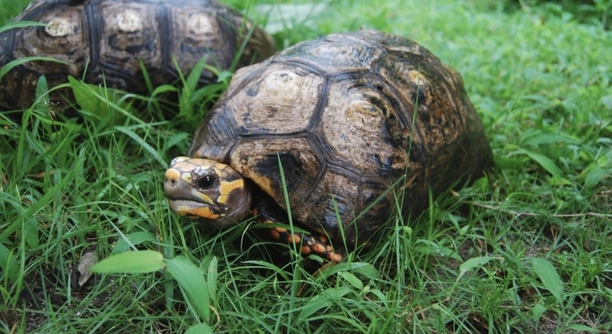
Is your red-footed tortoise looking a bit slimmer than usual? Maintaining a healthy weight is essential for their well-being, and it’s important to understand when your tortoise might be underweight. Here’s how to tell.
The primary indicators that your red-footed tortoise is underweight include a visible loss of body mass, sunken eyes, and a noticeable dip in the plastron. These signs can point to poor health or improper care, making it crucial to address them.
Knowing how to spot these warning signs early on will help you take the right steps to ensure your tortoise remains healthy. The following information will guide you in checking your pet’s weight and overall health.
Physical Signs of an Underweight Red-Footed Tortoise
When you notice that your red-footed tortoise is underweight, physical changes are often the first sign. A noticeable dip in their shell, sunken eyes, or a more prominent ribcage are some common indicators. These physical signs suggest that the tortoise may not be getting enough nutrition or has an underlying health issue. If you find that your tortoise is losing weight despite regular feeding, it’s important to take action immediately. Other symptoms, such as lethargy, poor appetite, or a decrease in activity levels, can also signal that your tortoise is not in optimal condition.
In some cases, the appearance of the tortoise’s shell can reveal whether it is too thin. If their plastron (the bottom shell) is concave rather than flat, it may indicate that the tortoise is not getting enough food. These changes can worsen over time, so it’s important to recognize them as early as possible.
Addressing these signs with a proper diet and habitat can help restore your tortoise to a healthier weight. Regular checks of your pet’s physical condition will prevent any long-term harm and ensure a balanced lifestyle. Make sure to monitor their weight and keep track of any significant changes.
Diet Imbalance Leading to Weight Loss
Diet plays a major role in the weight of your red-footed tortoise.
A poor diet that lacks variety or key nutrients can lead to malnutrition and weight loss. Ensure your tortoise is consuming enough calcium, fiber, and vitamins. If their food is too repetitive, they might not be getting all the nutrients needed for healthy growth. Stick to a diet of leafy greens, fruits, and vegetables, and avoid high-protein foods, which can be detrimental in excess.
Over time, a lack of proper nutrition will show in their body condition. A tortoise that is eating the right foods in the right proportions is likely to have a better chance at maintaining a healthy weight. Additionally, it’s important to adjust their diet as they age to meet their changing needs. Offering a variety of food items ensures they get the full spectrum of nutrients needed for healthy development.
Environmental Factors Affecting Weight
Inadequate environmental conditions can contribute to your tortoise’s weight loss. A lack of warmth, sunlight, or space to move around can lead to stress and make it harder for the tortoise to eat or digest food properly. For red-footed tortoises, warmth is essential for their digestion. If the basking area is too cold, they may become sluggish and refuse to eat. This can cause them to lose weight gradually.
The habitat should mimic their natural environment as closely as possible. Ensure your tortoise has access to both a warm basking area and a cooler zone where it can regulate its body temperature. Additionally, ensure they have enough space to roam around freely. A cramped or too-cold enclosure can reduce their appetite and lead to unhealthy weight loss.
Proper lighting is also crucial. Without UVB lighting, tortoises cannot properly absorb calcium, which is important for their growth and shell health. A lack of UVB light can cause metabolic bone disease, which may result in weight loss as well as deformities.
Stress and Its Impact on Weight
Stress can significantly affect the weight of a red-footed tortoise.
When tortoises are stressed, they might stop eating or become less active. Stress can be caused by sudden changes in their environment, a noisy habitat, or frequent handling. It’s crucial to provide a stable environment with minimal disruptions. A stressed tortoise might also show signs of aggression or retreat into its shell. This behavior is often linked to discomfort, which leads to loss of appetite and, ultimately, weight loss. To reduce stress, maintain a quiet, secure space for your tortoise to feel safe.
Reducing stress for your red-footed tortoise involves managing their environment effectively. Ensure that they have a secluded spot to hide and rest, away from loud noises or disturbances. Additionally, it’s important to handle them sparingly and gently. Frequent handling can cause discomfort and increase stress levels, making them reluctant to eat or interact. If stress is suspected, take steps to identify and eliminate the sources. Monitoring their behavior and making adjustments to the living area can go a long way in reducing stress-related weight loss.
Parasites and Infections as a Cause of Weight Loss
Parasites and infections are another common cause of weight loss in red-footed tortoises.
Tortoises, especially those kept outdoors or in unclean environments, can become infected with parasites like worms or mites. These parasites take nutrients from the tortoise, which can lead to malnutrition and weight loss. Infections can also affect their appetite and overall health, making it difficult for them to maintain a healthy weight. If you notice that your tortoise is consistently losing weight despite proper feeding, it might be worth checking for signs of parasites or infections.
Symptoms of parasites or infections include lethargy, diarrhea, and abnormal discharge. If these signs appear, it’s important to consult a veterinarian immediately. A veterinarian can perform tests to determine if parasites or other infections are present and recommend the proper treatment. In most cases, treating the infection or parasites will help your tortoise regain its appetite and overall health, making it easier to manage their weight. Regular checks and proper hygiene in the tortoise’s environment can prevent infections and parasitic infestations from becoming serious problems.
Age and Growth Stages
As red-footed tortoises age, their weight and dietary needs change.
Young tortoises typically grow rapidly, while adults’ growth slows down. During their growth stage, they require more food to support their development. If a tortoise is not receiving enough nutrients during this time, it can become underweight. For older tortoises, a slower metabolism means they don’t require as much food but still need balanced nutrition. Make sure to adjust their diet as they age to meet their needs.
For juvenile red-footed tortoises, ensure they get a mix of leafy greens, fruits, and high-fiber foods to support growth. If your tortoise is older, monitor their activity levels and adjust food portions to prevent excess weight loss or gain. Regularly checking their weight can help you identify any issues early on.
Monitoring Weight Regularly
Regularly tracking your tortoise’s weight is key to detecting changes early.
By weighing your red-footed tortoise every few weeks, you can spot trends in its weight. Consistent monitoring allows you to catch any significant weight loss or gain. This can help you take action before the problem becomes severe. Record their weight in a log to track their health more accurately.
If you notice that your tortoise is consistently losing weight despite good care, consider adjusting their diet or consulting a vet. Regular checks ensure that you can address issues promptly, giving your tortoise the best chance of staying healthy and thriving.
FAQ
What should I feed my red-footed tortoise to help it gain weight?
To help your red-footed tortoise gain weight, focus on providing a varied diet rich in calcium, fiber, and essential vitamins. Leafy greens like dandelion greens, collard greens, and mustard greens are great options. You can also offer fruits like papaya, mango, and banana in moderation. It’s important to avoid feeding them too much protein, as this can cause health issues and affect their digestion. You can supplement their diet with occasional edible flowers and vegetables, such as squash, sweet potato, and bell peppers. Regular access to fresh water is also essential to ensure proper hydration and digestion.
How often should I feed my red-footed tortoise?
The frequency of feeding depends on the age and activity level of your tortoise. Young tortoises that are still growing should be fed daily, while adults can be fed every other day. Overfeeding can lead to obesity, so it’s important to offer portions that match their size and activity levels. If you’re unsure how much to feed, a good rule of thumb is to provide an amount of food that is about the same size as your tortoise’s shell. Always remove any uneaten food after a few hours to avoid spoilage.
Can stress cause my tortoise to lose weight?
Yes, stress can have a significant impact on your red-footed tortoise’s appetite and overall health. Common stressors for tortoises include sudden environmental changes, loud noises, being handled too often, or overcrowding with other pets. When stressed, a tortoise may stop eating, become lethargic, or even retreat into its shell. This can result in gradual weight loss over time. To reduce stress, ensure that your tortoise’s habitat is quiet, secure, and free from disturbances. Keep handling to a minimum and ensure they have a comfortable space to rest.
How do I know if my red-footed tortoise is sick?
If your red-footed tortoise is sick, you may notice several signs. These include loss of appetite, weight loss, lethargy, unusual discharge from the eyes or nose, diarrhea, or abnormal breathing patterns. A healthy tortoise should have clear, bright eyes, be active, and have a strong appetite. If you observe any changes in behavior or physical appearance, it’s important to consult with a veterinarian who specializes in reptiles. Early diagnosis and treatment are crucial to prevent the condition from worsening.
What temperature should I keep my red-footed tortoise’s enclosure?
Red-footed tortoises thrive in temperatures ranging from 75°F to 85°F (24°C to 29°C) during the day. The basking area should be slightly warmer, with temperatures reaching between 90°F to 95°F (32°C to 35°C). At night, the temperature can drop to 70°F (21°C) to mimic a natural environment. It’s essential to use a reliable thermometer and heat sources like UVB lamps or ceramic heat emitters to maintain proper temperature gradients within the enclosure. Temperature is crucial for their digestion and overall health, so make sure the environment stays consistent and stable.
Can a red-footed tortoise become overweight?
Yes, red-footed tortoises can become overweight if they are overfed or given an improper diet. A diet too high in fruits or protein, or a lack of exercise, can lead to obesity. Obesity can result in several health issues, such as shell deformities, breathing difficulties, and mobility problems. To prevent obesity, ensure your tortoise has a balanced diet and a proper exercise routine. Providing a spacious enclosure for them to roam freely encourages physical activity. Adjust their food intake based on their age, activity levels, and growth stage to prevent unnecessary weight gain.
How long can a red-footed tortoise go without food?
Red-footed tortoises can survive without food for a short period, typically 1-2 weeks, depending on their health and weight. However, it’s essential not to let them go without food for extended periods. A lack of food can weaken their immune system and lead to malnutrition. If your tortoise refuses to eat for more than a few days, it’s important to identify the cause, such as stress, illness, or environmental factors. Consult a veterinarian if your tortoise refuses food for an extended time to prevent long-term damage to their health.
Why is my red-footed tortoise not eating?
A red-footed tortoise may refuse to eat for several reasons. Common causes include stress, an unbalanced diet, incorrect temperatures, or health issues such as parasites or infections. If your tortoise is stressed from environmental changes or frequent handling, it may stop eating. Poor diet choices, like feeding too much fruit or protein, can also lead to a lack of appetite. Check the temperature in the enclosure to ensure it’s within the appropriate range, and make sure there’s a proper humidity level. If the issue persists, a veterinary checkup may be necessary to rule out any underlying health problems.
How can I help my red-footed tortoise gain weight after illness?
After an illness, it’s important to support your red-footed tortoise’s recovery with a nutritious, balanced diet. Offer high-calcium foods such as dandelion greens, collard greens, and fortified vegetables. Gradually reintroduce their usual diet, avoiding overfeeding at once. It’s also helpful to provide a warm, stress-free environment to aid in digestion and general recovery. Make sure your tortoise has access to clean, fresh water at all times. Monitor their weight regularly to track progress. If the weight loss continues or if there are other concerning symptoms, consult a reptile veterinarian for further guidance.
Is it necessary to provide UVB light for my red-footed tortoise?
Yes, providing UVB light for your red-footed tortoise is essential for its health. UVB light allows them to produce vitamin D3, which is crucial for calcium absorption and healthy shell development. Without proper UVB exposure, tortoises can develop metabolic bone disease, which can lead to weight loss, weakness, and shell deformities. Ensure that the UVB bulb is placed correctly in the basking area, and replace it regularly as the UVB output diminishes over time. It’s also important to allow your tortoise access to natural sunlight when possible.
Final Thoughts
Ensuring your red-footed tortoise is at a healthy weight is essential for its overall well-being. An underweight tortoise may be a sign of poor nutrition, stress, illness, or environmental factors. By paying attention to their diet, habitat, and any changes in their behavior, you can address weight issues early and help your tortoise thrive. It’s important to remember that every tortoise is different, so what works for one may not work for another. Regular check-ups with a veterinarian and monitoring your tortoise’s weight can make a big difference in maintaining their health.
Paying attention to the signs of weight loss is crucial in keeping your tortoise in good shape. A healthy diet rich in leafy greens, fruits, and a balanced variety of foods, combined with proper temperature and lighting, helps prevent weight issues. Stress can also play a major role, so it’s vital to minimize disturbances and provide a stable environment. If you notice any significant changes in your tortoise’s appearance or behavior, it’s essential to take action quickly. Early intervention can help you avoid more serious health problems down the road.
Remember that regular monitoring and a consistent routine are key to your tortoise’s long-term health. As your tortoise grows, their dietary and environmental needs will change. Being flexible with these changes and making adjustments when necessary ensures that your red-footed tortoise stays healthy and happy for years to come. Providing a balanced diet, a comfortable habitat, and monitoring their weight regularly are simple steps that go a long way in supporting their health and preventing underweight issues. Keep a watchful eye on your tortoise, and they’ll thrive under your care.

Hello,
If you enjoy the content that we create, please consider saying a "Thank You!" by leaving a tip.
Every little bit helps us continue crafting quality advice that supports the health, happiness, and well-being of pets around the world, for pets of all shapes, sizes, and species.
We really appreciate the kindness and support that you show us!