
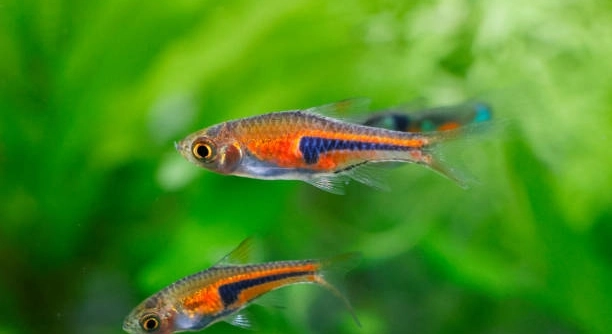
Is your rasbora swimming with its tail pointing downward and struggling to maintain balance? Observing this unusual behavior can be worrying for any fish keeper, as it may indicate that something in the tank is affecting your pet’s well-being.
The primary cause of a rasbora floating tail-down is often swim bladder disorder. This condition affects the fish’s buoyancy and ability to maintain proper orientation, resulting from overfeeding, constipation, infections, or water quality issues that disrupt normal physiological functions.
Identifying the underlying problem quickly can prevent further health complications and restore your fish’s normal swimming behavior in its aquatic environment.
Common Causes of Tail-Down Floating
One of the most frequent reasons your rasbora may float tail-down is swim bladder disorder. This condition affects the fish’s buoyancy, making it difficult to stay upright. Overfeeding can lead to constipation, which puts pressure on the swim bladder, causing imbalance. Poor water quality, including high ammonia or nitrite levels, can also stress the fish and disrupt normal swimming. Sometimes infections or internal parasites interfere with organ function, producing similar symptoms. Tank overcrowding and sudden changes in water temperature may further aggravate the condition. Observing your fish carefully and noting any other abnormal behaviors, such as sluggish movement or loss of appetite, can help pinpoint the underlying issue. Regular maintenance of the tank, including partial water changes and monitoring feeding amounts, plays a significant role in preventing these problems. A consistent routine supports your rasbora’s health and reduces the risk of buoyancy disturbances. Proper diet, clean water, and stable conditions help maintain balance naturally.
Early recognition of these signs allows faster intervention to restore normal swimming behavior.
Addressing the condition involves adjusting feeding practices and improving tank conditions. Start by offering smaller portions and avoiding foods that are difficult to digest. Incorporating a fasting period for a day or two may relieve constipation, easing pressure on the swim bladder. Ensuring stable water parameters, such as temperature, pH, and ammonia levels, is essential. Regular partial water changes remove harmful waste and reduce stress. If infection is suspected, appropriate medication can be administered following careful observation. Isolating affected fish temporarily may prevent potential spread and allow closer monitoring. Keeping decorations and plants arranged to reduce sudden changes in swimming paths helps the fish regain confidence in movement. Patience is crucial, as recovery can take days to weeks depending on severity. Monitoring progress and adjusting care accordingly ensures your rasbora gradually returns to healthy swimming patterns and maintains overall well-being.
Treatment Options and Prevention
Fasting your rasbora for a short period can help relieve swim bladder pressure.
Providing a balanced diet is key to long-term prevention. Offer high-quality, easily digestible foods and avoid overfeeding. Include occasional vegetables like peas after boiling to aid digestion. Monitor portion sizes and feed small amounts multiple times instead of one large meal. Maintaining consistent water parameters prevents stress that may trigger buoyancy problems. Regular water changes, tank cleaning, and observing fish behavior help catch issues early. Quarantining new fish before introduction reduces the risk of introducing infections. Ensuring the tank is not overcrowded gives each fish space to swim freely.
Preventing tail-down floating requires a proactive approach. Keep the tank clean and stable, and provide food that supports healthy digestion. Avoid overfeeding, sudden temperature changes, and overcrowding. Regular observation allows you to notice early signs of stress or illness, which can be addressed before they escalate. A well-maintained environment strengthens your rasbora’s natural resilience and minimizes swim bladder issues. Over time, consistent care habits foster healthy swimming patterns and reduce the risk of buoyancy-related problems. Combining proper diet, clean water, and attention to behavior ensures your fish remains active, balanced, and thriving in its habitat.
Adjusting Feeding Habits
Overfeeding is a major factor in swim bladder issues. Feeding smaller portions several times a day can help prevent constipation and ease pressure on the swim bladder, supporting better balance for your rasbora.
Switching to easily digestible foods can improve your fish’s health. Pellets designed for small tropical fish or frozen foods like daphnia are gentler on the digestive system. Avoid feeding too many flakes at once, as they can swell in the stomach and create blockages. Occasionally offering boiled and peeled peas can help relieve constipation. Observing how your fish responds to dietary changes is important, as improvement may take several days. Consistency in feeding routines reduces stress and promotes healthy buoyancy.
It’s important to monitor both quantity and type of food. Overfeeding not only causes constipation but also affects water quality due to leftover waste. Keeping feeding portions controlled ensures the swim bladder is not under pressure. Alongside diet adjustments, maintaining a clean tank and regular water changes complements these efforts, creating a healthier environment. Monitoring your rasbora’s swimming behavior daily allows you to notice improvements or setbacks and make necessary adjustments to food type or portion size. Patience and careful observation are key for successful recovery.
Improving Water Quality
Stable and clean water is essential for healthy swimming. Ammonia, nitrite, and sudden pH shifts can stress fish, leading to tail-down floating.
Regular partial water changes help maintain safe chemical levels in the tank. Testing water parameters frequently allows you to detect issues before they become serious. Using a reliable filtration system ensures debris and toxins are removed efficiently. Adjusting temperature gradually avoids shocking your fish, as sudden changes may aggravate swim bladder problems. Adding live plants can support water quality by absorbing excess nutrients and providing hiding spots for comfort. Proper aeration ensures sufficient oxygen, reducing stress and promoting normal swimming.
Water quality affects overall health and buoyancy. High ammonia or nitrite levels can weaken your fish’s organs, making it harder to maintain balance. Maintaining consistent temperature and pH prevents unnecessary stress on delicate systems. Even minor fluctuations in water chemistry can exacerbate swim bladder issues, slowing recovery. Establishing a routine for water testing, cleaning, and tank maintenance is crucial. Removing uneaten food and debris promptly reduces harmful bacteria buildup. Ensuring clean and stable water, along with careful monitoring of behavior, helps your rasbora regain normal swimming posture and supports long-term health.
Quarantine and Isolation
Separating affected fish from the main tank can prevent potential infections from spreading. A quarantine tank also allows closer monitoring of your rasbora’s behavior and makes administering treatments easier.
Isolation reduces stress for both sick and healthy fish. The confined space allows you to maintain optimal water conditions and provide focused care without disturbances.
Medications and Treatments
Certain bacterial or parasitic infections can contribute to swim bladder issues. Using medications specifically designed for tropical fish infections can help address these underlying problems. Administer treatments according to instructions, ensuring proper dosage and duration. Monitoring your fish during treatment is essential to track improvements and adjust care if needed.
Observation and Recovery
Careful observation is key to recovery. Watching swimming patterns, appetite, and interactions helps assess if your interventions are effective.
FAQ
Why is my rasbora floating tail-down?
A tail-down position usually indicates a swim bladder problem. This affects buoyancy, making it hard for the fish to maintain a normal swimming posture. Causes include overfeeding, constipation, bacterial infections, poor water quality, and sudden changes in temperature or tank conditions.
Can overfeeding really cause swim bladder issues?
Yes. Overfeeding leads to constipation, which puts pressure on the swim bladder. Feeding smaller portions several times a day and using easily digestible foods can prevent these problems. Occasionally offering boiled peas can help relieve mild constipation.
Will my rasbora recover from swim bladder disorder?
Recovery is possible with proper care. Adjusting diet, maintaining clean water, and addressing infections or parasites improves the fish’s buoyancy. Recovery time varies depending on the severity of the condition and how quickly interventions are applied.
How important is water quality for rasbora health?
Water quality is critical. High ammonia, nitrite, or nitrate levels can stress your fish and worsen swim bladder problems. Consistent water changes, stable temperature, and proper pH balance support overall health and normal swimming behavior.
Should I isolate my rasbora if it shows tail-down floating?
Isolation can be helpful. A quarantine tank reduces stress, prevents potential spread of infection, and allows focused treatment. Monitoring behavior and water parameters in a smaller tank makes it easier to manage the fish’s recovery.
Are there medications for swim bladder problems?
Medications are only useful if an infection or parasite is contributing to the disorder. Antibiotics or anti-parasitic treatments should be used according to instructions. Overuse or incorrect dosing can harm your fish further, so careful observation is necessary.
Can tank decorations affect my rasbora’s swimming?
Yes. Sharp or crowded decorations can stress fish and make swimming awkward, especially for a fish with buoyancy issues. Keeping open swimming areas helps your rasbora regain balance and reduces risk of injury.
Is temperature fluctuation harmful to rasboras?
Sudden temperature changes can stress your fish and contribute to swim bladder problems. Maintaining a stable, appropriate temperature helps prevent additional stress and supports recovery. Gradual adjustments are safer if changes are needed.
How long does it take for a rasbora to recover?
Recovery depends on the cause and severity of the issue. Minor cases from constipation may improve within a few days, while more severe infections or prolonged swim bladder disorders can take weeks. Patience and consistent care are essential.
Can diet alone fix tail-down floating?
Diet plays a major role but may not solve all causes. Overfeeding, constipation, and inappropriate food are common triggers. Adjusting feeding habits, offering easily digestible foods, and fasting for short periods often help, but water quality and medical treatment may also be needed.
What signs indicate improvement?
Improvement is visible when the rasbora starts swimming more steadily, maintaining a horizontal position, and shows normal appetite and activity levels. Gradual progress is common, so continuous observation is necessary to ensure full recovery.
Are young rasboras more prone to swim bladder issues?
Younger fish are slightly more vulnerable because their digestive systems and swim bladder are still developing. Careful feeding, stable water conditions, and monitoring growth can reduce the risk of buoyancy problems.
How do I prevent swim bladder problems long-term?
Maintain clean, stable water, avoid overfeeding, provide easily digestible food, and monitor fish behavior regularly. Quarantining new fish and minimizing stress in the tank helps prevent future tail-down floating. Consistent care is the best preventive measure.
Can multiple factors cause tail-down floating at once?
Yes. Diet, water quality, infection, and environmental stress can combine, making it harder to pinpoint a single cause. A comprehensive approach addressing all potential factors improves the chances of recovery.
When should I consult a professional?
If tail-down floating persists despite dietary adjustments, water quality improvements, and observation, consulting an experienced aquarist or veterinarian is recommended. Persistent or severe cases may require professional diagnosis and treatment.
Can I prevent swim bladder issues with routine care?
Regular tank maintenance, careful feeding, stable water parameters, and monitoring fish health are effective prevention methods. Proactive care reduces the likelihood of swim bladder problems and promotes long-term well-being of your rasboras.
Final Thoughts
Observing a rasbora floating tail-down can be worrying, but understanding the potential causes helps you address the problem effectively. Swim bladder issues are the most common reason for this behavior, often caused by overfeeding, constipation, infections, or poor water quality. Monitoring your fish closely allows you to identify patterns and triggers that may be affecting its swimming. Small adjustments in diet, feeding frequency, and tank conditions can make a significant difference. Maintaining consistent water parameters, performing regular partial water changes, and ensuring the tank is not overcrowded are simple yet effective steps to support your fish’s health. By paying attention to these details, you create a stable and stress-free environment, which is crucial for your rasbora to regain normal buoyancy and overall well-being. Observing how your fish reacts to these adjustments can provide useful insight into its recovery progress.
Diet plays a major role in preventing and correcting tail-down floating. Overfeeding is one of the easiest causes to control, and switching to easily digestible foods helps relieve pressure on the swim bladder. Incorporating small portions multiple times a day rather than large meals reduces the risk of constipation, which is a frequent contributor to buoyancy problems. Occasionally offering boiled peas or specialized foods designed for small tropical fish can help digestion and relieve minor blockages. Paying attention to how your fish responds to these dietary changes is important, as improvement may take several days. Combining a balanced feeding routine with stable tank conditions ensures that your rasbora has the best chance to recover and maintain healthy swimming habits. Small, consistent efforts in diet and care often lead to noticeable improvements without the need for extensive interventions.
Consistency and patience are key to helping your rasbora recover fully. While some cases improve quickly with dietary adjustments and better water quality, more severe swim bladder disorders may require ongoing observation and, in certain cases, medical treatment. Isolating the fish in a quarantine tank when needed reduces stress and allows closer monitoring of its behavior. Keeping track of swimming patterns, appetite, and interaction with other fish helps determine whether interventions are effective. Recovery is gradual, and small daily improvements are positive indicators of progress. By focusing on proper care, maintaining a clean and stable environment, and addressing underlying causes promptly, you can support your rasbora’s health and reduce the risk of recurring buoyancy issues. Consistent, attentive care ensures your fish remains active, balanced, and comfortable in its home.

Hello,
If you enjoy the content that we create, please consider saying a "Thank You!" by leaving a tip.
Every little bit helps us continue crafting quality advice that supports the health, happiness, and well-being of pets around the world, for pets of all shapes, sizes, and species.
We really appreciate the kindness and support that you show us!