
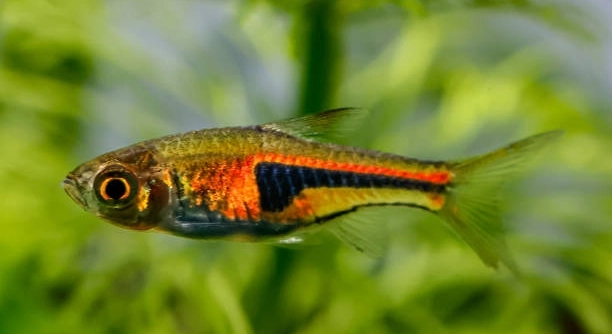
New Rasboras can be shy when first introduced to a tank. Their small size and delicate nature make it important to handle them gently and create a calm environment for adjustment. Observation helps identify their comfort levels early.
Building trust with new Rasboras involves consistent feeding schedules, gentle interactions, and a stable tank environment. Providing hiding spots, maintaining proper water parameters, and minimizing sudden changes reduces stress, allowing Rasboras to feel secure and gradually bond with their caretaker.
Gradually, these small steps will make your Rasboras more confident and responsive, encouraging a peaceful and harmonious aquarium atmosphere for both you and your fish.
Creating a Calm Environment
Rasboras are sensitive to sudden movements and loud noises. Placing the tank in a quiet area helps them feel safe. Soft lighting and minimal disruption reduce stress. Providing plants and decorations gives them hiding spots, which encourages exploration and confidence. Observing their behavior helps you understand when they feel comfortable or stressed. Avoid tapping the glass or making rapid changes to the tank layout, as this can make them retreat and become wary. Consistency in their environment supports natural behavior, including schooling and feeding. Over time, a calm setup encourages Rasboras to interact more openly. They are naturally curious, but only if they feel secure. Small steps, like introducing new plants gradually, help maintain a stress-free habitat. Even subtle adjustments, like regulating water flow, contribute to their sense of safety. Creating a peaceful tank shows patience and helps establish a foundation for trust.
A calm environment reduces fear and promotes consistent behavior in Rasboras, allowing them to adapt more comfortably to their new home.
Maintaining a peaceful tank goes beyond just quiet surroundings. Plants should be dense enough to provide shelter but open areas are also necessary for swimming. Gentle water flow mimics natural habitats and prevents Rasboras from hiding constantly. Gradual light changes, like using a dimmer or avoiding harsh overhead lights, reduce stress and support normal activity patterns. Introducing new objects slowly prevents startling them, while monitoring water parameters ensures they remain healthy. Even feeding routines contribute to calmness; small, frequent meals encourage exploration. Over time, Rasboras learn to associate the tank with safety and nourishment. By observing their behavior, subtle cues like schooling patterns or resting spots indicate trust levels. Building this foundation requires patience, but the result is a harmonious environment where Rasboras thrive, display natural behaviors, and gradually respond to your presence with less fear and more curiosity.
Consistent Feeding Routines
Regular feeding helps Rasboras recognize a dependable source of food, building confidence in their caretaker.
Feeding small amounts at the same time daily reduces stress and encourages natural behavior patterns.
Consistency in feeding strengthens trust by associating your presence with nourishment. Overfeeding should be avoided, as leftover food can affect water quality and cause health issues. Offering a variety of foods, including flakes, micro pellets, and occasional live or frozen options, ensures proper nutrition and keeps them interested in mealtimes. Observing which foods they prefer helps refine feeding practices and fosters interaction. Gradual hand-feeding or placing food near your presence allows Rasboras to associate humans with safety rather than threat. This step-by-step process supports their confidence and willingness to explore the tank. A steady routine signals stability, reducing anxiety from unpredictable conditions. Through consistent care and observation, feeding becomes a key method for building trust, encouraging natural behavior, and promoting a healthy, stress-free environment for your Rasboras.
Gentle Interaction
Rasboras respond best to calm, slow movements around their tank. Quick motions or tapping the glass can startle them, making trust harder to build.
Spending a few minutes each day quietly near the tank allows Rasboras to observe you without fear. Moving slowly when performing maintenance or adding food helps them associate your presence with safety. Over time, they will swim closer during feeding or explore areas near you. Avoid reaching in abruptly or making sudden gestures, as this can undo progress. Gentle interaction requires patience and consistency. Even subtle cues, like approaching the tank at the same time daily, reinforce trust. Regular, careful observation allows you to notice changes in behavior, helping maintain a positive environment. Over weeks, Rasboras begin to anticipate your calm presence, associating it with security and nourishment.
Gradual exposure to your movements reduces stress and encourages Rasboras to engage more naturally with their surroundings, strengthening the bond through repeated, gentle interaction.
Providing Hiding Spots
Rasboras feel safer when they have places to hide and explore, reducing stress and encouraging natural behaviors.
Dense plants, small caves, and floating decorations offer shelter and create a comfortable environment. Hiding spots prevent Rasboras from feeling exposed and overwhelmed, allowing them to venture out at their own pace. The right balance between open swimming areas and cover is essential for their confidence. Introducing new structures gradually avoids startling them. Observing which areas they prefer helps optimize placement and improve the tank layout. Proper hiding spots reduce aggression and allow Rasboras to establish territories or small schools without constant stress. By supporting their need for security, the fish become more willing to explore, feed, and interact with their environment confidently. Over time, Rasboras naturally use these spots to regulate stress, which contributes to overall trust in their caretaker.
Maintaining Stable Water Conditions
Stable water conditions are essential for Rasboras’ health and trust. Sudden changes in temperature, pH, or hardness can stress them, making them wary of their environment.
Regular testing and gradual adjustments help keep water parameters consistent. Using a reliable heater and filter ensures stable conditions, supporting confident and relaxed behavior.
Avoiding Overcrowding
Overcrowded tanks create stress, aggression, and competition for resources. Adequate space allows Rasboras to school naturally and reduces hiding due to fear. Proper stocking ensures each fish has room to swim freely and interact comfortably with their surroundings.
Observing Behavior
Watching Rasboras closely reveals their comfort levels. Signs like schooling, active swimming, and regular feeding indicate trust and low stress, helping you adjust care as needed.
Minimizing Sudden Changes
Rasboras adapt best when tank changes are gradual. Sudden rearrangements or large water replacements can trigger fear, making trust-building slower.
FAQ
How long does it take for Rasboras to trust a new tank?
Rasboras usually start adjusting within a few days, but full trust can take several weeks. Their confidence grows with consistent care, a calm environment, and gradual exposure to new stimuli. Each fish is different, so patience is key.
Can Rasboras recognize their caretaker?
Yes, they can learn to associate regular feeding and gentle movements with safety. Over time, they may swim closer when you approach, especially during feeding, showing they feel secure in your presence.
What foods help build trust with Rasboras?
Small, frequent meals of high-quality flakes, micro pellets, and occasional live or frozen food encourage exploration and interaction. Offering food near your hand or a consistent location helps them associate your presence with nourishment.
How important are hiding spots for trust-building?
Very important. Plants, caves, and decorations provide security, allowing Rasboras to explore at their own pace. Feeling safe reduces stress and helps them respond more confidently to your presence.
Does water quality affect their trust?
Absolutely. Stable temperature, pH, and cleanliness are crucial. Sudden changes stress Rasboras, making them shy and hesitant. Consistent water care supports natural behavior and encourages trust.
How often should I interact with Rasboras?
Daily, short periods of calm observation and feeding work best. Avoid sudden movements or loud noises. Repetition helps them associate you with safety without feeling threatened.
Can Rasboras become social with other fish?
Yes, but it depends on tank mates. Peaceful, similar-sized fish reduce stress and allow Rasboras to feel secure. Overcrowding or aggressive species can hinder trust-building.
What signs show that Rasboras are comfortable?
Active swimming, schooling behavior, regular feeding, and exploring their environment are good indicators. Fish hiding constantly or darting away may need more time to adjust.
Is lighting important for trust-building?
Moderate, gradual lighting helps. Harsh or sudden lights can startle them. Dimmer lights or a slow transition to daylight mimic natural conditions and encourage calm behavior.
How do sudden tank changes affect trust?
Sudden rearrangements, water changes, or adding new fish can stress Rasboras, making them retreat. Gradual adjustments and consistent care maintain their sense of security.
Can hand-feeding help build trust?
Yes. Gently offering food near your hand helps Rasboras associate you with safety and nourishment. Start slowly, allowing them to approach at their own pace.
Should I adjust the tank for each individual Rasbora?
Observing individual preferences for hiding spots, schooling, and swimming areas helps optimize the environment. Minor adjustments improve comfort and trust without disrupting others.
What role does schooling play in building trust?
Rasboras feel safer in groups. Schooling behavior reduces stress and encourages confidence. Supporting natural social interactions strengthens trust with both their environment and caretaker.
How can I reduce fear during maintenance?
Move slowly, keep noise low, and perform changes gradually. Sudden splashes or tapping can undo trust-building efforts. Consistency in routine helps Rasboras remain relaxed.
Do Rasboras react differently to different caretakers?
Yes. Consistency in how someone approaches, feeds, and maintains the tank affects trust. Fish may be more comfortable with one person due to familiarity and routine.
Can temperature fluctuations affect their confidence?
Yes. Rasboras prefer stable, slightly warm water. Sudden changes can cause stress, making them hide and reducing interaction. Maintaining steady conditions supports trust-building.
Is it normal for Rasboras to be shy at first?
Completely normal. Shyness is common in new environments. Patience, stable conditions, and gentle interactions help them become confident over time.
How do I know if trust-building efforts are working?
Indicators include approaching during feeding, exploring open areas, swimming actively, and reduced hiding. Consistent positive behavior shows growing comfort with their environment and caretaker.
Can Rasboras be trained to respond to signals?
Yes. Repetition of feeding cues, like tapping lightly or approaching at set times, helps them associate signals with food and safety. This gradual training strengthens trust.
What is the biggest factor in building trust?
Patience, consistency, and creating a calm, safe environment are the most important. Combining gentle interactions, stable water, and proper feeding leads to confident, trusting Rasboras.
Are there any foods to avoid when building trust?
Avoid overfeeding or foods that dirty the water quickly, as poor water quality increases stress. Stick to small, nutritious portions to maintain health and confidence.
Can adding new fish disrupt trust?
Yes. Introducing new tank mates can create stress and alter social dynamics. Ensure new fish are peaceful and gradually integrate them to minimize disruption.
How long should I spend observing Rasboras each day?
Short, calm sessions of 10–15 minutes are sufficient. Focus on their behavior without sudden movements, allowing them to adjust naturally while reinforcing trust.
Does tank size affect trust-building?
Yes. A spacious tank reduces competition and stress, allowing Rasboras to explore and school comfortably. Crowded conditions hinder natural behavior and slow trust development.
What role does water flow play in confidence?
Moderate, gentle water flow mimics natural conditions. Strong currents can cause stress, making Rasboras hide. Proper flow supports swimming and reduces anxiety.
Can stress undo trust-building?
Yes. Loud noises, sudden changes, or aggressive tank mates can cause Rasboras to retreat. Maintaining calm, consistent care prevents setbacks and reinforces positive behavior.
How can I tell if Rasboras are stressed?
Signs include hiding constantly, clamped fins, erratic swimming, or refusing food. Addressing environmental or social factors helps restore confidence and trust.
Is it necessary to handle Rasboras directly?
No. Minimal handling is best. Trust is built through consistent observation, feeding, and calm interaction rather than physical contact, which can stress small fish.
Do Rasboras ever fully trust humans?
They can become comfortable with your presence, especially during feeding and routine care. While they remain naturally cautious, consistent calm interaction builds reliable confidence over time.
Can water temperature changes be used for acclimation?
Gradual acclimation is safe, but abrupt changes cause stress. Slowly adjusting temperature during tank introductions supports trust and reduces fear responses.
Are all Rasboras equally easy to trust?
No. Individual temperament varies. Some may be bold and curious, while others remain shy. Observing each fish and adjusting care to its needs ensures gradual trust-building.
Does tank decoration affect trust?
Yes. Balanced decorations with hiding spots and open swimming areas support confidence. Sudden rearrangements can increase stress, while stable layouts help Rasboras feel secure.
How do I introduce new plants or decorations?
Add them gradually, allowing fish to explore at their own pace. Sudden changes may trigger hiding or stress. Gradual exposure supports comfort and ongoing trust.
Can Rasboras be stressed by reflections or outside movement?
Yes. Reflections or frequent activity near the tank may cause fear. Positioning the tank in a quieter area reduces unnecessary stress.
Is feeding at the same time every day important?
Consistency signals reliability and safety. Regular feeding routines help Rasboras associate your presence with nourishment and comfort, reinforcing trust over time.
Can Rasboras be trained to eat from my hand?
Yes. Start slowly, placing food near your hand and allowing them to approach. Repetition encourages association of your presence with safety and food.
What is the best way to maintain trust long-term?
Maintain stable water conditions, consistent feeding, gentle interaction, and a safe tank layout. Observing behavior and making gradual changes ensures Rasboras remain confident and stress-free.
Do Rasboras prefer certain tank mates for trust-building?
Peaceful, similar-sized fish are ideal. Aggressive or large species can cause stress and slow trust-building, while calm tank mates encourage natural schooling and exploration.
How can I help a shy Rasbora gain confidence?
Provide hiding spots, maintain a calm environment, interact gently, and feed consistently. Gradual exposure to the surroundings encourages exploration and builds trust.
Can Rasboras sense stress from their caretaker?
Yes. Sudden movements or loud noises can make them wary. Calm, deliberate actions help them feel secure and support trust-building.
Are live plants better than artificial for trust?
Both provide hiding spots, but live plants offer natural water filtration and more realistic cover. They contribute to a stable, comfortable environment, supporting Rasboras’ confidence.
Is schooling necessary for trust?
Yes. Being in a group reduces stress and allows Rasboras to feel secure. Proper schooling supports confidence and encourages normal behavior patterns.
Can seasonal changes affect trust?
Light and temperature changes can influence behavior. Gradual adjustments maintain stability, ensuring Rasboras remain comfortable and confident throughout the year.
How do I handle water changes without stressing Rasboras?
Perform partial changes slowly, avoid splashing, and maintain stable temperature. Gradual adjustments preserve trust and reduce fear.
Can Rasboras become accustomed to feeding times?
Yes. Regular schedules allow them to anticipate food, strengthening the association between your presence and nourishment. This builds comfort and reliability.
How do I know if my trust-building is effective?
Rasboras swimming openly, approaching during feeding, schooling naturally, and exploring their environment indicate growing confidence and comfort in their tank and with you.
What is the most common mistake when building trust?
Rushing interactions, making sudden changes, or inconsistent care increases stress. Patience, gradual exposure, and stable conditions yield better results.
Can Rasboras recognize objects in their tank?
Yes. Familiar plants, rocks, and decorations provide comfort. Gradual changes support adaptation and prevent stress.
How can I balance exploration and hiding?
Provide both open swimming areas and secure hiding spots. This balance allows Rasboras to regulate stress and gradually build trust in their surroundings.
Do Rasboras show individual personalities?
Yes. Some are naturally bolder or more curious. Recognizing these differences helps tailor interactions and build trust effectively for each fish.
How often should I rearrange the tank?
Minimal changes are best. Frequent rearrangements can increase stress and slow trust-building. Gradual adjustments maintain comfort and confidence.
Is it better to use a filter or air stone for Rasboras?
Filters are essential for clean water, while air stones provide gentle circulation. Avoid strong currents that can stress them, supporting calm behavior and trust.
Can Rasboras live alone?
They are schooling fish and prefer groups. Isolation increases stress and reduces confidence, making trust-building slower and more difficult.
What is the ideal temperature range for Rasboras?
A stable range of 74–80°F supports comfort and normal behavior. Gradual acclimation is important to prevent stress and maintain trust.
How do I introduce new Rasboras to an established tank?
Quarantine first, then slowly acclimate using a drip or float method. Gradual introduction reduces stress and helps build trust in the new environment.
Can bright colors in the tank stress Rasboras?
Harsh or overly bright colors can make them nervous. Natural tones and gentle lighting create a comfortable environment for confident behavior.
How do I know if they are stressed after a change?
Hiding, clamped fins, darting, or refusing food indicate stress. Adjust the environment or routine gradually to restore comfort and trust.
Does tank temperature fluctuate at night affect them?
Minor fluctuations are natural, but extreme changes can stress Rasboras. Maintaining steady conditions promotes confidence and stability.
Can I use feeding cues to reinforce trust?
Yes. Consistent visual or auditory signals paired with food help Rasboras associate your presence with safety and nourishment.
Is water hardness important for trust-building?
Yes. Sudden changes in hardness can stress them. Maintaining a stable, suitable range supports natural behavior and confidence.
How do I handle aggression from other fish?
Separate aggressive tank mates and provide hiding spots. Reducing stressors allows Rasboras to regain confidence and maintain trust.
Can Rasboras live in a community tank?
Yes, if tank mates are peaceful and similar in size. Stress-free interactions help build confidence and maintain trust.
Are Rasboras more active during certain times of day?
They tend to be more active during daylight hours with gentle lighting. Consistent cycles encourage natural behavior and confidence.
Do decorations affect schooling behavior?
Yes. Open swimming areas support schooling, while hiding spots provide security. A balanced layout promotes natural interaction and trust-building.
Can Rasboras be stressed by reflections or windows?
Yes. Reflections or frequent outside movement can cause fear. Placing the tank in a quiet location reduces unnecessary stress and supports confidence.
How do I prevent overfeeding while building trust?
Feed small portions multiple times a day. Avoid leaving excess food, which can affect water quality and increase stress, hindering trust.
Is patience the most important factor?
Yes. Trust develops gradually. Consistency, gentle care, and stable conditions create a confident, secure environment for Rasboras to thrive.
How long does trust last once built?
With consistent care, trust remains stable. Stressful events or sudden changes can temporarily reduce confidence, but gradual restoration rebuilds comfort.
Can Rasboras adapt to new tank setups?
Yes, if changes are gradual. Providing familiar hiding spots, stable water, and gentle interaction ensures confidence is maintained.
Do they respond to different feeding methods?
Yes. Flakes, pellets, and live or frozen foods work. Consistent placement and timing reinforce trust and positive associations.
Are Rasboras sensitive to loud noises?
Yes. Loud sounds can startle them, making them hide. A calm environment supports confidence and reduces stress.
How do I know when to adjust care routines?
Observe behavior. Signs of stress, hiding, or lack of feeding indicate adjustments are needed to maintain trust and comfort.
Can Rasboras recover trust after a stressful event?
Yes. Gradual reintroduction, calm interaction, and consistent care restore confidence over time. Patience is essential.
Do water changes affect schooling behavior?
Sudden or large water changes can disrupt schooling. Gradual adjustments preserve comfort, natural behavior, and trust in the environment.
Is it better to feed in one spot or multiple spots?
One consistent location helps them associate a safe area with food. This reduces stress and reinforces trust in their caretaker.
Can Rasboras detect changes in lighting quickly?
Yes. Sudden bright lights can cause hiding or stress. Gradual light transitions support natural behavior and confidence.
How does tank size influence trust-building speed?
Larger tanks with adequate hiding spots and swimming space allow Rasboras to explore confidently. Crowded conditions increase stress and slow trust development.
What is the best approach for introducing new decorations?
Add them slowly and monitor behavior. Gradual changes prevent stress and support trust-building.
Do Rasboras prefer certain plants over others?
Dense, leafy plants provide comfort and security, while open spaces allow swimming. A balanced layout encourages natural behavior and confidence.
Can Rasboras sense changes in caretaker behavior?
Yes. Sudden movements, loud voices, or irregular routines can stress them. Calm, consistent behavior supports trust.
Is schooling more effective in groups of a certain size?
Groups of at least six help Rasboras feel secure. Smaller numbers may increase stress, while larger groups support natural social behavior and confidence.
Can I mix different Rasbora species?
Yes, if they have similar temperaments and sizes. Peaceful combinations reduce stress and support confidence in the tank.
Do seasonal water temperature changes affect trust?
Gradual seasonal changes are manageable, but sudden extremes can cause stress. Maintaining stable conditions promotes ongoing comfort and trust.
How can I tell if a Rasbora is ready to explore open areas?
When they leave hiding spots, swim confidently, and interact with tank mates, it shows growing trust and comfort in their environment.
Does tank maintenance frequency affect trust?
Yes. Consistent, gentle maintenance reduces stress. Sudden, infrequent interventions can startle Rasboras and hinder trust-building.
How do I prevent aggression affecting trust?
Choose peaceful tank mates, provide hiding spots, and observe interactions. Reducing stressors ensures Rasboras feel secure and confident.
Can Rasboras adapt to different tank layouts?
Yes, if changes are gradual. Familiar hiding spots, stable water, and gentle interaction maintain comfort and trust.
Is the caretaker’s presence always necessary for trust?
Not always. Consistency in feeding, environment, and calm interactions is enough. Presence strengthens associations with safety and reliability.
Do Rasboras react differently to various foods?
Yes. They may prefer flakes, pellets, or live/frozen foods. Offering variety encourages exploration and positive associations with feeding times.
Can bright tank decorations stress them?
Overly bright or reflective items can startle Rasboras. Natural colors and gentle lighting help them feel safe and confident.
Are Rasboras more active at specific times?
Daylight hours with gentle lighting promote activity. Consistent cycles support natural behavior and trust-building.
How can I maintain trust with multiple caretakers?
Consistency is key. Everyone should follow the same feeding, maintenance, and interaction routines to prevent stress and confusion among Rasboras.
Do Rasboras ever ignore food as a sign of stress?
Yes. Loss of appetite often indicates stress, illness, or environmental issues. Addressing these factors restores confidence and trust over time.
Is it better to introduce one new Rasbora at a time?
Yes. Gradual introductions reduce stress, allow monitoring of interactions, and help maintain trust in established fish.
Can Rasboras become dependent on seeing the caretaker?
They may associate feeding with your presence, but they can remain confident in a consistent, well-maintained environment without constant interaction.
How do I prevent water parameter swings from affecting trust?
Regular testing, partial water changes, and stable heating maintain ideal conditions, supporting calm behavior and confidence in Rasboras.
Does Rasbora size influence trust-building?
Smaller, younger fish may be more cautious, while mature fish are often bolder. Patience and consistent care help all ages build confidence.
Can I use a tank cover to reduce stress?
Yes. Covers reduce light glare and outside disturbances, creating a secure environment that supports exploration and trust.
Do Rasboras prefer slow or fast water movement?
Moderate to gentle flow is best. Strong currents can stress them, making them hide and slowing trust-building
Building trust with Rasboras requires patience, consistency, and attention to their environment. These small, delicate fish are naturally cautious, and sudden changes can make them shy or stressed. Maintaining stable water conditions, providing proper hiding spots, and establishing regular feeding routines are essential steps to help them feel secure. By approaching interactions calmly and observing their behavior, you allow Rasboras to become comfortable at their own pace. Over time, this careful and steady approach creates a peaceful atmosphere in the tank, where they can display natural behaviors such as schooling, exploring, and feeding without fear. It is important to remember that trust does not develop overnight, and small, incremental efforts are more effective than abrupt actions. Each Rasbora may respond differently depending on its temperament, so tailoring your care to the needs of each fish can make a significant difference in how quickly they gain confidence and start interacting with their surroundings.
Consistent care is one of the most important factors in maintaining a trusting relationship with Rasboras. Regular feeding schedules help them associate your presence with nourishment and safety. Likewise, keeping the water clean and ensuring that temperature, pH, and other parameters remain stable prevents stress and supports healthy behavior. Providing hiding places with plants, rocks, or decorations allows them to regulate their own stress and gradually explore open areas. Observing their patterns and responses can help identify which areas of the tank they feel most comfortable in, allowing you to make small adjustments that enhance their sense of security. Gentle interaction, such as moving slowly when performing maintenance or adding food, reinforces this trust over time. By combining these elements—stable water conditions, a structured environment, and careful handling—you create a strong foundation that allows Rasboras to thrive while developing confidence in their caretaker.
Trust-building with Rasboras is a gradual process, but the rewards are noticeable. Confident, comfortable Rasboras display more natural behaviors, swim actively in schools, and interact with their environment without fear. They become easier to feed, observe, and enjoy as part of the aquarium, creating a more harmonious and balanced tank. Even small improvements, such as approaching the tank calmly or adding a new hiding spot slowly, contribute to a sense of stability and comfort. Understanding their needs and respecting their cautious nature leads to a positive experience for both the fish and the caretaker. Ultimately, patience, observation, and consistent care form the cornerstone of building trust with Rasboras. By applying these simple but deliberate practices, the fish gradually learn to feel safe, confident, and secure in their habitat, resulting in a thriving, peaceful aquarium where they can flourish.

Hello,
If you enjoy the content that we create, please consider saying a "Thank You!" by leaving a tip.
Every little bit helps us continue crafting quality advice that supports the health, happiness, and well-being of pets around the world, for pets of all shapes, sizes, and species.
We really appreciate the kindness and support that you show us!