
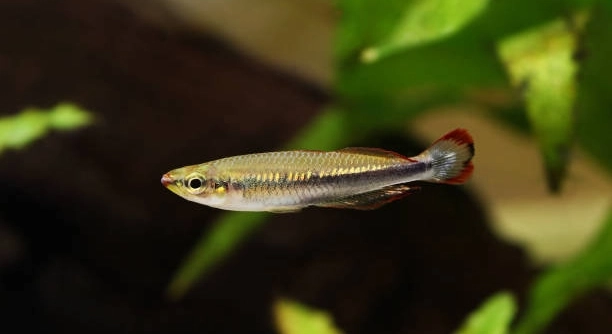
Is your rainbowfish spending most of the day motionless at the bottom of the tank? Observing this unusual behavior can be worrying, especially when your aquatic companion usually swims energetically and interacts with its environment.
Rainbowfish often stay still due to stress, poor water quality, or illness. Changes in temperature, pH imbalance, or insufficient oxygen can affect their activity. Monitoring the tank environment and health indicators is essential for maintaining their normal behavior.
Learning the causes behind this stillness helps ensure your rainbowfish stays healthy and active. Proper care and observation can prevent further complications in their habitat.
Common Reasons for Rainbowfish Staying Still
Rainbowfish may remain motionless for several reasons, most often linked to their environment or health. Water quality is a major factor. Poor filtration, high ammonia levels, or sudden changes in temperature can make them lethargic. In addition, insufficient oxygen in the tank can lead to prolonged stillness. Stress caused by overcrowding or aggressive tank mates also affects their behavior. Even small changes, like rearranging decorations or introducing new fish, can make rainbowfish pause and hide. Nutrition plays a role too. An imbalanced diet lacking essential nutrients can reduce activity levels. Illnesses such as infections or parasites often present subtle signs, including unusual stillness. Observing fin condition, coloration, and respiration helps identify potential issues early. Regular tank maintenance and careful monitoring of environmental factors are essential. Providing a stable, well-maintained habitat with clean water, proper temperature, and suitable companions supports healthy swimming behavior and prevents prolonged inactivity.
Monitoring water quality and diet closely ensures rainbowfish maintain normal energy levels and reduces stress-related stillness in the tank.
Consistently checking your rainbowfish’s environment helps prevent prolonged inactivity. Simple routines like testing water parameters, changing water regularly, and feeding balanced meals improve overall health. Adding hiding spots and maintaining proper tank temperature encourages natural swimming. Observing behavior daily allows early detection of stress or illness, enabling timely intervention. Even minor adjustments in lighting, tank decorations, or tank mate interactions can influence activity. Over time, these careful measures reduce stillness, promote swimming, and help rainbowfish thrive.
Signs of Stress and Illness
Lethargy, loss of appetite, or faded colors often indicate stress or health problems.
Stress or illness can stem from poor water conditions, disease, or injury. Common infections include fin rot or internal parasites. When rainbowfish are unwell, they may cling to the bottom, avoid food, or isolate themselves. Behavioral changes, like erratic swimming or rapid gill movement, are warning signs. Early detection is vital for recovery. Quarantining sick fish and addressing water issues helps prevent spread. Providing a balanced diet and maintaining clean, stable conditions reduces stress. In some cases, consulting an aquatic veterinarian may be necessary for diagnosis and treatment. Observing your rainbowfish closely allows you to respond quickly and maintain their health. Proper care and attention support their natural activity and vibrant appearance, ensuring they remain lively and healthy in the tank.
Adjusting Water Conditions
Maintaining stable water conditions is crucial for rainbowfish activity. Sudden temperature changes, high ammonia, or fluctuating pH levels can stress them, causing stillness. Regular water testing and partial water changes keep the environment healthy. Proper aeration ensures oxygen levels remain adequate for active swimming.
Keeping the tank temperature consistent between 24–28°C helps rainbowfish remain active. Sudden drops or spikes can shock them, making them hide or stay still. Filtration should remove waste effectively, while partial water changes reduce harmful chemicals. Testing pH, ammonia, nitrite, and nitrate regularly helps maintain a safe environment. Gentle aeration and proper circulation prevent oxygen depletion. Avoid overcrowding, as excess fish can lead to stress and inactivity. Observing swimming patterns daily allows quick detection of problems. Proper tank setup encourages healthy behavior, reduces stress, and supports vibrant colors.
Even minor adjustments can make a big difference. Rearranging decorations gradually and keeping lighting consistent reduces stress. Introducing tank mates slowly prevents aggression. Balanced feeding schedules maintain energy levels. Hiding spots provide security without restricting movement. Monitoring fish closely allows early response to changes.
Feeding and Nutrition
Rainbowfish require a balanced diet to stay healthy and active. Poor nutrition often results in lethargy and reduced swimming.
A mix of high-quality flakes, pellets, and occasional live or frozen foods provides necessary protein, vitamins, and minerals. Overfeeding can pollute water, while underfeeding weakens them. Feeding small amounts multiple times a day supports natural activity. Observation helps ensure they eat properly and maintain energy. Supplements like spirulina or daphnia can enhance health and color. Consistency in diet prevents stress and supports normal behavior.
Feeding habits also influence swimming patterns. Uneaten food should be removed to avoid contamination. Introducing variety in diet encourages natural foraging behavior and keeps rainbowfish engaged. Proper nutrition, combined with clean water, stable temperature, and a safe environment, promotes overall vitality. Over time, attentive feeding routines help rainbowfish regain energy and display normal swimming, reducing prolonged stillness. Balanced nutrition ensures they remain lively, colorful, and resilient to stress or minor illnesses.
Tank Environment and Decorations
Crowded tanks or lack of hiding spots can make rainbowfish stay still. Proper space and well-placed decorations reduce stress. Providing plants, rocks, or caves allows them to explore safely while feeling secure in their surroundings.
Sharp or rough decorations can injure fish, causing them to hide. Smooth surfaces and careful placement prevent accidents. Maintaining a clean tank with adequate swimming space encourages natural activity and reduces stillness.
Lighting and Temperature
Lighting and temperature directly affect rainbowfish behavior. Too bright or inconsistent light can stress them, while sudden temperature changes cause lethargy. Maintaining a regular day-night cycle and stable temperatures promotes normal swimming and reduces inactivity. Consistent conditions help rainbowfish feel secure and energetic.
Monitoring Behavior
Observe rainbowfish daily to identify unusual activity patterns. Changes in swimming, appetite, or coloration indicate stress or illness. Early detection allows timely intervention, supporting health and preventing prolonged inactivity. Regular observation is key to maintaining a healthy and active tank.
Disease Prevention
Preventing disease starts with clean water, proper diet, and quarantine for new fish. Healthy conditions reduce the risk of infection. Routine checks for signs of illness allow early treatment, keeping rainbowfish active and vibrant in the tank.
FAQ
Why is my rainbowfish staying still at the bottom of the tank?
Rainbowfish may stay at the bottom due to stress, poor water conditions, or illness. Sudden temperature changes, high ammonia, low oxygen, or aggressive tank mates can cause them to hide. Observing water quality, tank setup, and behavior can help identify the reason.
Is it normal for rainbowfish to rest for long periods?
Rainbowfish do rest occasionally, especially at night or after eating. Short periods of stillness during the day can be normal. However, if they remain motionless for most of the day, it usually indicates stress, poor water quality, or potential illness.
How can I improve my rainbowfish’s activity?
Maintaining stable water temperature, proper pH, and clean water encourages movement. Providing adequate space, hiding spots, and balanced feeding routines helps them feel secure and energetic. Monitoring behavior daily ensures early detection of stress or illness.
Could my rainbowfish be sick?
Lethargy, loss of appetite, faded colors, clamped fins, or rapid gill movement often signal illness. Common issues include fin rot, bacterial infections, or parasites. Quarantining affected fish, improving water conditions, and seeking professional advice help prevent worsening.
How often should I test my tank water?
Testing water at least once a week is recommended. Check ammonia, nitrite, nitrate, and pH levels. Regular testing ensures stable conditions and prevents stress-related inactivity. Partial water changes maintain safe chemical levels and promote overall health.
Can stress from tank mates cause stillness?
Yes. Aggressive or overly active tank mates can intimidate rainbowfish, leading to hiding or prolonged stillness. Providing sufficient space and introducing new fish gradually helps reduce stress. Proper selection of compatible species encourages normal activity.
Does diet affect rainbowfish behavior?
Nutrition directly impacts energy levels. An unbalanced diet lacking protein or essential vitamins may result in lethargy. Feeding a mix of high-quality flakes, pellets, and occasional live or frozen foods supports health, energy, and natural swimming behavior.
How do I know if water temperature is too high or low?
Rainbowfish thrive between 24–28°C. Temperatures outside this range can cause stress or lethargy. Use a reliable thermometer to monitor daily. Gradual changes are less stressful than sudden shifts, which may lead to prolonged inactivity.
Can lighting affect activity levels?
Yes. Too bright or inconsistent lighting can stress rainbowfish. A stable day-night cycle encourages natural behavior. Avoid sudden exposure to intense light, and provide shaded areas or plants for comfort. Proper lighting supports normal swimming patterns.
What should I do if my rainbowfish remains still after adjustments?
If proper water conditions, diet, and environment do not improve activity, consult an aquatic veterinarian. Persistent stillness may indicate underlying health issues that require professional treatment. Early intervention prevents complications and supports recovery.
Are there behavioral signs that indicate recovery?
Increased swimming, brighter coloration, active feeding, and exploring the tank suggest improvement. Gradual return to normal routines indicates the fish is adapting to a healthier environment and recovering from stress or illness.
How can I prevent my rainbowfish from becoming inactive in the future?
Maintain consistent water quality, stable temperature, balanced diet, and a stress-free environment. Regular observation, proper tank mates, and appropriate decorations keep rainbowfish healthy, active, and vibrant over time. Prevention is simpler than treatment for prolonged stillness.
Is it safe to introduce new fish while my rainbowfish is inactive?
It’s better to stabilize the inactive fish first. Adding new fish can increase stress and worsen inactivity. Quarantine new additions and ensure the existing rainbowfish is healthy before introducing changes to the tank.
How long does it take for rainbowfish to recover from stress?
Recovery varies depending on the cause and severity. Minor stress from environmental changes may improve within days, while illness-related inactivity can take weeks. Consistent care, proper diet, and clean water accelerate recovery.
Can water flow impact rainbowfish activity?
Yes. Strong currents may tire rainbowfish or cause them to hide. Gentle, moderate flow allows natural swimming without forcing constant exertion. Adjust filtration and circulation to match the species’ comfort level.
What role do hiding spots play in activity?
Hiding spots provide security, reducing stress and encouraging exploration. Plants, caves, or rocks let rainbowfish rest safely and gradually increase movement. Lack of hiding places can lead to prolonged stillness due to fear or insecurity.
How important is tank size for active rainbowfish?
Adequate space is essential. Overcrowding limits movement and increases stress, causing stillness. Larger tanks with proper swimming areas allow rainbowfish to exhibit natural behaviors and maintain health. Minimum tank size recommendations vary by species.
Should I monitor rainbowfish behavior after medication?
Yes. Medication can temporarily affect activity and appetite. Observing behavior ensures proper recovery and identifies any side effects. Adjusting treatment or tank conditions may be necessary to support healing and restore normal swimming.
Are there seasonal changes that affect rainbowfish activity?
Temperature fluctuations or changes in daylight can influence behavior. Maintaining consistent conditions throughout the year minimizes stress. Adjust heating, lighting, and feeding to match seasonal variations while keeping stability for active swimming.
How do I distinguish between normal resting and unhealthy stillness?
Short periods of rest, usually at night or after feeding, are normal. Prolonged stillness during the day, loss of appetite, color fading, or erratic swimming indicates stress or illness. Careful observation helps differentiate healthy rest from concerning inactivity.
Final Thoughts
Rainbowfish are active, colorful fish that thrive in stable, well-maintained environments. Observing them staying still for long periods can be concerning, but this behavior is often a sign that something in their habitat or health needs attention. Common factors that affect their activity include water quality, temperature, lighting, diet, and tank mates. Consistently poor conditions, sudden changes, or illness can lead to prolonged stillness. Maintaining clean water, stable temperature, and balanced nutrition helps rainbowfish stay energetic and healthy. Monitoring water parameters regularly, including pH, ammonia, nitrite, and nitrate levels, is essential to prevent stress and encourage natural swimming patterns. Even small improvements in tank care can make a noticeable difference in their activity and overall well-being.
Stress and illness are frequent reasons rainbowfish remain motionless. Lethargy, clamped fins, faded colors, and reduced appetite are key indicators that intervention is needed. Providing adequate hiding spots and sufficient swimming space can reduce stress caused by tank mates or overcrowding. Quarantining new fish before introducing them to the main tank prevents the spread of disease. Balanced feeding routines, including a mix of high-quality flakes, pellets, and occasional live or frozen foods, support their energy levels and health. Observing behavior daily allows early detection of problems, making treatment more effective. Small adjustments in tank setup, lighting, or water flow can significantly improve comfort and encourage more natural movement. Paying attention to these details ensures rainbowfish remain lively, vibrant, and less prone to inactivity.
Consistency in care is key to preventing prolonged stillness and supporting long-term health. Regular water changes, stable environmental conditions, and attentive feeding routines create a safe and predictable habitat. Monitoring behavior helps identify stress, illness, or environmental issues before they worsen. By providing clean water, proper nutrition, sufficient space, and compatible tank mates, rainbowfish can regain and maintain normal activity. Small, thoughtful changes to tank conditions or diet often produce noticeable improvements. The goal is to create an environment that supports their natural behavior, encourages swimming, and minimizes stress. With careful observation and consistent care, rainbowfish can remain active, healthy, and visually vibrant, making them rewarding and enjoyable inhabitants of the aquarium.

Hello,
If you enjoy the content that we create, please consider saying a "Thank You!" by leaving a tip.
Every little bit helps us continue crafting quality advice that supports the health, happiness, and well-being of pets around the world, for pets of all shapes, sizes, and species.
We really appreciate the kindness and support that you show us!