
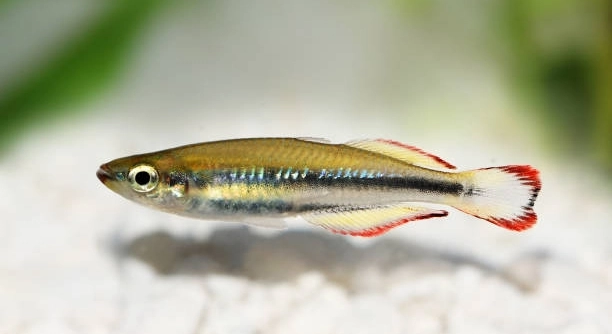
Have you ever watched rainbowfish gliding through the water and found yourself curious about what happens when they rest at night, noticing how their bright eyes never seem to close even during their quiet moments.
Rainbowfish experience periods of reduced activity that function as sleep, however their eyes remain open because they lack eyelids. This resting state allows them to conserve energy while staying alert to changes in their surroundings within their aquatic environment daily.
Learning how rainbowfish rest can help you understand their natural behavior better, creating a clearer view of peaceful underwater routines.
How Rainbowfish Rest
Understanding how rainbowfish rest can help you care for them with more confidence. Their resting habits are different from many land animals, and noticing these patterns can make your time observing them feel more meaningful. Rainbowfish slow down during quiet periods, often hovering calmly in the middle or lower sections of their tank. Their colors may appear slightly muted, and their movements become gentle and steady. Even though their eyes stay open, their bodies shift into a relaxed state that supports energy conservation. When the lights dim or the surroundings grow still, they settle into this restful rhythm naturally. Watching these small changes can teach you a lot about their comfort levels and overall well-being. If a rainbowfish seems restless or overly active at night, it may be reacting to bright lighting, sudden noise, or inconsistent water conditions. Keeping their environment stable helps them maintain peaceful rest each day too.
A calm resting pattern shows that your rainbowfish feels secure in its space. When their environment remains steady, they settle into predictable routines that support their health. Soft lighting, clean water, and consistent temperatures create the gentle conditions they need to rest without stress in their tank each night naturally.
Creating a calm environment for your rainbowfish starts with simple adjustments. Reducing harsh lighting helps them wind down, and keeping noise to a minimum prevents sudden disturbances. A steady temperature also makes a noticeable difference, giving them a stable space where they can rest comfortably. Adding plants or decorations offers gentle cover that encourages natural settling habits. When the tank feels peaceful, rainbowfish display smoother movements and more consistent resting cycles. Small efforts like regular maintenance and thoughtful lighting choices can support their comfort and make your care routine feel more rewarding as you notice positive changes in their behavior.
Factors That Influence Their Rest
Several elements in a rainbowfish tank can influence how well they rest. Light levels, tank mates, and overall layout all play a role in shaping their nightly patterns. When these factors align gently, rainbowfish settle into calming rhythms that reflect their comfort within their quiet evening routine every single day.
Maintaining consistent conditions in the tank is one of the most effective ways to support healthy resting behavior in rainbowfish. Stable water quality allows them to move freely without reacting to sudden shifts that could disturb their calm periods. Regular filter checks, gentle water changes, and monitoring basic parameters create a predictable environment they can trust. Lighting also shapes their resting patterns, since bright lights can keep them alert for longer than needed. Using softer lighting during the evening gives them time to slow their movements and ease into their natural rhythms. Tank mates should be chosen with care because overly active or aggressive fish can interrupt their stillness. Peaceful companions help maintain a soothing atmosphere that encourages proper rest. Decorations and plants are helpful too, offering shaded spaces where rainbowfish can hover comfortably when they settle. When these elements work together, rainbowfish show steady breathing, slower fin movement, and relaxed positioning during their quiet periods. Paying attention to these small details not only helps them rest better but also gives you a clearer sense of their overall well-being each day. These gentle adjustments create an environment that supports consistent rest and stable habits for your fish over time daily.
Signs of Healthy Rest
Healthy rest in rainbowfish shows through calm hovering, steady breathing, and smooth fin movement. Their colors may soften slightly, and they avoid sudden bursts of activity. When they feel secure, they settle into gentle routines that help them maintain balanced energy each day with ease.
Stable behavior during quiet periods often reflects proper conditions in their tank. When a rainbowfish rests well, it moves with soft, controlled motions and chooses peaceful areas to settle. Clean water, steady temperature, and thoughtful lighting all support this natural behavior. If you notice them drifting calmly without signs of stress, it usually means their environment feels safe. Consistency plays a major role in sustaining these patterns, and even small changes in noise or brightness can influence how they rest. Watching for these signs helps you understand their needs more clearly and adjust their care gently when necessary.
Recognizing healthy rest becomes easier when you pay attention to the subtle details. Rainbowfish that feel comfortable will maintain a relaxed posture, often holding a steady position without rapid fin fluttering. Their breathing stays even, and they show no signs of irritation or frantic movement. When the tank remains peaceful, these patterns stay consistent through the night. Providing plants or decorations gives them soft areas to hover without interruption. Gentle maintenance routines and predictable lighting play a key role in supporting this calm state. When these elements work together, your rainbowfish can fully settle into their natural rhythm.
When Resting Habits Change
Changes in resting habits often point to shifting conditions in the tank. Increased pacing, rapid fin movement, or difficulty settling may signal discomfort. These signs usually appear when lighting is too bright, water parameters fluctuate, or tank mates create unnecessary stress within their shared space.
Addressing changes in resting behavior starts with reviewing the basics. Testing the water helps you identify imbalances that may affect their comfort, while checking equipment ensures everything runs smoothly. Observing interactions between tank mates can reveal whether one fish is causing disturbances that interrupt resting periods. Adjusting lighting to create a softer evening environment can also reduce tension and help them ease back into calmer routines. Adding plants or quiet hiding spaces supports their sense of security. When you make gentle adjustments and watch their response, you can often restore stable resting patterns without major changes. This careful attention helps maintain their comfort and supports their overall health in a simple, steady way.
How Tank Conditions Affect Their Stillness
Water stability influences how easily rainbowfish settle during quiet periods. When temperature, pH, and cleanliness stay consistent, they hover peacefully without stress. Sudden shifts can make them restless, causing quick movements or difficulty maintaining their usual calm resting patterns each evening.
Lighting also shapes how smoothly they relax. Bright or inconsistent lights can disrupt their natural rhythm, keeping them alert for too long. Softer lighting encourages slower movements and gives them a comfortable signal that it is time to settle, helping them maintain a steady resting routine.
Understanding Stress Signals
Rainbowfish show stress through frantic swimming, rapid breathing, or sudden color changes. These signs often appear when their environment feels unstable or overstimulating. Watching closely for these shifts helps you adjust their care before discomfort grows, supporting steadier patterns and more predictable resting habits in their daily routine.
When They Need Extra Support
Some rainbowfish need added help settling when recovering from disturbances or environmental changes. A quieter space, soft lighting, and clean water can guide them back into calmer rhythms, allowing their bodies to ease into stable rest without unnecessary strain or tension in their surroundings.
FAQ
Do rainbowfish sleep at night like other fish?
Rainbowfish settle into a restful state during the night, slowing their movements and hovering calmly in preferred spots. They do not fall asleep the way mammals do, but they enter a reduced activity period that helps them conserve energy. Their eyes remain open because they lack eyelids, but their bodies clearly shift into a quieter rhythm. When the tank is calm, they ease into this state naturally, especially when lighting is softer and their environment feels predictable.
Why do their eyes stay open when they rest?
Rainbowfish keep their eyes open at all times because they do not have eyelids. This does not interfere with their ability to rest, since fish rely on reduced movement and internal rhythms rather than closing their eyes. They still experience calm periods where their breathing slows and their motion becomes minimal. Even with their eyes open, their awareness drops slightly, allowing them to rest without fully disengaging from their surroundings.
How can I tell if my rainbowfish is resting normally?
Normal resting behavior appears as gentle hovering, smooth fin movement, and steady breathing. Their colors may soften slightly, and they avoid sudden, erratic motions. When conditions are stable, these patterns appear consistently. If they remain still without signs of distress, it often shows that they feel secure. Over time, you will recognize their usual resting spots and the rhythm they follow each evening.
What makes a rainbowfish restless at night?
Restlessness often comes from environmental disruptions. Bright or sudden lighting changes can keep them alert for longer than necessary. Water parameters that fluctuate, noisy surroundings, or overly active tank mates can also interrupt their ability to settle. When something feels off in their environment, their behavior becomes less predictable. Identifying and adjusting these triggers usually brings them back to calmer patterns.
Do tank mates affect how rainbowfish sleep?
Tank mates can play a major role in how comfortably rainbowfish rest. Peaceful companions allow them to settle without interruptions, while overly active or aggressive fish may create tension. Even subtle chasing or hovering too close can disturb their calm periods. Choosing tank mates with gentle temperaments helps maintain a relaxed atmosphere that supports consistent resting habits.
How does lighting influence their resting routine?
Lighting signals when it is time for rainbowfish to slow down. Harsh or inconsistent lighting confuses their rhythm and makes it harder for them to settle. Soft, dim lighting in the evening encourages them to move into a quieter state. Gradual changes help them transition more naturally, while sudden brightness may startle them and disrupt their resting cycle.
What should I check if their resting patterns suddenly change?
Changes in resting behavior often mean something in the tank has shifted. Water quality should be checked first, since imbalances can cause discomfort. Equipment should also be reviewed to make sure everything is functioning correctly. Observing tank mates can reveal if interactions are creating stress. Adjusting lighting, reducing noise, and providing coverings or plants can also help them settle. Minor changes often restore their calm rhythm.
Can rainbowfish rest during the day?
Yes, rainbowfish may take short resting periods during the day if their environment feels peaceful. These moments are usually brief and appear as gentle hovering. They still reserve their deeper resting state for nighttime, but daytime pauses are normal and not a sign of illness unless combined with other symptoms.
How can I support better rest for my rainbowfish?
A stable environment is the most effective way to support healthy resting patterns. Clean water, steady temperature, and soft lighting help them relax. Adding plants or soft hiding areas gives them places to hover comfortably. Keeping noise low and maintaining predictable routines reduces stress. When these elements align, rainbowfish settle into calm, steady rhythms that reflect their overall well-being.
Final Thoughts
Caring for rainbowfish becomes easier when you understand how their resting habits work. Their quiet moments may look different from what you expect, yet these patterns reveal a lot about their comfort and health. Even though they never close their eyes, they still settle into gentle rhythms that support their daily energy. When the tank feels steady and calm, they move with soft motions that show they feel safe. Watching these subtle changes can help you stay aware of their needs and notice when something shifts. This awareness gives you a clearer picture of how well they adapt to their environment. Over time, these small details become familiar, and you learn to read their behavior with confidence. Rainbowfish thrive in spaces that feel peaceful and predictable. When you provide that stability, their resting habits fall into place naturally. This simple understanding strengthens the connection between their well-being and the care you give.
Keeping their environment consistent remains one of the most valuable things you can do. Rainbowfish respond quickly to changes in lighting, temperature, and water quality. When these elements shift too fast, their movements become sharper and less relaxed. This can make it harder for them to settle, especially during evening hours when they rely on steady conditions to feel at ease. Building a quiet, soft setting helps them relax in a way that fits their natural behavior. Decorations and plants offer gentle comfort, giving them places where they can pause without interruption. Even routine tasks like water changes benefit them when done with care and attention. The more predictable their surroundings are, the easier it becomes for them to maintain their calm resting rhythm. Their quiet moments tell you more than you might expect, and noticing these signs brings you closer to understanding how they experience their space.
Supporting your rainbowfish through simple, thoughtful care helps create a long lasting sense of stability. When you keep their environment clean and calm, you create a space where they can move confidently through their daily patterns. Observing their resting behavior becomes an easy way to monitor their health without adding stress. Their smooth breathing, gentle hovering, and relaxed posture all show how comfortable they feel in their surroundings. When these patterns remain steady, you know their needs are being met. And if something changes, you can make adjustments before those issues grow. This balanced approach keeps your care routine grounded and focused. Rainbowfish may be small, but they depend on the environment you create to feel secure each day. With your steady attention, they can continue their peaceful routines, showing their calm nature in simple, quiet ways that reflect the comfort of a well maintained home.

Hello,
If you enjoy the content that we create, please consider saying a "Thank You!" by leaving a tip.
Every little bit helps us continue crafting quality advice that supports the health, happiness, and well-being of pets around the world, for pets of all shapes, sizes, and species.
We really appreciate the kindness and support that you show us!