
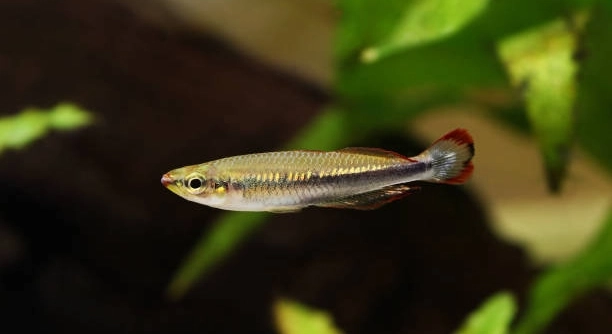
Have you ever noticed your rainbowfish brushing against rocks in the aquarium without any apparent reason? This behavior can seem strange at first, leaving you unsure if your fish is healthy or stressed in its environment.
Rainbowfish often rub against rocks to remove parasites, dead skin, or to alleviate irritation. This behavior is a natural response to minor discomfort, and it can also indicate the need for water quality checks and proper tank maintenance.
Observing this behavior closely can reveal important details about your fish’s health and comfort, helping you maintain a cleaner and happier aquarium.
Common Reasons Rainbowfish Rub on Rocks
Rainbowfish rubbing on rocks is often linked to physical discomfort or environmental issues. One main reason is parasites or skin irritation. Tiny external parasites can attach to their scales, causing the fish to scrape against rough surfaces to relieve the itching. Another common cause is poor water quality. High levels of ammonia, nitrites, or nitrates can irritate their skin and gills, prompting this rubbing behavior. Sometimes, rainbowfish simply shed old skin or remove slime buildup. Stress can also play a role. Overcrowding, aggressive tank mates, or sudden changes in temperature can make them more likely to exhibit rubbing behavior. Observing your rainbowfish carefully will help identify if this is normal maintenance or a warning sign. Keeping a clean, well-balanced aquarium and monitoring water parameters is essential. Small adjustments, like increasing aeration, changing water regularly, and checking for parasites, often reduce or stop this behavior over time.
Monitoring your rainbowfish closely is important to distinguish normal behavior from irritation. Regular observation prevents long-term health issues.
Proper diet and tank maintenance directly affect the frequency of rubbing. Ensuring your fish receives balanced nutrition strengthens their immune system. Introducing hiding spots or smooth surfaces in the tank can reduce abrasive contact. Additionally, keeping the tank clean and stable minimizes stress triggers that might worsen the behavior. Consistency in lighting, temperature, and water changes supports their natural rhythm. When parasites are present, targeted treatments may be necessary, but always follow precise dosages to avoid harming the fish.
How to Address Rock Rubbing Behavior
Adjusting environmental conditions can significantly reduce rubbing behavior. Checking water quality, cleaning the tank, and removing rough or sharp decorations helps prevent injury and irritation.
If rubbing continues despite clean water, examine your fish for parasites or skin issues. Treatments should be carefully applied according to fish-safe guidelines. Quarantining affected fish can prevent spread, and maintaining a consistent routine in feeding and water changes supports recovery. Some rainbowfish may rub as a natural part of their skin shedding process, so minor scraping is not always alarming. Providing smooth surfaces, gentle hiding spots, and stable water parameters allows them to behave normally while minimizing stress. Observing closely over several days helps differentiate between routine maintenance and persistent discomfort.
Preventing Skin Irritation
Keeping the tank clean and maintaining stable water conditions helps prevent skin irritation. Avoid overcrowding and sharp decorations that can scrape your rainbowfish. Providing smooth surfaces and hiding spots encourages natural behavior without unnecessary friction.
A balanced diet supports healthy skin and scales, making your rainbowfish less likely to rub excessively. Include high-quality flakes, pellets, or frozen foods rich in vitamins and minerals. Feeding smaller amounts more frequently helps digestion and overall health. Regular water testing for ammonia, nitrites, and nitrates ensures a safe environment. Minor adjustments, such as adding gentle filtration or aeration, can reduce stress, which often contributes to rubbing behavior. Watching your fish daily will help you spot changes early.
Temperature consistency is equally important. Sudden changes can irritate your fish and make them more prone to rubbing. Keeping stable pH levels and soft substrate reduces the chances of accidental scraping. Additionally, occasional observation of behavior, like swimming patterns and interactions, gives insight into their comfort. Preventing stress and irritation is much easier than treating the consequences later.
Identifying Parasites
External parasites are a common reason for rainbowfish rubbing against rocks. They can irritate the skin and cause persistent scraping. Careful observation helps identify early signs.
Small, moving spots or sudden patches of missing scales may indicate parasites. Look for unusual swimming patterns, lethargy, or frequent rubbing. Quarantining new fish before introducing them to the main tank prevents spreading parasites. Treatments like medicated baths or specific antiparasitic medications can be used safely, but always follow instructions to avoid harming the fish. Maintaining excellent water quality and cleaning decorations reduces parasite buildup. Regular monitoring allows early intervention, keeping your rainbowfish healthy and comfortable.
Stress and Overcrowding
Overcrowded tanks can cause stress, leading rainbowfish to rub against rocks. Each fish needs enough space to swim freely and establish territory. Stress weakens their immune system, making them more prone to skin irritation and disease.
Aggressive tank mates can also trigger rubbing behavior. Providing hiding spots and observing interactions helps reduce conflicts. Proper spacing and compatible fish selections create a calmer environment, allowing rainbowfish to feel secure and minimizing rubbing.
Water Quality
Poor water quality is a frequent reason for rubbing. High levels of ammonia, nitrites, or nitrates irritate the skin and gills, prompting this behavior. Regular water testing and partial water changes help maintain safe conditions. Using a reliable filter and avoiding overfeeding reduces harmful buildup.
Tank Decorations
Sharp or rough decorations can scrape your rainbowfish accidentally. Using smooth rocks, plants, and ornaments minimizes physical irritation.
FAQ
Why is my rainbowfish rubbing against rocks constantly?
Constant rubbing usually indicates irritation from parasites, poor water quality, or minor injuries. It can also result from stress due to overcrowding or aggressive tank mates. Checking water parameters and observing your fish closely helps identify the cause and prevent long-term health issues.
Can rubbing on rocks harm my rainbowfish?
Yes, excessive rubbing can damage scales or cause small wounds, making your fish more susceptible to infections. Ensuring smooth decorations, proper water conditions, and monitoring behavior reduces the risk of injury while keeping your rainbowfish comfortable.
How do I know if it’s normal behavior or a health problem?
Minor rubbing is often normal as rainbowfish maintain their skin and remove slime buildup. Health issues are more likely if rubbing is persistent, accompanied by lethargy, loss of appetite, abnormal swimming, or visible spots and injuries. Observing changes over several days is key.
Should I treat my fish for parasites if it rubs on rocks?
Only if you notice clear signs of parasites, such as white spots, unusual swimming, or patches of missing scales. Quarantine affected fish and follow precise antiparasitic treatments. Avoid unnecessary medication, as it can stress or harm healthy fish.
Can diet affect rubbing behavior?
Yes, a poor diet weakens the immune system and skin condition. Providing a balanced mix of flakes, pellets, and occasional frozen foods ensures proper nutrition. This supports healthy scales and reduces irritation that leads to rubbing.
Does tank size influence rubbing behavior?
Absolutely. Overcrowded tanks increase stress and limit swimming space, prompting rubbing behavior. Each rainbowfish needs adequate room to establish territory. Ensuring proper stocking levels and compatible tank mates minimizes stress and helps them behave normally.
Can water changes help reduce rubbing?
Yes, regular partial water changes remove toxins, balance pH, and improve overall water quality. Clean water reduces irritation to scales and gills, preventing excessive rubbing. Combining water changes with proper filtration and careful monitoring supports long-term fish health.
How do I make my tank safer for rubbing behavior?
Use smooth rocks, rounded decorations, and soft substrate. Avoid sharp or rough surfaces that can scrape scales. Providing hiding spots and maintaining stable water conditions reduces stress and irritation, allowing rainbowfish to rub occasionally without risk of injury.
Is rubbing more common in certain rainbowfish species?
Some species are more active or naturally prone to scraping as part of skin maintenance. However, all rainbowfish can rub due to irritation or stress. Understanding species-specific behavior and tank needs helps prevent unnecessary concern.
How long should I monitor my rainbowfish before taking action?
Observe your fish for several days to a week, noting frequency of rubbing, appetite, energy levels, and swimming behavior. Persistent rubbing combined with other signs of distress warrants action, such as water testing, tank adjustments, or consulting a veterinarian specializing in fish.
Can rubbing indicate stress from tank mates?
Yes, aggressive or territorial fish can cause stress, leading rainbowfish to rub on surfaces. Monitoring interactions, providing hiding spots, and ensuring compatible tank mates reduce stress and allow natural behavior without excessive rubbing.
What are the first steps if I notice unusual rubbing?
Check water parameters for ammonia, nitrites, nitrates, and pH. Examine your fish for visible signs of parasites, injuries, or scale damage. Adjust tank decorations if needed, and consider isolating new or sick fish to prevent spreading disease.
Does temperature play a role in rubbing behavior?
Yes, sudden changes in temperature can irritate rainbowfish, making them more likely to rub. Maintaining a stable temperature suited to your species reduces stress and skin irritation, contributing to healthier behavior and less frequent scraping.
Can stress alone cause rubbing?
Stress from overcrowding, aggressive fish, or environmental changes can cause rubbing. Stress weakens the immune system, making the fish more sensitive to minor irritations. Reducing stressors and providing a stable environment encourages natural, safe behavior.
How often should I check my rainbowfish for signs of rubbing or irritation?
Daily observation is ideal. Watching swimming patterns, scale condition, and interactions helps catch issues early. Early detection allows simple adjustments in water quality, diet, or tank setup before rubbing becomes a serious problem.
Can rubbing be part of normal skin maintenance?
Yes, occasional rubbing is natural. Rainbowfish may scrape lightly to remove old slime or dead skin. Consistent, gentle observation will help distinguish normal maintenance from behavior indicating stress or health problems.
What should I do if rubbing persists despite changes?
If behavior continues, consider consulting a fish health specialist. Persistent rubbing may indicate hidden parasites, infection, or underlying illness that requires professional assessment and treatment. Timely action prevents complications and ensures your rainbowfish’s well-being.
How does tank layout affect rubbing behavior?
Open spaces and smooth surfaces reduce accidental scraping. Overly cluttered or rough layouts can increase friction, causing unnecessary rubbing. Arranging decorations thoughtfully while providing hiding spots supports safe and natural movement.
Can quarantine help prevent rubbing caused by parasites?
Yes, quarantining new or sick fish prevents introducing parasites into the main tank. Early isolation and observation allow prompt treatment, reducing the risk of skin irritation and excessive rubbing in the community.
Is it normal for multiple rainbowfish to rub at the same time?
It can happen if environmental conditions or water quality affect the entire tank. Uniform stressors, parasites, or irritation may cause several fish to rub simultaneously. Addressing the root cause helps restore comfort for all fish.
Rainbowfish rubbing on rocks can seem concerning at first, but it is often a natural behavior connected to skin maintenance or minor irritation. Observing your fish carefully can help distinguish normal behavior from signs of stress or health issues. Minor rubbing is usually harmless and can simply be part of how rainbowfish keep their scales clean or remove excess slime. Paying attention to the frequency and intensity of rubbing is important. Occasional light scraping is normal, but repeated or vigorous rubbing may indicate a need for intervention, whether that is adjusting water quality, inspecting for parasites, or modifying the tank environment to reduce stress.
Maintaining proper water quality is one of the most effective ways to prevent excessive rubbing. Regular testing for ammonia, nitrites, nitrates, and pH levels helps keep your aquarium safe and comfortable for your rainbowfish. Partial water changes and proper filtration remove toxins and provide a cleaner environment. Stress is often connected to poor water conditions, so keeping the tank stable and consistent will help your fish feel secure. Decorations and substrates should be smooth, and hiding spots should be available to give rainbowfish safe places to retreat. Overcrowding and aggressive tank mates can also increase rubbing behavior, so ensuring enough space and compatible companions is essential.
Diet and overall health also influence rubbing behavior. A balanced diet with proper nutrition strengthens the immune system and improves skin and scale condition, reducing irritation that can lead to scraping. Observing your rainbowfish for changes in appetite, energy, or swimming patterns provides insight into their well-being. Quarantining new or sick fish, checking for parasites, and carefully treating any issues as they arise will prevent further problems. By focusing on consistent care, stable environmental conditions, and attentive observation, you can minimize unnecessary rubbing while supporting the health and comfort of your rainbowfish. Proper care ensures that your aquarium remains a safe and stress-free home, allowing your fish to thrive naturally.

Hello,
If you enjoy the content that we create, please consider saying a "Thank You!" by leaving a tip.
Every little bit helps us continue crafting quality advice that supports the health, happiness, and well-being of pets around the world, for pets of all shapes, sizes, and species.
We really appreciate the kindness and support that you show us!