
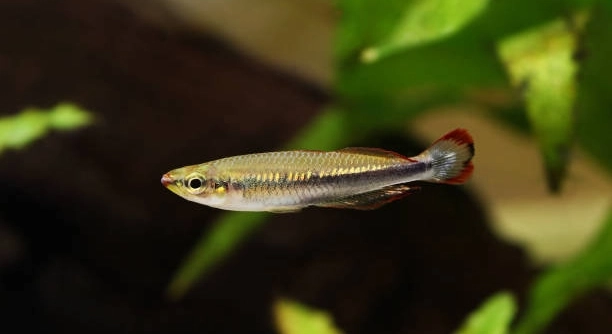
Do you ever notice your rainbowfish swimming only in certain corners of the tank while ignoring others? These colorful fish often show preferences for particular areas, which can reflect their comfort, health, or environment conditions.
Rainbowfish commonly avoid specific areas due to water quality issues, temperature fluctuations, overcrowding, or stress from tank mates. Ensuring stable water conditions, proper tank layout, and compatible companions helps reduce avoidance behavior and promotes healthier, more confident swimming patterns.
Observing these behaviors can provide important clues about your fish’s wellbeing and the environment you are providing for them.
Common Reasons Rainbowfish Avoid Certain Areas
Rainbowfish may avoid parts of the tank for several reasons. One major factor is water quality. Uneven filtration or buildup of waste in one area can make certain spots uncomfortable. Temperature differences can also influence their movement, as rainbowfish prefer stable, moderate temperatures. Overcrowding is another concern; if a section of the tank is crowded with other fish or decorations, your rainbowfish may seek more open, safer spaces. Stress from aggressive tank mates can also cause avoidance behavior. Even subtle changes, like new decorations or rearranged plants, may make them hesitant to explore some areas. Sometimes lighting plays a role too, as rainbowfish may avoid overly bright spots or glare from the tank light. Observing which areas are avoided and noting patterns can help identify specific environmental or social factors. Adjusting tank setup and monitoring water parameters can encourage your fish to feel more comfortable throughout the tank.
Monitoring their behavior regularly and testing water parameters can help identify problem areas. Stability in the tank environment encourages more even swimming patterns.
Small adjustments to filtration, temperature, or tank layout can make a noticeable difference. Over time, your rainbowfish may feel confident enough to explore the entire tank.
How to Encourage Exploration
Creating a comfortable tank environment helps your rainbowfish feel secure and willing to explore.
Providing hiding spots, stable water conditions, and gentle lighting can reduce stress and promote natural movement. Decorating with plants or rocks allows them to choose where to swim safely. Regularly observing your rainbowfish helps spot any health or behavioral issues early. Feeding them in different tank areas can also encourage movement and curiosity.
Adjusting the tank setup gradually can make a big difference. Start by testing water parameters for ammonia, nitrite, nitrate, and pH, as small imbalances may deter fish from certain zones. Ensure temperature is consistent throughout, ideally around 75–82°F, and that the filtration system circulates water evenly. Space out decorations to provide open swimming areas while keeping enough cover for security. Avoid overcrowding; too many fish or incompatible species can create tension. Gradually introducing plants or hiding spots in avoided areas can encourage exploration without startling them. Observing their reactions helps identify areas needing improvement. Over time, your rainbowfish will likely expand their swimming range, showing improved confidence, reduced stress, and healthier interaction with tank mates. This careful balance supports both their well-being and a more lively aquarium environment.
Adjusting Tank Layout
Rearranging decorations and plants can help your rainbowfish feel more comfortable. Avoid clustering hiding spots in one corner. Even small changes, like moving a plant or rock, can encourage your fish to explore areas they have been avoiding.
Strategically placing plants and ornaments can create natural pathways for swimming. Open areas give rainbowfish space to move freely, while scattered hiding spots offer security when needed. Avoid overcrowding decorations, as tight spaces may make them feel trapped. Consider height differences with taller plants at the back and shorter ones at the front. This setup can make the tank appear more spacious, reducing stress. Over time, your rainbowfish may gradually explore previously avoided areas as they feel more confident and secure within this balanced environment.
Introducing new areas gradually can encourage curiosity without causing stress. Small rearrangements every few weeks may help rainbowfish get used to different sections of the tank. Rotate feeding spots to reinforce exploration, and ensure lighting is soft in newly introduced areas. Consistent observation allows you to notice improvements and adjust placement further. These changes, while subtle, promote healthier behavior and reduce avoidance, helping your rainbowfish feel comfortable in every part of their home.
Water Quality and Maintenance
Regular water changes are essential to keep your rainbowfish healthy and active. Poor water conditions can lead to avoidance of certain areas. Testing for ammonia, nitrites, and nitrates helps maintain safe levels.
Maintaining consistent water temperature and parameters reduces stress and encourages even swimming. Uneven filtration or debris buildup can make certain zones uncomfortable. Clean filters regularly and remove excess waste to prevent water quality issues. Monitor pH and hardness to match rainbowfish preferences. Small adjustments, like adding an air stone for better circulation, can improve oxygen levels and reduce stagnant areas. Keeping the tank clean and stable ensures rainbowfish feel safe exploring every corner, ultimately supporting their health, activity, and natural behavior within the aquarium.
Lighting and Temperature
Proper lighting can influence where rainbowfish choose to swim. Bright or harsh light may push them toward shaded areas. Using gentle, diffused lighting creates a more comfortable environment for all parts of the tank.
Temperature differences in the tank can also affect movement. Rainbowfish prefer stable temperatures, usually between 75–82°F. Sudden fluctuations make them seek areas with consistent warmth, which can explain avoidance of certain corners.
Feeding Habits
Placing food consistently in one spot may cause rainbowfish to linger there and avoid other areas. Varying feeding locations encourages movement throughout the tank.
Introducing food in different zones can help them explore and interact more with their environment. This simple change stimulates natural foraging behavior, keeping your rainbowfish active and comfortable across the entire aquarium.
Social Dynamics
Aggressive or dominant tank mates can make rainbowfish avoid certain areas. Providing enough space reduces tension and promotes calmer behavior.
Adjusting the number and types of fish, or rearranging territories, helps rainbowfish feel safe and encourages freer movement. Observing interactions closely ensures peaceful coexistence and reduces stress-driven avoidance.
FAQ
Why is my rainbowfish hiding in one corner of the tank?
Rainbowfish often hide when they feel stressed or uncomfortable. Common reasons include poor water quality, sudden changes in temperature, or aggressive tank mates. Even minor disturbances like loud noises or frequent movement around the tank can make them seek safety in corners. Providing hiding spots and ensuring a stable environment encourages them to explore more freely.
Can water quality really make rainbowfish avoid certain areas?
Yes. Uneven filtration or waste buildup in parts of the tank can make those areas unpleasant. Rainbowfish are sensitive to ammonia, nitrites, and nitrates. Testing water regularly and performing partial water changes helps maintain consistent quality, encouraging them to swim evenly throughout the tank.
Do rainbowfish prefer specific lighting conditions?
Rainbowfish thrive in moderate, diffused light. Bright or harsh lighting can make them feel exposed, causing them to stick to shaded or covered areas. Adding floating plants or adjusting tank lights to softer settings can create a more comfortable environment.
How does tank layout affect rainbowfish movement?
Crowded decorations, tall plants, or clustered hiding spots can limit swimming space. Rainbowfish tend to avoid cramped zones. Arranging plants and ornaments with open swimming paths and scattered hiding areas encourages them to explore and reduces stress. Gradual changes help them adjust without feeling threatened.
Does temperature affect their swimming patterns?
Yes. Rainbowfish prefer stable water temperatures, generally between 75–82°F. Areas with cooler or warmer spots may be avoided. Using a reliable heater and monitoring temperature regularly ensures consistency, helping your fish move confidently across the tank.
Can feeding habits influence where they swim?
Definitely. Rainbowfish often gather where food is consistently placed. Varying feeding locations across the tank encourages exploration and natural foraging behavior. This also stimulates activity and reduces boredom, preventing them from sticking to one corner or area.
Do other fish influence their behavior?
Aggressive or dominant tank mates can make rainbowfish avoid certain zones. Providing enough space, choosing compatible species, and observing interactions help reduce tension. Ensuring peaceful coexistence allows rainbowfish to feel secure and utilize the entire tank.
How long does it take for rainbowfish to start exploring avoided areas?
It depends on the cause. Minor adjustments, like rearranging decorations or adding hiding spots, may show results in a few days. Addressing water quality or stress factors could take a few weeks. Patience and consistent observation are key to encouraging full exploration.
Can stress make them avoid the entire tank?
Yes. Chronic stress from poor water conditions, frequent disturbances, or aggressive fish can cause rainbowfish to limit movement. Ensuring stable water parameters, a calm environment, and proper tank mates reduces stress and promotes natural swimming patterns.
Are there signs I should watch for that indicate serious problems?
Look for lethargy, loss of appetite, faded color, or clamped fins. These may signal illness, poor water quality, or extreme stress. Early detection and corrective action, such as water changes, adjusting tank mates, or consulting a professional, help protect your rainbowfish’s health.
Can introducing new decorations suddenly cause avoidance?
Yes. Rainbowfish are cautious of sudden changes. Adding decorations gradually and monitoring their reactions can help them adapt without avoiding areas. Small, incremental changes reduce stress and encourage confidence in exploring the tank.
Do rainbowfish ever return to areas they previously avoided?
They can. Once environmental issues like water quality, temperature, or stressors are addressed, rainbowfish often start exploring previously avoided zones. Gradual changes and consistent observation increase the chances of them using the entire tank comfortably.
Is tank size important for their movement?
Absolutely. Small or overcrowded tanks limit swimming space and can increase avoidance behavior. Providing adequate space per fish, generally one gallon per inch of fish, and maintaining proper decoration layout encourages natural movement and reduces stress.
How can I encourage shy rainbowfish to explore more?
Introduce small hiding spots in previously avoided areas, vary feeding locations, maintain stable water conditions, and reduce disturbances around the tank. Gentle observation and patience allow them to feel safe and gradually expand their swimming range, improving overall activity and well-being.
Can disease cause them to avoid certain areas?
Yes. Illness can make rainbowfish seek calmer, less populated areas. Symptoms like fin damage, spots, or unusual swimming patterns may indicate disease. Addressing health issues promptly through proper treatment, quarantine if needed, and maintaining water quality can restore normal behavior.
Does tank noise affect their swimming behavior?
Frequent vibrations or loud noises near the tank can cause rainbowfish to avoid exposed areas. Placing the tank in a quieter location, reducing sudden movements, and minimizing disturbances helps them feel secure and encourages more even exploration.
Can stress from handling or cleaning affect their habits?
Handling or frequent cleaning can temporarily stress rainbowfish, causing avoidance. Gentle cleaning, limited disturbance, and allowing recovery time help them regain confidence. Over time, they return to normal swimming patterns once they feel safe.
Are rainbowfish more active at certain times of day?
Yes. They are generally more active during daylight hours and prefer moderate lighting. During darker periods, they may seek shelter or stay in calmer areas. Adjusting lighting to mimic natural day-night cycles supports normal activity levels and reduces avoidance.
Do young rainbowfish behave differently than adults regarding tank zones?
Juvenile rainbowfish may be more cautious and hide more frequently. Adults tend to explore more confidently once comfortable. Providing safe areas for young fish and gradually introducing new spaces helps them gain confidence and encourages exploration as they grow.
Can adding companions affect their behavior positively?
Yes. Compatible companions can reduce stress and encourage exploration, especially in social species like rainbowfish. Ensuring proper tank size and balanced numbers prevents overcrowding and promotes healthy interactions, leading to more even swimming patterns and less avoidance.
Rainbowfish are naturally active and curious fish, but they can sometimes avoid certain areas of the tank. This behavior is often a sign of discomfort, stress, or environmental imbalance rather than just preference. Water quality, temperature fluctuations, lighting, and tank layout all influence where rainbowfish feel safe to swim. Overcrowding or aggressive tank mates can also push them into smaller, quieter zones. Observing their behavior carefully can help identify patterns and potential issues. Paying attention to which areas are avoided allows you to take small, practical steps to improve the tank environment. Even minor adjustments, like moving a plant or rearranging decorations, can make a noticeable difference in their comfort and confidence.
Maintaining stable water conditions is one of the most important steps in ensuring rainbowfish feel secure. Regular testing for ammonia, nitrites, nitrates, pH, and temperature consistency keeps the tank safe and reduces stress. Water changes should be performed on a regular schedule to remove excess waste, and filters should be cleaned to prevent stagnant zones. Even subtle changes in lighting can impact behavior. Bright or uneven lighting can make some areas uncomfortable, while diffused, moderate light helps rainbowfish explore freely. By providing both open swimming space and scattered hiding spots, you create a balanced environment that encourages natural movement. Gradually introducing changes, rather than sudden adjustments, reduces stress and allows your fish to adapt at their own pace.
Encouraging exploration also involves considering feeding habits and social dynamics. Placing food in different areas of the tank can motivate rainbowfish to move around more and engage with their environment. Observing interactions with other fish ensures that aggression or dominance does not cause avoidance behavior. Young or shy fish may require more time and gentle encouragement to feel safe in all areas of the tank. Patience and consistent observation are key to understanding their needs and habits. When environmental factors are addressed carefully, rainbowfish often begin to explore previously avoided zones, showing improved confidence and activity. Supporting their natural behavior helps maintain overall health, reduces stress, and makes the tank a more lively and balanced home.

Hello,
If you enjoy the content that we create, please consider saying a "Thank You!" by leaving a tip.
Every little bit helps us continue crafting quality advice that supports the health, happiness, and well-being of pets around the world, for pets of all shapes, sizes, and species.
We really appreciate the kindness and support that you show us!