
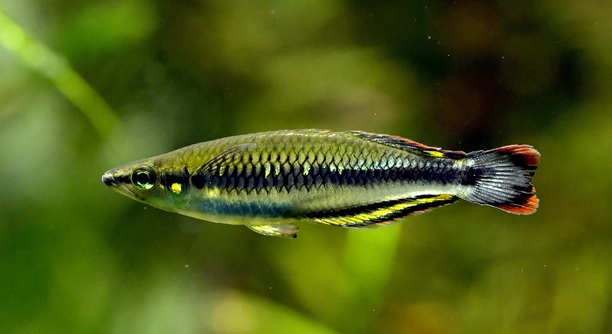
Have you ever watched your rainbowfish swim gracefully around the tank and noticed them acting differently at certain times? Many owners observe that their fish seem more alert when food is near.
Rainbowfish can learn feeding schedules through routine and environmental cues. They do not predict feeding time naturally but respond to repeated patterns, recognizing visual signals, movements, and consistent timing associated with meals, which conditions them to anticipate food.
Observing these patterns can help you understand your rainbowfish better and improve your feeding routine for a healthier, happier tank environment.
How Rainbowfish Learn Feeding Times
I’ve noticed my rainbowfish become more active just before I pour their food, which seems almost like they know it’s coming. This behavior is linked to routine. When feeding occurs at the same time daily, the fish start recognizing patterns in their environment. They may respond to subtle cues, like my movement near the tank or the sound of the lid opening. Over time, these repeated signals condition them to expect food at a specific moment. While they are not predicting meals in a conscious way, their learned responses make it appear as if they are. Consistent timing strengthens this behavior, making them more alert and excited around feeding time. It’s fascinating to see how quickly they adapt, and it can be helpful for keeping them healthy, as predictable feeding helps regulate digestion and reduces stress in the tank environment.
Rainbowfish rely heavily on repeated routines and environmental signals to respond accurately to feeding schedules.
Understanding these learning patterns can improve feeding habits and help maintain a calmer, more predictable tank environment for your rainbowfish, benefiting both their behavior and overall health.
Signs Your Fish Are Anticipating Food
Rainbowfish often show excitement through faster swimming or gathering near the surface before feeding.
Noticing these signs can be helpful in timing your feeding to match their routine. Fish that anticipate food may circle near the area where meals are usually placed or hover near decorations where food often drops. They may even follow your movements around the tank, showing recognition of the actions associated with feeding. These behaviors indicate their internal clocks have synced with your feeding schedule. Observing them carefully also helps prevent overfeeding, as you can distinguish between natural anticipation and genuine hunger. Regularly monitoring their responses ensures that feeding stays balanced, preventing health issues. By paying attention to how your rainbowfish react, you can fine-tune the feeding process to support their energy levels and maintain a stable, engaging environment. These small adjustments make a noticeable difference in their activity, mood, and overall well-being.
Timing and Routine
Rainbowfish respond best when feeding occurs at consistent times. Daily routines help them recognize patterns and associate certain actions with mealtime.
I’ve found that feeding my rainbowfish at the same times every day keeps them calmer and more predictable. They begin to notice small cues, like the sound of the lid or my approach to the tank. Over a few days, their movements change in anticipation. They may swim closer to the surface or gather near favorite spots where food usually lands. This routine builds a rhythm that helps them feel secure. Consistency is key for their behavior and digestion. Irregular feeding can cause stress or overeating, which affects their health. Keeping a predictable schedule also helps me monitor their appetite and detect any changes in behavior that could indicate health issues. Small habits, repeated daily, make a big difference in their comfort and activity.
Feeding routines also reduce competition among fish. When all fish know when food arrives, aggression decreases, and each fish can eat without constant chasing.
Environmental Cues
Rainbowfish quickly pick up on signals in their surroundings that indicate feeding is near. Movement around the tank, shadows, and even vibrations can trigger anticipation.
In my experience, environmental cues play a major role in training rainbowfish. They notice when I approach the tank or move near the food storage area. Even small changes in light or shadows on the tank can signal that feeding is imminent. These cues, paired with consistent timing, make their anticipation more reliable. Fish also respond to changes in water flow when I add food, learning to associate it with mealtime. Recognizing these patterns allows me to manage feeding more effectively, ensuring each fish gets enough food. Over time, environmental cues reinforce their learned behaviors, making feeding a smoother, less stressful experience for everyone in the tank.
Learning Through Observation
Rainbowfish often watch each other closely to understand feeding patterns. Observing companions helps them learn when and where food appears.
In my tank, younger fish quickly picked up on the habits of older ones. Watching their movements near the surface or around favorite feeding spots helped them anticipate meals.
Recognizing Patterns
Fish associate repeated actions with feeding. Movements, sounds, and consistent timing create predictable patterns they respond to.
Benefits of Anticipation
When rainbowfish anticipate food, they show more active and engaged behavior. This helps maintain their energy levels and encourages natural swimming patterns.
How do rainbowfish know when feeding time is?
Rainbowfish learn to recognize feeding times through repetition and environmental cues. In my experience, when I feed at the same time every day, they begin to react even before I open the container. They notice subtle cues like my movement, the sound of the lid, or shadows on the tank. Over time, these signals become associated with food, and their behavior changes accordingly. Swimming near the surface, gathering near favorite spots, or showing excitement are common signs. This behavior is learned, not instinctive, and relies on consistency and routine.
Can rainbowfish really predict meals?
Rainbowfish do not predict meals in a conscious sense. Their actions are based on learned associations from repeated experiences. In my tank, the fish act as if they know food is coming, but it’s really a response to predictable patterns. They link certain sights, sounds, and times to feeding, which conditions them to anticipate it. While it may seem like they have an internal clock, it is their repeated exposure to routine that creates this behavior. Regular schedules strengthen this anticipation, making their reactions more reliable.
Why do some rainbowfish seem more eager than others?
Individual differences play a big role in feeding behavior. Some fish are naturally more active and bold, so they respond faster to cues. In my experience, older or dominant fish often swim to the surface first, while younger or shy ones wait. Social dynamics within the tank influence how each fish reacts to feeding signals. Observing these differences helps in distributing food evenly and ensuring all fish get enough. Feeding patterns combined with personality traits determine the level of eagerness. Understanding this makes managing a community tank easier and more balanced.
How can I encourage my rainbowfish to anticipate feeding time without stressing them?
The key is gradual and consistent routine. I feed my fish at roughly the same time each day and avoid sudden changes. Using subtle cues like moving near the tank or tapping gently helps signal upcoming food. Over a week or two, fish learn to associate these cues with feeding without causing stress. Avoid overfeeding or abrupt schedule changes, as this can confuse them. Observation is important—watch their reactions and adjust slowly. Anticipation develops naturally with consistent, predictable habits.
What signs indicate that anticipation is affecting their health?
Healthy anticipation should be calm and controlled. In my experience, signs of overexcitement or stress include excessive aggression, frantic swimming, or competition over food. If these behaviors appear, it may indicate irregular feeding or overfeeding. Balanced portions and consistent timing usually resolve these issues. Observing fish behavior closely helps detect any health impact early. Proper tank setup, with enough space and hiding spots, also reduces stress during feeding. Maintaining water quality is essential, as anticipation combined with poor conditions can worsen stress or cause illness.
Do environmental factors affect their ability to anticipate meals?
Yes, light, water flow, and tank noise all play a role. In my tank, changing the position of decorations or moving near the tank triggers reactions. Rainbowfish are sensitive to visual and auditory cues, so consistent environmental conditions reinforce feeding anticipation. Sudden changes can confuse them or make them hesitant. Keeping a predictable environment with stable water temperature, clear water, and minimal disturbances ensures that feeding routines remain effective. Environmental stability supports both learned behaviors and overall well-being.
How long does it take for rainbowfish to learn feeding patterns?
Learning speed varies by individual and consistency. In my observation, most fish start showing signs of anticipation after three to five days of consistent feeding. Some may take longer depending on age, personality, and previous experiences. Repeating the routine daily and using subtle cues accelerates learning. Patience is essential, as forcing interaction or feeding too quickly can stress them. By observing their behavior, you can tell when they have successfully learned the routine. Regular practice and careful attention help them adapt smoothly.
Can anticipation improve their overall behavior?
Yes, when managed properly, anticipation encourages active swimming, exploration, and engagement. In my tank, fish that anticipate meals are more alert and interactive. Predictable feeding reduces stress and aggression, leading to a calmer, healthier community. Anticipation can also make feeding more efficient, as each fish becomes familiar with its feeding spots and routines. By maintaining consistency and observing behavior, anticipation contributes to better physical and mental well-being.
Are there risks to making feeding too predictable?
While predictability is helpful, excessive rigidity can be stressful if schedules are suddenly disrupted. In my experience, occasional minor variations are acceptable, but sudden changes in time, food type, or method can confuse fish. Overreliance on a strict routine may make them anxious when deviations occur. Balancing predictability with flexibility ensures healthy anticipation without stress. Monitoring fish behavior and adapting slowly prevents negative effects while maintaining benefits.
How can I balance anticipation with proper nutrition?
Providing measured portions at consistent times ensures anticipation doesn’t lead to overeating. I use small, evenly spaced feeds rather than one large meal, allowing all fish to participate without competition. Observing appetite and adjusting portions based on activity helps maintain nutrition. Variety in diet, including flakes, pellets, and occasional live food, supports health. Balancing anticipation with proper feeding prevents obesity, digestive issues, and stress, creating a happier, healthier tank environment.
Observing rainbowfish and their feeding habits can be surprisingly interesting. Over time, I’ve noticed how they start to recognize patterns and respond to subtle cues. When feeding occurs at roughly the same times each day, the fish begin to move closer to the surface or gather near favorite spots in anticipation. These behaviors are not instinctive predictions but learned responses to routine and environmental signals. Watching them react to my approach, the sound of the lid, or even shadows in the tank demonstrates how quickly they adapt to patterns. Consistency is key. When schedules are predictable, the fish feel more secure, and their overall behavior becomes calmer and more organized. This makes managing a tank easier and helps maintain the well-being of each fish.
It is also important to understand that individual differences affect how rainbowfish anticipate meals. Some fish are naturally more active or bold, while others may be shy or slower to react. In my tank, older or dominant fish usually reach the surface first, while younger or more timid fish wait behind. Social dynamics influence the way anticipation shows itself, which means not every fish will respond in exactly the same way. Paying attention to these differences helps in distributing food evenly and making sure each fish gets enough to eat. Environmental factors also play a significant role. Light, water flow, and movement near the tank can all act as cues for feeding. Maintaining a stable environment with consistent cues reinforces learning and ensures the fish feel safe and confident.
Finally, anticipation can have real benefits for rainbowfish when managed correctly. Predictable feeding encourages activity and engagement, helping them stay healthy and energetic. It also reduces competition and aggression during meals, creating a more harmonious tank environment. At the same time, overfeeding or abrupt changes to routine can cause stress or unhealthy behaviors. Paying attention to portion sizes, timing, and environmental stability helps balance anticipation with proper nutrition and comfort. Observing your rainbowfish closely allows you to notice small changes, adjust routines as needed, and provide an environment that supports both their physical health and natural behaviors. Over time, these careful observations and consistent practices create a calm, lively, and well-balanced tank where rainbowfish thrive and respond predictably to feeding schedules.

Hello,
If you enjoy the content that we create, please consider saying a "Thank You!" by leaving a tip.
Every little bit helps us continue crafting quality advice that supports the health, happiness, and well-being of pets around the world, for pets of all shapes, sizes, and species.
We really appreciate the kindness and support that you show us!