
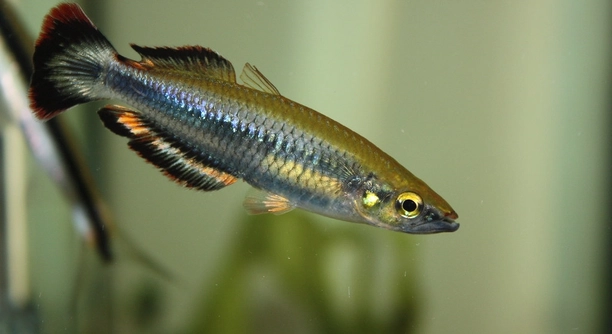
Many aquarium owners enjoy keeping rainbowfish for their bright colors and active nature. Sometimes, however, these fish can appear unusually slow or inactive, leaving owners concerned about their health and overall well-being.
Rainbowfish often become lethargic due to poor water quality, improper temperature, inadequate diet, or stress from overcrowding. Addressing these factors promptly is essential to restoring their energy, supporting health, and maintaining a stable aquarium environment.
Understanding these underlying causes can help you improve your rainbowfish’s daily life and prevent similar issues in the future.
Poor Water Quality
Maintaining clean water is essential for rainbowfish health. Dirty water can cause stress, making them lethargic and more prone to disease. High ammonia, nitrite, or nitrate levels can harm gill function and reduce oxygen availability. Regular water testing helps monitor these parameters. Performing partial water changes at least once a week keeps conditions stable. Remove uneaten food and debris from the substrate, as decaying matter worsens water quality. Filters need proper maintenance to function effectively. Avoid overstocking the tank, as overcrowding leads to faster accumulation of waste and increased stress. Proper water temperature and pH levels are equally important, as rainbowfish thrive in slightly alkaline, moderately warm water. Observing your fish’s behavior during feeding or swimming can provide early warning signs of water problems. Consistent care and attention to these details prevent many health issues before they become serious.
Regular monitoring and cleaning prevent most lethargy caused by water issues.
A simple routine of weekly water testing, partial changes, and filter maintenance ensures a stable and healthy environment. Fish will swim actively and show brighter colors when conditions are correct. Avoid sudden chemical or temperature changes, as rainbowfish are sensitive to rapid shifts. Using a reliable water conditioner helps remove chlorine and chloramine. Keep track of water parameters over time to notice trends before they cause illness. Maintaining clean, well-balanced water reduces stress and supports natural behavior. This consistency in care improves longevity and keeps the tank visually appealing.
Improper Diet
A balanced diet is crucial for rainbowfish energy. Feeding only flakes or low-quality food can lead to nutrient deficiencies, causing lethargy. Small amounts of protein-rich foods, like brine shrimp or daphnia, help maintain activity levels.
Rainbowfish need a mix of protein and plant-based nutrition to thrive. Offering variety prevents boredom and promotes overall health.
High-quality flake or pellet food should form the base of the diet, supplemented with live or frozen foods two to three times a week. Vegetables such as spinach or peas provide fiber and additional nutrients. Avoid overfeeding, which can lead to poor water quality and obesity. Feed small portions that fish can consume in two to three minutes. Observing which foods your rainbowfish prefer allows you to adjust meals to meet their nutritional needs. A proper diet ensures their colors stay vibrant and their behavior lively. Nutritional balance supports immune function, reducing susceptibility to illness, and encourages natural swimming and schooling patterns. Consistency in feeding schedules also helps reduce stress, keeping the fish active and healthy.
Stress and Overcrowding
Stress and overcrowding can make rainbowfish lethargic. Too many fish in a tank or aggressive tankmates cause tension, which affects swimming and feeding habits.
Overcrowded conditions limit space for swimming, increasing stress and competition for food. Rainbowfish may hide more, avoid interaction, and appear listless. Aggressive or larger species can chase or nip at rainbowfish, further reducing activity and harming their health. Providing sufficient space and calm tankmates allows rainbowfish to swim freely and feel secure. Observing their behavior regularly helps identify stress early, allowing adjustments before it impacts health. Rearranging decorations or adding hiding spots also reduces tension.
Ensuring each fish has enough territory is essential for maintaining energy and natural behaviors. Reducing tank population or splitting fish into separate tanks prevents overcrowding. Establishing a balanced social environment supports schooling behavior and decreases aggression. Quiet areas with plants or décor provide resting spots, giving rainbowfish a safe retreat. Monitoring interactions and separating aggressive individuals ensures the tank remains peaceful. Stress reduction directly improves appetite, activity, and overall well-being, keeping rainbowfish healthy.
Temperature and Environmental Factors
Temperature fluctuations affect rainbowfish activity. Water that is too cold slows metabolism, while too warm water increases stress. Stable conditions are crucial.
Maintaining water within the optimal range of 74–82°F (23–28°C) keeps rainbowfish active and healthy. Sudden temperature changes can cause shock, weaken immunity, and trigger lethargy. Use a reliable heater and thermometer to ensure consistency. Avoid placing tanks near windows or vents where temperatures fluctuate. Environmental factors like strong currents or poor lighting can also affect energy levels. Proper setup creates a comfortable and stable environment, supporting normal swimming, feeding, and coloration.
Light cycles and tank décor influence rainbowfish behavior. Natural daylight or timed aquarium lighting helps regulate their internal rhythms. Plants, rocks, and open swimming areas reduce stress by providing structure without limiting movement. Avoid overcrowding decorations that restrict swimming, as rainbowfish require space to school and exercise. Gradual adjustments to any environmental change prevent shock and promote acclimation. Monitoring water temperature, lighting, and current ensures a stable habitat, encouraging energy and reducing lethargy. Attention to these factors improves overall health and keeps fish active throughout the day.
Illness and Disease
Rainbowfish can become lethargic when affected by illness. Common infections, parasites, or bacterial issues reduce energy and appetite. Prompt identification and treatment are essential.
Observing changes in color, swimming patterns, or appetite can indicate health problems. Early intervention improves recovery chances and prevents the spread of disease to other tank inhabitants.
Poor Oxygen Levels
Low oxygen levels in the tank can make rainbowfish sluggish. Proper aeration ensures they remain active and healthy. Overcrowding, high temperatures, and insufficient surface movement reduce oxygen availability, so maintaining adequate water circulation is crucial.
Inconsistent Feeding Schedule
Irregular feeding schedules impact rainbowfish activity. Skipping meals or overfeeding disrupts metabolism, leading to lethargy. Maintaining a consistent routine supports their natural behavior and ensures they receive balanced nutrition for energy, growth, and overall well-being.
Water Chemistry Imbalances
Imbalances in pH, hardness, or other chemical parameters can stress rainbowfish. Monitoring and adjusting water chemistry helps prevent lethargy, supports health, and maintains a stable, comfortable environment.
FAQ
Why is my rainbowfish lying at the bottom of the tank?
Rainbowfish often rest near the bottom when stressed, sick, or struggling with water quality. Low oxygen, sudden temperature changes, or illness can make them seek calmer areas. Checking water parameters and observing other behaviors can help identify the cause.
How can I tell if my rainbowfish is sick?
Signs of illness include faded colors, clamped fins, erratic swimming, loss of appetite, or excessive hiding. White spots, redness, or bloating can indicate infection or parasites. Observing daily behavior and appearance is key for early detection and treatment.
Can water temperature affect rainbowfish activity?
Yes. Rainbowfish are sensitive to temperature. Water too cold slows metabolism, making them lethargic, while water too warm increases stress. Maintaining a consistent 74–82°F (23–28°C) supports energy levels, healthy swimming, and feeding behavior.
How often should I change the water in my tank?
Partial water changes of 20–30% weekly help maintain clean, balanced water. Removing debris, uneaten food, and monitoring ammonia, nitrite, and nitrate levels keeps rainbowfish active and prevents health issues caused by poor water quality.
What should I feed my rainbowfish to keep them active?
A varied diet of high-quality flakes or pellets, supplemented with live or frozen foods like brine shrimp and daphnia, supports energy and vibrant colors. Occasional vegetables, such as spinach or peas, provide fiber and nutrients, promoting overall health.
Can overcrowding make my rainbowfish lethargic?
Overcrowding increases stress, limits swimming space, and encourages aggressive behavior from other tankmates. Providing enough space, calm companions, and hiding spots reduces tension and helps rainbowfish regain normal activity.
Do sudden changes in tank conditions affect rainbowfish behavior?
Yes. Sudden shifts in temperature, pH, or lighting can shock rainbowfish, causing lethargy and hiding. Gradual adjustments and monitoring parameters help them adapt and maintain regular activity levels.
How do I improve oxygen levels in my aquarium?
Proper aeration, surface agitation, and sufficient water circulation increase oxygen availability. Avoid overstocking, maintain appropriate water temperature, and ensure plants or décor do not block movement, allowing rainbowfish to swim actively and breathe easily.
Is it normal for rainbowfish to hide sometimes?
Yes, occasional hiding is natural, especially during rest or minor stress. Frequent or prolonged hiding may indicate poor water quality, stress, or illness. Observing patterns helps determine if intervention is needed.
Can stress affect my rainbowfish’s color and activity?
Stress can dull colors and reduce swimming or feeding. Causes include overcrowding, aggressive tankmates, poor water quality, and sudden environmental changes. Minimizing stress through proper care improves both appearance and behavior.
How long does it take for a lethargic rainbowfish to recover?
Recovery depends on the cause. Correcting water quality, diet, temperature, or stressors can show improvement within days, while treating illness may take longer. Early detection and consistent care speed up recovery and restore normal activity.
Are there specific signs that indicate immediate attention is needed?
Severe lethargy, rapid breathing, floating sideways, or visible injury or disease requires prompt action. Testing water, isolating affected fish, and consulting treatment options can prevent serious health issues and support recovery.
Can lighting affect rainbowfish behavior?
Yes. Inconsistent or too bright lighting can stress rainbowfish. Maintaining a regular light cycle with moderate intensity helps regulate their natural rhythms, encouraging active swimming and feeding throughout the day.
Is it necessary to quarantine new fish before adding them to the tank?
Quarantining new fish for at least two weeks prevents introducing disease or parasites. Observing health and behavior during this period protects existing rainbowfish and reduces the risk of lethargy caused by infections.
What steps can I take to prevent future lethargy in my rainbowfish?
Maintain stable water conditions, provide a balanced diet, avoid overcrowding, and monitor for signs of stress or illness. Consistent care, proper tank setup, and regular observation create an environment where rainbowfish remain healthy, active, and vibrant.
How do I safely treat sick rainbowfish without harming others?
Use a separate quarantine tank for treatment when possible. Follow medication instructions carefully and maintain water quality during treatment. Observing reactions ensures effectiveness and protects healthy tankmates from unnecessary exposure.
Can changing decorations or tank layout stress my rainbowfish?
Yes, sudden rearrangement can cause stress. Introducing changes gradually or maintaining familiar hiding spots allows rainbowfish to adjust without reducing activity or appetite.
Is it normal for rainbowfish to swim slowly sometimes?
Occasional slow swimming is normal, especially during rest or after feeding. Persistent sluggishness, hiding, or refusal to eat indicates an underlying problem that needs attention, such as water issues, stress, or illness.
How do I know if my rainbowfish tank is overcrowded?
Observe swimming space and fish behavior. Signs include aggression, competition for food, and limited room for schooling. Following recommended stocking guidelines ensures a healthy, active environment and reduces lethargy.
Can water hardness and pH affect rainbowfish energy?
Yes. Rainbowfish prefer slightly alkaline, moderately hard water. Imbalances in pH or hardness cause stress, lethargy, and reduced appetite. Regular testing and gradual adjustments maintain a stable environment that supports natural activity and overall health.
What is the best way to monitor rainbowfish health daily?
Watch for changes in color, appetite, swimming patterns, and social behavior. Consistent observation helps detect early signs of stress or illness, allowing prompt corrective actions to maintain vitality and energy levels.
How important is consistency in feeding and maintenance routines?
Very important. Predictable feeding times, regular water changes, and consistent environmental conditions reduce stress and promote healthy behavior. A routine ensures rainbowfish remain active, vibrant, and less prone to lethargy caused by sudden changes.
Can tankmates influence rainbowfish activity?
Yes. Aggressive or territorial species can stress rainbowfish, limiting swimming and causing hiding. Calm, compatible tankmates allow natural schooling and activity, reducing lethargy and supporting overall health.
Is it normal for rainbowfish to rest near decorations or plants?
Occasional resting is normal, especially if the fish feel safe. Frequent or prolonged inactivity may indicate environmental issues, stress, or illness, which should be addressed promptly to restore normal behavior.
How do I balance water quality, diet, and environment for active rainbowfish?
Regular testing, high-quality feeding, adequate space, stable temperature, and proper tank setup create optimal conditions. Monitoring and adjusting these factors ensures rainbowfish remain energetic, healthy, and display their natural vibrant colors.
Can stress from transport affect rainbowfish for days?
Yes. After moving or introducing rainbowfish to a new tank, they may hide or swim slowly. Allow time to acclimate, maintain stable conditions, and provide hiding spots to reduce stress and restore normal activity.
How can I safely reintroduce fish after treatment or quarantine?
Gradually acclimate them to the main tank by matching water parameters. Introduce slowly to avoid sudden environmental changes, reduce stress, and prevent lethargy or aggression among tankmates.
What role does observation play in preventing lethargy?
Daily observation allows you to spot early signs of illness, stress, or environmental issues. Prompt action prevents minor problems from escalating, ensuring rainbowfish remain active, healthy, and visually vibrant.
Are there natural ways to encourage activity in rainbowfish?
Yes. Proper schooling companions, gentle water flow, varied diet, and safe hiding areas stimulate natural behavior. Maintaining consistent conditions supports swimming, feeding, and social interactions without introducing unnecessary stress.
How long can rainbowfish tolerate suboptimal conditions before health declines?
Tolerance varies, but prolonged exposure to poor water quality, stress, or improper diet quickly leads to lethargy and disease. Early intervention and consistent care are critical for preventing serious health issues and maintaining vitality.
Can seasonal changes affect rainbowfish activity?
Yes. Temperature fluctuations, light changes, and altered feeding routines can impact energy. Maintaining stable tank conditions throughout the year helps rainbowfish stay active and reduces stress-related lethargy.
How do I know if lethargy is temporary or serious?
Temporary lethargy may occur after feeding or minor stress and resolves quickly. Persistent inactivity, loss of appetite, or physical signs indicate a serious problem that needs investigation and corrective action.
What are common mistakes that lead to rainbowfish lethargy?
Overfeeding, poor water quality, overcrowding, inconsistent temperature, aggressive tankmates, and irregular feeding schedules are frequent causes. Awareness and consistent maintenance prevent these issues and maintain active, healthy fish.
Can adding live plants help rainbowfish activity?
Yes. Live plants provide hiding spots, reduce stress, improve water quality, and encourage natural swimming and exploration, contributing to more active and engaged rainbowfish.
How important is acclimation when introducing new rainbowfish?
Crucial. Gradual acclimation to water parameters reduces stress and prevents sudden lethargy. Floating bags, slow water mixing, and observing behavior during the first few hours helps ensure smooth adjustment.
What should I do if my rainbowfish continues to be lethargic despite changes?
Consider consulting a veterinarian or aquatic specialist. Persistent lethargy may indicate illness or deeper environmental issues. Testing water, reviewing diet, and isolating affected fish are important steps before professional advice.
How often should I monitor water chemistry to prevent lethargy?
Weekly testing of ammonia, nitrite, nitrate, pH, and hardness is recommended. Frequent monitoring allows early detection of imbalances, supporting stable conditions and active, healthy rainbowfish.
Can tank size influence rainbowfish activity levels?
Yes. Too small a tank limits swimming space, increases stress, and encourages lethargy. Providing adequate space for schooling, swimming, and territory promotes natural behavior and energy.
What are signs of stress unrelated to illness?
Frequent hiding, clamped fins, dull colors, or erratic swimming indicate stress from overcrowding, aggressive tankmates, poor water quality, or sudden environmental changes. Addressing these factors restores activity and health.
Are there specific fish companions that encourage active rainbowfish behavior?
Calm, peaceful schooling species allow rainbowfish to swim naturally and maintain social behavior. Avoid aggressive or territorial fish that limit movement and reduce activity.
How long does it take to see improvements after correcting lethargy causes?
Improvements may appear within a few days for environmental or dietary adjustments. Illness treatment may take longer. Consistency and monitoring speed recovery and help restore normal activity levels.
Can water additives help improve rainbowfish energy?
Certain water conditioners stabilize pH and remove harmful chemicals. While they don’t replace proper care, they support a healthy environment, indirectly improving activity and vitality in rainbowfish.
Should I separate lethargic rainbowfish from others?
Yes, if illness is suspected. Isolation prevents disease spread and reduces stress, allowing focused treatment and recovery in a controlled environment without interference from tankmates.
How does tank cleaning frequency affect rainbowfish activity?
Regular cleaning prevents waste accumulation, supports oxygen levels, and reduces stress. Neglecting maintenance can lead to sluggish behavior, disease, and poor overall health. Consistency ensures a stable and active aquarium environment.
Are there behavioral differences between male and female rainbowfish affecting activity?
Males often display brighter colors and more active schooling, while females may be slightly calmer. Recognizing these patterns helps interpret normal behavior versus signs of stress or illness.
What is the safest way to introduce environmental changes?
Make gradual adjustments to lighting, décor, or water parameters. Sudden changes can shock rainbowfish, reduce activity, and increase stress. Monitoring reactions ensures safe adaptation.
Can seasonal feed adjustments impact energy?
Yes. Adjusting feeding frequency or variety to mimic natural conditions helps maintain energy, supports metabolism, and encourages natural behavior in rainbowfish.
How do I handle sudden lethargy after tank relocation?
Allow time for acclimation, maintain stable water parameters, provide hiding spots, and monitor behavior closely. Patience and consistent care help rainbowfish recover energy and adapt safely.
Is it normal for rainbowfish to rest after feeding?
Short rest periods after eating are normal. Persistent inactivity, refusal to eat, or hiding suggests underlying issues like poor water quality, stress, or illness, requiring attention.
How important is schooling behavior for rainbowfish activity?
Very important. Rainbowfish are social and swim actively in groups. Lack of companions or isolation can reduce activity and lead to stress-related lethargy.
What routine steps prevent recurring lethargy?
Maintain water quality, temperature, diet, and tank environment consistently. Observe fish daily, avoid overcrowding, and introduce new fish or changes gradually to keep rainbowfish healthy and active.
Can introducing new fish cause temporary lethargy?
Yes. Stress from new tankmates or environment may reduce activity briefly. Providing space, hiding spots, and time to acclimate helps rainbowfish regain normal behavior.
How do I identify subtle signs of early lethargy?
Monitor changes in swimming speed, social interaction, appetite, and color. Early detection allows adjustments in care before lethargy becomes serious, supporting long-term health and vitality.
Are some rainbowfish more prone to lethargy than others?
Individual differences exist. Stress tolerance, age, and health history can make certain rainbowfish more susceptible. Observing each fish and maintaining consistent care helps reduce risks.
Can live plants affect oxygen and energy levels?
Yes. Live plants improve oxygenation, reduce stress, and provide exploration areas, promoting active swimming and natural behavior. They complement good water quality for healthier, more energetic rainbowfish.
How does overfeeding impact rainbowfish behavior?
Overfeeding can cause water quality issues, obesity, and lethargy. Feeding small, controlled portions and removing uneaten food keeps rainbowfish active and prevents stress-related health problems.
Is it necessary to adjust lighting for night and day cycles?
Yes. A consistent light-dark schedule supports natural rhythms, reduces stress, and encourages regular swimming and feeding activity in rainbowfish.
Can sudden noise or vibrations affect rainbowfish activity?
Yes. Frequent disturbances can stress rainbowfish, causing hiding, reduced swimming, and inactivity. Maintaining a calm environment promotes normal behavior and energy levels.
How do I know if lethargy is due to diet versus illness?
Diet-related lethargy often improves quickly with balanced nutrition, while illness shows additional signs like color fading, clamped fins, or unusual spots. Observing multiple symptoms helps identify the root cause.
Are aquarium decorations important for active rainbowfish?
Yes. Decorations provide hiding spots, territory boundaries, and resting areas. Proper placement supports natural behavior and reduces stress, encouraging energy and healthy swimming.
Can water movement impact rainbowfish energy?
Yes. Moderate currents encourage swimming, exercise, and natural behavior. Too strong or weak currents can reduce activity or cause stress, impacting overall health.
How do I safely test new treatments for lethargic rainbowfish?
Use a quarantine tank when possible, follow dosing instructions carefully, and observe fish closely. Gradual treatment minimizes stress and ensures effective recovery without harming others.
What long-term practices keep rainbowfish active?
Consistent water maintenance, balanced diet, proper tank size, compatible companions, stable temperature, and regular observation prevent lethargy. Prioritizing these habits ensures healthy, energetic rainbowfish for years.
Can tank temperature drops at night cause temporary lethargy?
Slight cooling is normal, but large drops slow metabolism and reduce activity. Ensuring stable night temperatures prevents stress and maintains regular swimming and feeding behavior.
How can I distinguish between resting and true lethargy?
Resting is brief, with normal posture and occasional swimming. True lethargy involves prolonged inactivity, hiding, loss of appetite, or unusual swimming patterns, signaling a potential problem that needs attention.
Does tank size affect schooling behavior and activity?
Yes. Sufficient space allows natural schooling, reduces stress, and encourages movement. Small tanks limit activity and increase the risk of lethargy.
Are juvenile rainbowfish more sensitive to environmental changes?
Yes. Young fish are more susceptible to temperature fluctuations, water quality issues, and stress. Extra care in monitoring and maintaining stable conditions supports growth, energy, and health.
Can adding aeration improve sluggish rainbowfish behavior?
Yes. Proper aeration increases oxygen availability, reduces stress, and encourages active swimming. Combined with clean water and proper diet, it supports healthy energy levels.
How long should I observe behavior after making tank changes?
At least several hours to a few days, depending on the change. Continuous monitoring ensures rainbowfish adapt safely without prolonged lethargy or stress.
Are some rainbowfish species more active than others?
Yes. Variations in size, temperament, and natural behavior affect activity. Understanding species-specific needs helps maintain energy and reduces stress-related inactivity.
How do I prevent stress from sudden feeding changes?
Introduce new foods gradually, maintaining familiar diet alongside additions. Observe acceptance and monitor for changes in activity, preventing lethargy caused by dietary stress.
What role does water hardness play in rainbowfish behavior?
Moderate hardness supports healthy metabolism and reduces stress. Extreme hardness or softness can lead to lethargy, appetite loss, or vulnerability to disease. Regular testing ensures balanced conditions.
Can seasonal plant growth affect rainbowfish activity?
Yes. Dense plant growth may restrict swimming space. Trimming and arranging plants to allow open areas encourages movement, exploration, and active behavior.
Is it normal for rainbowfish to show reduced activity during acclimation?
Yes. Adjusting to new water parameters, tankmates, or environment may temporarily slow swimming. Providing stable conditions and hiding spots aids quick recovery to normal activity.
How does tank maintenance frequency affect behavior?
Consistent cleaning, water changes, and filter upkeep reduce stress and maintain water quality, preventing lethargy. Neglect can lead to sluggish swimming, disease, and decreased overall vitality.
Can introducing live food stimulate activity?
Yes. Live foods like brine shrimp or daphnia encourage chasing and swimming, promoting exercise and natural behavior, helping rainbowfish regain or maintain energy.
How can I balance tank aesthetics with rainbowfish activity?
Provide enough open swimming areas while adding decorations and plants. Balance ensures hiding spots without limiting movement, supporting energy, social behavior, and overall well-being.
Are stress signs different in males and females?
Yes. Males may display duller colors, while females may hide more. Observing these differences helps identify stress early and apply corrective care to maintain activity.
Can aquarium vibrations from external sources affect behavior?
Yes. Constant vibration from appliances or heavy foot traffic can stress rainbowfish. Reducing exposure maintains calm, active swimming and prevents lethargy.
Do rainbowfish need periods of rest during the day?
Yes. Short resting periods are normal, but prolonged inactivity, hiding, or lack of appetite indicates issues requiring attention, such as environmental
Rainbowfish are lively, colorful fish that bring energy and beauty to any aquarium. Observing them daily helps identify changes in behavior, including lethargy. Lethargy can be caused by several factors such as poor water quality, temperature fluctuations, stress, overcrowding, improper diet, or illness. Paying attention to water parameters, maintaining stable temperature, and providing adequate space are key steps in preventing inactivity. A clean, well-maintained tank with proper filtration and aeration supports their overall health and ensures they remain active. Even small adjustments, like adding hiding spots or rearranging décor thoughtfully, can reduce stress and encourage natural swimming patterns.
Diet plays a significant role in maintaining rainbowfish energy levels. A varied diet that includes high-quality flakes or pellets, along with occasional live or frozen foods, provides the nutrients needed for activity and color vibrancy. Overfeeding should be avoided, as leftover food can pollute the water and increase stress. Consistency in feeding schedules helps regulate metabolism and promotes natural behavior. Observing which foods your rainbowfish respond to best can help fine-tune their nutrition. Supplements such as occasional vegetables can improve fiber intake and overall health, further supporting activity. Balancing diet, water quality, and environmental conditions ensures rainbowfish maintain their natural energy levels.
Finally, monitoring your rainbowfish regularly is essential. Paying attention to changes in swimming patterns, appetite, color, and social interactions can help detect problems early. Lethargy is often a sign that something in their environment needs attention, and addressing it quickly can prevent more serious issues. Using a quarantine tank for new or sick fish, maintaining proper water chemistry, and providing a consistent, stable environment all contribute to healthier, more active fish. By creating a balanced and supportive environment, you can enjoy rainbowfish that are vibrant, energetic, and healthy. Consistent care, observation, and thoughtful adjustments help prevent lethargy and ensure your rainbowfish thrive in their aquatic home.

Hello,
If you enjoy the content that we create, please consider saying a "Thank You!" by leaving a tip.
Every little bit helps us continue crafting quality advice that supports the health, happiness, and well-being of pets around the world, for pets of all shapes, sizes, and species.
We really appreciate the kindness and support that you show us!