
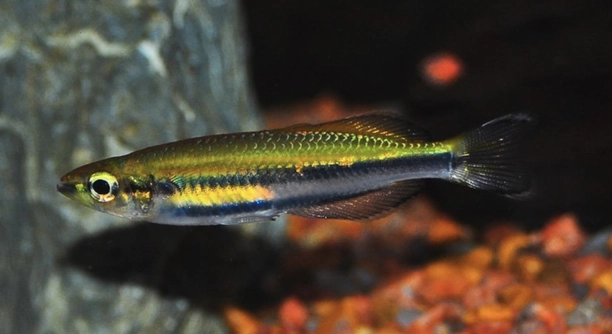
Have you ever noticed your rainbowfish spending more time in hiding than swimming freely? It can be puzzling and sometimes worrying, especially when you expect to see its bright colors on display in the tank.
Rainbowfish often hide due to stress, illness, changes in water conditions, overcrowding, lack of hiding spots, poor diet, or aggression from tank mates. Identifying these factors promptly is essential for maintaining their health and encouraging natural behavior.
Understanding why your rainbowfish retreats can help improve its environment and wellbeing, ensuring it feels secure and active in its aquatic home.
Stress and Sudden Changes
Rainbowfish are sensitive to their surroundings, and even small changes can make them hide. Moving the tank, changing decorations, or adjusting lighting can all cause stress. Temperature swings or inconsistent water parameters also affect their comfort. When stressed, rainbowfish may retreat to corners or behind plants, avoiding open areas. Over time, constant stress can weaken their immune system, making them more prone to illness. Keeping a stable environment helps them feel safe and encourages natural activity. Observing behavior during adjustments is important to ensure they adapt well.
Stress can reduce appetite and cause your rainbowfish to hide more frequently, signaling an unhealthy environment that needs attention.
Providing a predictable routine and minimal disturbances is key. Consistent feeding, stable temperatures, and gentle handling make rainbowfish feel secure. Plants and shelters give them safe spaces. Monitoring their behavior helps prevent prolonged hiding and promotes a calmer, more active tank environment. Maintaining clean water and avoiding overcrowding also reduces stress, encouraging natural swimming and social interactions among the fish.
Water Quality and Health
Poor water conditions often lead to hiding. High ammonia, nitrite, or nitrate levels cause discomfort and illness in rainbowfish.
Maintaining clean water and proper filtration is essential for healthy fish behavior. Regular testing and water changes prevent them from hiding excessively.
Water quality directly impacts the health and activity of rainbowfish. Dirty or unbalanced water can irritate gills, cause infections, and trigger lethargy. Rainbowfish exposed to fluctuating pH, hardness, or temperature often retreat to hiding spots to cope. Consistent maintenance, including partial water changes and filter cleaning, keeps conditions stable. Adding live plants can help absorb toxins and provide shelter. Monitoring water parameters with test kits ensures problems are caught early. Additionally, avoid overfeeding, as leftover food can decompose, increasing harmful compounds. Observing your fish after changes helps detect stress or illness early. Healthy water promotes vibrant colors, normal swimming patterns, and social behavior. Ensuring your rainbowfish feel comfortable in their environment reduces hiding tendencies and supports long-term wellbeing.
Overcrowding and Tank Mates
Too many fish in the tank can make rainbowfish feel unsafe. Crowding causes stress, reduces swimming space, and increases hiding behavior. Aggressive tank mates can worsen the problem, forcing rainbowfish to retreat often.
Overcrowding disrupts social balance and limits territory. Rainbowfish naturally swim in groups, but when space is insufficient, they cannot establish safe areas. Aggressive species may chase or nip them, prompting constant hiding. Providing at least one gallon of water per inch of fish and ensuring peaceful companions is essential. Open swimming space and hiding spots help rainbowfish feel secure, reducing stress and promoting healthy activity.
Balancing tank size, fish count, and species compatibility directly affects their comfort. Observing interactions and rearranging decorations or adding plants can help create safe zones. A well-planned tank encourages natural behavior and reduces frequent hiding.
Diet and Nutrition
Poor diet impacts rainbowfish energy and behavior. Inadequate nutrition can lead to hiding, lethargy, or illness.
Rainbowfish need a varied diet of high-quality flakes, pellets, and occasional live or frozen foods. Lack of nutrients weakens their immune system, causing them to hide more. Supplements like spirulina or brine shrimp support vibrant colors and vitality.
Feeding routines affect behavior too. Overfeeding leads to water pollution, which stresses rainbowfish, while underfeeding reduces energy, making hiding more common. Providing a balanced mix of protein and plant-based food ensures proper growth and health. Observe how they respond to feeding; active fish usually swim openly, while those hiding may require dietary adjustments. Using feeding tongs or scheduled meals helps them associate mealtime with safety, encouraging more visible activity. Consistency in diet and portion control plays a key role in reducing hiding behaviors.
Hiding Spots and Tank Layout
Lack of hiding spots makes rainbowfish feel exposed. Without plants, rocks, or decorations, they retreat to corners and stress easily.
Providing natural shelters encourages them to explore more confidently. A few well-placed hiding spots reduce fear and improve overall activity in the tank.
Illness and Parasites
Illness or parasites often cause rainbowfish to hide. Symptoms include faded colors, clamped fins, or lethargy. Stress from sickness drives them to seek secluded areas, avoiding other fish.
Treating infections early is crucial. Quarantining affected fish, using appropriate medications, and maintaining clean water help prevent spreading disease. Observing behavior and noticing subtle changes ensures timely intervention. Regular tank maintenance, proper diet, and stable water conditions reduce the risk of illness. Ensuring your rainbowfish remain healthy keeps them active, reduces hiding, and supports natural social interactions within the aquarium.
Temperature Fluctuations
Rainbowfish are sensitive to water temperature changes. Sudden shifts can make them hide and become inactive. Maintaining consistent warmth supports comfort and normal activity levels.
Why is my rainbowfish hiding most of the time?
Rainbowfish hide when they feel unsafe or stressed. Changes in water quality, tank layout, or aggressive tank mates often trigger this behavior. Overcrowding or lack of plants and decorations can also make them retreat. Observing your tank conditions and adjusting them helps reduce hiding and encourages normal swimming patterns.
Can poor water quality cause my rainbowfish to hide?
Yes, poor water quality is a major reason rainbowfish hide. High levels of ammonia, nitrites, or nitrates irritate their gills and affect health. Inconsistent pH or temperature changes also stress them. Regular testing, partial water changes, and stable filtration keep the water safe and comfortable.
Do rainbowfish hide when they are sick?
Rainbowfish often hide when ill. Common signs include clamped fins, dull colors, or lethargy. Parasites, bacterial infections, or fungal issues can trigger hiding as a self-protective behavior. Quarantining sick fish, treating them promptly, and maintaining clean water supports recovery and reduces stress.
Can diet affect rainbowfish behavior?
Yes, diet impacts both energy levels and behavior. A poor or unbalanced diet can make rainbowfish lethargic, increasing hiding. They require a mix of flakes, pellets, and occasional live or frozen foods for proper nutrition. Overfeeding or leftover food can also affect water quality, further stressing them.
Does overcrowding make rainbowfish hide?
Overcrowding reduces swimming space and increases stress, causing rainbowfish to hide more. Aggressive tank mates worsen the issue. Providing enough room, peaceful companions, and creating territories with plants or decorations helps rainbowfish feel secure and more active.
Do rainbowfish need hiding spots even in a calm tank?
Yes, even in calm tanks, hiding spots are essential. Plants, rocks, and ornaments give rainbowfish security and reduce stress. They use these areas to rest or feel safe when startled. A well-structured tank encourages natural exploration and social interaction.
How do temperature fluctuations affect rainbowfish behavior?
Rainbowfish are sensitive to temperature changes. Sudden drops or spikes make them seek shelter and hide. Maintaining a stable range of 24–28°C (75–82°F) supports comfort, activity, and overall health. Using a reliable heater and thermometer prevents stress caused by inconsistent temperatures.
Will adding more plants reduce hiding?
Yes, adding plants or decorations creates safe zones and encourages movement. Dense areas allow rainbowfish to retreat when stressed while still feeling secure. Balanced plant placement supports natural behavior without restricting swimming space, making the tank environment healthier and calmer.
Is it normal for rainbowfish to hide at night?
Hiding at night is normal because rainbowfish are diurnal. They naturally seek shelter or rest in covered areas when lights are off. Providing plants or caves ensures they have a safe space, reducing stress and preventing damage from nighttime activity.
Can stress from tank moves make rainbowfish hide for weeks?
Yes, moving a tank or rearranging decorations can stress rainbowfish. Some may hide for days or weeks until they adapt. Gradual changes, stable water parameters, and minimal handling help them regain confidence and resume normal swimming patterns.
How can I tell if my rainbowfish is hiding due to stress or illness?
Observe other symptoms along with hiding. Stress usually coincides with sudden environmental changes or aggression from tank mates. Illness often shows physical signs such as clamped fins, faded color, or labored breathing. Monitoring behavior and water quality helps determine the cause and appropriate response.
Does feeding schedule affect hiding behavior?
Yes, irregular feeding or overfeeding affects rainbowfish activity. Hunger may prompt more exploration, while leftover food can pollute water, causing stress and hiding. Consistent feeding routines, portion control, and varied diet support energy levels, health, and active behavior.
Can aggressive tank mates be the reason for constant hiding?
Aggressive fish can intimidate rainbowfish, forcing them into hiding. Nipping or chasing makes them feel unsafe. Separating species or providing hiding spots reduces stress. Peaceful tank mates improve comfort, allowing rainbowfish to explore and display natural colors.
Are rainbowfish shy by nature?
Rainbowfish are generally active and social but can be shy under certain conditions. Shyness increases with stress, lack of cover, or poor tank conditions. Providing a safe, well-planted environment and compatible companions helps them feel secure and reduces hiding behavior.
How long does it take for rainbowfish to stop hiding after changes?
Adaptation depends on the severity of stress or illness. Minor changes may take a few days, while major moves or recovery from illness can take weeks. Maintaining consistent water quality, stable temperature, proper diet, and safe hiding spots speeds up adjustment and encourages normal activity.
Can tank lighting affect hiding behavior?
Yes, bright or harsh lighting can make rainbowfish retreat. They prefer moderate light with shaded areas to feel secure. Adjusting light intensity and providing plants or ornaments helps them regulate exposure while exploring the tank safely.
Is it necessary to quarantine new fish to prevent hiding?
Quarantining new fish is essential. Introducing untested fish can introduce disease or aggression, causing rainbowfish to hide. A 2–4 week quarantine helps monitor health and behavior, reducing stress and maintaining a safe, stable community tank.
Do rainbowfish hide more during breeding?
Rainbowfish may seek secluded areas during breeding. Spawning behavior encourages hiding in plants or caves to protect eggs and young. Providing sufficient hiding spots supports natural breeding behavior and reduces stress for both adults and fry.
Can water hardness or pH influence hiding?
Yes, rainbowfish are sensitive to water chemistry. Extreme pH or hardness variations cause stress and hiding. Maintaining stable, species-appropriate conditions ensures comfort, promotes active swimming, and reduces stress-related hiding behavior.
Does frequent tank maintenance cause stress?
Frequent or disruptive maintenance can stress rainbowfish, leading to hiding. Gentle handling, gradual water changes, and minimal disturbance help them adjust and feel secure, encouraging normal activity and reducing fear-based behavior.
Can rainbowfish hide due to loneliness?
Rainbowfish are schooling fish and thrive in groups. A solitary fish may hide more due to insecurity or stress. Keeping at least six rainbowfish together encourages social behavior, reduces hiding, and promotes healthier, more confident activity.
Caring for rainbowfish requires attention to both their physical environment and daily needs. These fish are naturally active and social, and they thrive in stable conditions with enough space to swim freely. When rainbowfish begin hiding more often, it is usually a sign that something in their tank or routine needs adjustment. Stress, illness, overcrowding, poor water quality, lack of hiding spots, or aggressive tank mates can all influence their behavior. Observing your fish closely is important, as even small changes in activity, color, or appetite can indicate underlying issues. Addressing these factors early helps maintain their health and encourages natural, confident behavior in the tank.
Creating a comfortable environment is essential for reducing hiding behavior. Providing enough swimming space, hiding spots, and compatible tank mates gives rainbowfish a sense of security. Plants, rocks, and other decorations not only create areas for retreat but also enrich their surroundings and make the tank feel more natural. Consistent maintenance, including regular water testing, partial water changes, and temperature monitoring, ensures the tank remains safe and stable. A varied diet of high-quality flakes, pellets, and occasional live or frozen foods keeps them healthy and active. By focusing on these factors, rainbowfish are more likely to explore their environment, interact with tank mates, and display their bright colors without fear.
Understanding rainbowfish behavior helps create a better home for them and strengthens your relationship with your fish. Recognizing why they hide and addressing the causes allows you to improve their comfort and wellbeing. Over time, small adjustments like stable water conditions, thoughtful tank layout, balanced nutrition, and compatible companions can make a significant difference. Healthy, stress-free rainbowfish are more active, social, and visually striking, bringing life and color to the aquarium. Paying attention to their needs not only prevents excessive hiding but also promotes long-term health and happiness for your rainbowfish.

Hello,
If you enjoy the content that we create, please consider saying a "Thank You!" by leaving a tip.
Every little bit helps us continue crafting quality advice that supports the health, happiness, and well-being of pets around the world, for pets of all shapes, sizes, and species.
We really appreciate the kindness and support that you show us!