
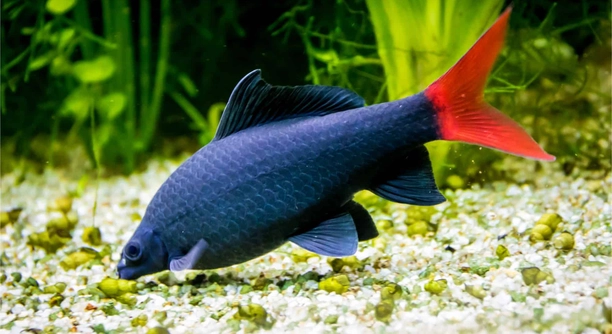
Is your rainbow shark starting to look pale or dull in color, leaving you unsure about what might be causing the change?
The most common reason your rainbow shark is losing color is stress, often caused by poor water quality, improper tank mates, or sudden changes in the environment. Other contributing factors include illness, diet deficiencies, and age-related fading.
Learning the possible causes behind this change can help you improve your fish’s environment and ensure it remains healthy and vibrant.
Poor Water Quality
Rainbow sharks are sensitive to their environment, and poor water quality is often the main reason they start losing color. Dirty or unbalanced water can lead to stress, which affects their health and appearance. Ammonia, nitrite, and nitrate levels should always be kept in check through regular water changes and filtration. A stable temperature and pH also help prevent stress. If your fish is showing signs of dullness, it’s important to test the water immediately and make the necessary adjustments. Keep the tank clean, avoid overfeeding, and monitor parameters weekly to support your rainbow shark’s overall health.
Regular maintenance makes a big difference. Use a reliable test kit and perform 20–25% water changes every week to keep conditions steady.
Clean water helps your fish feel safe, reduces illness, and allows natural colors to come through. A few basic steps can go a long way in protecting your rainbow shark’s appearance.
Incompatible Tank Mates
Aggressive or fast-moving fish can intimidate your rainbow shark, causing it to become stressed and lose color over time.
Rainbow sharks are territorial and prefer tank mates that are calm and non-aggressive. If housed with the wrong species, they may hide constantly, stop eating, or become aggressive themselves. These behavioral changes often result in faded colors. Suitable companions include barbs, gouramis, and loaches—fish that share a similar temperament but won’t provoke aggression. Avoid fin-nippers or overly active fish, as these can lead to ongoing stress. Always provide hiding spaces and plants to allow your rainbow shark to feel secure and in control of its territory. Proper tank dynamics not only improve behavior but also support vibrant, healthy coloring. Pay attention to how fish interact and make adjustments when necessary. Ensuring a peaceful tank environment allows your rainbow shark to thrive without feeling threatened.
Poor Diet
A lack of essential nutrients can cause your rainbow shark’s colors to fade. Diets that are too basic or unvaried do not support strong pigmentation or overall health. Balanced nutrition is key to keeping your fish looking vibrant.
Feed your rainbow shark a mix of high-quality pellets, frozen or live foods, and plant matter. Look for foods rich in carotenoids, which help enhance red and orange hues. Bloodworms, brine shrimp, and spirulina-based flakes are all great options. Avoid feeding the same thing every day—rotate foods to cover all nutritional needs. Feeding twice a day in small amounts also helps prevent leftover food, which can dirty the tank. A poor diet not only impacts color but weakens your fish’s immune system. A well-fed fish is more active, alert, and colorful. Make sure your rainbow shark gets a full range of nutrients regularly.
A varied diet supports healthy digestion, boosts immunity, and brings out natural coloration. Avoid cheap or generic flakes with filler ingredients, as these lack the nutrients needed for long-term health. If your fish appears dull or sluggish, try adding protein-rich options or color-enhancing foods gradually. Watch for positive changes in behavior and coloring. Good nutrition often brings noticeable improvements within a couple of weeks when paired with a clean tank and reduced stress.
Illness or Disease
Health problems like parasites, infections, or internal issues can lead to rapid color loss. Your rainbow shark may also become less active, hide more often, or refuse food during illness. Watch for spots, frayed fins, or labored breathing as warning signs.
Common illnesses include ich, bacterial infections, and fungal growths. These can all be brought on by stress, poor water, or sudden temperature shifts. Quarantine new fish before adding them to the tank, and treat any visible signs of illness right away. Medications like anti-parasitic treatments or antibacterial solutions can help if used early. Try to reduce stress during treatment by keeping lighting low and avoiding tank disruptions. If your fish is losing color and acting differently, illness may be the cause. Do not delay treatment, as early care increases recovery chances. Always remove any uneaten food during treatment periods to maintain clean water.
Infections can quickly weaken your fish and dull its appearance. A rainbow shark with a healthy immune system will bounce back faster with proper care. Always follow dosage instructions when using medicine and complete the full course. Partial treatments often lead to recurring problems. Consider adding aquarium salt if safe for your other fish, as it can reduce stress and promote healing. Watch behavior closely and respond to changes quickly to help your fish recover.
Stress from Sudden Changes
Rainbow sharks can react strongly to sudden shifts in their environment. Quick changes in lighting, temperature, or tank setup may cause stress, which often results in fading colors or unusual behavior. Stability is important for keeping your fish healthy and vibrant.
Avoid moving decorations, changing the substrate, or adjusting tank temperature too quickly. Even switching brands of water conditioner can affect sensitive fish. Always make gradual changes and monitor your rainbow shark closely afterward. A calm and steady environment helps reduce stress and protect their natural coloring.
Inadequate Hiding Spaces
Rainbow sharks need spots where they can rest and feel secure. Without proper hiding areas, they may become stressed and display dull colors. Use rocks, caves, and plants to create shaded sections where your fish can retreat when it feels threatened or tired.
Natural Aging
As rainbow sharks age, their coloring may naturally fade. This is normal and doesn’t always signal a problem. Keep providing good care and a stable environment to support their health, even if their appearance changes with time.
FAQ
Can rainbow sharks change color naturally over time?
Yes, rainbow sharks can experience natural color changes as they grow. Juveniles often look brighter and may darken or fade slightly with age. These shifts are usually gradual and not a sign of illness. Genetics also play a role, and some individuals will naturally have more intense colors than others. As long as the fish is active, eating well, and shows no signs of stress or disease, slight changes in color over time are completely normal and not something to worry about.
What water parameters are ideal for a healthy rainbow shark?
Rainbow sharks thrive in water with a temperature of 75–81°F (24–27°C), a pH between 6.5 and 7.5, and ammonia and nitrite levels at zero. Nitrate should be kept below 20 ppm. Keep the tank well-aerated and use a reliable filter to maintain water quality. Test your water weekly, especially after feeding or adding new fish. Stable, clean conditions are key to preserving your fish’s color and overall well-being. Sudden spikes in ammonia or pH can quickly lead to stress and fading color.
Can overfeeding cause a loss of color?
Yes, overfeeding can contribute to poor water quality, which leads to stress and color loss. Uneaten food breaks down and raises ammonia and nitrate levels. Feed your rainbow shark small portions once or twice a day, only what it can finish in under two minutes. Remove leftovers quickly to prevent waste buildup. Stick to a feeding routine and rotate food types to ensure balanced nutrition. Over time, better feeding habits will help improve your fish’s color and behavior.
How long does it take for color to return after fixing the problem?
Recovery time depends on the cause of color loss and how quickly it is addressed. If poor water quality or stress is corrected, you might see improvement within a few days to two weeks. However, if illness was involved, full recovery may take longer. Consistent care, stable conditions, and proper diet are important during this period. Watch your fish for signs of improvement like increased activity, better appetite, and gradual return of color. Patience is key, and small changes are often a good sign.
Is it normal for a rainbow shark to pale during sleep?
Yes, it’s normal for rainbow sharks to appear slightly pale when resting or sleeping. They often reduce activity at night and may find a quiet hiding spot. Their colors can fade a bit during this time but will return once they’re active again. This is not a cause for concern unless the color loss continues during the day or is paired with signs of stress or illness. As long as your fish eats well and acts normally during the day, this behavior is perfectly healthy.
Can lighting affect the color of my rainbow shark?
Yes, lighting plays a role in how vibrant your rainbow shark appears. Proper aquarium lighting helps bring out their natural colors. Too little light may cause the fish to look dull, while overly strong or direct light can create stress. Use a gentle, balanced lighting system that mimics a natural day-night cycle. Keep the light on for 8–10 hours daily and provide dim spots in the tank using plants or decorations. Balanced lighting supports healthy routines and helps your rainbow shark display its full color potential.
Do rainbow sharks become less colorful when kept alone?
Rainbow sharks are semi-aggressive and often do best when kept alone or with compatible species. Being alone doesn’t make them less colorful, but a lack of stimulation or poor tank conditions might. Even when housed solo, they need space, hiding areas, and regular interaction with their surroundings. A large, well-decorated tank with plants, rocks, and current helps keep your rainbow shark active and engaged, which supports its health and coloration. Boredom isn’t the issue—environment and care are what truly matter.
Final Thoughts
Taking care of a rainbow shark means paying close attention to its health, environment, and daily behavior. When a fish begins to lose its color, it often signals that something in the tank isn’t quite right. This can include poor water quality, a bad diet, or sudden changes in its surroundings. Sometimes the cause is more serious, like an illness or parasite. Even natural aging can lead to a slight fade in color. Noticing these changes early gives you a better chance to help your fish recover and return to its usual vibrant self. Observation is one of the most important parts of fishkeeping.
Simple steps can make a big difference. Testing your water weekly, keeping the tank clean, feeding a balanced diet, and creating a calm, safe space are all part of good care. Avoid making sudden changes to your setup and always quarantine new fish before adding them to the tank. If your rainbow shark shares the space with others, make sure its tank mates are peaceful and not overly active or aggressive. These actions may seem small, but they help reduce stress and allow your fish to feel more secure. A calm rainbow shark is more likely to eat well, stay active, and maintain strong coloring.
Caring for aquarium fish takes time and consistency, but it can be very rewarding. When your rainbow shark looks healthy and colorful, it’s a sign that you’re doing things right. If problems come up, try to fix them step by step rather than rushing. With a bit of patience and careful attention, most issues can be resolved. The more you learn about your fish’s needs, the better prepared you’ll be to handle any changes that come up. Keeping your rainbow shark healthy is not just about fixing problems—it’s about creating the best space for it to thrive each day.

Hello,
If you enjoy the content that we create, please consider saying a "Thank You!" by leaving a tip.
Every little bit helps us continue crafting quality advice that supports the health, happiness, and well-being of pets around the world, for pets of all shapes, sizes, and species.
We really appreciate the kindness and support that you show us!