
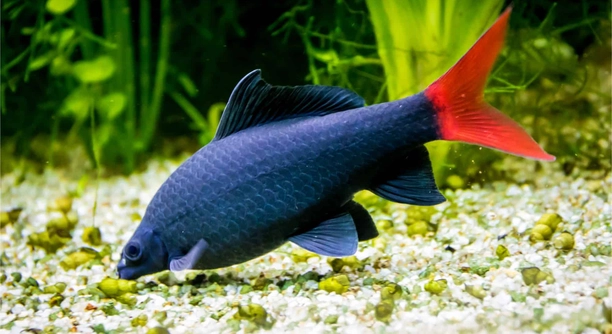
Caring for a Rainbow Shark means paying close attention to its water environment. Clean, healthy water is essential for the fish’s well-being and vibrant colors. Poor water quality can cause stress and illness in these beautiful aquatic pets.
Maintaining optimal water quality involves regular testing, timely water changes, and proper filtration. Controlling waste, avoiding overfeeding, and monitoring water parameters like pH, ammonia, and nitrite levels are crucial steps to keep your Rainbow Shark healthy.
Improving your aquarium’s water quality will create a safer, more comfortable space for your fish to thrive. This article covers practical ways to help you achieve that goal.
Regular Water Testing and Monitoring
Testing your aquarium water regularly is a simple but vital task. It helps you catch any problems early before they affect your Rainbow Shark. Using test kits, you can measure pH, ammonia, nitrite, and nitrate levels. Keeping these within safe limits ensures the fish stay healthy and comfortable. Testing once a week is usually enough unless you notice sudden changes in behavior or water appearance. Monitoring allows you to adjust your maintenance routine and keep the water stable. Stability is key for the wellbeing of your fish, especially sensitive species like the Rainbow Shark.
Regular testing helps maintain a healthy tank environment. It prevents dangerous chemical buildups that can harm your fish.
Tracking water parameters is a proactive way to avoid stress and disease. When you know the water’s condition, you can take action quickly. For example, if ammonia spikes, a partial water change can protect your fish. Many hobbyists find keeping a log helps to spot trends over time. Test kits are affordable and easy to use, making this a task anyone can manage. With a little effort, your Rainbow Shark will thrive in a safe and balanced tank.
Frequent Partial Water Changes
Changing a portion of your aquarium water regularly helps remove toxins and refreshes the environment. Typically, replacing 20-30% of the water weekly is a good practice. This process lowers nitrate levels and dilutes harmful substances produced by fish waste, uneaten food, and decaying plants. It also replenishes essential minerals and maintains stable water conditions. Always use dechlorinated water that matches the tank’s temperature to avoid shocking your fish. Partial water changes are better than complete changes, which can stress your Rainbow Shark by altering the water chemistry too much.
Consistent water changes help maintain cleaner water and support fish health.
Making partial water changes a routine task protects your Rainbow Shark from poor water quality. It keeps the environment fresh without causing sudden shifts. Using a siphon makes removing debris and waste easier during water changes. Avoid disturbing the tank’s substrate too much to protect beneficial bacteria. These bacteria help break down harmful compounds, contributing to a balanced ecosystem. Regular water changes combined with good filtration keep the aquarium stable. This care ensures your Rainbow Shark remains active, colorful, and happy in its home.
Proper Filtration System
A good filter is essential for keeping your Rainbow Shark’s water clean. It removes waste, toxins, and debris efficiently. Choosing the right filter depends on tank size and fish load.
Filters work by cycling water through mechanical, biological, and sometimes chemical media. Mechanical filtration traps solid particles, preventing buildup. Biological filtration supports beneficial bacteria that break down harmful ammonia and nitrites into less toxic nitrates. Chemical filtration, if used, removes dissolved substances. For Rainbow Sharks, strong water flow is beneficial but avoid overly turbulent currents. Regular filter maintenance, like cleaning or replacing media, ensures it works effectively without disrupting beneficial bacteria. Investing in a quality filter reduces the frequency of water changes and helps maintain stable water conditions.
Keeping your filter clean and functioning properly supports a healthy aquarium environment. This directly improves your Rainbow Shark’s wellbeing and longevity.
Avoid Overfeeding Your Rainbow Shark
Overfeeding leads to leftover food that decays and pollutes the water. Feed small amounts your fish can consume within a few minutes. Remove any uneaten food promptly.
Too much food increases waste and ammonia levels, which can cause stress and illness in your Rainbow Shark. Feeding only what your fish needs prevents these problems and helps maintain water quality. Monitor your fish’s eating habits and adjust feeding amounts accordingly. It’s better to feed smaller portions more frequently than large amounts at once. Using sinking pellets or wafers designed for bottom dwellers works best for Rainbow Sharks. Overfeeding is a common mistake but easy to avoid with careful observation and discipline.
Maintaining proper feeding habits supports clean water and a healthy fish environment. This simple step makes a big difference in tank care.
Control Tank Population
Too many fish create excess waste, making water quality harder to maintain. Keep the number of fish balanced for your tank size.
Overcrowding stresses Rainbow Sharks and increases toxin levels quickly. A well-planned population helps keep the tank stable and clean.
Use Live Plants
Live plants help improve water quality by absorbing nitrates and producing oxygen. They also provide hiding spots and reduce stress for your Rainbow Shark.
Plants like Java fern, Anubias, and Vallisneria are easy to care for and thrive in similar conditions. They contribute to a balanced ecosystem, reducing algae growth and creating a more natural environment. Adding live plants can lower maintenance needs by naturally filtering the water. Healthy plants signal a healthy tank, benefiting all aquatic life.
Maintain Stable Temperature
Rainbow Sharks prefer consistent temperatures between 74°F and 80°F. Sudden changes can stress them and affect water chemistry.
Using a reliable heater and thermometer helps keep the temperature steady for a healthy habitat.
How often should I test my Rainbow Shark’s water?
Testing your aquarium water once a week is a good rule of thumb. Regular checks help you catch any harmful changes early. If you notice your fish acting strangely or the water looks cloudy, test more often. Key parameters to monitor include pH, ammonia, nitrites, and nitrates. Keeping these stable prevents stress and illness in your Rainbow Shark.
What is the best way to perform water changes?
Partial water changes of about 20-30% every week work well. Use a siphon to remove debris from the substrate while taking out the old water. Replace it with fresh, dechlorinated water that matches the tank’s temperature. Avoid changing all the water at once, as this can shock your fish and disrupt the beneficial bacteria in the tank.
How do I choose the right filter for my tank?
Select a filter suitable for your tank size and fish load. For Rainbow Sharks, a filter with strong biological and mechanical filtration is best. It should provide good water flow but not create overly strong currents that stress the fish. Clean the filter media regularly, but avoid washing it with tap water to preserve helpful bacteria.
Can I use tap water directly in the tank?
Tap water usually contains chlorine or chloramine, which is harmful to fish. Always treat tap water with a water conditioner to remove these chemicals before adding it to your aquarium. This step is essential during water changes or when setting up a new tank.
What are the signs of poor water quality?
Look for cloudy water, unusual odors, and excessive algae growth. Your Rainbow Shark might become lethargic, lose color, or stop eating. Gasping at the surface or flashing (rubbing against objects) are also warning signs. Testing the water parameters can confirm if water quality is the issue.
How much should I feed my Rainbow Shark?
Feed small amounts that your fish can eat within two to three minutes, once or twice a day. Overfeeding leads to uneaten food sinking and polluting the water. Use sinking pellets or wafers formulated for bottom feeders. Remove any leftover food promptly to prevent water contamination.
Can live plants really improve water quality?
Yes, live plants absorb nitrates and produce oxygen, helping maintain a balanced tank environment. They reduce algae growth and provide hiding spots that lower stress for your Rainbow Shark. Plants like Java fern and Anubias are low-maintenance options that thrive in similar water conditions.
How do I maintain stable water temperature?
Use a reliable aquarium heater set between 74°F and 80°F, which is ideal for Rainbow Sharks. Check the temperature daily with an accurate thermometer. Avoid placing the tank near windows or heating vents to prevent sudden temperature swings that can stress your fish.
Is it important to control the number of fish in the tank?
Yes, overcrowding leads to increased waste and poor water quality. Keep the fish population balanced for your tank size to avoid excess toxins and stress. A crowded tank makes it difficult to maintain stable water parameters, which can harm your Rainbow Shark’s health.
How often should I clean the filter?
Clean your filter every 3 to 4 weeks or when water flow slows down. Rinse filter media gently in aquarium water to preserve beneficial bacteria. Avoid using tap water for cleaning, as chlorine can kill these helpful microbes. Proper filter maintenance supports healthy water conditions for your fish.
Maintaining good water quality is one of the most important parts of caring for a Rainbow Shark. Clear, clean water helps the fish stay healthy and active. When water conditions are right, the Rainbow Shark’s colors stay bright, and it is less likely to get sick. Paying attention to water parameters, regular testing, and proper tank maintenance can make a big difference in your fish’s well-being. Taking simple steps like partial water changes, using a good filtration system, and avoiding overfeeding helps keep the tank environment stable and safe.
It is also important to understand that a healthy aquarium is a balance between several factors. A well-maintained filter breaks down harmful substances, while live plants can help absorb excess nutrients and provide oxygen. Controlling the number of fish in your tank prevents waste buildup and keeps the water cleaner longer. Maintaining a consistent temperature prevents stress, which can make fish more vulnerable to disease. All these efforts work together to create a better habitat for your Rainbow Shark, making it easier for the fish to thrive and live longer.
Regular care and attention to your aquarium will lead to rewarding results. Even small improvements in water quality can boost your Rainbow Shark’s health and behavior. Being patient and consistent with testing, cleaning, and feeding habits will help you avoid common problems. Remember, keeping the water safe is not just about the fish but also about creating a pleasant and sustainable environment for all aquatic life in your tank. With steady care, your Rainbow Shark can remain a beautiful and lively addition to your home.

Hello,
If you enjoy the content that we create, please consider saying a "Thank You!" by leaving a tip.
Every little bit helps us continue crafting quality advice that supports the health, happiness, and well-being of pets around the world, for pets of all shapes, sizes, and species.
We really appreciate the kindness and support that you show us!