
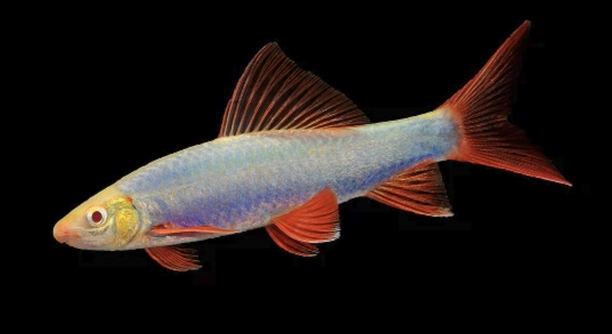
Is your rainbow shark spending most of its time hiding instead of exploring the tank like it used to?
The most common reason your rainbow shark is hiding is stress caused by environmental factors. Poor tank conditions, incompatible tank mates, or lack of hiding spots can make them feel threatened, leading to reclusive behavior.
Understanding these reasons will help you create a safer and more comfortable space for your rainbow shark to thrive.
Poor Tank Conditions
Rainbow sharks need clean, stable water to feel safe. If the tank is dirty, too small, or the water quality is off, they can become stressed and hide. Ammonia spikes, low oxygen levels, or sudden temperature changes often lead to discomfort. A tank smaller than 30 gallons doesn’t give them enough space to swim freely, making them feel trapped. Dirty gravel and clogged filters only add to the problem. They may retreat to corners or caves to avoid the chaos. These fish are sensitive to changes and need consistency to thrive. Simple improvements like regular water testing, proper filtration, and weekly water changes can help fix the issue.
Always check the tank’s water temperature, pH, and ammonia levels. Even small changes can have a big impact on your fish’s behavior.
A healthy tank should be clean, well-filtered, and quiet. Rainbow sharks prefer water temperatures between 72°F and 82°F with a pH between 6.5 and 7.5. Use a reliable water test kit weekly and remove any waste buildup in the gravel. Replace about 25% of the water each week and make sure the filter isn’t clogged. Avoid placing the tank near loud speakers or in areas with high foot traffic, as constant vibrations or sudden shadows can cause stress. Keeping the tank environment consistent and calm encourages more natural behavior.
Aggressive Tank Mates
Some fish don’t mix well with rainbow sharks, especially those that are too dominant or too active. Aggression from other tank mates often forces rainbow sharks to stay hidden for safety.
Rainbow sharks are semi-aggressive and very territorial. They don’t do well with fish that invade their space, like red tail sharks, bettas, or aggressive cichlids. Fast-swimming or nippy fish like barbs and tiger danios can also increase stress levels. When they’re constantly being chased or harassed, rainbow sharks retreat to hiding spots and become less active. It’s best to keep them with peaceful, bottom-dwelling species like loaches, gouramis, or rasboras. Even then, it’s important to monitor their behavior closely. Provide enough caves, plants, and territories to help reduce confrontations. Giving your rainbow shark enough space and the right tank mates creates a more peaceful environment, allowing them to roam freely and feel secure in their surroundings.
Lack of Hiding Spots
Without enough hiding places, rainbow sharks can feel unsafe and anxious. This often causes them to stay out of sight or wedge themselves behind equipment. They need spaces where they can retreat and feel protected.
In the wild, rainbow sharks hide among rocks, roots, and plants to avoid threats. A bare or open tank doesn’t meet these needs. Adding decorations like caves, tunnels, driftwood, and dense plants can give your fish safe zones to rest and feel secure. These spots reduce stress and help control territorial behavior. Spread the decorations across the tank so the shark doesn’t feel trapped in one area. Providing proper cover encourages more natural behavior and helps your fish feel at home in its environment.
Make sure the hiding spots are large enough for the shark to swim in and out easily. Avoid overcrowding with too many decorations, as this limits swimming space. Using smooth rocks or ceramic caves is ideal. Fake or real plants also work, but they should not block the flow of water. Position these elements in different parts of the tank to break up lines of sight, which helps reduce aggressive behavior from tank mates. Creating the right balance of open space and shelter makes a big difference in your shark’s comfort.
Stress from Recent Changes
Changes in the tank—like moving decorations, new fish, or water changes—can confuse and unsettle your rainbow shark. Even cleaning too aggressively can trigger hiding. These fish thrive in a steady and familiar environment.
When a rainbow shark experiences sudden changes, it often reacts by hiding or becoming less active. Moving the tank to a new location, adding unfamiliar tank mates, or shifting their hiding spots can all feel threatening. Even routine changes, such as large water swaps or rearranging decorations, may cause stress. It’s important to make changes gradually and limit disturbances when possible. Use smaller, more frequent water changes instead of large ones, and avoid major rearrangements unless necessary. Watch for signs of stress like color fading, reduced movement, or refusal to eat. Maintaining a calm, predictable setup helps your rainbow shark adapt more easily and behave more confidently over time.
Incompatible Lighting
Rainbow sharks prefer dim or moderate lighting. Bright, intense lights can make them feel exposed and unsafe, causing them to hide more often. Keeping the lighting soft helps reduce stress and supports more relaxed behavior in the tank.
Avoid sudden changes in lighting, such as turning the light on or off too quickly. Use a timer to create a consistent day-night cycle. Adding floating plants or using adjustable LED lights can also soften the light. A calm lighting setup helps your shark feel more secure in its space.
Natural Nocturnal Behavior
Rainbow sharks are naturally more active during the evening or early morning. If they’re hiding during the day, it might just be part of their normal rhythm. Observing them during low-light periods can give better insight into their activity levels.
Illness or Injury
A sick or injured rainbow shark often hides to protect itself. Look for signs like faded color, ragged fins, or changes in appetite. These are clear indicators something might be wrong and that medical attention may be needed.
FAQ
Why is my rainbow shark hiding all the time?
Rainbow sharks hide frequently when they feel stressed or unsafe. Common causes include poor water quality, lack of hiding spots, aggressive tank mates, or sudden changes in their environment. They naturally seek shelter to feel secure. Improving tank conditions and providing more cover usually helps reduce hiding behavior.
How can I tell if my rainbow shark is stressed?
Signs of stress include constant hiding, loss of color, erratic swimming, and loss of appetite. Stressed sharks may also cling to tank decorations or show signs of injury from fighting. Checking water parameters and tank setup is essential to identify stress factors.
What tank size is best for a rainbow shark?
A minimum tank size of 30 gallons is recommended for a single rainbow shark. They are active swimmers and need enough space to roam and establish territory. Larger tanks help reduce stress and aggressive behaviors by providing more room.
Can rainbow sharks live with other fish?
Yes, but tank mates must be chosen carefully. Peaceful, bottom-dwelling species like loaches or gouramis usually get along well. Avoid aggressive or very active fish, as they can cause stress and force your shark to hide.
How often should I clean my rainbow shark’s tank?
Weekly partial water changes of about 25% are ideal. Regular cleaning helps maintain water quality and reduces toxins that cause stress. Avoid full water changes too often, as sudden shifts can upset your fish.
What water conditions do rainbow sharks need?
Rainbow sharks thrive in water with temperatures between 72°F and 82°F, pH levels of 6.5 to 7.5, and low ammonia and nitrate concentrations. Stable water conditions are critical for their health and comfort.
Why does my rainbow shark hide after I add new fish?
Adding new fish can disturb the tank’s social balance. Rainbow sharks may hide to avoid potential threats or bullying from new, unfamiliar tank mates. Giving the tank time to adjust and ensuring plenty of hiding spots can ease the transition.
Is hiding a sign of illness in rainbow sharks?
Sometimes. While hiding can be normal, excessive hiding combined with symptoms like faded color, lethargy, or lack of appetite may indicate illness or injury. Prompt diagnosis and treatment improve recovery chances.
How can I encourage my rainbow shark to be more active?
Maintaining proper water conditions, providing enough swimming space, and adding hiding spots can make your shark feel secure and confident. Feeding on a regular schedule and avoiding tank disturbances also help promote activity.
What should I do if my rainbow shark is hiding due to aggression?
Remove aggressive tank mates if possible. Increase hiding places and rearrange the tank layout to break up territories. Consider a larger tank to reduce territorial stress. Monitoring behavior closely ensures your shark’s safety and comfort.
When a rainbow shark hides, it is usually a sign that something in its environment isn’t quite right. These fish are naturally shy and like to have places where they feel safe. Stress, poor water conditions, aggressive tank mates, or sudden changes can all cause them to hide more often. By paying close attention to the tank’s setup and the fish’s behavior, you can find out what might be causing the problem. Making small adjustments like improving water quality, adding hiding spots, or choosing better tank mates can make a big difference. The goal is to create a calm, comfortable environment where the rainbow shark feels secure and can show more natural activity.
Maintaining a healthy tank for a rainbow shark takes regular effort and care. Water testing, cleaning, and observing your fish’s behavior are important parts of this process. A clean and stable environment with the right temperature and pH levels helps prevent stress and illness. It’s also important to provide enough space for the fish to swim and explore. When you notice your rainbow shark hiding frequently, try to identify what changed in the tank recently. Addressing these factors early can prevent long-term problems and keep your fish healthy and happy. Taking these steps helps build trust and allows the fish to become more comfortable in its home.
Remember that every rainbow shark is different and may react to its environment in unique ways. Some may be naturally more shy, while others might be bolder. Observing your fish daily and learning its habits is key to understanding its needs. Patience and consistent care are essential. Over time, your rainbow shark should become more confident and spend less time hiding. By creating the right conditions and minimizing stress, you give your fish the best chance to thrive. This not only improves its health but also makes your tank a more enjoyable and peaceful place for everyone.

Hello,
If you enjoy the content that we create, please consider saying a "Thank You!" by leaving a tip.
Every little bit helps us continue crafting quality advice that supports the health, happiness, and well-being of pets around the world, for pets of all shapes, sizes, and species.
We really appreciate the kindness and support that you show us!