
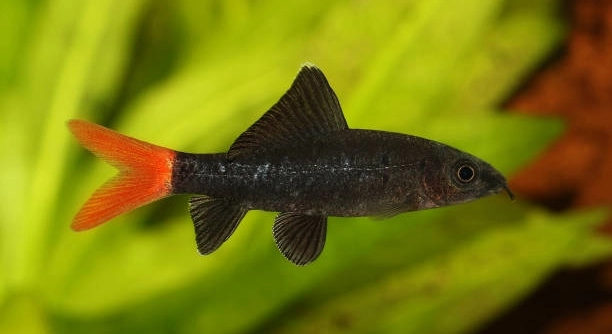
Is your rainbow shark moving in odd ways, especially swimming backwards more often than usual? This behavior can be confusing and concerning. Understanding what’s going on is important for maintaining a healthy and stress-free aquarium environment.
Rainbow sharks may swim backwards due to stress, poor water quality, illness, neurological issues, tank size limitations, sudden changes in their environment, or disorientation from reflective surfaces. Each of these factors can contribute to unusual swimming behavior.
Knowing the potential causes can help you take the right steps to improve your shark’s health and comfort in its aquatic space.
Stress and Aggression in the Tank
Rainbow sharks are territorial and can become aggressive if they feel crowded or threatened. This type of stress often shows up through strange swimming behaviors, like darting backwards or erratically moving around the tank. If your rainbow shark shares space with other bottom dwellers or aggressive fish, it might constantly feel the need to defend its space. Stress like this can change how they swim. Adding hiding spots or rearranging the tank may help reduce this stress. It’s also important to check that your shark isn’t being harassed by tank mates, as this can lead to even more abnormal behaviors.
Tank aggression doesn’t always involve visible fighting. Subtle signs like constant chasing or hovering near other fish can also trigger stress-related swimming patterns.
Creating a calm environment by limiting aggressive tank mates and providing proper territory spacing can help your shark feel safe. This usually leads to healthier and more predictable swimming behaviors.
Poor Water Quality
Dirty water can quickly affect a rainbow shark’s behavior. If the tank isn’t cleaned regularly or if filters aren’t working properly, ammonia and nitrate levels can rise. Even minor spikes can irritate your shark and make it act strangely.
A poorly maintained tank can lead to confusion, disorientation, and irregular swimming such as backwards motion. Rainbow sharks are sensitive to water conditions, and their odd behavior may be their way of reacting to discomfort or irritation. Regularly testing your water is essential. You should check for ammonia, nitrites, and pH levels at least once a week, especially after feeding or a water change. If these levels are off, do a partial water change right away. Make sure your filtration system is working efficiently and isn’t clogged. Overfeeding can also cause poor water quality, so be careful with food portions. Keeping a clean tank with stable parameters helps your rainbow shark move calmly and confidently.
Illness or Infection
Health problems can affect how a rainbow shark moves. Internal parasites, bacterial infections, or swim bladder disorders may cause confusion, disorientation, or difficulty controlling direction, which can include backward swimming or odd tilting in the water.
Swim bladder issues are especially common in fish showing unbalanced or reversed movement. This organ helps fish control their buoyancy, and when inflamed or infected, it can disrupt normal swimming patterns. Signs include floating oddly, sinking suddenly, or flipping direction without reason. Infections can develop from poor water quality or injuries. If you notice these signs, isolate the fish and check for other symptoms like bloating, red patches, or loss of appetite. Medication might be needed depending on the diagnosis. Keeping a clean tank and feeding a high-quality, well-balanced diet can help prevent infections and health issues that lead to swimming problems.
Some diseases progress quietly, showing only slight changes in swimming behavior early on. That’s why close observation matters. Monitor how your shark moves across a few days. If the behavior worsens or is paired with other symptoms like rapid breathing or a lack of interest in food, it’s time to take action. Catching signs early gives you a better chance at treating the condition before it becomes more serious.
Reflections or Glass Distortion
Bright lighting or shiny backgrounds may create reflections inside the tank. These reflections can confuse a rainbow shark, leading it to swim in odd ways. In some cases, it may try to confront its own reflection repeatedly, which disrupts natural swimming behavior.
This confusion is especially common in tanks with mirrored or overly clean glass. Rainbow sharks are territorial and may mistake their reflection for another fish invading their space. They could swim backwards as they retreat or try to position themselves to attack. To reduce reflections, adjust your tank lighting or add a background to the glass. Plants, decorations, or driftwood can also help break up the reflection. If you notice your shark interacting with a certain spot on the tank wall, it’s likely reacting to what it sees. Changing the light angle or dimming it slightly can make a big difference and restore calm swimming behavior.
Neurological Problems
Neurological issues can change how a rainbow shark swims. Damage to the nervous system may come from head injuries, infections, or exposure to harmful chemicals. These problems often lead to erratic swimming, including sudden backward movements or spiraling.
If your shark shows repeated, uncontrolled motion with no other fish nearby, it could be a sign of nerve damage. Check for swelling, shaking, or twitching along the body. There’s no easy fix, but maintaining clean water and avoiding harsh chemicals can help prevent further damage. Sometimes, these signs appear after a tank crash or contamination incident.
Tank Size and Layout
A small or crowded tank limits how a rainbow shark moves. When space is tight, your shark might struggle to turn around properly, causing it to swim backwards more often. This is especially true in tanks under 30 gallons or those packed with decorations.
Sudden Environmental Changes
Drastic changes in water temperature or pH can cause confusion. Rainbow sharks may swim backward or erratically when their environment shifts too fast.
FAQ
Why is my rainbow shark swimming backwards suddenly?
Sudden backward swimming can be caused by stress, illness, or changes in the tank environment. It often signals discomfort or confusion. Poor water quality or aggressive tank mates may push your fish into defensive or unusual behavior. Also, neurological problems or swim bladder issues can cause loss of normal swimming control.
How can I tell if my rainbow shark is stressed?
Signs of stress include hiding more than usual, loss of appetite, rapid breathing, or erratic swimming such as darting or swimming backwards. Stress often comes from overcrowding, bullying by other fish, or sudden changes in water conditions. Watch your shark’s interaction with other fish and its overall activity levels.
Can poor water quality cause backward swimming?
Yes. Ammonia, nitrite, and nitrate levels that rise due to insufficient cleaning or filtration can irritate your fish’s gills and nervous system. This irritation may result in disoriented swimming patterns, including swimming backwards or upside down. Regular testing and water changes prevent these issues.
Is backward swimming a sign of illness?
It can be. Diseases affecting the swim bladder, internal infections, or neurological damage might cause your fish to swim oddly. If backward swimming comes with other symptoms like bloating, loss of appetite, or unusual spots on the body, illness is likely. Treating early helps improve recovery chances.
How does tank size impact swimming behavior?
Rainbow sharks need space to swim freely. A small or overcrowded tank limits their movement, forcing awkward turns or backward swimming. Tanks smaller than 30 gallons or packed with too many decorations reduce usable space, increasing stress and odd behavior.
What should I do if my fish is reacting to reflections?
Reflections can confuse and stress your shark, making it swim backwards or attack the glass. Reducing bright lights, adding a tank background, or placing plants and decorations to break up reflections can help. Adjusting the lighting angle often calms this behavior.
Can sudden environmental changes cause swimming problems?
Yes. Sudden shifts in water temperature, pH, or hardness can cause disorientation and stress. Your rainbow shark may swim backwards or erratically until it adjusts. Stabilizing the environment slowly and avoiding abrupt changes keeps your fish comfortable.
Are neurological issues common in rainbow sharks?
Neurological problems aren’t very common but can happen due to injury, infections, or toxins in the water. Symptoms include loss of balance, twitching, or repetitive backward swimming. Maintaining good water quality and avoiding harmful substances lowers the risk of neurological damage.
How can I improve my rainbow shark’s swimming behavior?
Focus on clean water, appropriate tank size, and peaceful tank mates. Provide hiding places and reduce reflections. Watch for signs of illness and act quickly if symptoms appear. Regular maintenance and observation help keep your fish healthy and swimming normally.
When should I consult a vet or expert?
If your rainbow shark shows persistent backward swimming alongside other symptoms like weight loss, discoloration, or lack of appetite, it’s time to seek expert advice. Early diagnosis and treatment improve outcomes, especially with infections or neurological issues.
Rainbow sharks are lively fish that bring energy to any aquarium. When they start swimming backwards often, it’s usually a sign that something in their environment or health is not quite right. This behavior can result from various causes, such as stress, water quality issues, illness, or even confusion caused by reflections. Understanding why your rainbow shark swims backwards helps you respond appropriately to their needs and maintain a healthy tank. It’s important to observe their behavior closely and consider all possible factors before taking action.
Maintaining good water quality is one of the most crucial steps in ensuring your rainbow shark’s well-being. Regular water testing and cleaning prevent harmful chemical build-up that can irritate your fish or affect their nervous system. Equally important is the size and setup of the tank. Rainbow sharks need enough space to swim comfortably without feeling crowded. Providing hiding spots and minimizing aggressive tank mates reduces stress, which often leads to unusual swimming habits like backward swimming. Adjusting lighting and tank decorations to reduce reflections also creates a calmer environment for your fish.
If your rainbow shark shows signs of illness or neurological problems, it’s best to seek advice from a professional. Early treatment can make a big difference in recovery and overall health. Paying close attention to subtle changes in behavior, appetite, and appearance can help you catch issues early. In most cases, small changes in the tank environment or care routine improve swimming behavior and keep your fish happy. Taking consistent, thoughtful care of your rainbow shark supports a vibrant, active pet that adds beauty and movement to your aquarium.

Hello,
If you enjoy the content that we create, please consider saying a "Thank You!" by leaving a tip.
Every little bit helps us continue crafting quality advice that supports the health, happiness, and well-being of pets around the world, for pets of all shapes, sizes, and species.
We really appreciate the kindness and support that you show us!