
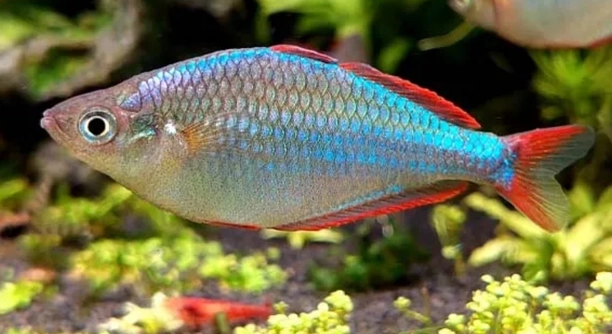
Is your rainbow fish rubbing its body against rocks, plants, or tank decorations, leaving you feeling unsure about what’s going on? This behavior can be surprising, especially when everything else seems normal in your tank.
The most common reason rainbow fish scratch against surfaces is due to irritation caused by parasites, particularly gill or skin flukes. This behavior, called flashing, is a physical response to discomfort and often signals an underlying health issue.
Understanding what causes flashing, along with early signs and possible treatments, can help you respond quickly and protect your rainbow fish from further stress.
Common Reasons for Scratching in Rainbow Fish
Rainbow fish scratching or “flashing” is usually caused by irritation on their skin or gills. This can happen due to parasites like gill flukes, ich, or skin flukes. These parasites are often introduced through new fish, plants, or contaminated water. Poor water quality, such as high ammonia or nitrate levels, can also stress fish and make them more prone to infections. Sometimes, leftover food or waste in the tank can break down and release toxins that affect your fish’s comfort. Scratching is how they try to relieve the irritation. It’s important to catch this early because if the issue isn’t addressed, it can lead to more serious health problems. Watch for other signs like clamped fins, rapid breathing, or visible white spots. Acting quickly with the right treatment and cleaning routines can help stop the scratching and keep your fish healthy in the long run.
Scratching can also happen after a recent change in the tank environment, such as a water change or the addition of new décor.
Even if the scratching seems mild, it’s a good idea to test your water parameters right away. Checking for ammonia, nitrites, and pH changes can help you find the source quickly. Addressing these issues early makes a big difference for your fish.
How to Help Your Rainbow Fish Stop Scratching
Start by testing the water using a reliable aquarium test kit. If you find high ammonia, nitrites, or a pH imbalance, do a partial water change and clean the filter if needed.
If your water levels are fine, but the scratching continues, treat the tank for parasites. Use a medication that’s safe for rainbow fish, and follow the instructions exactly. It’s often best to treat the whole tank instead of just one fish, since parasites spread quickly. Remove any activated carbon from the filter during treatment so the medicine stays effective. Increase aeration by adding an air stone if needed. Keep the water temperature stable and avoid overfeeding. After treatment, monitor your fish closely and continue checking water conditions regularly. It’s also helpful to quarantine any new fish or plants before adding them to your main tank in the future. Taking these steps not only helps stop the current scratching but also lowers the chances of it happening again.
When Scratching Becomes a Bigger Concern
If your rainbow fish keeps scratching for more than a few days or shows other symptoms like loss of appetite or odd swimming patterns, it could mean the issue is getting worse and needs more serious attention.
Long-term scratching often points to an untreated parasite or a recurring water quality issue. In some cases, fish can also develop secondary infections due to damaged skin or stress. Look for cloudy eyes, redness, or lesions. These are signs the fish’s immune system is struggling. At this point, it’s important to consider a more targeted treatment, possibly with a combination of medications. You might also need to isolate the affected fish if others are showing no symptoms. Continue testing the water daily and keep things as stable as possible. Reducing stress plays a big part in recovery, so dim the lights and avoid rearranging tank décor during this time.
Preventing the problem from escalating also means observing your tank regularly. Small changes in behavior can help you catch things early. Make it part of your weekly routine to do water checks, even if everything looks fine. Early action saves time, money, and stress for both you and your fish. Healthy water and stable conditions go a long way in avoiding major health problems.
Proper Tank Maintenance Matters
Clean water is one of the best ways to prevent scratching in rainbow fish. Regular tank care helps stop the buildup of harmful substances and keeps fish from getting stressed or sick.
Start by doing weekly partial water changes, around 25 to 30 percent, depending on your tank size. Use a gravel vacuum to remove waste from the substrate. Always treat tap water with a dechlorinator before adding it to the tank. Check your filter to make sure it’s not clogged and is still running well. Test water parameters weekly for ammonia, nitrites, nitrates, and pH. Avoid overfeeding, as leftover food can quickly foul the water. Keep your tank decorations clean, but don’t scrub everything at once—beneficial bacteria need to stay in place. Make small adjustments if needed, and always give your fish time to adapt. Good tank habits make it easier to catch and fix problems before they grow.
Other Behaviors to Watch For
If your rainbow fish is scratching and also gasping at the surface, it could mean there’s not enough oxygen in the water. Make sure your filter is circulating water properly and consider adding an air stone for better airflow.
Rapid gill movement, hiding, or rubbing against objects repeatedly are signs of discomfort. These behaviors usually appear before physical symptoms show up, so catching them early can help prevent worse issues later on.
When to Seek Outside Help
If home treatments haven’t worked after a full course, or if multiple fish are now affected, it’s time to seek outside help. A local aquatic vet or a reputable fish store can guide you through stronger treatment options. Bring photos or video of the behavior, plus your latest water test results. This gives them a better idea of what’s going on. Avoid trying multiple medications at once without advice, as it can make things worse. Getting expert help might cost a bit, but it can save your fish and stop the problem from spreading to others in the tank.
Always Observe Your Fish
Regular observation makes it easier to catch small changes. Scratching might be the first sign of something bigger, so don’t ignore it.
FAQ
Why is my rainbow fish scratching but looks healthy otherwise?
Even if your rainbow fish appears healthy, scratching can still signal an issue beneath the surface. Early stages of parasite infections, such as flukes or ich, may not show visible symptoms at first. The fish might feel irritated but still eat and swim normally. Water quality can also be a factor—ammonia or nitrite levels slightly above normal may irritate gills and skin, causing this behavior. Sometimes, fish scratch briefly after a water change due to shifts in pH or temperature. Keep monitoring closely, test your water, and act if symptoms increase or persist.
How can I tell if parasites are causing the scratching?
Parasites often cause other symptoms in addition to scratching. Look for small white spots on the body or fins, frayed fins, excess slime coating, or fast breathing. Fish might stay near the filter output or at the bottom of the tank. Flukes, in particular, are hard to see but can cause flashing and clamped fins. Use a flashlight to inspect your fish at night—some parasites reflect under light. If you notice more than one symptom or more fish doing the same thing, it’s safe to assume parasites might be present and treatment should begin soon.
Can stress alone cause my fish to scratch?
Yes, stress can cause scratching even without parasites. Changes in the tank—like new fish, loud noises, sudden lighting changes, or temperature swings—can all trigger stress responses in rainbow fish. Stress weakens the immune system, making fish more sensitive to small irritants. If your water is clean and no parasites are present, look at recent changes in your tank. Try to stabilize the environment, reduce noise or traffic near the aquarium, and give the fish a few days to settle. If scratching stops, it was likely a stress reaction and not an illness.
How long should I wait before treating for parasites?
If your fish is scratching consistently for more than two days and water conditions are fine, it’s usually best to begin treatment. Waiting too long can let the problem spread or worsen. Start with a broad-spectrum parasite treatment that is safe for rainbow fish, and follow the directions closely. Don’t guess the dosage. Remove activated carbon from your filter before treatment, and improve aeration. Keep an eye on your fish during treatment to make sure they don’t react poorly. Finish the full course, even if the scratching stops early, to fully clear the issue.
Can scratching be caused by water temperature?
Yes, sudden drops or rises in water temperature can irritate fish and lead to scratching. Rainbow fish prefer stable temperatures around 74–78°F (23–26°C). If the heater isn’t working properly or temperatures shift quickly during water changes, fish might react by flashing. Use a reliable aquarium thermometer and check daily. When doing water changes, make sure new water matches the tank temperature as closely as possible. Consistent temperature helps fish stay calm and reduces stress-related behaviors.
Do all fish in the tank need to be treated if one is scratching?
In most cases, yes. If one fish is showing signs of parasites, the others have likely been exposed. Treating the whole tank helps prevent future outbreaks. Quarantining one fish is only effective if you catch the issue extremely early and have a separate tank ready. It’s safer and more practical to treat all tankmates together. Be sure the medication you choose is safe for all species in your aquarium. After the treatment, continue monitoring everyone closely and test water weekly to prevent future problems.
Can scratching be a normal behavior?
Occasional scratching or rubbing against objects is normal from time to time. Fish might do this to adjust to minor changes or simply because something brushed against them. If it’s rare and no other symptoms are present, there’s usually no reason to worry. However, frequent or intense scratching, especially if it lasts for more than a day or two, is not normal. If multiple fish are doing it, or if you notice other symptoms like clamped fins or changes in appetite, you should take action. Trust your instincts—small changes can mean something more.
What should I do after the treatment is done?
After the treatment, do a partial water change—usually around 25–30%—to remove leftover medication. Replace the activated carbon in your filter if you took it out during treatment. Monitor your fish for any signs that the problem is returning. Keep testing your water weekly and maintain a stable environment. It’s also a good time to review your tank setup—make sure you’re not overstocked, filters are working well, and your cleaning routine is consistent. If the scratching stops and your fish return to normal, you’ve likely addressed the problem fully.
Final Thoughts
Scratching in rainbow fish is a behavior that can seem small at first, but it often points to something deeper. Whether it’s due to parasites, poor water conditions, or stress, it’s important not to ignore it. Watching your fish closely and acting early can help prevent bigger problems. Even if your fish looks healthy, regular scratching isn’t normal. It’s usually their way of showing they’re uncomfortable. A quick water test, a look at recent changes in the tank, and checking for other symptoms can give you clues about what’s going on. The sooner you take action, the better chance your fish has of staying healthy.
Caring for rainbow fish means paying attention to more than just feeding and cleaning. Things like stable water temperature, clean tank surfaces, and good filtration all play a big role in their health. Stress is another factor that often gets overlooked. Loud sounds, sudden lighting, or even moving things around in the tank too often can affect them. Keeping a calm and steady environment can lower stress and reduce the chances of scratching. Small habits, like testing water weekly or watching your fish for a few minutes every day, can help you spot problems early. It doesn’t take long, but it makes a big difference in the long run.
It’s also helpful to remember that treatment doesn’t end when the scratching stops. Follow through with the full course of any medication, and don’t forget to clean up properly afterward. Change a portion of the water, restart your filter with fresh carbon, and keep an eye on your fish for a few more days. Going forward, think about how new fish or plants are added to your tank. Quarantining new additions can help prevent unwanted parasites or bacteria from entering your main tank. Rainbow fish are peaceful and active, and when they’re healthy, they’re a joy to watch. Taking the time to learn what their behaviors mean—and acting when something seems off—can keep them thriving in your care. It’s not about doing everything perfectly, but about staying aware and being ready to help when they show signs of trouble.

Hello,
If you enjoy the content that we create, please consider saying a "Thank You!" by leaving a tip.
Every little bit helps us continue crafting quality advice that supports the health, happiness, and well-being of pets around the world, for pets of all shapes, sizes, and species.
We really appreciate the kindness and support that you show us!