
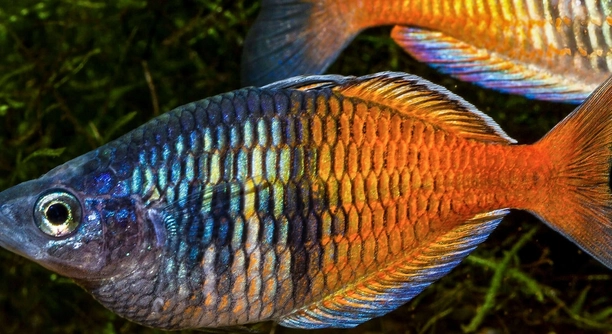
Rainbow fish are a popular choice for home aquariums due to their vibrant colors and active behavior. Breeding them at home can be an exciting and rewarding experience for fish enthusiasts. Here’s how to do it.
Breeding rainbow fish at home requires a proper environment with stable water conditions, the right tank setup, and healthy adult fish. Ensure the tank has plants for hiding, and maintain optimal temperature, pH, and lighting levels for successful breeding.
By following these simple steps, you can create an ideal environment for your rainbow fish to thrive and breed. The process is straightforward, and with patience, you can enjoy watching your fish grow.
Choosing the Right Rainbow Fish for Breeding
When selecting rainbow fish for breeding, it’s essential to choose healthy adults that are well-fed and free from disease. Look for fish with bright colors and no visible signs of stress or illness. Ideally, your breeding pair should be mature, around 6-12 months old, and in good physical condition. Male rainbow fish are often more colorful than females, making it easier to distinguish between them. However, both sexes should be well-sized, as the female needs to carry the eggs. A strong, healthy breeding pair increases the chances of successful breeding.
Breeding pairs should be kept together in a separate breeding tank. This tank should be free from other fish that could stress or disrupt the breeding process. Ensure the tank is large enough for the fish to swim freely and feel secure.
The water temperature, pH level, and lighting in the breeding tank play a significant role in the breeding process. Rainbow fish typically breed in slightly acidic to neutral water with a temperature between 74-80°F. Maintaining proper water conditions ensures the health of both the fish and their offspring.
Preparing the Breeding Tank
Creating the right environment is crucial for breeding success. A well-planted tank is ideal, as plants offer cover for the fish and a place for eggs to be deposited. The breeding tank should also have a gentle filtration system to prevent current from disturbing the fish. Use a sponge filter to avoid harming the eggs. Rainbow fish prefer dim lighting, so consider using soft, natural lighting to mimic their natural habitat. A breeding tank should have at least 10 gallons of water for a pair of rainbow fish.
The setup should include both live plants and a fine substrate for the eggs to adhere to. During breeding, females will scatter their eggs across plants or the substrate. Be sure to check the tank for eggs after the breeding process, as these need to be removed to prevent the adults from eating them. Additionally, separate males and females after spawning to ensure the female has time to recover. Proper care and setup maximize your chances of successfully breeding rainbow fish.
Spawning Process
Rainbow fish spawn in small batches, usually early in the morning or late in the evening. The female will scatter her eggs across plants or the tank’s surface. Male fish fertilize the eggs shortly after they are laid. It’s important to keep an eye on the fish during this time, as the female may lay several hundred eggs. The eggs will stick to plants, the substrate, or other surfaces in the tank.
Once spawning is complete, it’s best to remove the adult fish to prevent them from eating the eggs. While rainbow fish are generally not aggressive, they may eat their eggs if left in the tank. Gently remove the fish and place them back in the main aquarium to allow the eggs to hatch undisturbed. Keeping the water conditions stable during this time is critical for the eggs to develop properly.
The eggs will hatch in about 6-10 days, depending on water temperature and conditions. Once hatched, the fry will initially feed off their yolk sacs. After a few days, they will need small, nutritious foods like infusoria or newly hatched brine shrimp. Be patient as the fry grow, and continue to monitor water quality.
Caring for Fry
After the fry hatch, ensure they have plenty of space to swim. Use a fine mesh net or sponge filter to avoid sucking them up while maintaining proper water flow. It’s also crucial to keep the water quality excellent, as fry are sensitive to ammonia and nitrites. Regular water changes help keep their environment clean and stable. Fry should be fed several times a day, ensuring they get enough nutrients to grow strong.
It’s a good idea to separate the fry from adult fish to reduce the risk of them being eaten. You can also provide more hiding spots, such as small plants or objects, where the fry can seek shelter if needed. Gradually, as the fry grow larger, you can introduce them to other fish in your main aquarium. Be sure to monitor their progress and keep the tank clean to avoid any potential diseases.
As they grow, rainbow fish fry will begin to show more distinct features. Male fry will develop more vibrant colors, while females will remain more subdued in color. This difference will help you identify them as they mature. Keep the fry in a safe environment until they’re large enough to integrate into the main tank.
Common Issues When Breeding Rainbow Fish
One common issue when breeding rainbow fish is the failure to create a suitable environment. If the water temperature, pH, or lighting is off, the fish may not spawn. Ensuring the right water conditions is essential for breeding success. Keep the tank clean and ensure the water is free from pollutants.
Another issue is the presence of aggressive tank mates. While rainbow fish are generally peaceful, aggressive fish may stress them out, reducing their chances of spawning. It’s important to separate any aggressive fish and make sure the breeding tank is calm and peaceful for the fish to breed properly.
Maintaining Tank Conditions for Breeding
To maintain ideal breeding conditions, regularly check the water temperature and pH levels to ensure they remain stable. Use a high-quality water test kit to monitor the water parameters. Perform water changes regularly to prevent waste buildup and keep the environment clean. Ensuring proper filtration helps maintain good water quality.
It’s also essential to remove any uneaten food to avoid water contamination. Rainbow fish are sensitive to changes in their environment, and keeping their tank conditions stable promotes healthy breeding. Having a consistent routine for tank maintenance will help your fish feel secure and comfortable enough to breed.
FAQ
How do I know when my rainbow fish are ready to breed?
Rainbow fish are ready to breed when they reach sexual maturity, typically between 6 to 12 months of age. During this time, males will become more colorful, while females will appear larger and rounder, especially when carrying eggs. It’s important to monitor your fish for these physical signs. Additionally, a well-maintained environment with stable water temperature and pH levels helps trigger breeding behavior. Look for signs of courtship, where the male will display more vibrant colors and swim around the female.
What water conditions do rainbow fish need to breed?
Rainbow fish require stable water conditions to breed successfully. Maintain a water temperature between 74-80°F (23-27°C) and ensure a neutral to slightly acidic pH range of 6.5-7.5. The water should be soft to moderately hard, with low nitrate levels. Use a good filtration system, but avoid strong currents, as this can stress the fish. Regular water changes and a clean environment are also essential to help the fish feel comfortable and secure. Proper water conditions will encourage breeding.
Can I breed rainbow fish in a community tank?
While it’s possible to breed rainbow fish in a community tank, it’s not always the best option. Other tank mates might stress the breeding pair or eat the eggs. For a better success rate, it’s recommended to move the breeding pair to a separate tank to provide a peaceful environment. This will also prevent the adults from eating the eggs. If you choose to breed in a community tank, make sure to have enough hiding spots and reduce disturbances by removing aggressive fish.
Do I need a separate breeding tank?
A separate breeding tank is ideal for ensuring a successful breeding process. It minimizes stress from other tank mates and helps create optimal water conditions. A breeding tank should have soft lighting, plants for egg laying, and a gentle filtration system. You can use a sponge filter to avoid sucking up eggs. After spawning, remove the adult fish to prevent them from eating the eggs. If you don’t have a separate tank, you can still try breeding in a community tank, but take extra precautions to protect the eggs.
What should I do with the eggs after the fish spawn?
Once the rainbow fish spawn, it’s important to remove the adult fish to prevent them from eating the eggs. The eggs will hatch in about 6-10 days, depending on the water conditions. During this period, ensure the water quality remains stable, and avoid disturbing the eggs. After hatching, the fry will rely on their yolk sac for nutrition for the first few days. Once the yolk sac is absorbed, you can start feeding them infusoria or newly hatched brine shrimp. Keep the tank clean and monitor the fry closely.
How long does it take for rainbow fish eggs to hatch?
Rainbow fish eggs typically hatch within 6 to 10 days. The hatching time depends on the water temperature and other environmental factors. Warmer water temperatures will speed up the process, while cooler water may slow it down. Ensure the tank conditions are stable during this time, as fluctuations can harm the eggs or delay hatching. Once hatched, the fry will be very small and dependent on their yolk sacs for the first few days.
How do I care for rainbow fish fry?
Rainbow fish fry need specific care to grow strong and healthy. After hatching, they will be very small and rely on their yolk sacs for nourishment for the first few days. Once the yolk sac is absorbed, feed them small amounts of infusoria or freshly hatched brine shrimp. Ensure the water conditions are clean and stable, with regular water changes to maintain water quality. As they grow, you can gradually introduce them to larger foods. Keep the fry in a separate tank or a dedicated section of the breeding tank to protect them from adult fish.
Can rainbow fish breed year-round?
Rainbow fish can breed year-round as long as the environmental conditions remain favorable. Maintaining stable water temperature, pH, and light conditions is essential for continuous breeding. During their natural breeding season, which typically occurs in the warmer months, the fish may breed more frequently. However, with the right setup, rainbow fish can spawn at any time of the year in a home aquarium. Keep the tank conditions consistent, and you may see regular breeding behavior.
How many eggs do rainbow fish lay at once?
Rainbow fish typically lay hundreds of eggs during a single spawning event. A female can scatter her eggs in small batches across plants, the substrate, or other surfaces. The exact number of eggs depends on the health of the fish, their age, and environmental conditions. After spawning, it’s important to remove the adult fish to prevent them from eating the eggs. Keep the water conditions stable to ensure successful egg development and hatching.
Do rainbow fish eat their own eggs?
Yes, rainbow fish may eat their own eggs if left in the same tank. To prevent this, it’s essential to remove the adult fish from the breeding tank immediately after spawning. The adults are likely to eat the eggs if they are not removed, as they may perceive them as food. By separating the adults from the eggs, you increase the chances of the eggs hatching successfully and ensure the fry can develop without interruption.
Final Thoughts
Breeding rainbow fish can be a rewarding experience when done correctly. It requires careful attention to water conditions, the right environment, and a bit of patience. Understanding the needs of these fish will make a significant difference in the success of breeding them. It’s important to provide a stable tank with the right water temperature, pH, and gentle filtration. Removing any aggressive tank mates and maintaining a clean environment are also essential factors for creating an ideal space for your rainbow fish to breed.
While it’s possible to breed rainbow fish in a community tank, moving them to a separate breeding tank is often the best approach. This reduces the chances of the eggs being eaten by other fish and gives the rainbow fish the peace they need to spawn. A breeding tank should be equipped with plants and other hiding spots where the eggs can be laid and protected. Regular water changes and consistent water quality are crucial during the breeding process. By following these steps, you can significantly improve your chances of successfully breeding rainbow fish.
Once the fry are hatched, they require special care and attention. They should be fed small amounts of food, such as infusoria or newly hatched brine shrimp, until they are old enough to eat larger foods. Maintaining clean water and monitoring their growth is essential for their survival. Over time, the fry will grow into adult fish, and the cycle can continue. By providing the right environment, food, and care, breeding rainbow fish can become a fulfilling and successful hobby. With patience and attention to detail, you can enjoy watching your rainbow fish thrive and multiply.

Hello,
If you enjoy the content that we create, please consider saying a "Thank You!" by leaving a tip.
Every little bit helps us continue crafting quality advice that supports the health, happiness, and well-being of pets around the world, for pets of all shapes, sizes, and species.
We really appreciate the kindness and support that you show us!