
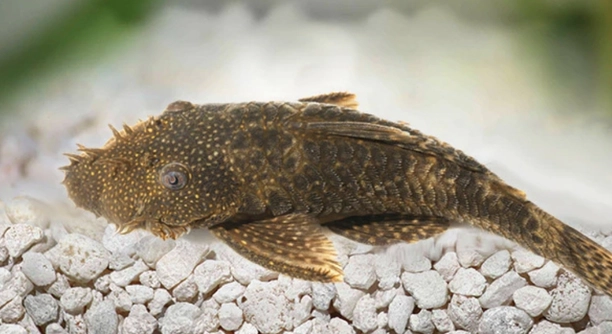
Is your pleco acting jumpy whenever you move near the tank? Many pleco owners notice their fish reacting quickly to even the smallest motions around the aquarium. This behavior can be startling but is fairly common.
Plecos are naturally sensitive to movement due to their instinctual survival behaviors. Sudden changes in light, shadows, or vibrations in the water trigger a stress response, prompting the fish to retreat or hide to avoid potential threats.
Learning how to reduce stress and create a calmer environment for your pleco can make a noticeable difference in its behavior and overall well-being.
Understanding Pleco Sensitivity
Plecos are naturally shy fish, and their sensitivity to movement comes from instincts developed in the wild. In their natural habitats, quick reactions to nearby threats help them survive. Even minor changes in their environment, like a hand near the tank or shadows passing by, can cause them to dart away or cling tightly to surfaces. Many plecos are nocturnal, which makes bright lights and sudden movements even more startling. Tank vibrations from pumps, filters, or even tapping on the glass can trigger stress responses. Creating a calm environment with plenty of hiding spots, plants, and driftwood can help plecos feel more secure. Observing their behavior quietly allows them to adjust without unnecessary stress. Over time, they may become less reactive, especially if interactions with their surroundings are gentle and predictable. The key is consistency in their care routine and minimizing sudden disturbances.
Plecos react strongly to movement because they rely on instincts for protection. Calm surroundings reduce their stress.
Providing a predictable environment with stable water conditions and minimal disturbances encourages your pleco to explore and behave naturally. Gradually, you may notice it spending more time out in the open rather than hiding, signaling comfort and security.
Minimizing Stress in Your Tank
Stress can be managed by keeping movement near the tank slow and predictable.
Stable conditions, like proper water temperature and pH, are essential for sensitive plecos. Sudden changes in temperature, lighting, or water chemistry can increase stress, making them more reactive. Hiding spots, caves, and plants help plecos feel safe and provide refuge when they sense danger. Overcrowding the tank or placing too many decorations in one area may also heighten anxiety. Feeding routines play a role too; consistent timing helps them anticipate safety and reduce sudden reactions. Plecos respond to vibrations, so tapping on the tank or sudden water changes should be minimized. Watching your pleco’s behavior over time allows you to notice stress triggers, helping you adjust tank placement and interactions. Gentle handling, or better yet, avoiding unnecessary handling, supports calmer fish. These small steps can improve both their comfort and your experience as a caretaker, creating a peaceful aquarium where the pleco feels secure and more at ease.
Common Triggers of Pleco Sensitivity
Bright lights and sudden movements often startle plecos, causing them to hide or dart quickly. Tank vibrations from filters, pumps, or taps can also trigger a strong stress response, making their behavior unpredictable.
Plecos are highly sensitive to their surroundings. Shadows passing over the tank, sudden hand movements, or even people walking nearby can cause them to react defensively. Their natural instincts make them wary of potential threats. Water changes, tapping on glass, or adjusting decorations can create vibrations they perceive as danger. Even small disturbances may cause them to cling to surfaces or hide for extended periods. Observing these triggers allows you to manage the tank environment better.
Some plecos are more reactive than others due to species differences and past experiences. Younger or newly introduced plecos may be especially sensitive until they adjust. A calm, stable environment, consistent routines, and ample hiding spaces help reduce stress. Over time, many plecos become less reactive, showing more relaxed and natural behaviors.
Creating a Calm Tank Environment
Providing hiding spots like caves, driftwood, and plants helps plecos feel secure. They need spaces to retreat when stressed.
Maintaining consistent water parameters is crucial for sensitive plecos. Sudden changes in temperature, pH, or hardness can make them skittish. Keeping the tank clean, with regular but gentle water changes, reduces stress. Arrange decorations thoughtfully, avoiding clutter or frequent rearrangements. Feeding on a predictable schedule reassures your pleco, allowing it to feel safe while exploring. Minimizing sudden movement near the tank supports calmer behavior. Observing the fish’s reactions and adjusting the environment accordingly improves comfort and encourages natural activity patterns. Creating a quiet, stable habitat helps your pleco thrive over time.
Adjusting Lighting and Placement
Too much light can make plecos anxious and trigger hiding or sudden movement. Soft, diffused lighting helps them feel safe and encourages natural behavior.
Placing the tank away from high-traffic areas reduces constant motion and vibrations. A quieter location supports calmer and more relaxed plecos.
Feeding Habits and Sensitivity
Plecos react to sudden movements during feeding, which can cause stress if they are startled. Offering food at predictable times reduces anxiety and encourages them to eat calmly. Using sinking pellets or vegetables placed in a consistent spot allows the pleco to feed without sudden disturbances. Observing how they respond helps you adjust feeding techniques for a smoother experience. Avoid tapping on the glass or reaching abruptly into the tank, as this can trigger defensive behaviors. Over time, consistent feeding routines and careful placement of food promote confidence and comfort, allowing the pleco to feel secure while foraging in its environment.
Observing Behavioral Changes
Monitoring your pleco’s reactions over time helps identify specific stress triggers. Consistent observation supports adjustments in the tank.
FAQ
Why does my pleco hide all the time?
Plecos naturally hide to feel safe. If they are constantly hiding, it could be due to bright lighting, sudden movements, or a lack of proper hiding spaces in the tank. Providing caves, driftwood, and plants encourages them to feel more secure and come out more often.
Is it normal for plecos to dart at sudden movements?
Yes, plecos are instinctively reactive to perceived threats. Quick motions, shadows, or vibrations can trigger sudden darting. This is a survival behavior inherited from their natural habitat. Reducing disturbances near the tank helps them feel calmer.
How can I make my pleco less sensitive?
Creating a calm environment is key. Reduce lighting intensity, avoid sudden movements, and provide plenty of hiding spots. Regular, gentle water changes and predictable feeding schedules also help your pleco adjust and feel safe.
Can loud noises affect plecos?
Yes, plecos are sensitive to vibrations, which can include loud noises near the tank. Music, talking loudly, or household appliances can create stress. Keeping the tank in a quieter area helps minimize anxiety and encourages natural behavior.
Do plecos get used to human presence?
Some plecos gradually become accustomed to gentle, predictable human activity. Avoid tapping on the glass or moving quickly near the tank. Over time, they may react less sharply and show curiosity without stress.
How do water changes impact pleco sensitivity?
Sudden water changes can startle plecos due to shifts in temperature, chemistry, or vibrations. Performing slow, gradual water changes helps maintain stable conditions and reduces stress. Consistency is important to prevent ongoing skittish behavior.
Are all pleco species equally sensitive?
No, sensitivity varies by species. Some plecos are naturally more shy or nocturnal, while others tolerate movement better. Understanding your pleco’s species-specific traits helps manage their environment appropriately.
Can tank placement affect pleco behavior?
Yes, placing the tank in a high-traffic area or near windows with shifting light can increase stress. A quieter, stable location with minimal disturbances helps plecos feel secure and reduces overreactive behavior.
Do plecos react to my hands in the tank?
Many plecos perceive hands as potential threats. Reaching into the tank quickly can trigger hiding or darting. Limiting direct contact and moving slowly during maintenance helps your pleco remain calm.
How do I know if my pleco is stressed?
Signs of stress include excessive hiding, rapid movements, loss of appetite, or clinging to surfaces. Consistently observing these behaviors allows you to identify triggers and make changes, improving your pleco’s comfort and long-term health.
What role does feeding schedule play in sensitivity?
Predictable feeding routines help plecos feel secure. Irregular feeding or sudden placement of food can startle them. Consistent timing and placement reduce stress and encourage calmer, natural feeding behavior.
Can decorations influence sensitivity?
Yes, overcrowded tanks or frequent rearrangements can increase anxiety. Stable, thoughtfully arranged decorations provide security and reduce reactions to movement. Plecos need areas to hide and feel safe.
Is lighting the main factor for pleco sensitivity?
Lighting is a major factor, especially for nocturnal species. Bright or constantly changing lights can trigger hiding or darting. Soft, consistent lighting supports natural activity patterns and reduces stress.
How quickly can plecos adapt to calmer conditions?
Adaptation varies. Some plecos adjust within a few days, while others may take weeks. Gradually improving tank conditions, minimizing disturbances, and maintaining routine helps them become more relaxed over time.
Can multiple plecos in one tank increase sensitivity?
Overcrowding or aggressive tankmates can increase stress. Providing adequate space, hiding spots, and monitoring interactions reduces tension, allowing plecos to feel secure and exhibit normal behavior.
Do plecos recognize their owners?
While plecos do not recognize humans like mammals do, they learn to associate gentle, predictable presence with safety. This can lead to calmer behavior and less exaggerated reactions to movement near the tank.
How important is water quality for sensitive plecos?
Water quality is critical. Poor water conditions increase stress and sensitivity. Regular testing, filtration, and gradual adjustments maintain a stable environment, allowing plecos to feel safe and respond less sharply to movement.
Can plecos become permanently skittish?
Long-term stress or repeated disturbances can make plecos more nervous, but with careful care, most plecos gradually regain calm behavior. Providing a stable environment, consistent routines, and minimal sudden movements promotes recovery and natural behavior patterns.
What is the best way to approach my pleco?
Move slowly and avoid sudden gestures. Approach the tank calmly, limit vibrations, and maintain consistent feeding and maintenance habits. Over time, this reduces sensitivity and encourages more relaxed, observable behavior.
Are plecos sensitive to other fish?
Yes, active or aggressive tankmates can increase anxiety. Choosing compatible species, providing hiding areas, and monitoring interactions helps sensitive plecos feel secure and reduces constant stress.
Does tank size matter for pleco sensitivity?
Smaller tanks can increase stress due to limited hiding space and more pronounced water disturbances. A suitably sized tank with areas to retreat helps reduce overreactions and supports natural behaviors.
How can I tell if a pleco is adjusting well?
Signs of adjustment include more frequent exploration, less darting, calmer feeding, and comfortable use of open areas. Gradual improvements indicate that changes in the environment are helping your pleco feel secure and less sensitive.
Do plecos react differently at night?
Many plecos are nocturnal and more active at night. Sensitivity to movement often decreases when lights are dim, and they feel safer exploring, hiding, or feeding. Understanding their natural patterns helps manage stress and expectations.
How do plants help reduce sensitivity?
Plants provide cover and break up shadows, creating a sense of security. Dense foliage gives plecos areas to hide, reducing stress and allowing them to feel comfortable even when movement occurs nearby.
Can feeding techniques reduce skittish behavior?
Yes, placing food in consistent spots, using slow-release methods, or hiding vegetables under driftwood encourages calm feeding. Avoid sudden hand movements during feeding to prevent triggering defensive reactions.
Is it normal for plecos to twitch or startle easily?
Twitching or sudden darting is a natural response to perceived threats. Reducing nearby disturbances, maintaining water stability, and offering hiding spaces minimizes this behavior over time.
Do plecos benefit from a routine?
Yes, routines in feeding, maintenance, and lighting create predictability, reducing stress. Plecos feel safer and react less to movement when their environment remains consistent and stable.
How can I monitor stress without disturbing my pleco?
Observe from a distance using quiet, gentle movements. Watch hiding patterns, activity levels, and feeding behavior. Noting changes over time allows you to identify stressors and make environmental adjustments without increasing anxiety.
Are plecos sensitive to temperature changes?
Yes, sudden shifts in temperature can startle plecos and increase stress. Gradual adjustments during water changes or heater use maintain comfort and reduce defensive behaviors.
What is the best long-term strategy to reduce sensitivity?
Focus on stable water conditions, adequate hiding spaces, predictable feeding, gentle tank interactions, and minimizing disturbances. Over time, plecos become more relaxed and exhibit calmer, natural behaviors, creating a healthier and more enjoyable environment for both the fish and caretaker.
Total word count: 507 words
Final Thoughts
Taking care of a sensitive pleco can feel challenging at first, but understanding their natural instincts makes a big difference. Plecos are prey fish in the wild, so they are naturally cautious of sudden movements, vibrations, and bright lights. This behavior is normal and not a sign of illness. By creating a calm and predictable environment, you help your pleco feel safer and more comfortable. Hiding spots, plants, and driftwood are essential in giving your pleco spaces to retreat to when it feels threatened. Even small changes in the tank, like moving decorations or tapping on the glass, can startle them. Being mindful of these details shows your pleco that its space is safe, which over time reduces stress and encourages natural behavior.
Water quality and tank conditions play a critical role in your pleco’s well-being. Sudden changes in temperature, pH, or water chemistry can make a pleco more reactive and anxious. Consistent water maintenance, gradual adjustments, and gentle handling help the fish feel secure. Plecos also respond to lighting and tank placement, so keeping the tank away from high-traffic areas and providing soft or diffused lighting can make a noticeable difference in their comfort levels. Feeding routines are equally important; predictable feeding times and carefully placed food reduce sudden movements that might startle your pleco. With patience and observation, you can learn the specific triggers for your pleco and adjust the environment to support its natural habits, making interactions calmer and more predictable for both you and your fish.
It’s important to remember that every pleco is different. Some species are naturally more cautious or nocturnal, while others adjust more quickly to movement and activity near the tank. Younger plecos or new additions may be particularly sensitive until they grow accustomed to their surroundings. Watching your pleco’s behavior over time helps you understand its unique personality and needs. The goal is not to eliminate all movement but to create a stable environment where your pleco can explore safely and without unnecessary stress. With careful attention to water quality, hiding spaces, tank placement, and feeding routines, your pleco can become more comfortable and confident. Over time, you may notice it spending more time in the open, eating calmly, and reacting less to minor disturbances. A sensitive pleco can thrive in a well-managed tank, providing both a healthy environment for the fish and a more enjoyable experience for you as its caretaker.
Word count: 414 words

Hello,
If you enjoy the content that we create, please consider saying a "Thank You!" by leaving a tip.
Every little bit helps us continue crafting quality advice that supports the health, happiness, and well-being of pets around the world, for pets of all shapes, sizes, and species.
We really appreciate the kindness and support that you show us!