
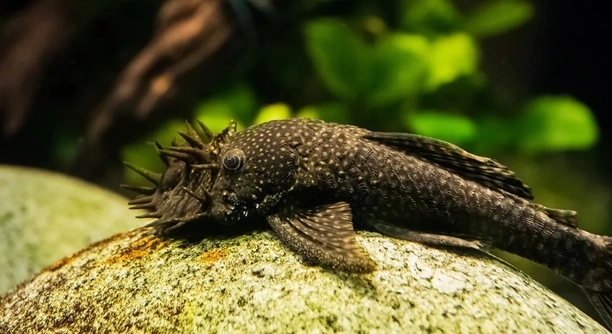
Do you ever notice your pleco moving the gravel in its tank while swimming around? Many fish owners watch this behavior and wonder if it signals a problem or is just part of normal activity.
Plecos push substrate primarily as part of their natural feeding and territory behaviors. This movement helps them search for food particles, maintain hiding spaces, and establish dominance in their environment, which is a common and non-harmful behavior in healthy fish.
Observing your pleco’s patterns can reveal more about its needs and help maintain a balanced and comfortable tank environment.
Why Plecos Push Substrate
Plecos are bottom-dwelling fish that naturally interact with the substrate in their tanks. Watching mine shuffle gravel always reminded me how active they are. They often move small pieces while searching for leftover food, which is part of their feeding routine. This behavior also allows them to create small hiding spots under rocks or decorations, giving them a sense of security. In community tanks, pushing substrate can signal territorial behavior, helping them mark areas without aggression. Some plecos prefer soft sand, while others will dig through gravel, depending on their species. Observing the way they push and rearrange materials can tell you a lot about their comfort and tank preferences. Sometimes, excessive substrate movement indicates a need for more hiding places or enrichment, so paying attention helps maintain a calm and healthy environment. It’s normal but worth monitoring to prevent stress or disturbance in the aquarium.
This activity is mostly harmless and reflects natural habits rather than a problem with your tank setup.
Monitoring substrate interaction allows you to adjust decorations or feeding habits to match your pleco’s behavior and comfort level, promoting a healthier aquarium.
Managing Substrate Behavior
Adjusting the tank layout can help reduce excessive substrate movement without limiting natural behaviors.
Providing plenty of hiding spots, smooth rocks, and driftwood gives plecos areas to explore and rest. Observing how they interact with these items can guide you in arranging the tank to meet their needs. A sandy or fine gravel substrate often reduces stress, as it is easier to move without causing injury. Feeding at the bottom with sinking pellets or vegetables encourages natural foraging, keeping them engaged and less likely to uproot decorations excessively. Avoid overcrowding, since too many fish can increase territorial substrate pushing. Regular tank maintenance, including gentle cleaning and gravel vacuuming, ensures that waste buildup doesn’t force them to dig more than usual. Paying attention to lighting and hiding spaces also helps, as plecos are more active during low light. By understanding their behavior and providing the right environment, you can maintain a stable, visually pleasing aquarium while letting your pleco express its natural instincts freely.
Feeding and Substrate Interaction
Plecos often push substrate while searching for food. This is a natural behavior linked to their bottom-feeding habits. Observing the way they sift through gravel or sand shows their method of finding leftover bits and detritus.
Offering sinking pellets or fresh vegetables encourages this behavior in a controlled way. By placing food in consistent spots, you can reduce excessive substrate movement. Watching my pleco nudge around zucchini slices taught me how they forage naturally. Ensuring the tank has a soft substrate also helps prevent injury, as some species are sensitive to sharp gravel. Feeding routines that match their natural habits promote comfort and reduce stress.
Sometimes plecos push substrate simply to explore and test the environment. They may dig small trenches or move rocks to assess the space. This exploratory behavior is essential for their mental stimulation. Even if there is no food present, this digging helps them claim small territories and establish a sense of security in the tank. Providing enough decorations and hiding spots satisfies this instinct, keeping them active without causing unnecessary mess.
Substrate Type and Tank Setup
Soft substrates like sand are easier for plecos to manipulate than coarse gravel, reducing stress and potential injury. Choosing the right substrate supports natural behavior and overall health.
Plecos prefer substrates that allow gentle digging and sifting. Fine sand or smooth gravel prevents abrasions and makes cleaning easier. Hard, sharp gravel can damage sensitive barbels or fins, especially in bottom-dwelling species. I noticed that switching to softer sand decreased the amount of substrate pushed around the tank, while still letting my pleco explore naturally. Arranging decorations, driftwood, and hiding spots strategically helps maintain balance between activity and tank aesthetics. This setup supports both territorial instincts and foraging behavior. Regularly observing how the pleco interacts with the substrate allows adjustments to feeding locations and tank layout, creating a comfortable environment that meets their needs while minimizing unnecessary disturbance.
Territorial Behavior
Plecos sometimes push substrate to mark their territory. This is common in tanks with multiple bottom-dwellers and helps reduce direct conflicts between fish.
Territorial digging is often accompanied by hiding under decorations or rearranging rocks. Observing these patterns helps understand which areas your pleco considers its own.
Stress and Environmental Factors
Stress can increase substrate-pushing behavior. Sudden changes in water temperature, lighting, or tank mates may trigger more digging. I noticed my pleco became more active with substrate after introducing new decorations. Maintaining stable water conditions and providing consistent hiding spots reduces stress-driven substrate movement. Monitoring behavior over time ensures a healthy and calm tank environment.
Preventing Excessive Substrate Movement
Providing adequate hiding spaces and smooth substrates limits unnecessary digging while supporting natural behaviors.
FAQ
Why is my pleco constantly moving gravel?
Plecos move gravel mostly due to natural foraging and territorial instincts. I’ve seen mine sift through substrate even when there is no visible food, simply exploring or claiming a section of the tank. This behavior is normal and shows they are active and engaged in their environment. Excessive movement usually decreases if the tank offers plenty of hiding spots, smooth substrate, and consistent feeding routines.
Is substrate pushing harmful to my pleco?
Generally, substrate pushing is harmless. Problems only occur if the tank uses sharp gravel or if decorations create unsafe conditions. I switched to fine sand in my aquarium, which allowed my pleco to dig freely without damaging its barbels or fins. Proper substrate choice and smooth decorations prevent injury and support their natural behaviors.
How can I reduce substrate disturbance in my tank?
Adding hiding spots, caves, and driftwood provides areas for plecos to feel secure, reducing the need to constantly rearrange the substrate. Feeding them in a consistent spot also helps limit excessive digging. I noticed a decrease in substrate movement after creating more sheltered areas and placing vegetables like zucchini or cucumber in one corner.
Does tank size affect substrate pushing?
Yes. Smaller tanks can increase territorial behavior and substrate movement because space is limited. My pleco became more active in a 20-gallon tank than in a 40-gallon tank where it had more room. Larger tanks with multiple hiding spots and smooth substrate help distribute activity and reduce stress.
Are certain pleco species more prone to substrate movement?
Yes. Some species, like the Common Pleco or Bristlenose Pleco, are naturally more active diggers. I observed my Bristlenose moving sand constantly, while a smaller species like the Clown Pleco only occasionally nudged substrate. Understanding the species’ natural behavior helps set realistic expectations for tank maintenance.
Can feeding habits influence substrate pushing?
Definitely. Plecos naturally search for food at the bottom. Sinking pellets, fresh vegetables, or occasional algae wafers encourage healthy foraging. I found that feeding consistently in one area reduced random substrate movement. Overfeeding or leaving uneaten food can also increase digging, as plecos sift to find leftovers.
Is substrate movement a sign of illness?
Not usually. Normal substrate pushing is a sign of natural activity, not illness. However, sudden changes, lethargy, or erratic digging could indicate stress or health issues. I once noticed increased substrate disturbance after a water parameter shift, which settled once conditions stabilized. Monitoring water quality and fish behavior is key.
How do water conditions impact substrate pushing?
Stable water temperature, pH, and cleanliness help reduce stress-related digging. I noticed my pleco became restless and pushed more gravel when water conditions fluctuated. Regular maintenance, gentle water changes, and testing parameters prevent stress and support normal substrate behavior.
Can decorations affect how much my pleco digs?
Yes. Rocks, driftwood, and plants can encourage or limit substrate movement. My pleco dug more when fewer hiding spots were available. Adding caves and smooth driftwood allowed it to explore without uprooting sand or gravel excessively. Strategically placing decorations guides natural activity while keeping the tank tidy.
Should I be worried if substrate movement increases suddenly?
Sudden increases often signal stress, territorial disputes, or environmental changes. I observed a spike in digging after adding a new tank mate. Monitoring the situation, checking water quality, and ensuring enough hiding spaces usually resolves the issue without intervention. Consistent observation helps distinguish normal behavior from potential problems.
Can substrate type reduce mess in the tank?
Absolutely. Fine sand or smooth gravel minimizes displacement and prevents debris from accumulating. My tank became much easier to clean after switching from coarse gravel to soft sand. Choosing the right substrate balances the pleco’s natural behavior with manageable maintenance for the aquarium.
Do plecos rearrange substrate for comfort or instinct?
Both. They dig to forage, create hiding spots, and mark territory. Observing my pleco, it sometimes shifted gravel near its favorite cave, showing instinctive behavior combined with environmental comfort. Providing soft substrates, feeding zones, and secure decorations allows plecos to satisfy these instincts safely.
How often should I adjust tank decor to control digging?
Occasional adjustments are fine, but frequent changes can stress plecos and increase substrate movement. I learned that maintaining consistent hiding spots and feeding areas helps my pleco settle, reducing the need to constantly rearrange the tank. Strategic placement encourages natural activity without excessive disruption.
Will adding more plecos reduce substrate pushing?
Not necessarily. Adding more plecos can increase territorial disputes if space is limited. I observed that overcrowding led to more substrate movement as each fish claimed sections of the tank. Ensuring adequate space, hiding spots, and careful species selection is key to managing activity levels while maintaining harmony.
Does lighting affect substrate pushing?
Yes. Plecos are more active in low-light or dim conditions. I noticed mine became more restless and dug more under bright lights. Using subdued lighting or providing shaded areas with decorations allows plecos to explore naturally without excessive substrate disturbance.
Can substrate pushing indicate breeding behavior?
In some species, substrate movement can precede breeding as plecos prepare nesting areas. My Bristlenose Pleco dug a small trench under a flat rock before laying eggs. Providing suitable structures encourages natural breeding behaviors while giving the fish a safe environment.
How can I observe substrate pushing without stressing my pleco?
Minimal interference is best. I watch from a distance and note patterns, avoiding tapping the glass or moving decorations. Observing feeding times and resting areas gives insight into natural behavior while keeping the fish comfortable and reducing stress-related substrate movement.
Are there ways to channel substrate pushing productively?
Yes. Using feeding trays, designated digging areas with sand, or adding driftwood caves can direct activity. My pleco focused on these areas rather than spreading gravel everywhere. These strategies let them express instincts safely while keeping the tank cleaner and more organized.
Does age affect how much a pleco moves substrate?
Younger plecos tend to be more active and explore constantly, which increases substrate movement. Older plecos may become more sedentary, pushing less gravel. Observing these changes helps anticipate cleaning needs and ensures the tank environment remains suitable throughout different life stages.
Can adding plants help reduce substrate movement?
Plants provide cover and limit open substrate areas, reducing unnecessary digging. I added hardy plants like Anubias and Java Fern, and my pleco shifted focus to exploring the plants rather than uprooting gravel. Plants offer enrichment, hiding spots, and a more natural environment for bottom-dwelling fish.
What is the best overall approach to managing substrate pushing?
Provide soft substrate, hiding spots, and consistent feeding areas. Observe behavior, maintain water quality, and adjust tank layout as needed. I found that combining these strategies allowed my pleco to behave naturally without causing a mess, creating a balanced and healthy tank environment for both fish and owner.
Plecos are fascinating fish that naturally interact with their environment in many ways. One of the behaviors most owners notice is substrate pushing. This is when a pleco moves gravel, sand, or other materials at the bottom of the tank. While it can look messy, this behavior is typically normal and reflects the fish’s natural instincts. Plecos are bottom dwellers that forage for food, explore their surroundings, and establish small territories. In many cases, substrate pushing is simply a way for them to engage with their habitat and stay active. Observing this behavior closely helps you understand your pleco’s habits, preferences, and comfort level in the tank. It is important to see substrate movement not as a problem, but as a sign that your pleco is interacting naturally with its environment.
Providing the right tank setup can make a big difference in how much substrate your pleco moves. Soft substrates, such as fine sand, are easier for them to manipulate without causing injury to their sensitive barbels or fins. Adding plenty of hiding spots, caves, and driftwood gives plecos secure areas to rest and reduces unnecessary digging. Feeding routines also influence substrate behavior; offering sinking pellets, fresh vegetables, or algae wafers in specific locations encourages controlled foraging rather than random substrate movement. Tank size and lighting conditions also play a role. Larger tanks with low lighting or shaded areas tend to reduce stress and encourage calmer behavior. Overcrowding, sudden environmental changes, or inappropriate substrate types can increase digging, but these are usually manageable by adjusting the tank layout and monitoring water quality.
Understanding your pleco’s behavior and meeting its environmental needs ensures a healthy and comfortable aquarium. Substrate pushing is a normal, instinctive activity, but observing patterns can reveal when changes might be helpful. Regular monitoring of water conditions, providing soft substrates, consistent feeding, and adding enrichment like plants or driftwood all contribute to reducing excessive substrate movement. Over time, you will notice which areas of the tank your pleco prefers to interact with and how it establishes its space. Supporting these natural behaviors while maintaining a tidy tank creates a balanced environment for both the fish and the owner. Plecos are active and intelligent creatures, and giving them the right conditions allows them to thrive while keeping your aquarium organized and healthy. By paying attention to their habits and adjusting care accordingly, you can enjoy their unique behavior while ensuring long-term well-being.

Hello,
If you enjoy the content that we create, please consider saying a "Thank You!" by leaving a tip.
Every little bit helps us continue crafting quality advice that supports the health, happiness, and well-being of pets around the world, for pets of all shapes, sizes, and species.
We really appreciate the kindness and support that you show us!