
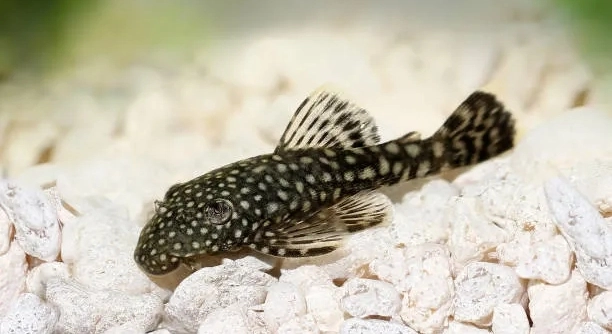
Have you ever noticed your pleco looking dull despite regular feeding and clean water? Maintaining vibrant coloration can feel challenging, especially when it seems that diet alone might not make a difference in their appearance.
Pleco coloration is most effectively enhanced through a varied diet rich in natural pigments, vitamins, and nutrients. Foods high in carotenoids, such as shrimp, spirulina, and certain vegetables, directly contribute to brighter and more vivid skin and fin colors.
Knowing which foods influence their color can help you create a more engaging and healthy environment for your pleco. Exploring these dietary options can significantly improve their overall vibrancy and wellbeing.
Shrimp
Shrimp is one of the easiest ways to enhance pleco coloration. Rich in natural carotenoids, it directly supports red and orange hues in their skin. I’ve noticed that adding small amounts of fresh or frozen shrimp to my tank keeps my plecos’ fins brighter and more defined. Feeding shrimp a few times a week, in addition to their regular vegetables, seems to give them a natural glow that is hard to achieve with standard pellets alone. It’s important to avoid overfeeding, as uneaten shrimp can pollute the tank and affect water quality. Using shrimp in moderation provides both color enhancement and a protein boost, supporting overall health. Many plecos respond quickly, often gathering around the food, which makes feeding time more engaging. While it’s tempting to feed large portions, consistent small servings yield better long-term results. Incorporating shrimp as a supplement rather than the main diet ensures the pleco remains balanced and vibrant.
Shrimp improves pleco coloration efficiently and safely when used in moderation alongside other foods.
Adding shrimp consistently can create noticeable differences in your pleco’s vibrancy and behavior, supporting both color and health naturally.
Spirulina
Spirulina is a green algae packed with nutrients that promote brighter colors in plecos. It contains high levels of carotenoids, chlorophyll, and protein, all essential for healthy skin and fins. I started adding spirulina flakes to my plecos’ diet, and over several weeks, their brown and orange tones deepened significantly. It also helps with digestion, as plecos can process algae more easily than other foods. Spirulina comes in flakes, tablets, or pellets, making it convenient to feed. Using it a few times weekly keeps the diet balanced while enhancing vibrancy. I usually combine spirulina with vegetables like zucchini or spinach to provide variety, which my plecos appreciate. Consistency matters; sporadic feeding doesn’t show results. Additionally, it helps maintain overall immunity, so the fish are healthier and less stressed. By including spirulina as part of a rotational diet, plecos not only look more colorful but also stay energetic and active throughout the tank. Observing the gradual color improvement makes feeding time feel rewarding.
Spirulina flakes, tablets, or pellets are versatile and effective for improving pleco coloration when fed regularly.
Regular inclusion of spirulina ensures consistent color development and strengthens overall health, supporting your pleco’s natural vibrancy while complementing other dietary components.
Bloodworms
Bloodworms are highly effective for enhancing red and orange tones in plecos. I include them occasionally, and my fish show noticeable brightness in their fins and patches. They are rich in protein and natural pigments, which makes them ideal as a supplemental treat rather than a main diet.
Feeding bloodworms two to three times a week keeps my plecos vibrant without overloading their system. They respond quickly, often swimming eagerly toward the food. I make sure to freeze them first to avoid introducing bacteria or parasites into the tank. Using them in moderation maintains water quality and prevents excess waste, which can harm the fish. Bloodworms work best when paired with vegetables or spirulina, offering both protein and color-enhancing pigments. The combination ensures the plecos receive balanced nutrition while visibly improving coloration over several weeks.
I also rotate bloodworms with shrimp and spirulina to maintain variety. This method keeps plecos engaged, supports overall health, and gradually develops richer, more saturated colors that last longer.
Carrots
Carrots are an accessible way to boost natural coloration in plecos, especially orange and red highlights. I slice them into thin pieces and blanch them slightly to soften for easier consumption.
Including carrots in their diet a few times weekly provides a steady source of beta-carotene, which plecos convert into pigments for brighter skin and fins. I noticed my fish become more active and show clearer patterns after regular feeding. It is important to remove uneaten portions promptly to maintain water quality and prevent algae growth. Combining carrots with other vegetables and protein-rich foods ensures the plecos get balanced nutrition and avoids reliance on pellets alone, which may not provide sufficient pigments. The routine feeding of carrots complements algae-based foods, creating a well-rounded color-enhancing diet that supports both vibrancy and overall health.
Over time, carrots contribute to deeper hues and consistent coloration. The gradual change is rewarding to watch, and it emphasizes the value of incorporating natural foods alongside standard tank staples. I make sure the pieces are manageable for plecos, which reduces waste and ensures they fully benefit from the nutrients. Carrots, paired with protein and algae, form a simple yet effective color-enhancing regimen that strengthens both fins and body pigmentation, creating a healthier and more visually striking pleco.
Sweet Potato
Sweet potato is a natural source of beta-carotene that enhances orange and red tones in plecos. I cut it into thin slices and steam it slightly to make it soft enough for them to eat without fuss.
Regular feeding of sweet potato provides consistent pigmentation support. It also adds fiber, which aids digestion and helps maintain a healthy gut. Plecos enjoy nibbling on the soft pieces, and I’ve found that rotating sweet potato with other vegetables keeps them interested and ensures balanced nutrition.
Bell Peppers
Bell peppers, especially red and orange varieties, are rich in carotenoids that boost pleco coloration. I finely chop the peppers to make them easier for my plecos to consume, ensuring they get the maximum benefit from these nutrient-dense vegetables.
Peas
Peas are an excellent vegetable for plecos, offering fiber to support digestion while complementing color-enhancing foods. I always remove the skins before feeding to prevent waste and ensure they are easily consumed, keeping the tank cleaner.
FAQ
How often should I feed color-enhancing foods to my pleco?
I usually feed color-enhancing foods like shrimp, bloodworms, or spirulina two to three times a week. Overfeeding can harm water quality and upset their digestive system. It’s best to rotate these foods with vegetables like carrots, sweet potato, or peas, so the diet stays balanced and the plecos remain healthy. Consistency is key for visible results, but moderation prevents stress and ensures the fish benefit from the nutrients rather than causing excess waste.
Can plecos get too much pigment food?
Yes, overfeeding pigment-rich foods can lead to digestive issues or water contamination. I stick to small portions and spread them out over the week. Combining natural vegetables with protein sources like shrimp helps prevent any single nutrient from dominating the diet.
Are flakes and pellets enough for coloration?
Not always. Standard flakes and pellets may provide basic nutrition but often lack sufficient carotenoids to enhance coloration. I supplement them with natural sources like spirulina, carrots, and bell peppers. This creates a more vibrant and healthier pleco, as natural pigments are better absorbed.
How long does it take to notice color changes?
I usually see gradual changes in about 3–6 weeks with consistent feeding. Patience is important because plecos slowly convert carotenoids into visible pigments. Rapid changes are rare and often indicate stress or illness rather than dietary improvement. Keeping a regular schedule helps ensure the color develops evenly across fins and body.
Can frozen or dried foods be as effective as fresh?
Frozen or freeze-dried foods like shrimp and bloodworms retain most nutrients and pigments. I often use frozen bloodworms because they are convenient and safe, reducing the risk of introducing bacteria. Fresh options are great but require careful cleaning and storage to maintain their benefits.
Should I combine vegetables with protein foods for color?
Yes, combining vegetables like carrots, sweet potato, or peas with protein sources ensures balanced nutrition and better pigment absorption. I always pair one vegetable with a small protein treat, and this rotation keeps my plecos interested while maximizing color enhancement naturally.
Do all plecos respond the same way to color foods?
No, individual fish show different results depending on genetics and health. Some plecos brighten quickly with spirulina and shrimp, while others need longer exposure to see visible changes. I monitor each fish separately and adjust portions or food types based on how they respond.
Can color-enhancing foods replace a complete diet?
No, they should supplement a balanced diet, not replace it. Vegetables, algae, and high-quality pellets provide essential vitamins and minerals. I use color-enhancing foods strategically to improve vibrancy while maintaining overall health. A well-rounded diet ensures plecos are both colorful and strong.
Is water quality important for color development?
Absolutely. Even with the best diet, poor water conditions can dull coloration. I maintain clean, well-filtered water, keep temperatures stable, and perform regular water changes. Healthy fish in optimal conditions absorb nutrients more efficiently, which directly impacts color intensity and overall appearance.
Can juvenile plecos benefit from pigment foods?
Yes, juvenile plecos can develop richer colors early if fed carotenoid-rich foods alongside their regular diet. I introduce small amounts of spirulina and finely chopped vegetables, adjusting quantities as they grow. Early nutritional support sets the foundation for stronger, more vivid coloration in adulthood.
What is the easiest combination to start with for enhancing color?
I find that starting with a mix of spirulina flakes, blanched carrots, and occasional shrimp works well. This combination covers carotenoids, protein, and vitamins, giving a noticeable improvement in color within a few weeks. Gradually, you can add bell peppers, sweet potato, or bloodworms for variety and further enhancement.
Are there any foods to avoid for color enhancement?
I avoid feeding foods high in fillers or artificial coloring, as they do not improve natural pigmentation and can affect health. Also, certain fruits like citrus can be acidic for plecos. Sticking to vegetables, algae, and safe protein sources ensures both safety and effective color development.
Can supplements help if natural foods are not enough?
Supplements can help, but they should be used cautiously. I prefer natural foods first because they provide multiple nutrients, not just pigments. If supplements are necessary, I use them sparingly and choose ones specifically formulated for plecos to avoid overdosing or harming their digestive system.
How do I know if my pleco is healthy while enhancing color?
A healthy pleco is active, eats well, and shows consistent color development. I monitor behavior, fin condition, and appetite. Dull or patchy colors, lethargy, or reduced feeding may indicate stress or illness, not a lack of pigment. Maintaining proper diet and water quality keeps color and health aligned.
Can seasonal changes affect pleco coloration?
Yes, changes in temperature, light, or daylight length can influence color intensity. I keep my tank environment stable and provide consistent feeding schedules. This helps maintain the effects of color-enhancing foods and prevents seasonal fading or uneven pigmentation.
Is variety in food necessary for long-term coloration?
Absolutely. Rotating vegetables, algae, and protein sources prevents nutrient deficiencies and keeps plecos interested in their diet. I regularly switch between spirulina, carrots, sweet potato, shrimp, and bloodworms to ensure consistent and lasting coloration throughout the year.
This FAQ covers the most common concerns about feeding for color enhancement, and I’ve found following these approaches keeps plecos vibrant, healthy, and active.
Final Thoughts
Maintaining vibrant coloration in plecos is a combination of proper diet, water quality, and consistent care. I’ve learned that feeding them a variety of natural foods rich in carotenoids, like shrimp, spirulina, carrots, and sweet potatoes, makes the most noticeable difference. These foods support pigmentation while also providing essential nutrients for growth and overall health. Using these foods in moderation ensures that plecos receive benefits without compromising water quality or causing digestive issues. Over time, consistent feeding routines create gradual, lasting changes in color, which makes observing their development much more rewarding.
It’s also important to remember that plecos respond differently to foods based on age, genetics, and individual health. Some plecos show changes quickly, while others take weeks to display more vivid coloration. I usually monitor my fish closely, adjusting the types and amounts of foods based on their response. Pairing protein-rich foods like bloodworms or shrimp with vegetables and algae ensures a balanced diet that improves both color and vitality. Beyond diet, clean water, proper lighting, and a stress-free environment play an equally important role. Even the best diet cannot fully compensate for poor water conditions or a crowded tank. Maintaining consistent tank care allows plecos to absorb nutrients efficiently, which directly affects how their colors develop.
Long-term success with pleco coloration comes from patience and observation. I rotate foods, track their reactions, and make small adjustments rather than sudden changes. This approach keeps them engaged with their diet and encourages natural growth of color over time. Supplementing their diet with natural pigment-rich foods while avoiding artificial additives or overly processed options creates a healthier, more sustainable routine. Watching the subtle shifts in hues, from the orange of their fins to the brighter patches on their bodies, is a reminder of the connection between proper care and the visual rewards it brings. By focusing on nutrition, tank conditions, and consistency, it’s possible to achieve vibrant, healthy plecos that thrive in their environment for years.

Hello,
If you enjoy the content that we create, please consider saying a "Thank You!" by leaving a tip.
Every little bit helps us continue crafting quality advice that supports the health, happiness, and well-being of pets around the world, for pets of all shapes, sizes, and species.
We really appreciate the kindness and support that you show us!