
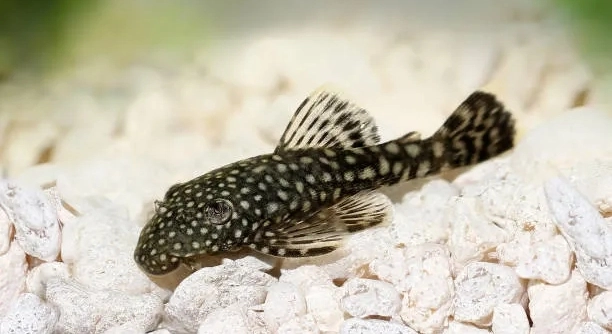
Is your pleco constantly pressing against the glass of its tank, seemingly staring without purpose? Many pleco owners notice this behavior and wonder what it might mean for their fish’s well-being and environment.
Plecos often face the glass due to stress, territorial behavior, or insufficient hiding spots. Environmental factors such as water quality, lighting, or tank layout can also influence this behavior, prompting repeated interaction with the aquarium boundaries.
Observing your pleco’s actions closely can reveal underlying issues and guide adjustments to its habitat for a healthier, more comfortable life.
Understanding Pleco Behavior
Plecos are naturally nocturnal and spend much of their time hiding. When they face the glass, it can be a sign that they are curious about movement outside the tank or seeking interaction. Tank size, decor, and the presence of hiding spots all influence this behavior. A small or sparsely decorated tank can make a pleco feel exposed, encouraging it to stay near the glass where it senses safety from movement in the room. Lighting also plays a role; bright lights during the day may cause stress, while dimmed lights encourage natural activity. Some plecos develop routines around feeding times and may approach the glass expecting food. Maintaining clean water and consistent temperature supports comfort and reduces repetitive behaviors. Observing patterns can help you determine whether the behavior is normal or a sign of discomfort. Understanding these factors allows you to create an environment that aligns with your pleco’s natural habits.
Plecos often face the glass because they feel more secure observing the outside activity rather than exploring open spaces in the tank.
Providing proper hiding spots, adjusting lighting, and maintaining clean water will reduce glass-facing behavior and support natural activity patterns, helping your pleco feel comfortable and confident in its environment.
Environmental Stressors
Stress is a major factor that affects pleco behavior.
Water quality, temperature fluctuations, and overcrowding can cause plecos to feel unsafe. Poor filtration or inconsistent water changes may lead to elevated ammonia or nitrate levels, which irritate their skin and gills. Noise, vibration, and frequent tapping on the tank can also trigger stress. Territorial disputes with tank mates may push a pleco to stay near the glass, avoiding aggressive encounters. Observing these conditions closely helps identify which environmental factors need adjustment.
To address environmental stress, ensure the tank is large enough for your pleco and has multiple hiding places, such as caves, driftwood, or dense plants. Keep the water temperature stable and monitor pH and ammonia levels regularly. Limit sudden changes in lighting or loud disturbances around the tank. Introduce compatible tank mates and avoid overcrowding to reduce territorial stress. Creating a predictable, calm environment encourages your pleco to explore the tank naturally, rather than remaining fixated on the glass. Careful attention to these details promotes long-term health, reduces stress behaviors, and ensures a more balanced daily routine for your pleco.
Feeding and Routine
Plecos may face the glass when they anticipate feeding times. They quickly learn where food comes from and may stay near the glass waiting for it.
Establishing a consistent feeding schedule helps reduce this behavior. If the pleco expects food at certain times, it may pace or press against the glass. Overfeeding can lead to water quality issues, so monitor portions carefully. Providing a variety of foods, including algae wafers, vegetables, and occasional protein, keeps your pleco healthy. Observing how your fish reacts to different feeding routines allows you to adjust timing and portions, supporting both behavioral and physical well-being.
Changing feeding methods can also encourage natural foraging. Hiding food in driftwood or under plants engages your pleco in exploration. This reduces fixation on the glass and stimulates natural behavior. Over time, your pleco becomes more active throughout the tank rather than waiting at the surface, improving its comfort and overall health.
Tank Setup and Comfort
Plecos need adequate space and hiding spots to feel secure in their tank. A bare or small tank encourages glass-facing behavior.
Include caves, driftwood, and plants to create sheltered areas. Proper substrate and gentle filtration reduce stress, while dim lighting mimics natural conditions. Avoid overcrowding with other fish that may cause territorial disputes, and maintain stable water temperature. Monitoring water parameters and ensuring a clean, calm environment helps your pleco feel safe.
Decor and layout play a large role in behavior. Driftwood not only provides hiding spots but also offers a source of natural food. Plants create shaded areas and reduce exposure to bright light, encouraging exploration rather than remaining at the glass. Adjusting the tank’s layout periodically can prevent boredom and promote activity. Choosing a tank of adequate size allows your pleco to move freely and maintain natural behaviors. A thoughtful environment supports both mental and physical health, leading to a calmer, more content fish.
Attention-Seeking Behavior
Plecos may face the glass to observe movement outside the tank. This behavior can indicate curiosity or a response to activity in their environment.
Some plecos learn that facing the glass gets attention or food from owners. Consistent interaction can reinforce this behavior, making it more frequent over time.
Health Concerns
If a pleco constantly faces the glass, it may signal underlying health issues. Poor water quality, parasites, or injuries can cause stress or discomfort. Monitor for changes in color, appetite, or unusual swimming patterns. Addressing water parameters, maintaining cleanliness, and observing behavior helps detect problems early.
Adjusting Interaction
Limiting tapping and sudden movements near the tank reduces stress. Encouraging natural behaviors helps your pleco explore rather than remain fixated on the glass.
FAQ
Why does my pleco face the glass all the time?
Plecos may face the glass due to stress, curiosity, or routine. Tank conditions, lack of hiding spots, or bright lighting can make them feel insecure, encouraging them to stay near the glass. Observing their patterns and adjusting the environment can reduce this behavior.
Is glass-facing harmful to my pleco?
No, glass-facing itself is not harmful. However, if it’s combined with lethargy, loss of appetite, or unusual color changes, it could indicate stress or illness. Ensuring proper water quality and tank setup supports overall health and comfort.
Can changing the tank layout help?
Yes. Adding driftwood, caves, and plants provides hiding spots and encourages natural exploration. Rearranging the layout periodically prevents boredom and reduces repetitive glass-facing behavior. A thoughtfully designed tank promotes mental stimulation and comfort.
Does feeding schedule affect this behavior?
Absolutely. Plecos quickly learn when food is provided and may wait at the glass during feeding times. Maintaining a consistent feeding schedule and varying food placement can reduce fixation and encourage natural foraging.
Could tank mates cause this behavior?
Yes. Aggressive or territorial tank mates may push a pleco to the glass to avoid conflict. Ensuring compatible fish and adequate space helps your pleco feel secure and reduces stress-driven glass-facing behavior.
Does lighting impact my pleco’s behavior?
Bright lights or sudden changes in lighting can stress plecos. Dim or moderate lighting mimics natural conditions and encourages exploration rather than remaining at the glass. Providing shaded areas with plants or decor supports a sense of security.
How important is water quality?
Extremely important. Poor water quality increases stress and can lead to illness. Regular testing, water changes, and proper filtration maintain stable conditions, which reduces stress-related glass-facing and supports long-term health.
Is my pleco bored?
Possibly. Plecos need mental stimulation through hiding spots, driftwood, and occasional rearrangement of the tank. Boredom can encourage repetitive behaviors like glass-facing. Providing variety keeps them active and engaged.
Can stress make a pleco face the glass?
Yes. Stress from overcrowding, sudden movements near the tank, or loud noise can trigger this behavior. Reducing environmental stressors and creating safe spaces encourages natural activity and reduces fixation on the glass.
Should I intervene if my pleco is always at the glass?
Intervene by assessing water quality, tank setup, and feeding routines. Make gradual changes to reduce stress and encourage natural behavior. Observing your pleco closely allows you to respond appropriately if any health issues arise.
Does interaction with humans affect this behavior?
Plecos can learn to associate owners with feeding or attention. While this isn’t harmful, too much focus on interaction may reinforce glass-facing. Encouraging natural exploration and feeding techniques reduces this dependency.
How long does it take for a pleco to adjust?
Adjustment depends on individual personality, tank setup, and consistency in care. Some plecos adapt within days, while others may take weeks. Patience, environmental enrichment, and stable routines help them settle into natural behaviors.
Are certain pleco species more prone to this behavior?
Yes. Some species are naturally more territorial or active. Understanding your specific species’ behavior helps anticipate tendencies like glass-facing and informs proper tank setup and care.
Can health problems mimic this behavior?
Constant glass-facing combined with abnormal swimming, color changes, or loss of appetite may indicate illness. Monitoring for other symptoms ensures early detection and proper treatment to maintain your pleco’s well-being.
Does tank size matter?
A small tank can increase stress and encourage glass-facing due to limited space. Providing a larger tank with proper hiding spots allows your pleco to explore and feel secure, reducing repetitive behaviors.
How can I make my pleco feel more comfortable?
Provide hiding spots, maintain clean water, offer a consistent feeding routine, and ensure compatible tank mates. Adjust lighting and decor to create a calm, secure environment that encourages natural behavior and reduces stress.
Can diet affect this behavior?
Yes. A varied diet of vegetables, algae wafers, and occasional protein keeps your pleco healthy and engaged. Hiding food encourages foraging and reduces waiting at the glass for meals.
Is it normal for plecos to watch the tank activity?
Yes. Plecos are naturally observant and curious. Some glass-facing is normal, especially when they monitor movement outside the tank. Balanced care ensures this behavior does not become excessive or stress-related.
Should I worry if my pleco scratches against the glass?
Occasional rubbing is normal, as plecos scrape surfaces for algae or relief. Persistent scraping may indicate irritation, poor water quality, or stress. Monitor behavior and water parameters to ensure health and comfort.
How often should I check the tank?
Regular monitoring of water parameters, cleanliness, and behavior is important. Daily observation helps detect issues early, maintain a safe environment, and reduce stress-related behaviors like glass-facing.
Will my pleco eventually stop facing the glass?
With proper care, hiding spots, stable water conditions, and natural stimulation, glass-facing can decrease. Some plecos may still observe the environment, but they will be healthier and more active throughout the tank.
How can I encourage natural activity?
Introduce driftwood, plants, and food hiding techniques. Rearranging the tank periodically and providing foraging opportunities stimulates exploration, reduces fixation on the glass, and supports overall well-being.
What signs indicate serious stress?
Look for lethargy, loss of appetite, color changes, or unusual swimming. These signs indicate stress or potential illness and require immediate attention to water quality, tank setup, and health assessment.
Can a pleco get lonely?
Plecos are generally solitary, but they benefit from compatible tank mates and stimulation through hiding spots and food. Proper environmental enrichment reduces boredom and repetitive glass-facing behaviors.
How can I tell if my pleco is healthy?
Healthy plecos are active, have consistent coloration, and feed regularly. Observing normal swimming patterns and reduced glass-facing after adjustments indicates a balanced and comfortable environment.
Does water flow affect behavior?
Plecos prefer moderate water flow. Strong currents can stress them, while stagnant water may reduce activity. Proper filtration and flow support comfort and natural behavior, decreasing glass-facing tendencies.
Can seasonal changes impact behavior?
Yes. Temperature fluctuations, changes in daylight, or seasonal routines can affect activity levels. Maintaining stable conditions helps reduce stress and encourages consistent natural behavior in your pleco.
Are there behavioral patterns to expect?
Plecos often become more active at night, forage for food, and use hiding spots during the day. Understanding these patterns allows you to adjust care, feeding, and tank setup to reduce glass-facing behavior.
What long-term steps improve comfort?
Consistent feeding, environmental enrichment, stable water parameters, and attention to stressors create a healthy habitat. Over time, this encourages natural exploration and reduces repetitive glass-facing behavior, ensuring a happier pleco.
Can I train my pleco to stop glass-facing?
Indirectly, yes. Encouraging natural foraging, providing hiding spots, and reducing reinforcement from tapping or feeding at the glass can shift behavior toward exploration and away from constant glass-facing.
How often should I rearrange the tank?
Occasional rearrangement every few weeks stimulates mental activity but should be gradual to avoid stress. This helps prevent boredom and reduces repeated glass-facing behavior while maintaining a sense of security.
Does tank décor matter?
Absolutely. Driftwood, plants, and caves provide security, encourage exploration, and reduce stress. A thoughtfully decorated tank supports natural behavior and keeps your pleco active throughout the environment.
Is pleco personality a factor?
Yes. Some plecos are naturally more observant or territorial. Understanding your pleco’s personality helps tailor tank setup, feeding routines, and interaction to reduce stress and glass-facing behavior.
How do I know if changes are working?
Observe swimming patterns, hiding behavior, feeding response, and reduced time at the glass. Gradual improvement indicates your adjustments are effective and your pleco is becoming more comfortable.
Can multiple plecos increase glass-facing?
Yes. Overcrowding or territorial disputes among multiple plecos can increase stress, leading to more glass-facing. Ensure adequate space, hiding spots, and compatible tank mates to reduce competition and stress.
What if nothing seems to help?
Persistent glass-facing despite adjustments may require consultation with a veterinarian experienced in fish care. Health issues or undetected stressors may need professional attention to ensure your pleco’s well-being.
How important is patience in adjusting behavior?
Very important. Changes take time, and plecos adjust gradually. Consistent care, proper environment, and attention to health support long-term improvement in behavior, reducing glass-facing over time.
Can water temperature changes help?
Maintaining a stable, species-appropriate temperature is best. Sudden changes can stress your pleco, increasing glass-facing. Gradual adjustments during seasonal changes help keep behavior and health consistent.
Is it normal for a pleco to interact with its reflection?
Yes. Plecos sometimes respond to reflections, mistaking them for another fish. While usually harmless, excessive interaction may indicate stress or lack of stimulation, which can be addressed with enrichment and hiding spots.
How do I balance attention and natural behavior?
Provide occasional interaction through feeding or observation, but prioritize hiding spots, foraging, and environmental enrichment. This encourages natural behavior while maintaining comfort and reducing glass-facing tendencies.
What’s the most effective way to reduce glass-facing?
Address stressors, provide hiding spots, maintain stable water quality, and encourage natural exploration. Consistent feeding routines and environmental enrichment help your pleco focus on natural activity rather than the glass.
How can I monitor progress?
Track swimming patterns, hiding frequency, feeding behavior, and time spent at the glass. Gradual improvements indicate successful adjustments and a healthier, more comfortable pleco.
Are there signs of happiness in plecos?
Active swimming, regular feeding, use of hiding spots, and natural foraging are indicators. Reduced glass-facing combined with these behaviors shows your pleco is comfortable and content in its environment.
What final steps ensure long-term comfort?
Consistent water quality, environmental enrichment, compatible tank mates, and attention to stressors provide a secure habitat. Observing and adjusting care gradually helps maintain a healthy, happy pleco over time.
Final Thoughts
Understanding why your pleco constantly faces the glass starts with observing its behavior closely. This habit is often linked to stress, environmental factors, or simple curiosity. Many plecos are naturally observant and may spend time near the glass monitoring activity outside the tank. While this behavior is usually not harmful, it can signal that adjustments are needed in their environment to ensure comfort. Factors such as tank size, lighting, hiding spots, and water quality all influence how secure a pleco feels in its home. By paying attention to these aspects, you can identify areas that may require improvement. Some plecos develop routines around feeding times and may remain near the glass in anticipation of food. Maintaining a consistent schedule, along with providing a varied diet of vegetables, algae wafers, and occasional protein, helps reduce fixation and promotes healthier behavior. Understanding your pleco’s natural habits is the first step toward creating a supportive environment that allows them to thrive.
Tank setup plays a critical role in reducing glass-facing behavior. Plecos require adequate space to move freely and explore, as well as plenty of hiding spots to feel secure. Driftwood, caves, and dense plants give them areas to retreat when stressed or resting. Overcrowding or territorial tank mates can contribute to anxiety, causing the pleco to seek safety near the glass. Lighting should mimic natural conditions, with dim or moderate illumination helping reduce stress. Sudden changes in the tank, loud noises, or frequent tapping on the glass can further encourage this behavior. By carefully arranging the tank and monitoring the conditions, you can create a calm environment where your pleco feels safe and confident. Encouraging natural exploration, providing stimulation through food hiding or rearranged decor, and keeping water parameters stable all contribute to reducing repetitive glass-facing. A thoughtfully designed tank promotes both physical and mental well-being.
Behavioral observation is an ongoing process. Glass-facing can also be influenced by interaction with humans, reflections in the glass, or boredom if environmental enrichment is limited. Monitoring health is equally important; signs such as lethargy, loss of appetite, or color changes may indicate stress or illness that requires attention. Adjusting feeding routines, offering environmental enrichment, and maintaining consistent care help the pleco engage in natural behaviors rather than remaining fixated on the glass. Patience is key, as some plecos take longer to adjust than others. Over time, with careful observation and thoughtful adjustments, your pleco can become more active, confident, and comfortable in its habitat. By creating a secure, stimulating, and stable environment, you support long-term health, reduce stress, and encourage behaviors that reflect a happy, well-cared-for pleco.

Hello,
If you enjoy the content that we create, please consider saying a "Thank You!" by leaving a tip.
Every little bit helps us continue crafting quality advice that supports the health, happiness, and well-being of pets around the world, for pets of all shapes, sizes, and species.
We really appreciate the kindness and support that you show us!