
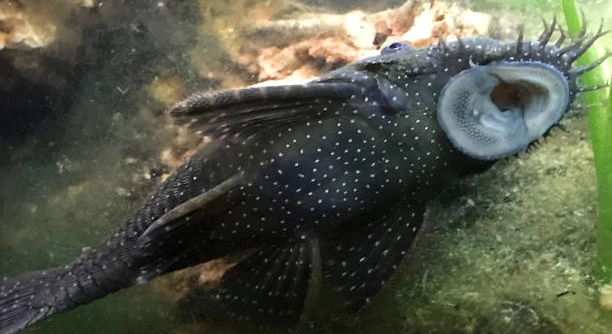
Many aquarists enjoy keeping plecos in their tanks but often encounter confusing advice or common beliefs about their care. These ideas are repeated so often that they seem true, even when they are not.
Plecos are often surrounded by misconceptions regarding their size, diet, tank needs, and behavior. Correcting these myths is essential for providing proper care and ensuring their health and wellbeing within a home aquarium environment.
Clarifying these misunderstandings will help you create a healthier environment for your pleco and make your aquarium experience more enjoyable.
Myth 1: Plecos Stay Small
Many people believe plecos remain tiny, making them seem perfect for small tanks. In reality, most pleco species grow much larger than advertised. Common varieties like the common pleco can reach over a foot in length. Even smaller species require adequate space to swim and hide. A tank that seems sufficient at first can quickly become overcrowded. Overcrowding can stress the fish, leading to health problems and reduced lifespan. Proper planning includes researching the adult size of the species before introducing it to your aquarium. Hiding spots, decorations, and proper filtration all become more important as the fish grows. Nutrition also plays a role in growth. Feeding a balanced diet with algae wafers, vegetables, and occasional protein ensures healthy development. Many hobbyists underestimate their pleco’s potential size and do not plan for long-term care, which can lead to difficult situations when the fish outgrows the tank or damages equipment.
Plecos require large tanks with proper filtration to accommodate their adult size. Planning ahead is key.
Ensuring a healthy tank means not only giving your pleco enough space but also monitoring water quality, providing enrichment, and maintaining a consistent schedule. Tank decorations like driftwood and caves allow hiding and grazing. Regular water changes keep ammonia and nitrate levels safe, which is crucial for sensitive species. Balancing diet with vegetables and occasional protein prevents malnutrition. Growth happens steadily over years, so patience is essential. Observing behavior can reveal if the tank is too small or stressful. Adequate space also reduces aggression and improves overall wellbeing. Even if a pleco seems content initially, planning for its full adult size avoids future issues. A properly sized tank promotes longevity, encourages natural behaviors, and ensures the pleco thrives rather than merely survives.
Myth 2: Plecos Eat Only Algae
Plecos are often thought to survive solely on algae in the tank. This is inaccurate. While they do scrape algae from surfaces, most species need additional nutrition to stay healthy.
A pleco’s diet should include vegetables, protein sources, and specialized wafers to prevent deficiencies.
Relying only on algae leads to poor growth and weakened immunity. Vegetables like zucchini, cucumber, and spinach provide essential nutrients, while occasional protein boosts overall health. Algae wafers or sinking pellets help supplement their diet. Feeding small amounts consistently is better than one large feeding. Observing your pleco’s behavior during feeding can indicate dietary preferences or deficiencies. Some plecos prefer grazing at night, so adjusting feeding times may be necessary. Balanced nutrition also influences coloration, energy levels, and digestive health. Without variety, plecos may become lethargic, lose weight, or develop infections. Understanding the species-specific needs of your pleco ensures you provide food that mimics natural feeding patterns. Proper diet supports strong fins, healthy skin, and natural behavior, making them active and thriving members of the tank community.
Myth 3: Plecos Are Low-Maintenance
Plecos are often seen as easy fish, but they require regular care. Their tanks need consistent water changes, proper filtration, and monitoring of pH and temperature. Neglecting these needs can lead to stress and illness.
Even though plecos can survive in various conditions, maintaining clean water is essential. They produce a lot of waste, which can quickly affect water quality. Regular partial water changes and filter maintenance keep ammonia and nitrate levels safe. Providing hiding spots and driftwood supports natural behaviors and reduces stress. Plecos also need a balanced diet beyond algae to maintain health and coloration. Observing their behavior helps catch early signs of illness or dietary issues.
Plecos can live for many years if cared for properly. Planning their tank setup with sufficient space, proper filtration, enrichment, and a varied diet ensures they remain healthy and active. Consistency in maintenance routines is key to preventing common health problems and promoting long-term wellbeing.
Myth 4: Plecos Don’t Need Hiding Spots
Hiding spots are not optional; plecos rely on them for security. Driftwood, caves, and plants provide shelter and reduce stress in the tank.
Without places to hide, plecos may become stressed, hide less, or act aggressively. They need shaded areas and quiet corners to feel safe. Hiding spots also allow natural grazing and resting behavior.
Providing multiple hiding spots in different areas of the tank improves comfort and reduces conflict with other fish. Plecos often spend the day in these sheltered areas and emerge mainly at night to feed. Driftwood not only offers protection but also supports digestive health for many species. Varying the types of hides and their placement keeps the environment stimulating and closer to their natural habitat. Regularly cleaning and rearranging decor prevents stagnation and maintains a healthy tank. Proper shelter encourages natural behaviors, enhances coloration, and reduces stress-related health issues, ensuring plecos thrive rather than merely survive.
Myth 5: Plecos Are Nocturnal Only
Plecos are often described as strictly nocturnal, but many species are active during the day as well. Their activity depends on tank conditions, lighting, and feeding schedules, not just a natural night-only pattern.
Some plecos will graze and explore throughout the day if the environment feels safe. Adjusting light intensity and providing shaded areas encourages daytime activity. Observing their habits helps in feeding and maintenance planning, ensuring they remain healthy and engaged in the tank.
Myth 6: All Plecos Eat Driftwood
Not every pleco needs driftwood in their diet. While many species gnaw on it for digestion, some do not rely on it at all. Including it depends on the species’ natural habits and digestive requirements.
Myth 7: Plecos Are Aggressive Toward Other Fish
Plecos are not inherently aggressive. Most conflicts arise from territorial disputes over hiding spots or food. Providing adequate space, multiple shelters, and observing tank dynamics reduces aggression and allows peaceful coexistence.
FAQ
How often should I feed my pleco?
Plecos do best with small, consistent feedings rather than one large meal. Depending on the species, feeding once or twice a day is ideal. Include vegetables, algae wafers, and occasional protein to ensure a balanced diet. Monitoring their eating habits helps prevent overfeeding and water quality issues.
Can plecos live with other fish?
Yes, plecos are generally peaceful with other fish. Conflicts usually occur over territory or limited hiding spots. Providing enough space, shelters, and feeding areas minimizes stress. Observing tank behavior during initial introductions ensures all species coexist comfortably without prolonged aggression.
Do plecos need a heater?
Most plecos thrive in tropical conditions. Water temperatures between 74°F and 80°F are ideal for growth and activity. A reliable heater maintains stable temperatures, preventing stress or illness. Sudden fluctuations can weaken their immune system and affect appetite and behavior.
How large should my pleco’s tank be?
Tank size depends on the species. Common plecos can exceed 12 inches, requiring at least a 75-gallon tank. Smaller species can live comfortably in 20–30 gallons, but space for hiding spots and swimming is still important. Proper filtration is essential regardless of size.
Do plecos eat live plants?
Some pleco species may nibble on soft plants, while others ignore them. Hardy plants like Java fern or Anubias are safer choices. Including vegetables and driftwood in their diet reduces the chance they damage live plants in the tank.
How can I tell if my pleco is healthy?
Healthy plecos have clear eyes, smooth fins, and consistent activity. They graze, explore, and respond to feeding. Sudden lethargy, weight loss, or damaged fins indicate stress, disease, or poor water conditions. Regular observation and water testing help catch problems early.
Do plecos need driftwood?
Many species benefit from driftwood, which helps digestion and provides hiding spots. Not all species require it, so research the specific type in your tank. Driftwood also encourages natural behaviors and can reduce aggression by offering extra territory.
Can plecos survive on algae alone?
Algae alone is not enough for most plecos. They need supplemental foods like vegetables, protein, and algae wafers. A varied diet supports growth, color, and immunity. Feeding only algae can lead to malnutrition, slow growth, and health problems over time.
How long do plecos live?
With proper care, plecos can live 10–15 years or more. Tank conditions, diet, and consistent maintenance directly affect lifespan. Long-term planning for space, filtration, and nutrition is essential to ensure they remain healthy throughout their life.
Is it okay to keep multiple plecos in one tank?
Multiple plecos can coexist if there is enough space and hiding spots. Overcrowding or limited shelters can trigger aggression. Observing interactions and rearranging decor when necessary helps maintain peace. Spacing feeding areas also reduces competition for food and minimizes stress.
What signs indicate my pleco is stressed?
Stress can appear as hiding constantly, reduced appetite, frayed fins, or erratic swimming. Poor water quality, insufficient hiding spots, and aggressive tankmates are common causes. Regular water testing, proper diet, and a suitable environment help reduce stress and promote natural behavior.
Do plecos need special lighting?
Plecos do not require bright lighting, as they prefer shaded areas and hiding spots. Moderate lighting that supports plant growth is sufficient. Providing shaded zones and caves helps them feel secure and encourages natural grazing and resting behaviors.
How often should I clean my pleco’s tank?
Partial water changes of 20–30% weekly help maintain water quality. Regular filter maintenance, substrate cleaning, and decor checks prevent waste buildup. Consistent cleaning reduces stress, prevents disease, and ensures the tank remains a healthy environment for your pleco.
Can plecos reproduce in home tanks?
Some species can breed in captivity under proper conditions. Providing caves, stable water parameters, and a balanced diet encourages spawning. Breeding success varies by species, so research specific requirements before attempting to breed plecos at home.
Are plecos sensitive to water changes?
Plecos tolerate water changes well if done gradually. Sudden or large changes can stress them. Always match temperature, pH, and water parameters to the existing tank. Small, consistent changes maintain water quality without upsetting their environment.
Do plecos need a varied diet?
Yes, variety is essential for health. Vegetables, algae wafers, and occasional protein supplements provide nutrients that algae alone cannot supply. A varied diet supports digestion, color, growth, and overall vitality, reducing the risk of nutrient deficiencies and related health problems.
Can plecos help clean my tank?
Plecos do consume algae and leftover food, but they are not a replacement for proper maintenance. Relying on them as a cleaning solution can lead to poor water quality and stress. Regular tank care remains essential for a healthy aquarium environment.
What is the best way to introduce a new pleco?
Quarantine new plecos for two weeks before adding them to the main tank. This prevents disease spread and allows observation of behavior. Introduce them slowly, provide hiding spots, and monitor interactions to ensure a smooth adjustment and reduce stress for all tank inhabitants.
Do plecos interact with humans?
Plecos are not social in the same way as some fish, but they recognize feeding routines and may respond to activity near the tank. Interaction is mostly through observation, providing food, and maintaining their environment rather than physical or direct engagement.
Are plecos sensitive to temperature changes?
Yes, plecos prefer stable tropical temperatures. Sudden drops or spikes can cause stress, reduce appetite, and increase susceptibility to disease. Using a heater and monitoring tank conditions ensures a consistent environment that supports health and natural behavior.
Final Thoughts
Plecos are often misunderstood because of common myths surrounding their care, size, diet, and behavior. Many people assume they are low-maintenance fish that will thrive with minimal attention, but this is not true. They require a properly sized tank, regular water changes, and consistent monitoring of water quality to stay healthy. Overcrowding or neglecting their environmental needs can lead to stress, illness, or stunted growth. Understanding the specific needs of the species you own is crucial for providing appropriate care. Some plecos grow larger than expected, and many have dietary requirements beyond just eating algae. Planning for these factors ahead of time ensures they have a safe and comfortable home.
A healthy pleco relies on more than just clean water and occasional feedings. Providing hiding spots, driftwood, and enrichment supports natural behaviors and reduces stress. Many plecos are active at night, but they may also explore and graze during the day if the environment is suitable. A varied diet, including vegetables, algae wafers, and occasional protein, is necessary to meet nutritional needs and support proper growth. Observing your pleco regularly helps identify early signs of stress, illness, or behavioral changes. Small adjustments to tank layout, feeding schedules, or water parameters can make a significant difference in their overall health. Careful attention and routine maintenance prevent common problems and allow plecos to live longer, more comfortable lives in a home aquarium.
By addressing the myths surrounding plecos, hobbyists can better understand what these fish truly need. They are not simple, one-size-fits-all pets, but with the right preparation and ongoing care, they can thrive in captivity. Providing a stable environment, proper diet, and opportunities for natural behaviors promotes their wellbeing and longevity. Recognizing that each species has unique requirements helps prevent mistakes and reduces stress for both the fish and the aquarist. Plecos can be rewarding additions to an aquarium when their needs are fully understood and met. Focusing on their long-term health rather than assumptions about their care ensures a successful and enjoyable experience, creating a balanced and thriving aquatic environment for these fascinating fish.

Hello,
If you enjoy the content that we create, please consider saying a "Thank You!" by leaving a tip.
Every little bit helps us continue crafting quality advice that supports the health, happiness, and well-being of pets around the world, for pets of all shapes, sizes, and species.
We really appreciate the kindness and support that you show us!