
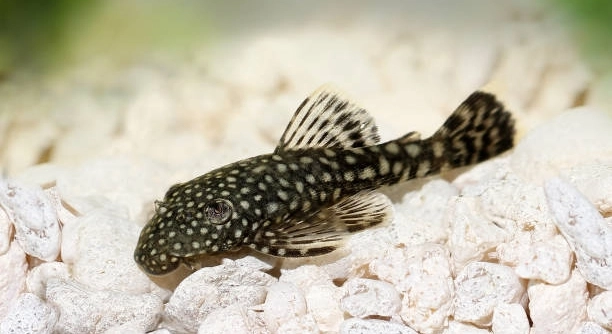
Is your pleco always hanging out behind the filter instead of exploring the tank? Many pleco owners notice this behavior, especially when their fish seems to prefer staying in one corner for long periods of time.
Plecos often remain behind the filter due to a combination of factors, including water flow preference, hiding instincts, and territorial behavior. Positioning behind the filter provides consistent current, safety, and access to food particles.
Understanding these behaviors can help you create a more comfortable environment for your pleco, promoting both activity and overall health in your aquarium.
Understanding Pleco Behavior
Plecos are naturally shy and nocturnal fish, often seeking shelter during daylight hours. Spending time behind the filter is normal because it mimics a cave-like environment, which plecos favor for resting and hiding. The filter provides a steady flow of water, which plecos enjoy as it brings oxygen and helps distribute food particles. Many plecos also use the filter area as a vantage point to monitor their surroundings while feeling secure. Observing your pleco, you may notice it rarely swims in open areas during the day. This behavior is not necessarily a sign of stress, but rather a reflection of their natural instincts. Maintaining a clean tank with proper filtration and hiding spots encourages your pleco to explore other areas gradually. Consistency in water parameters, temperature, and lighting also contributes to a sense of safety, reducing reliance on the filter as a hiding spot.
Providing an enriched environment with plants and caves can reduce constant hiding.
By adding driftwood, rocks, and live or artificial plants, you create additional shelter areas. This allows your pleco to move freely without feeling exposed. Rotating decorations and adding floating plants can simulate a natural habitat. Ensuring gentle water flow away from the filter encourages exploration. Observing feeding patterns is also important, as plecos may linger behind the filter waiting for food to accumulate. Regular tank maintenance, including partial water changes, keeps the water clean, reducing stress and encouraging more active behavior. Some plecos are more territorial, so dividing hiding areas helps prevent dominance over one spot. Even small adjustments, like repositioning the filter slightly, can stimulate movement and curiosity. Over time, these changes help your pleco balance safety with activity, improving both its physical and mental well-being.
Common Water and Tank Issues
Poor water quality can influence pleco behavior, making them stay behind the filter.
High ammonia, nitrite, or nitrate levels cause stress, prompting your pleco to seek a safe corner. Temperature fluctuations or low oxygen levels also encourage hiding. Regular testing and maintenance are essential to prevent these problems.
Maintaining stable water parameters is crucial for plecos, as they are sensitive to sudden changes. A consistent temperature, pH, and filtration system ensures a comfortable environment. Plecos produce a significant amount of waste, so weekly partial water changes are necessary to keep the tank clean. Adding an air stone or ensuring sufficient water circulation helps oxygenate the tank, making open areas more appealing. Avoid overcrowding, as excess fish can increase stress and competition for hiding spots. Observation is key: if your pleco consistently stays behind the filter despite proper care, it may simply prefer the security and water flow. Combining environmental enrichment with stable water conditions encourages balanced activity without forcing your pleco into the open, allowing natural behavior to thrive while maintaining overall health.
Feeding Habits and Filter Preference
Plecos often linger near the filter because food particles accumulate there. They may prefer this spot over other areas of the tank, as it provides an easy, consistent source of nutrition without needing to search widely.
Plecos are primarily nocturnal feeders, but they will scavenge throughout the day. Filters create gentle water currents that carry leftover food, making the area attractive. Some plecos may even graze on biofilm and algae growing around the filter, adding to their sense of security. Ensuring a balanced diet, including vegetables and sinking pellets, reduces over-reliance on the filter area while maintaining proper nutrition. Observing feeding behavior helps you identify if your pleco is getting enough variety in its diet.
Placement of food can encourage movement away from the filter. Using floating vegetables, pellets, or algae wafers in different areas of the tank helps your pleco explore. Over time, this variation promotes activity, reduces stress, and provides mental stimulation while still allowing access to the comfort of the filter when desired.
Tank Layout and Environmental Comfort
Plecos stay behind the filter because it offers hiding space and water flow, making them feel secure and comfortable in the tank environment.
Tank layout plays a key role in pleco behavior. Including caves, driftwood, and plants creates alternative shelter options, giving the fish multiple safe zones. Gentle water currents around decorations simulate natural habitats, encouraging movement throughout the tank. Avoid placing too many obstacles in the open swimming areas, as this can restrict space and stress the fish. Monitoring water flow is important; strong currents near the filter can make the rest of the tank seem calmer and safer. Small adjustments, such as rotating décor or repositioning the filter, encourage exploration while maintaining comfort. Over time, a thoughtfully arranged tank helps your pleco balance safety with activity, reducing excessive reliance on one hiding spot.
Social Behavior and Tankmates
Plecos often hide behind the filter to avoid aggressive tankmates. This behavior helps them maintain a sense of safety and reduces stress from interactions with more active or territorial fish.
Some plecos are naturally solitary and need personal space. Providing multiple hiding spots allows peaceful coexistence and limits conflicts with other fish.
Health Monitoring
Regular observation behind the filter can indicate health issues. Lethargy, discoloration, or unusual spots may appear while hiding, signaling potential illness.
Monitoring water quality, diet, and behavior ensures your pleco remains healthy. Consistent care helps prevent stress-related problems and encourages natural movement patterns.
Adjusting Filtration and Flow
Strong water flow can make open areas uncomfortable, so plecos stay behind the filter where currents are predictable.
Adjusting filter output or adding flow deflectors creates calmer areas in the tank. This encourages exploration while maintaining oxygenation and cleanliness for overall fish health.
FAQ
Why does my pleco only come out at night?
Plecos are naturally nocturnal. They prefer darkness to feel safe, which is why they spend most of the day hiding behind the filter or other decorations. Nighttime activity allows them to search for food and explore the tank with less stress. Maintaining a consistent light schedule helps them follow a natural rhythm.
Is it normal for my pleco to hide constantly?
Yes, hiding is a natural behavior for plecos. They feel secure in shaded or sheltered areas. Constant hiding can also indicate a preference for calmer, less crowded sections of the tank. Providing multiple hiding spots reduces competition and allows your pleco to feel comfortable.
Should I be concerned if my pleco is behind the filter all day?
Not necessarily. This behavior is common and usually reflects comfort and security rather than illness. However, watch for signs like lethargy, loss of appetite, or unusual spots, which could indicate health problems requiring attention.
How can I encourage my pleco to explore more?
Introduce decorations, driftwood, and plants to create alternative hiding spots. Changing the placement of these items gradually encourages movement. Offering food in different locations, like vegetables or sinking pellets, helps your pleco leave the filter area to graze. Adjusting water flow to create calmer sections also promotes exploration.
Does the filter benefit my pleco?
Yes, the filter provides water movement, aeration, and a place to forage leftover food particles. Many plecos use the area as a safe resting spot. Ensuring the filter is clean and appropriately sized maintains optimal conditions for your fish while supporting its natural behaviors.
Can stress cause my pleco to stay behind the filter?
Absolutely. Stress from aggressive tankmates, poor water conditions, or overcrowding can make plecos seek secure areas. Monitoring water parameters, providing adequate hiding spaces, and reducing conflicts can help minimize stress and encourage more active behavior.
Is hiding behavior influenced by water temperature?
Yes, plecos prefer stable temperatures. Sudden drops or rises can make them retreat to calmer, sheltered areas. Maintaining consistent water temperature within their ideal range reduces stress and encourages exploration away from the filter.
Do plecos need multiple hiding spots?
Providing several hiding spots is ideal. It reduces territorial disputes and gives your pleco choices for safety. Using caves, driftwood, and plants ensures your pleco feels secure while promoting more natural movement patterns in the tank.
How often should I check water parameters?
Regular monitoring is crucial. Weekly checks for ammonia, nitrite, nitrate, and pH ensure a healthy environment. Stable water conditions prevent stress and excessive hiding, supporting your pleco’s overall well-being.
Will my pleco eventually stop hiding behind the filter?
Over time, with proper tank setup, enrichment, and stable conditions, your pleco may explore more. Some may always prefer the filter area, but the goal is to balance safety with activity. Consistent care encourages confidence and healthier, more visible behaviors.
How can I tell if my pleco is eating enough?
Observe feeding behavior and check for leftovers. A healthy pleco grazes on algae, sinking pellets, and vegetables. Regular observation ensures proper nutrition and helps determine if additional feeding methods are needed to prevent reliance solely on particles near the filter.
Are plecos territorial about their filter area?
Yes, some plecos can be territorial, especially in smaller tanks. They may defend the area around the filter if it provides ideal flow and hiding space. Multiple hiding zones reduce territorial aggression and promote coexistence with other tankmates.
Can lighting affect hiding behavior?
Bright lighting encourages plecos to seek shelter behind the filter or other shaded areas. Dim or natural lighting can make open spaces more comfortable, encouraging exploration without compromising their sense of security.
Do all pleco species behave this way?
Most species exhibit similar hiding tendencies, though some are more active than others. Researching the specific needs of your pleco species helps tailor tank setup, feeding, and enrichment to their natural behavior patterns, ensuring comfort and activity.
How long should a pleco stay behind the filter before intervention is needed?
Extended hiding is usually normal, but consistent inactivity paired with appetite loss, abnormal swimming, or discoloration warrants attention. Early intervention ensures any potential health issues are addressed before they become severe, maintaining your pleco’s long-term well-being.
Can rearranging the tank help?
Yes, gentle rearrangement of plants, decorations, and hiding spots encourages exploration. Moving a few items gradually allows your pleco to investigate new spaces while still having secure areas to return to. Avoid sudden changes that could cause stress or confusion.
Is filter placement important for pleco comfort?
Absolutely. Filters create water flow and resting zones. Placing the filter where the current is gentle yet consistent gives plecos a safe area while leaving other parts of the tank calm, encouraging them to explore without feeling threatened.
How do I balance activity and safety for my pleco?
Provide multiple hiding spots, stable water parameters, proper diet, and gentle water flow. These elements create a safe yet stimulating environment. Over time, your pleco will feel confident exploring, while still having access to secure areas near the filter for rest.
Can tank size affect hiding behavior?
Smaller tanks often increase reliance on the filter for safety. Larger tanks with adequate hiding spaces and decorations encourage movement and exploration. Ensuring enough room for natural behavior reduces stress and promotes overall health.
How often should I clean the filter?
Clean the filter monthly or as needed, depending on tank size and waste load. Avoid thorough cleaning that removes beneficial bacteria. Maintaining the filter ensures water quality while preserving the area your pleco prefers for security and feeding.
Are plecos happy hiding behind the filter?
Yes, hiding does not mean unhappiness. It reflects their instincts and comfort level. Observing normal eating, swimming, and interaction with the tank environment indicates your pleco is thriving even while spending time behind the filter.
What signs show my pleco is stressed despite hiding?
Look for clamped fins, rapid breathing, unusual swimming patterns, or loss of appetite. Stress may require adjusting tankmates, water parameters, or hiding spaces to restore balance and comfort.
Can filter hiding be linked to age?
Older plecos may prefer calmer areas and spend more time behind the filter. Juveniles tend to be more active but still use the filter for safety. Adjusting tank layout to accommodate age and size helps maintain comfort and movement.
How do I know if my pleco has enough stimulation?
Active exploration, regular feeding, and interaction with tank features indicate sufficient stimulation. Rotating decorations, adding plants, and varying food locations ensures mental and physical engagement while respecting their preference for security.
Does the type of substrate matter?
Yes, soft or smooth substrate allows safe movement. Rough or sharp substrate can make plecos seek shelter behind the filter more often. Choosing appropriate substrate supports natural grazing and exploration without risk of injury.
Can plecos coexist peacefully while sharing the filter area?
Yes, if there are multiple hiding spots and enough space. Territorial disputes may occur in small tanks. Providing additional shelters and monitoring interactions ensures that plecos coexist without stress or dominance conflicts.
How do I know if environmental changes are working?
Observe changes in swimming patterns, feeding behavior, and time spent behind the filter. Gradual exploration, increased activity, and continued comfort indicate that tank adjustments are improving your pleco’s experience and overall well-being.
Are there times when leaving them behind the filter is best?
Yes, during molting, stress, or illness, the filter area provides a safe, calm retreat. Respecting this instinct helps your pleco recover while maintaining access to oxygenated water and gentle flow.
Can decorations near the filter help?
Yes, placing plants or driftwood near the filter creates layered hiding areas. This allows plecos to feel secure while encouraging gradual exploration beyond the filter, balancing safety and activity naturally.
Is it okay if my pleco rarely leaves the filter?
Yes, some plecos prefer the security of the filter and remain healthy. Ensuring proper diet, water quality, and enrichment confirms that this behavior is safe and does not indicate stress or illness.
Do plecos need companions to leave the filter?
Not necessarily. Plecos are often solitary and can be content alone. Companions may reduce stress in some setups, but the presence of other fish does not guarantee increased activity outside the filter area.
How long does it take for a pleco to adjust to a new tank?
Adjustment can take days to weeks, depending on species and tank conditions. Providing hiding spots, stable water, and gentle lighting helps your pleco feel safe and gradually explore beyond the filter as confidence grows.
Can feeding frequency influence hiding behavior?
Yes, frequent, evenly spaced feeding encourages movement and reduces constant reliance on leftover food near the filter. Offering a mix of vegetables and pellets promotes grazing throughout the tank while maintaining comfort.
Do plecos feel secure if the filter is noisy?
Excessive noise or vibration may stress plecos, prompting constant hiding. Ensuring the filter operates quietly and smoothly helps maintain a calm environment where the pleco feels comfortable exploring.
Should I change the filter if my pleco never leaves it?
Not necessarily. Focus on adjustments like water flow, additional hiding spots, and varied food placement. The goal is to encourage exploration while keeping the filter as a safe retreat, not removing it entirely.
Can plecos get bored behind the filter?
Yes, mental stimulation is important. Rotating decorations, varying feeding locations, and adding interactive elements like driftwood or algae wafers encourages natural behavior while respecting their preference for safety.
Is it normal for plecos to sleep near the filter?
Yes, the area provides shelter, gentle water flow, and a sense of security, making it an ideal resting spot during daylight hours.
Can lighting changes reduce hiding?
Dimming lights gradually can make open areas more appealing. Using a consistent day-night cycle maintains natural behavior while allowing exploration without causing stress.
Does water current direction matter?
Yes, plecos prefer predictable currents. Adjusting flow to create calm areas encourages movement away from the filter while keeping them comfortable with gentle water movement.
How do I know if my pleco is happy?
Regular grazing, normal swimming, and active exploration alongside periods of hiding indicate your pleco is healthy and comfortable. Occasional filter use is normal and does not reflect unhappiness.
Are plecos more active in larger tanks?
Yes, larger tanks with ample hiding spots and enrichment promote exploration. Space reduces territorial disputes and encourages movement beyond the filter while providing multiple secure areas.
Can seasonal changes affect behavior?
Temperature, light duration, and water chemistry shifts may increase hiding behavior. Maintaining stable conditions minimizes stress and supports consistent activity throughout the year.
How important is water quality compared to hiding spots?
Both are critical, but poor water quality directly impacts health. Hiding spots provide security, but clean, stable water ensures your pleco thrives physically and mentally.
Should I monitor pleco weight or size?
Yes, tracking growth and body condition helps ensure adequate nutrition and overall health. Sudden weight loss or poor growth may indicate stress or illness requiring intervention.
Do plecos interact with the filter physically?
Yes, some plecos graze on biofilm around the filter, while others use it for resting. This interaction is natural and contributes to their comfort in the tank.
Can adding live plants reduce hiding?
Yes, plants create alternative shelters and visual barriers. They provide comfort and encourage exploration while keeping plecos feeling secure, reducing excessive dependence on the filter.
How long should I wait before changing tank setup for a hiding pleco?
Give your pleco time to adjust to new decorations or changes. Gradual alterations over days to weeks encourage safe exploration without causing stress.
Does feeding type affect filter hiding?
Yes, providing sinking pellets, vegetables, and algae wafers in multiple areas encourages movement, reducing reliance on leftover food near the filter while maintaining proper nutrition.
Are plecos more likely to hide in community tanks?
Yes, in tanks with active or aggressive species, plecos often retreat behind the filter for safety. Ensuring adequate hiding spaces reduces stress and promotes peaceful coexistence.
Can temperature changes trigger hiding?
Sudden temperature fluctuations increase stress and cause plecos to seek shelter. Maintaining stable, species-appropriate temperatures encourages comfort and activity away from the filter.
Do plecos ever leave the filter for no reason?
Occasionally, plecos may explore spontaneously. Changes in feeding, lighting, or enrichment can prompt movement, but preference for safety often brings them back to familiar areas.
Is constant hiding a sign of laziness?
No, plecos are naturally cautious and prefer secure spaces. Hiding reflects instinct and comfort, not laziness, especially when they feed and interact normally.
Can multiple plecos share the same hiding spots?
Yes, if there are enough shelters to prevent territorial disputes. Observing behavior ensures peaceful coexistence and prevents stress-related aggression.
How can I tell if my pleco enjoys its environment?
Active grazing, exploration, and regular filter use without stress indicators show comfort. A well-maintained, enriched tank supports natural behavior and overall health.
Do plecos recognize their environment?
Yes, plecos learn safe zones, feeding areas, and current patterns. Familiarity with their tank encourages comfort and consistent behavior, including spending time behind the filter.
How can I balance hiding and exercise?
Provide multiple hiding spots, varied feeding locations, and gentle water currents. This ensures your pleco can rest safely while still engaging in physical activity throughout the tank.
Are plecos more active at certain times of day?
Yes, nocturnal behavior means they are most active at night. Daytime hiding behind the filter is natural, while evening and night provide optimal time for movement and feeding.
Can water chemistry changes affect filter hiding?
Yes, shifts in pH, hardness, or other parameters can stress plecos. Stable water chemistry encourages exploration while maintaining the filter as a safe retreat.
Should I add more filters for multiple plecos?
Adding filters improves water quality and creates multiple flow areas. This can reduce territorial behavior and encourage movement while maintaining safety for all plecos.
Do plecos groom themselves near the filter?
Yes, they often scrape algae or biofilm from surfaces, including the filter. This activity contributes to natural feeding and hygiene habits while providing a safe resting area.
Is it normal for plecos to “hibernate” behind the filter?
Plecos do not truly hibernate, but periods of low activity or resting in secure spots mimic this behavior. It is normal and supports energy conservation.
Can adding driftwood reduce hiding?
Yes, driftwood provides shelter, grazing surfaces, and security. Multiple pieces encourage movement away from the filter while still offering comfort and natural habitat elements.
Does hiding frequency change with age?
Older plecos may hide more for comfort, while younger ones explore more actively. Tank setup and enrichment help maintain balanced activity regardless of age.
Are plecos stressed if they never leave the filter?
Not necessarily. If water quality, diet, and enrichment are adequate, consistent filter use reflects comfort rather than stress. Observing normal behavior confirms health.
Do plecos interact with other fish near the filter?
Yes, they may tolerate other species if there is space. Territorial disputes are minimized with multiple hiding spots, ensuring peaceful coexistence and security for all fish.
Can sudden movements outside the tank affect hiding?
Yes, plecos respond to external disturbances. Staying behind the filter helps them feel safe during sudden movements, loud noises, or reflections from outside the tank.
Is filter maintenance stressful for plecos?
If done suddenly, it can be. Gradual or partial cleaning preserves bacteria, maintains water quality, and minimizes disruption, keeping plecos comfortable in their preferred area.
Do plecos ever use the filter for feeding only?
Yes, filters trap food particles, and plecos may spend time there grazing. Providing varied food locations ensures proper nutrition and encourages movement throughout the tank.
Can enrichment reduce filter dependence?
Yes, adding plants, caves, driftwood, and varied feeding encourages exploration. Enrichment maintains natural behavior while allowing plecos to return to the filter when desired.
Are plecos less stressed in filtered areas?
Yes, the filter provides gentle water flow, oxygenation, and safety. These conditions reduce stress while allowing feeding and resting in a familiar, secure environment.
How do I know if hiding is excessive?
If your pleco stops eating, shows abnormal swimming, or appears lethargic, hiding may indicate stress or illness. Regular observation ensures health and comfort.
Can tank lighting schedule influence filter use?
Yes, consistent day-night cycles help plecos maintain natural rhythms. Proper lighting encourages exploration at night while supporting daytime rest behind the filter.
Do plecos always hide behind the filter in community tanks?
Not always. While some may prefer safety, others explore depending on tank setup, hiding spots, and the behavior of other fish. Providing multiple secure areas encourages balanced activity.
Can rearranging decorations stimulate activity?
Yes, gentle changes in layout encourage exploration. Gradual rearrangement allows plecos to investigate new spaces while keeping familiar hiding areas intact.
Does tank depth affect hiding behavior?
Deeper tanks provide vertical space for hiding and grazing, which can reduce over-reliance on the filter. Proper depth allows natural movement and comfort in multiple areas.
Are plecos happy if they only graze near the filter?
Yes, grazing and hiding are natural behaviors. As long as diet, water quality, and enrichment are sufficient, limited movement does not indicate unhappiness.
How do I tell if my pleco prefers the filter due to stress?
Signs include clamped fins, erratic swimming, loss of appetite, or discoloration. Addressing environmental factors and tankmates reduces stress and supports exploration.
Can feeding algae wafers near the filter encourage activity?
Yes, placing wafers slightly away from the filter encourages movement and grazing in different areas while still allowing your pleco to return to the filter for comfort.
Is filter hiding linked to personality?
Some plecos are naturally cautious and prefer secure areas. Individual temperament influences how often they hide, with some exploring more readily than others.
Does water hardness influence hiding?
Yes, extreme hardness or softness can stress plecos. Maintaining species-appropriate water hardness encourages comfort and reduces excessive reliance on the filter as a hiding spot.
Can frequent tank maintenance affect filter hiding?
Sudden or aggressive maintenance may stress plecos, prompting extended hiding. Gradual, careful upkeep preserves comfort while keeping water quality optimal.
Do plecos ever interact with the filter for reasons other than hiding?
Yes, they may use it for grazing, resting, or sensing water flow. These interactions support natural behavior and provide comfort while maintaining access to safe spaces.
How do I ensure my pleco balances safety and activity?
Provide
Final Thoughts
Plecos are naturally cautious fish, and spending time behind the filter is a common behavior. This area provides them with safety, gentle water flow, and a steady source of leftover food. It is normal for plecos to seek out secure spaces in the tank, especially during the daytime when they are less active. Observing your pleco’s behavior over time will help you understand what it finds comfortable. While it may seem like your pleco is hiding too much, this instinct is part of its natural pattern and not a sign of laziness or neglect. Maintaining a consistent tank environment with proper water quality, stable temperatures, and regular feeding supports both the fish’s health and its behavioral needs. By respecting these natural habits, you create a space where your pleco can feel secure while still having opportunities to explore the tank when it chooses.
Providing multiple hiding spots and environmental enrichment helps balance safety with activity. Driftwood, caves, and plants give plecos alternatives to the filter area, allowing them to spread out and avoid stress from overcrowding or territorial disputes. Gentle water flow away from the filter encourages exploration while maintaining a safe resting spot nearby. Regular observation of feeding patterns, movement, and overall health is important to ensure that your pleco is thriving. Sinking pellets, vegetables, and algae wafers distributed in various areas of the tank stimulate natural grazing behavior. Over time, these adjustments help your pleco gradually become more active without forcing it out of its preferred safe zones. This combination of stability and stimulation encourages a healthy balance between resting behind the filter and exploring the rest of the tank.
Understanding why your pleco spends so much time behind the filter also helps you respond appropriately to its needs. Stress, poor water conditions, or aggressive tankmates can increase hiding behavior, so maintaining water quality, providing adequate space, and monitoring tank dynamics is essential. Each pleco has its own personality, and some may always prefer the security of the filter, while others may gradually explore more areas as they grow confident in their environment. Paying attention to these patterns ensures your pleco remains healthy, comfortable, and engaged. Ultimately, recognizing that hiding behind the filter is a normal and natural behavior allows you to create a well-balanced aquarium setup that supports both the physical and mental well-being of your pleco, giving it the safety it needs while encouraging gentle, natural activity throughout its habitat.

Hello,
If you enjoy the content that we create, please consider saying a "Thank You!" by leaving a tip.
Every little bit helps us continue crafting quality advice that supports the health, happiness, and well-being of pets around the world, for pets of all shapes, sizes, and species.
We really appreciate the kindness and support that you show us!