
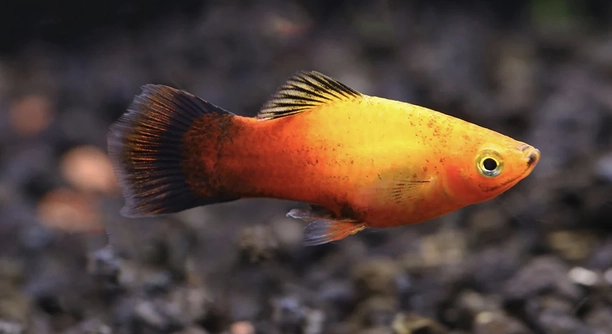
Is your platy constantly picking at the gravel in its tank? Many fish owners notice this odd behavior and wonder why their platy seems so interested in the substrate. This can be a common sight in home aquariums with these colorful fish.
Platies often interact with gravel because they are naturally curious and search for food particles. They may also ingest gravel accidentally while grazing or explore their environment. This behavior is usually harmless but can indicate dietary needs or tank conditions.
Understanding why your platy focuses on the gravel helps improve its care and environment. Small changes in diet or tank setup can make a big difference in your fish’s wellbeing.
Why Platies Pick at Gravel
Platies pick at gravel mainly because they are naturally curious and constantly searching for food. In the wild, they often sift through the substrate looking for small bits to eat. In an aquarium, the gravel can trap leftover flakes, pellets, or tiny organisms. Sometimes, this behavior is just part of their normal feeding routine. However, if the gravel is very fine or sharp, it can cause irritation or harm, so the type of substrate matters. Another reason could be boredom or stress. When they don’t have enough stimulation or hiding places, platies may focus on the gravel out of habit. If you notice your platy constantly digging or swallowing gravel, it might be a sign that they need a better diet or tank enrichment. Watching their behavior closely will help you decide if anything needs to change.
Platies also use gravel to explore their environment, so some digging is normal.
Keeping the tank clean and providing varied food can reduce excessive gravel picking and keep your platy healthier.
How to Manage Gravel Behavior
Adjusting your platy’s diet can reduce their need to search for food in gravel.
Feeding platies a balanced diet rich in vegetables and protein helps meet their nutritional needs. When they are well-fed, they are less likely to pick at gravel in search of leftover food. Adding sinking pellets or live food encourages natural foraging without damaging substrate. It’s also important to keep the tank clean, as leftover food can accumulate and attract digging. Providing plants and decorations creates hiding spots and keeps platies busy. These changes reduce stress and boredom, which also lower gravel-picking behavior. Using smooth gravel or sand makes it safer if they do dig. Regular observation lets you spot any changes in behavior early, so you can adjust care as needed. Overall, a balanced environment supports healthier, happier platies.
Gravel Types and Their Impact
Not all gravel is the same. Some types can be rough or sharp, which may bother your platy’s mouth and digestive system. Choosing smooth, rounded gravel is safer and more comfortable for your fish.
Smooth gravel or fine sand reduces the risk of injury when platies dig or pick at the substrate. Sharp or coarse gravel might cause cuts or irritation in their mouths, leading to stress or infections. Platies sometimes accidentally swallow gravel, and rough pieces can damage their internal organs. Selecting the right substrate also helps keep the tank clean and healthy. Rounded gravel is easier to clean because debris doesn’t get trapped as easily. It also encourages natural foraging behavior without harming the fish.
Sand is a popular alternative for platy tanks because it mimics natural habitats and is gentle on their bodies. It also allows platies to dig freely without the risk of injury. Sand may require more frequent cleaning to avoid buildup, but it improves fish comfort and health over time.
Signs of Gravel-Related Problems
Watch for signs that gravel might be causing issues. These include reduced appetite, mouth redness, or unusual swimming behavior.
If your platy is constantly picking at gravel but shows signs of stress or injury, the substrate might be a problem. Mouth sores, swelling, or bleeding indicate damage from sharp gravel. Changes in swimming patterns, such as rubbing against tank surfaces, can also be a sign of irritation. When gravel is swallowed in large amounts, your platy may show signs of digestive distress like bloating or lethargy. These symptoms require attention because they can lead to serious health issues if left untreated. Changing the gravel to a softer option and improving diet often helps resolve these problems. Regular observation and tank maintenance are important to prevent gravel-related injuries and keep your platy comfortable and healthy.
Preventing Gravel Issues
Keeping the tank clean helps reduce gravel-related problems. Regular vacuuming removes leftover food and waste that attract platies to dig.
Adding plants or decorations can also keep your platy busy, lowering its focus on the gravel. Enrichment reduces boredom and stress.
Feeding Tips to Reduce Gravel Picking
Offering a varied diet is key to preventing gravel picking. Include high-quality flakes, frozen or live foods, and vegetable matter like blanched spinach or peas. Feeding smaller portions more frequently keeps platies satisfied and less likely to search the gravel for food. Proper nutrition supports their health and reduces unwanted behaviors.
When to Seek Help
If your platy shows signs of injury or illness, consult an aquatic vet or experienced fish keeper for advice.
FAQ
Why does my platy keep eating gravel?
Platies often pick at gravel because they are looking for leftover food particles. Their natural behavior includes foraging on the substrate, which can sometimes cause them to accidentally swallow small pieces of gravel. This usually isn’t harmful if the gravel is smooth and the fish is healthy. However, if your platy is eating large amounts of gravel or showing signs of distress, it could mean its diet isn’t balanced or the tank environment is not ideal.
Can eating gravel harm my platy?
Yes, eating gravel can cause problems if the substrate is rough or sharp. It can injure the fish’s mouth or digestive tract. Swallowing gravel can also cause blockages or internal damage. Using smooth, rounded gravel or sand helps reduce these risks. If you notice your platy showing signs like bloating, lethargy, or mouth injuries, it’s best to change the substrate and consult an expert.
Is it normal for platies to dig in gravel?
Yes, digging and picking at gravel is normal behavior for platies. They are naturally curious and often search for food trapped in the substrate. However, excessive digging can be a sign of boredom, stress, or poor diet. Providing hiding spots, plants, and varied food helps keep them busy and less focused on the gravel.
How can I stop my platy from eating gravel?
To reduce gravel eating, improve your platy’s diet by offering balanced, nutritious food like flakes, pellets, and live or frozen foods. Feeding smaller amounts more often prevents hunger and searching for extra food in the gravel. Also, make sure the tank is clean and remove leftover food regularly. Providing decorations and plants helps reduce boredom and digging behavior.
What type of gravel is best for platies?
The best gravel for platies is smooth, rounded, and not too sharp. Fine gravel or sand works well because it’s gentle on their mouths and bodies. Avoid sharp or coarse gravel, which can cause injuries or discomfort. Proper substrate choice supports natural foraging behavior without risking harm.
Could stress cause my platy to obsess over gravel?
Yes, stress can make platies focus on unusual behaviors like excessive gravel picking. Stress may come from poor water quality, overcrowding, lack of hiding places, or aggressive tank mates. Improving tank conditions, adding plants and decorations, and maintaining clean water helps reduce stress and related behaviors.
How often should I clean the gravel?
Cleaning gravel regularly is important to remove uneaten food, fish waste, and debris that can build up. Use a gravel vacuum during water changes, ideally once a week or every two weeks. This prevents food buildup that encourages gravel digging and keeps water quality high for your platy’s health.
Can a poor diet cause gravel obsession?
Yes, an unbalanced diet lacking enough nutrients can cause your platy to search for extra food in the gravel. If they feel hungry or miss certain nutrients, they may dig more. Feeding a varied diet with quality flakes, pellets, and occasional live or vegetable foods helps meet their needs and reduces this behavior.
What should I do if my platy injures its mouth on gravel?
If you notice cuts, redness, or swelling in your platy’s mouth, changing the substrate to a softer option like sand is important. Keep the tank clean to prevent infections and observe the fish closely. If symptoms persist or worsen, seek advice from an aquatic veterinarian to ensure proper treatment.
Are there alternatives to gravel for platy tanks?
Yes, many platy owners use fine sand or smooth aquarium substrates instead of gravel. Sand is gentle and allows natural digging without risk of injury. Some also use bare-bottom tanks with plants and decorations, which are easier to clean and reduce gravel-related issues. Choose based on your setup and fish needs.
Choosing the right environment for your platy is important for its health and happiness. Gravel plays a key role in how your fish behaves, especially when it comes to picking and digging. Understanding why your platy focuses on the gravel can help you make small changes that improve its wellbeing. Sometimes this behavior is simply natural curiosity or feeding habits, but other times it could point to diet or tank setup issues. Paying attention to these signs will make it easier to provide the best care for your fish.
Keeping the tank clean and offering a balanced diet are two of the simplest ways to reduce unwanted gravel picking. Leftover food in the gravel can encourage your platy to dig more than usual, so regular vacuuming helps keep the tank tidy. Feeding small portions multiple times a day makes sure your fish stays full and less likely to search for extra food in the substrate. Adding plants, decorations, or hiding places also helps by giving your platy something else to focus on. These simple changes can reduce stress and keep your fish active and healthy.
Choosing smooth gravel or switching to sand can protect your platy from injuries caused by sharp or rough substrate. Gravel that is too coarse can harm your fish’s mouth or digestive system if swallowed. If you notice any signs of injury or unusual behavior, consider changing the substrate and consulting a fish expert. Overall, a well-maintained tank with the right environment and proper feeding will help your platy thrive and enjoy a healthy life. Being aware of your fish’s behavior and needs is the best way to keep it happy in your care.

Hello,
If you enjoy the content that we create, please consider saying a "Thank You!" by leaving a tip.
Every little bit helps us continue crafting quality advice that supports the health, happiness, and well-being of pets around the world, for pets of all shapes, sizes, and species.
We really appreciate the kindness and support that you show us!