
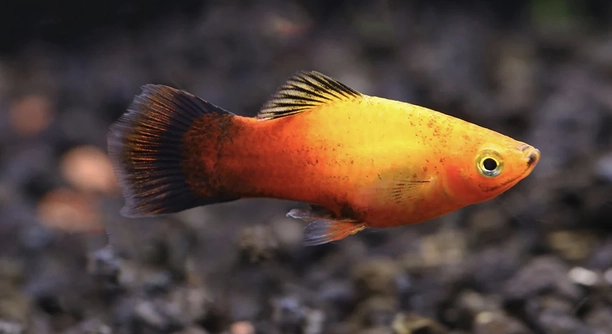
Is your platy fish suddenly floating at an odd angle in the tank? Many fish owners notice this unusual behavior and wonder what it means for their pet’s health. Floating strangely can be a sign that something is off with your fish.
Platies float at strange angles mainly because of swim bladder issues, which affect their balance and buoyancy. Swim bladder problems can result from poor diet, infections, or water quality problems that disrupt normal swimming behavior.
Knowing the causes behind this behavior helps you take the right steps to help your platy. Keeping your fish comfortable and healthy starts with understanding these common issues.
Common Causes of Strange Floating in Platies
When a platy floats oddly, the swim bladder is often involved. This small organ controls balance and helps the fish stay upright. If it doesn’t work well, the fish may tilt or float sideways. Poor diet is a frequent cause. Overfeeding or feeding too many dry flakes can lead to constipation, which puts pressure on the swim bladder. Another cause is water quality. Dirty or improperly treated water stresses fish and can cause infections that affect their swim bladder. Sometimes, physical injury or genetic issues also play a role. It’s important to observe your platy’s behavior carefully and check the tank’s environment to spot problems early.
Stress can also affect how your platy swims. Sudden changes in temperature or overcrowding may cause unusual floating.
Fixing these problems usually involves adjusting diet and cleaning the tank regularly. Providing a balanced diet and stable environment helps your platy maintain proper swimming habits.
How to Improve Your Platy’s Swimming
Changing feeding habits is one of the easiest ways to help a floating platy. Feeding smaller portions and adding fresh vegetables like peas can relieve constipation. Peas act as a natural laxative and can improve swim bladder function.
Maintaining clean water is equally important. Regular water changes and testing for ammonia, nitrites, and nitrates keep the tank safe. Poor water conditions weaken your fish’s immune system, making swim bladder problems worse.
Temperature should be stable, between 72-78°F (22-26°C). Avoid sudden changes, which stress your platy. Overcrowding also causes stress, so keep the number of fish appropriate for the tank size.
If you see signs of infection like swollen belly or redness, consider consulting a vet or fish specialist. Medication may be needed to treat bacterial or parasitic infections affecting the swim bladder.
By focusing on diet, water quality, and tank conditions, you can help your platy return to normal swimming and enjoy a healthier life.
Preventing Swim Bladder Issues in Platies
Regular tank maintenance is key to preventing swim bladder problems. Clean water reduces stress and keeps fish healthy. Avoid overfeeding by offering small, measured meals.
A well-balanced diet including fresh vegetables helps digestion and supports swim bladder health. Avoid too many dry flakes, which can cause constipation. Monitoring water parameters like pH, ammonia, and nitrate levels prevents harmful conditions that can trigger swim bladder issues.
Maintaining stable water temperature and avoiding overcrowding reduces stress on your platy. Stress weakens the immune system, making fish more prone to infections that affect swimming. Providing a calm environment will help keep your platy swimming normally and happily.
When to Seek Help for Your Platy
If your platy’s floating behavior does not improve after diet and tank adjustments, professional help may be necessary. Persistent unusual swimming or other symptoms like lethargy or loss of appetite can indicate deeper health problems.
Fish vets or experienced aquarium specialists can diagnose infections or internal issues that home care can’t fix. Some swim bladder problems require medication or special treatment. Early intervention improves recovery chances. Regular monitoring and care make a big difference in your platy’s well-being and longevity.
Signs of Swim Bladder Problems
Swim bladder issues often cause your platy to float sideways, upside down, or struggle to stay balanced. You might also notice the fish having trouble swimming downward or sinking suddenly.
Other signs include a swollen belly or difficulty eating. These symptoms often appear together, showing the need for quick action to prevent worsening.
Diagnosing the Issue at Home
Observing your platy closely helps identify the cause of its floating problem. Check for physical signs like bloating or wounds. Test water quality regularly, looking for harmful chemicals or incorrect pH levels.
Diet changes or water adjustments can reveal if constipation or environment is the root cause. Keeping a log of your fish’s behavior will help track progress or when to seek expert advice.
Simple Tank Adjustments to Help
Adding a sponge filter reduces strong currents that stress your platy. Lower water flow allows easier swimming and recovery.
Ensuring the tank has hiding spots helps reduce stress, creating a safer environment for healing.
Why is my platy floating at a strange angle?
Platies float strangely most often because of swim bladder problems. This organ controls their buoyancy and balance. When it’s affected by constipation, infections, or water quality issues, fish may tilt, float sideways, or struggle to stay upright. Poor diet and stress are common triggers for these issues.
Can diet cause my platy to swim oddly?
Yes, diet is a major factor. Overfeeding or feeding too many dry flakes can cause constipation, which puts pressure on the swim bladder. Feeding peas or other fresh vegetables helps digestion and eases swim bladder stress. A balanced diet supports healthy swimming.
How does water quality affect my platy’s swimming?
Dirty water or poor water conditions cause stress and weaken your platy’s immune system. High levels of ammonia, nitrites, or nitrates can damage organs, including the swim bladder. Keeping the tank clean and testing water regularly helps prevent problems.
What are signs my platy needs medical treatment?
If your platy keeps floating oddly despite diet and water changes, or shows lethargy, loss of appetite, or swelling, it may have an infection or other illness. A vet or fish specialist can provide medication or treatments that home care cannot.
How often should I clean my platy’s tank?
Partial water changes of 20-30% every week or two are ideal. This keeps harmful chemicals low and maintains a healthy environment. Avoid cleaning the whole tank at once, which can stress your fish by removing helpful bacteria.
Can temperature changes cause swim bladder problems?
Yes, sudden shifts in water temperature stress fish and can lead to swim bladder issues. Platies do best in stable temperatures between 72°F and 78°F (22-26°C). Use a reliable heater and thermometer to keep the temperature steady.
Is overcrowding a factor in strange floating?
Overcrowding increases stress and competition for oxygen and food, which affects your platy’s health. Keep a reasonable number of fish for your tank size to reduce stress and improve swimming behavior.
Can swim bladder problems heal on their own?
Some mild swim bladder issues resolve with proper diet and clean water. However, persistent or severe cases usually need treatment. Early care improves recovery chances, so don’t delay in addressing unusual floating.
What foods should I avoid to prevent swim bladder problems?
Avoid feeding only dry flakes or processed foods. These can cause constipation. Also, avoid overfeeding, which leads to excess waste and digestive issues. Incorporate fresh veggies and occasional live or frozen foods for variety and better digestion.
Should I isolate my platy if it’s floating oddly?
Isolating your platy in a separate tank can reduce stress and allow better control over diet and water conditions. It also prevents possible spread of infections. Make sure the isolation tank is clean, warm, and quiet.
Are there any quick fixes for my floating platy?
Feeding shelled, cooked peas can quickly relieve constipation and ease swim bladder pressure. Also, reduce feeding frequency for a few days and perform a partial water change. These steps often help improve buoyancy within a short time.
How can I tell if my platy’s swim bladder is infected?
Infections usually cause swelling, redness, or abnormal lumps near the belly. The fish may also become lethargic and lose appetite. If you notice these signs, a vet visit is recommended for proper diagnosis and treatment.
Can injury cause my platy to float strangely?
Physical injuries from tank decorations, rough handling, or fighting with other fish can damage the swim bladder. Injured fish may show erratic swimming and need careful observation and a safe environment to heal.
Is it normal for platies to float at times?
Occasionally, a platy may float differently for a short time due to minor digestive issues or temporary stress. However, consistent or severe floating problems are not normal and require attention.
What’s the best water flow for a platy tank?
Platies prefer gentle water flow. Strong currents can tire them and worsen swimming problems. Use filters with adjustable flow or add plants and decorations to break currents for a calmer environment.
How long does it take for a platy to recover from swim bladder issues?
Recovery time varies depending on the cause and care. Mild constipation may improve within days, while infections or injuries might take weeks with treatment. Patience and consistent care are important during recovery.
Can poor tank mates cause swimming problems?
Aggressive or fast fish can stress platies, causing erratic swimming or hiding. Choosing peaceful tank mates reduces stress and helps maintain normal behavior and swimming patterns.
Is it okay to use medication for swim bladder problems?
Medication can be necessary for infections but should be used carefully. Always follow instructions or consult a specialist before treating your fish. Overuse of medication can harm the fish and beneficial bacteria in the tank.
What role does oxygen play in my platy’s swimming?
Low oxygen levels make it hard for platies to swim properly and stay healthy. Ensure good aeration with air stones or proper filtration to maintain oxygen-rich water, which supports normal swimming and overall health.
Can swim bladder problems affect platy lifespan?
If untreated, swim bladder problems can lead to serious health decline and reduce lifespan. Early care and proper tank conditions help your platy live a longer, healthier life.
When a platy floats at a strange angle, it can be worrying. Understanding why this happens is important for keeping your fish healthy. Most often, swim bladder issues cause the odd floating. The swim bladder helps the fish control its balance and stay upright in the water. Problems with this organ usually come from diet, water quality, or stress. If the fish eats too much dry food or gets constipated, the swim bladder can be affected. Dirty water and sudden changes in the tank environment also cause stress, which makes swim bladder problems worse. Paying attention to these factors can help prevent your platy from struggling to swim properly.
Taking good care of your platy means keeping its tank clean and feeding it a balanced diet. Regular water changes help keep harmful chemicals low and create a safe space for your fish. Avoid overfeeding, and try to include fresh vegetables like peas in the diet to support digestion. A stable water temperature between 72 and 78 degrees Fahrenheit is also important, as sudden temperature changes can stress your fish. Watching your platy’s behavior and appearance daily lets you catch any signs of trouble early. If the fish floats oddly for a long time or shows other symptoms like swelling or loss of appetite, it might need medical attention.
Helping your platy recover from swim bladder problems takes patience. Simple changes like adjusting the diet, cleaning the tank, and reducing stress often improve the situation. In more serious cases, a vet or aquarium expert may be needed to provide treatment. Preventing swim bladder issues is easier than fixing them, so consistent care and a good environment are the best approach. By keeping your platy’s tank clean, feeding the right foods, and maintaining stable conditions, you give your fish the best chance to swim normally and live a healthy life.

Hello,
If you enjoy the content that we create, please consider saying a "Thank You!" by leaving a tip.
Every little bit helps us continue crafting quality advice that supports the health, happiness, and well-being of pets around the world, for pets of all shapes, sizes, and species.
We really appreciate the kindness and support that you show us!