
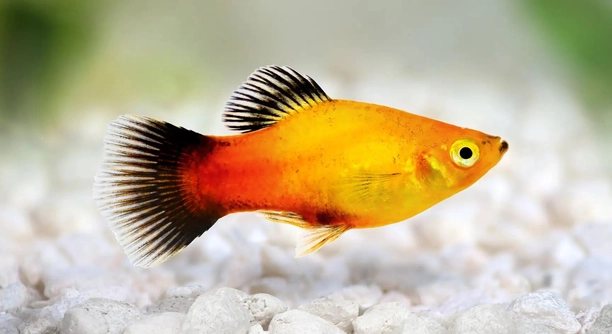
Is your platy avoiding certain spots in the tank, leaving you puzzled about what might be going wrong with its environment?
Platys may avoid specific areas due to poor water quality, aggressive tank mates, unsuitable lighting, strong currents, or temperature imbalances. These environmental factors can influence behavior and affect your platy’s comfort and overall well-being.
Understanding these triggers can help you create a safer, more inviting tank environment for your platy to thrive and explore freely.
Poor Water Quality
When water conditions are off, platys often avoid areas with low oxygen or high waste buildup. Dirty filters, uneaten food, or infrequent water changes can create poor-quality zones in the tank. Platys are sensitive to ammonia, nitrites, and nitrates, which can build up quickly. They may hide in corners or near the surface to escape harmful areas. Testing the water regularly helps you catch imbalances before they affect behavior. Make sure to clean filters, vacuum the substrate, and change 25–30% of the water weekly. These small actions make a big difference in helping your platy feel secure and healthy.
Platys prefer clean, stable water. When levels shift, they may retreat to areas they feel are safer or more comfortable.
Always monitor tank conditions using reliable test kits. Keep ammonia at 0 ppm, nitrites at 0 ppm, and nitrates under 40 ppm. Maintaining balance supports their natural behavior and encourages full tank exploration.
Aggressive Tank Mates
Platys are peaceful and may avoid areas where more dominant fish spend their time. This type of stress can lead to hiding or erratic swimming.
In tanks with aggressive species like barbs or larger cichlids, platys may isolate themselves to avoid confrontation. Even subtle chasing or nipping can make them feel unsafe. Over time, this stress may reduce their appetite or weaken their immune system. Observing interactions between fish helps identify whether tank mates are the cause. If you notice signs of bullying, consider rehoming aggressive fish or creating separate zones with decorations and plants. Adding visual barriers, like tall plants or rock caves, can give platys a break from unwanted attention. It’s also helpful to avoid overcrowding, as cramped spaces make territorial issues worse. Keeping fish with similar temperaments helps maintain peace and keeps platys active in all areas of the tank. Regular observation is key to making timely adjustments that support their well-being.
Strong Water Currents
Platys prefer gentle currents. When the flow is too strong, they often avoid high-flow areas and stick to calmer corners or behind decorations.
Filter outflows or powerheads can create strong currents that tire out platys or push them around the tank. If your platy constantly swims against the flow or hides behind objects, the current may be too much. Adjusting the filter output or using a sponge pre-filter can reduce the strength. Adding tall plants or décor can also help break up the flow, giving your platy calm spaces to rest. While some movement is important for oxygenation, too much can cause stress and keep your fish from exploring. A balanced setup supports both water circulation and comfort, helping your platy feel secure and move freely. Always observe how your fish react after changes to the current and adjust as needed.
Overly strong water flow can also interfere with feeding. Food may get swept away before platys can eat, leaving them underfed and stressed. This can lead to them staying near calmer areas where food is easier to reach. It’s important to make sure your filtration supports clean water without disrupting the tank’s livability. Watch how your fish behave during feeding to spot issues early.
Unstable Water Temperature
Platys need stable temperatures. Frequent shifts can cause stress, illness, and avoidance of specific zones where temperature fluctuates more than usual.
Heaters placed unevenly or tanks positioned near windows or vents can cause temperature differences across the aquarium. Platys may gather near heaters or completely avoid sections of the tank if one side is colder or warmer. Consistent temperature between 72–78°F is ideal. Using a reliable aquarium thermometer helps track this. If you notice your fish only swim on one side, test multiple areas of the tank to check for variations. Investing in a quality heater with even distribution, or adding a second heater for large tanks, helps keep the environment stable and inviting for all your fish. Stability supports your platy’s immune system and keeps them active and comfortable.
Even small swings in temperature can have long-term effects. Chilling during water changes or overheating from direct sunlight are common problems. Make sure to match new water to the tank’s current temperature and avoid placing the aquarium in spots exposed to drafts or heat. Slow changes are less harmful, but sudden spikes or drops can cause your platy to stay still or isolate. A stable environment helps them feel safe to explore all areas.
Inadequate Lighting
Platys may avoid areas that are too bright or too dim. Harsh lighting can cause stress, while low lighting may feel unsafe, especially in open areas.
Use adjustable lights and shaded spots like floating plants to create a balanced environment. Soft, even lighting makes platys feel more at ease.
Lack of Hiding Spots
Without enough hiding spaces, platys can feel exposed and may avoid open zones in the tank. Adding plants, caves, or ornaments helps them feel secure and more willing to explore. Even peaceful tanks benefit from safe retreats.
Poor Tank Layout
An unbalanced or sparse tank layout can limit your platy’s movement and comfort. If décor is clustered in one area or leaves large open zones, platys may avoid those spaces. They prefer environments with both open swimming room and sheltered corners. Even distribution of plants, rocks, or driftwood encourages natural movement. Cluttered tanks can be just as stressful as empty ones. Space out decorations to allow free swimming while still offering coverage. Rearranging the layout with your fish’s comfort in mind can make a big difference. When platys feel secure, they use the whole tank more confidently and behave more naturally.
High Noise or Vibrations
Loud sounds or tank vibrations from nearby appliances may cause platys to avoid certain spots. They sense movement in the water and respond by hiding or staying in quieter areas.
FAQ
Why is my platy hiding all the time?
Platys hide when they feel stressed, scared, or unsafe. Common reasons include poor water quality, aggressive tank mates, or strong currents. They also hide if the lighting is too bright or if there are not enough hiding spots. Checking water parameters, observing tank mates’ behavior, and providing plants or decorations can help your platy feel secure and reduce hiding.
How can I improve water quality for my platy?
Regular water changes of 25-30% weekly help maintain good water quality. Use a reliable test kit to monitor ammonia, nitrites, and nitrates. Clean the filter regularly but avoid washing it with tap water to keep beneficial bacteria. Remove uneaten food and vacuum the substrate to prevent waste buildup. Stable, clean water reduces stress and promotes healthy behavior.
What are signs of stress in platys?
Stress signs include hiding, loss of appetite, erratic swimming, and faded colors. Stress weakens their immune system, making them prone to illness. Causes range from poor water conditions to aggressive tank mates or unstable temperatures. Monitoring behavior daily helps catch stress early so adjustments can be made quickly.
Can tank mates affect my platy’s behavior?
Yes. Aggressive or territorial fish can cause platys to hide or avoid certain areas. Even mild chasing or nipping stresses them. Keeping platys with peaceful fish and providing plenty of space reduces stress. If aggressive behavior continues, separating or rehoming certain fish may be necessary.
How do water currents impact platys?
Platys prefer gentle water flow. Strong currents tire them out and force them to avoid certain tank sections. Adjusting filter flow or using decorations to break up currents creates calmer zones. This helps platys swim comfortably and feed easily without being pushed around.
What temperature range is best for platys?
Platys thrive in water temperatures between 72°F and 78°F (22°C–26°C). Sudden changes or uneven temperatures cause stress. Using a reliable heater and thermometer keeps conditions stable. Avoid placing tanks near windows, vents, or heat sources to prevent temperature fluctuations.
How important are hiding spots for platys?
Very important. Platys need places to retreat when stressed or resting. Plants, caves, and decorations provide security and reduce anxiety. Even peaceful tanks benefit from hiding spots, helping platys explore without fear.
Why might my platy avoid feeding areas?
If food is swept away by strong currents or aggressive fish chase them during feeding, platys may avoid those areas. Feeding in calm zones or hand-feeding can encourage better eating habits. Ensuring peaceful tank mates also helps reduce feeding stress.
Can lighting affect platy behavior?
Yes. Harsh or very bright lighting can cause stress, making platys avoid well-lit areas. Low lighting may make them feel unsafe in open spots. Using adjustable lighting and adding floating plants or shaded areas balances light exposure for comfort.
How can I make my tank more inviting for platys?
Maintain clean, stable water and avoid overcrowding. Provide plenty of hiding spots and plants. Keep lighting moderate and adjust water flow to gentle levels. Choose peaceful tank mates and arrange decorations evenly. Regular observation helps catch issues early, keeping your platy comfortable and active throughout the tank.
Final Thoughts
Understanding why your platy avoids certain areas in the tank is key to providing a healthy environment. Many factors influence their behavior, from water quality and temperature to tank mates and lighting. Each element plays a role in how comfortable your platy feels. Paying attention to these details helps reduce stress and encourages your fish to explore the entire tank. When platys have clean water, stable temperatures, and peaceful companions, they are more likely to show natural and active behavior.
Taking small steps like regular water testing, proper filtration, and balanced tank layout can make a big difference. Adjusting water flow to gentle levels and providing hiding spots allows your platy to feel safe. Avoiding aggressive fish or overcrowding prevents unnecessary stress. These measures not only improve your platy’s quality of life but also create a better viewing experience. Watching your fish swim freely and confidently in all areas of the tank shows that their needs are being met.
Consistency is important. Sudden changes in water parameters, lighting, or temperature can cause your platy to retreat to specific spots. Maintaining a routine with gradual adjustments helps keep your fish comfortable. Monitoring their behavior regularly gives clues about what might be wrong before problems get worse. With patience and attention, you can create an environment where your platy feels secure and happy. This ensures your fish will thrive and be a lively part of your aquarium.

Hello,
If you enjoy the content that we create, please consider saying a "Thank You!" by leaving a tip.
Every little bit helps us continue crafting quality advice that supports the health, happiness, and well-being of pets around the world, for pets of all shapes, sizes, and species.
We really appreciate the kindness and support that you show us!