
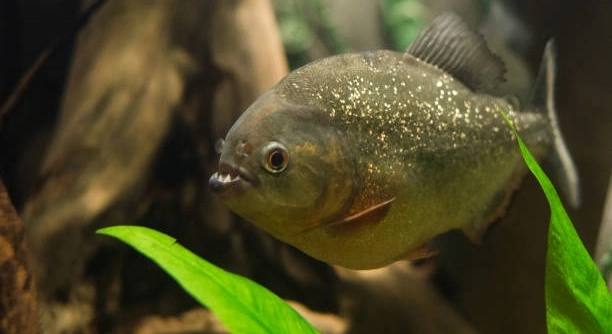
Is your piranha suddenly jumping out of the water? This behavior can be surprising for many fish owners. Understanding why your piranha jumps can help ensure its health and prevent any accidents in the tank.
Piranhas jump for several reasons, including stress, poor water conditions, feeding habits, tank size, aggression, or health issues. Recognizing these causes allows owners to address the underlying problems and improve the fish’s environment and well-being.
Learning the common reasons behind this behavior can help maintain a safer, more comfortable habitat for your piranha. This article will cover seven key factors to watch for and how to respond.
Stress and Anxiety
Piranhas may jump when they feel stressed or anxious. Stress can come from sudden changes in their environment, such as loud noises, vibrations near the tank, or frequent handling. Poor water quality and overcrowding also increase stress levels. When a piranha is stressed, it may try to escape what feels like a threatening situation by jumping out of the water. It is important to keep the tank environment calm and stable to reduce stress. Regular maintenance, such as cleaning the tank and monitoring water parameters, helps keep the fish comfortable. Avoid sudden movements around the tank and limit disturbances to prevent anxiety.
Stress affects a piranha’s health and behavior significantly. Reducing stress factors will lower the chances of jumping incidents and support their well-being.
Keeping the tank in a stable, quiet location and maintaining clean water conditions helps minimize stress. Adding hiding spots can also make your piranha feel more secure.
Poor Water Quality
Poor water quality is a common cause of piranhas jumping. Ammonia, nitrite, or nitrate levels that are too high can irritate the fish. These chemicals build up quickly in small or unfiltered tanks. If the water parameters are off, piranhas may try to escape the uncomfortable conditions by jumping. Testing water regularly and performing partial water changes are essential for maintaining a healthy tank. A good filtration system is necessary to keep the water clean and safe. Even small changes in temperature or pH can stress the fish. Monitoring and adjusting these factors is critical to preventing jumping behavior caused by poor water quality.
Keeping the water clean and balanced directly improves your piranha’s comfort and reduces unwanted jumps.
Proper tank care requires frequent water tests and timely maintenance. This ensures a healthy environment, which lowers stress and jumping caused by poor water conditions. If you notice persistent jumping, water quality should be the first factor to check.
Feeding Habits
Piranhas sometimes jump during feeding times. They can become overly excited or aggressive when food is introduced, causing sudden bursts of movement.
This behavior is common in piranhas that are fed irregularly or in large amounts at once. Overfeeding can cause them to compete aggressively, leading to jumping. It is better to feed smaller amounts more frequently to reduce this reaction. Feeding should be consistent and balanced to keep their behavior calm. Using sinking food instead of floating food can also help prevent splashing and jumping.
Avoid feeding directly over the tank’s surface to reduce excitement. Providing enough food without excess prevents aggressive jumps related to feeding habits.
Tank Size and Environment
A tank that is too small can cause piranhas to jump. Limited space restricts natural movement, increasing stress and frustration. Crowded tanks also raise aggression levels.
Piranhas need enough room to swim comfortably. A small tank can lead to poor water quality and increased aggression, which often causes jumping. The recommended minimum size for one piranha is about 20 gallons, with more space needed for groups. Adding plants, rocks, or hiding spots helps reduce stress and creates a more natural environment. Avoid overcrowding to maintain a peaceful tank dynamic.
A properly sized tank with environmental enrichment reduces stress and jumping caused by confinement. Adjusting the tank size and setup improves your piranha’s quality of life.
Aggression and Tank Mates
Piranhas are naturally aggressive, especially toward other fish. This can cause them to jump if they feel threatened or stressed by tank mates.
Choosing compatible tank mates and avoiding overcrowding helps reduce aggression. Aggressive behavior often leads to sudden movements, including jumping.
Health Issues
Illness or parasites can cause discomfort, making piranhas more likely to jump. Common signs include lethargy, loss of appetite, or visible wounds.
If health problems are suspected, it is important to test water quality, isolate the affected fish, and consult a veterinarian for proper diagnosis and treatment.
Sudden Changes in Environment
Piranhas react strongly to sudden changes like temperature shifts, light changes, or moving the tank. These changes can trigger jumping behavior.
Keeping the environment stable and minimizing disruptions will help keep piranhas calm and reduce jumping.
FAQ
Why does my piranha jump out of the water suddenly?
Piranhas often jump when they feel stressed or uncomfortable. This can be caused by poor water quality, overcrowding, sudden noises, or aggressive tank mates. They may also jump during feeding times due to excitement or competition. Addressing these factors helps reduce jumping behavior.
Can jumping hurt my piranha?
Yes, jumping can be dangerous. Piranhas may injure themselves by hitting the tank lid or falling outside the tank. Water loss from jumping can also cause stress and dehydration. Keeping a secure lid and maintaining good tank conditions lowers the risk of injury.
How can I stop my piranha from jumping?
Improving water quality, providing enough space, and reducing stress are key. Use a tight-fitting tank lid and avoid sudden changes near the tank. Feeding smaller amounts more often and adding hiding places also helps keep your piranha calm.
Is jumping normal behavior for piranhas?
Jumping is not uncommon but should not happen frequently. Occasional jumping can be a sign of natural activity or excitement. Frequent jumping usually indicates a problem, such as poor environment or health issues.
Can tank size affect jumping behavior?
Yes, a small or overcrowded tank increases stress and aggression, which can cause jumping. Piranhas need enough room to swim and hide. Increasing tank size and reducing the number of fish help reduce jumping.
Do piranhas jump more when stressed?
Stress increases jumping behavior. Stressors include loud noises, vibrations, poor water conditions, and aggressive tank mates. Reducing these factors by maintaining a stable environment lowers stress and jumping incidents.
What role does water quality play in jumping?
Poor water quality irritates piranhas and can lead to jumping. High levels of ammonia, nitrites, or nitrates cause discomfort. Regular water tests and changes keep water clean and safe, which helps prevent jumping.
Are there signs my piranha is sick when it jumps?
Yes, if jumping is accompanied by lethargy, loss of appetite, or visible injuries, illness may be involved. Parasites and infections can cause discomfort, leading to jumping. Prompt treatment is necessary to protect your fish.
Can feeding schedule affect jumping?
Irregular or excessive feeding can cause excitement and aggressive behavior, making piranhas jump. Feeding small, consistent amounts daily helps regulate their behavior and reduces jumping caused by competition.
How can I create a better environment to prevent jumping?
Maintain clean water, provide a spacious tank, and add hiding spots. Minimize sudden noises and vibrations around the tank. A secure lid prevents escapes. These steps create a calm environment that discourages jumping.
Is it necessary to isolate a jumping piranha?
Isolation is only needed if the fish shows signs of illness or severe stress. Otherwise, improving tank conditions and reducing stressors is enough. Overcrowding or incompatible tank mates should be addressed first.
Can piranhas jump out of the tank?
Yes, piranhas are strong jumpers and can leap out if the tank is uncovered or the lid is loose. Always use a tight-fitting lid to prevent escapes and injuries from jumping.
What are the best tank mates to reduce aggression and jumping?
Choose fish that are large, robust, and non-aggressive. Avoid small or slow-moving fish that can trigger aggression. Proper tank mates reduce stress and lessen the chance of jumping due to fights or fear.
Does light affect piranha jumping?
Sudden changes in lighting can startle piranhas, causing them to jump. Gradually adjusting lights and avoiding sudden bright flashes helps keep them calm and prevents jumping triggered by fear or surprise.
Final Thoughts
Piranhas jumping can be concerning for any fish keeper. This behavior often signals that something in their environment needs attention. Common causes include stress, poor water quality, overcrowding, or changes in their surroundings. Each factor affects the fish’s comfort and health, which can lead to jumping as a response. It is important to remember that while occasional jumping may be normal, frequent or vigorous jumping should not be ignored. Addressing the root causes helps keep piranhas safe and comfortable in their tank.
Maintaining a clean and stable environment is key to reducing jumping. Regular water tests, proper filtration, and consistent water changes help keep harmful chemicals low. Providing enough space for swimming and places to hide reduces stress and aggressive behavior. Feeding routines also play a role; smaller, frequent feedings prevent excitement and competition that may lead to jumping. In addition, avoiding sudden changes in lighting or temperature helps keep your piranha calm. These simple steps make a significant difference in their overall well-being.
Taking good care of piranhas means observing their behavior closely and adjusting their environment when needed. Using a secure lid on the tank prevents injury from jumping and escapes. If health issues are suspected, seeking professional advice is necessary to treat any illness properly. Ultimately, careful tank management creates a safer, healthier habitat. This reduces jumping behavior and supports your piranha’s long-term health and comfort. Monitoring and responding to their needs will improve their quality of life.

Hello,
If you enjoy the content that we create, please consider saying a "Thank You!" by leaving a tip.
Every little bit helps us continue crafting quality advice that supports the health, happiness, and well-being of pets around the world, for pets of all shapes, sizes, and species.
We really appreciate the kindness and support that you show us!