
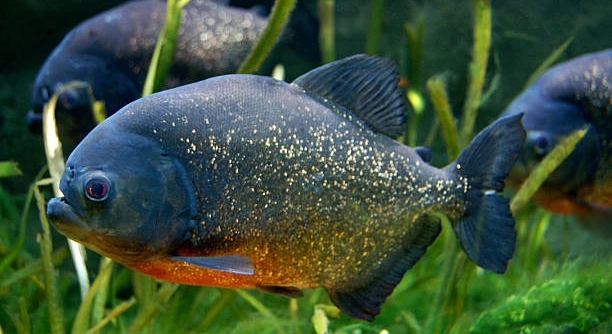
Many aquarium owners notice their piranha flicking its fins rapidly and wonder what this behavior means. Observing fish behavior is important for maintaining a healthy environment. Rapid fin flicking can be a sign that something in the tank needs attention.
Rapid fin flicking in piranhas often indicates stress, irritation, or a response to poor water quality. It may also signal the presence of parasites, discomfort, or attempts to communicate with other fish. Addressing water conditions and tank setup is essential for resolving this behavior.
Understanding why your piranha behaves this way can help improve its well-being and ensure a healthier aquarium environment overall. The following information will explain common causes and solutions for this issue.
Common Causes of Rapid Fin Flicking
Rapid fin flicking in piranhas can result from several factors. One of the main reasons is poor water quality. High levels of ammonia, nitrites, or nitrates irritate the fish’s skin and gills, causing discomfort. Another cause is the presence of parasites or infections, which can lead to itching or pain, prompting the fish to flick its fins repeatedly. Stress is also a significant factor. Changes in the tank environment, such as sudden temperature shifts or aggressive tank mates, can make piranhas feel threatened. Lack of space or hiding spots may increase anxiety, contributing to this behavior. Finally, physical injury or fin damage might cause irritation, leading to rapid movements as the fish tries to soothe itself.
Addressing these factors promptly is essential to prevent long-term harm. Keeping the tank clean and monitoring fish health regularly can reduce these issues.
Rapid fin flicking often signals a problem that needs attention. Identifying the cause early helps maintain your piranha’s health.
Proper care and observation are key to minimizing stress and discomfort in your piranha’s habitat. This helps promote a stable environment where your fish can thrive.
Water Quality and Its Effects
Water quality is critical for piranha health. Poor water conditions can irritate their skin and gills, leading to rapid fin flicking. Ammonia, nitrite, and nitrate levels need regular monitoring and control to avoid toxicity. Proper filtration and regular water changes reduce waste buildup and maintain stability.
When water parameters are off, piranhas become stressed and vulnerable to illness. Low oxygen levels or incorrect pH can also cause agitation. Testing water weekly allows early detection of problems. It is important to use water conditioners and maintain the recommended temperature range for piranhas.
Keeping the tank clean and balanced creates a comfortable environment. This limits irritation and promotes natural behavior. Investing time in water maintenance prevents frequent health issues and improves overall fish well-being. If rapid fin flicking persists after water correction, other causes should be investigated to provide targeted care.
Parasites and Infections
Parasites and infections often cause piranhas to flick their fins rapidly. These issues irritate the skin and gills, leading to discomfort and unusual behavior.
Parasites such as ich or flukes attach to the fish’s body, causing itching and inflammation. Infections can result from bacteria or fungi entering damaged skin. When infected, piranhas may scratch against objects or flick their fins to relieve irritation. Left untreated, these conditions worsen and may threaten the fish’s health. Quarantining affected fish and using appropriate medications can help control outbreaks and prevent spread within the tank.
Monitoring your piranha regularly for visible signs like spots, redness, or swelling can catch infections early. Maintaining good tank hygiene and avoiding overcrowding reduce the risk of disease. Prompt action supports recovery and reduces stress caused by parasites or infections.
Stress Factors Affecting Piranhas
Stress from environmental or social conditions can cause rapid fin flicking. Changes such as new tank mates, sudden water parameter shifts, or insufficient hiding spots trigger anxiety. Piranhas are territorial, so overcrowding or aggressive neighbors increase stress levels. Maintaining stable water parameters and providing enough space limits stress. Regular feeding and minimizing disturbances help keep piranhas calm.
Stress weakens the immune system, making fish prone to illness and abnormal behavior. Avoid sudden changes in temperature or water chemistry, as piranhas adapt slowly. Providing plants, rocks, or caves allows for hiding and reduces tension. Observing fish interactions helps identify aggression early and lets you adjust tank conditions accordingly. Reducing stress improves fin flicking issues and promotes healthy, natural behavior.
Physical Injury and Fin Damage
Physical injury can cause rapid fin flicking as the fish tries to ease discomfort. Fin damage often results from rough tank mates or sharp decorations.
Damaged fins become sensitive and may lead to increased flicking. Checking the tank for hazards and separating aggressive fish helps prevent injuries. Regular observation allows early detection and treatment of fin damage.
Tank Environment and Space
A cramped or poorly arranged tank increases stress and fin flicking. Piranhas need enough space to swim freely and areas to hide.
Providing a properly sized tank with suitable décor reduces stress and promotes natural behavior. Overcrowding should be avoided to maintain a healthy environment.
Treating Rapid Fin Flicking
Treatment depends on the cause. Improving water quality is the first step. For parasites, use appropriate medications following instructions carefully.
Quarantine affected fish to stop spread. Reduce stress by maintaining stable conditions and offering hiding spots. Injuries may require antibacterial treatments and isolation until healed.
When to Seek Professional Help
If rapid fin flicking continues despite changes, consult a specialist. Persistent symptoms may indicate serious health issues needing expert diagnosis and care.
FAQ
Why is my piranha flicking its fins rapidly?
Rapid fin flicking is usually a sign of irritation or stress. This can come from poor water quality, parasites, infections, or injury. It is the fish’s way of trying to relieve discomfort or respond to its environment.
Can poor water quality really cause fin flicking?
Yes, poor water quality irritates the skin and gills. Ammonia, nitrites, and nitrates build up in the tank when it isn’t cleaned regularly. These chemicals are toxic and cause fish to flick their fins rapidly as a reaction to the discomfort.
How do I test and improve water quality for my piranha?
Use aquarium test kits to check ammonia, nitrite, nitrate, and pH levels weekly. Perform partial water changes regularly to keep these levels safe. Add water conditioners if needed and ensure your filter is working properly. Stable water parameters help reduce fin flicking.
Could parasites be causing my piranha’s fin flicking?
Yes, parasites such as ich or flukes irritate the fish’s skin and gills. This causes scratching and rapid fin flicking. Look for white spots, redness, or unusual marks on your piranha. Treat with the right medication and quarantine infected fish.
What signs show my piranha has an infection?
Infections often cause redness, swelling, torn fins, or unusual behavior like flicking fins. Fungal or bacterial infections usually occur after injury or due to poor tank conditions. Early treatment is important to prevent worsening.
How do I treat fin damage in my piranha?
Separate injured fish from aggressive tank mates. Clean the tank and improve water quality to promote healing. Use antibacterial medications if necessary. Keep the environment calm to reduce stress during recovery.
Can stress cause my piranha to flick its fins rapidly?
Yes, stress from overcrowding, sudden changes in water temperature, or aggressive neighbors can cause rapid fin flicking. Stress weakens the immune system, making fish more prone to illness. Reducing stress by improving tank conditions often reduces this behavior.
What tank setup is best to reduce stress in piranhas?
Provide enough swimming space and hiding spots using plants, rocks, or caves. Avoid overcrowding and choose compatible tank mates. Keep water parameters stable and avoid sudden changes. A calm environment helps piranhas feel secure.
How long does it take for fin flicking to stop after treatment?
This depends on the cause and treatment effectiveness. Water quality improvements may show quick results within days. Parasite or infection treatments may take one to two weeks. Injuries might need longer recovery time. Patience and consistent care are necessary.
Should I quarantine new fish before adding them to my piranha tank?
Yes, quarantining new fish for at least two weeks helps prevent introducing parasites or diseases. This protects your piranha and keeps the tank environment healthy. Observe new fish closely for any signs of illness during quarantine.
When should I contact a vet or aquarium specialist?
If rapid fin flicking continues after improving water quality and treating parasites or injuries, consult a professional. Persistent symptoms might indicate serious health problems needing expert diagnosis and treatment.
Is rapid fin flicking always a sign of illness?
Not always. Sometimes, piranhas flick fins during normal communication or minor irritations. However, if the behavior is frequent or combined with other symptoms like lethargy or loss of appetite, it should be investigated.
Can diet affect my piranha’s fin flicking behavior?
A poor diet weakens immune response, making fish more vulnerable to infections and stress. Feeding a balanced diet appropriate for piranhas supports overall health and helps reduce fin flicking caused by illness.
What can I do to prevent rapid fin flicking in the future?
Maintain clean water with regular testing and changes. Provide a stress-free tank with enough space and hiding spots. Quarantine new fish and observe all inhabitants for signs of illness. Good care practices reduce causes of fin flicking.
Final Thoughts
Rapid fin flicking in piranhas is a common sign of discomfort that should not be ignored. It usually indicates an underlying issue such as poor water quality, parasites, stress, or injury. Understanding the reasons behind this behavior is important to ensure the health and well-being of your fish. Addressing these problems early can prevent further complications and help maintain a balanced aquatic environment. Taking steps to improve the tank conditions and carefully monitoring your piranha’s behavior will make a significant difference.
Maintaining proper tank care is essential in preventing rapid fin flicking. Regular water testing and partial water changes keep harmful chemicals like ammonia and nitrites at safe levels. Providing enough space, hiding places, and compatible tank mates reduces stress for your piranha. Monitoring for signs of parasites or infections allows for quick treatment, which is vital to avoid prolonged discomfort or health decline. A clean, stable, and well-arranged tank encourages natural behavior and minimizes irritation.
If rapid fin flicking continues despite your efforts, professional help may be necessary. Persistent symptoms could point to more serious health issues that require expert diagnosis and treatment. It is important to stay attentive and patient while managing your piranha’s care. With consistent maintenance and timely action, most causes of fin flicking can be controlled. This supports your fish’s long-term health and allows it to thrive in its environment.

Hello,
If you enjoy the content that we create, please consider saying a "Thank You!" by leaving a tip.
Every little bit helps us continue crafting quality advice that supports the health, happiness, and well-being of pets around the world, for pets of all shapes, sizes, and species.
We really appreciate the kindness and support that you show us!