
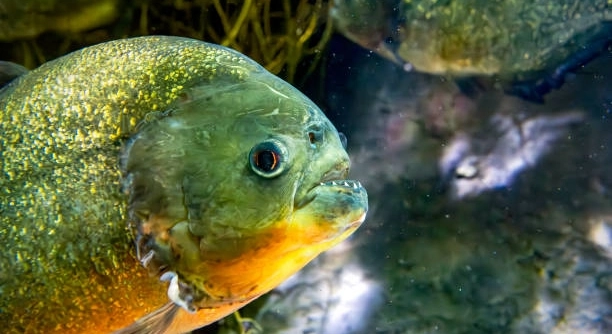
Piranhas are fascinating fish known for their sharp teeth and feeding habits. Providing the right tools can improve feeding efficiency and safety for both the fish and their caretakers. Selecting proper feeding tools is important for piranha care.
Using effective feeding tools encourages piranhas to respond positively by reducing stress and promoting natural feeding behaviors. Tools such as feeding tongs, feeding rings, and specialized sticks allow precise food delivery, which supports healthier eating patterns and controlled feeding environments.
These feeding methods help maintain water quality and support the overall well-being of piranhas in captivity. Understanding these tools can improve the feeding experience for both the fish and their keepers.
Feeding Tongs for Safe and Precise Feeding
Feeding tongs are one of the most effective tools to feed piranhas. They allow you to place food directly into the tank without putting your hands at risk. This is especially important since piranhas have strong jaws and sharp teeth. With tongs, you can hold meat or other food securely and move it closer to the fish. This controlled method prevents sudden splashes or fights over food. Using tongs also helps keep the tank cleaner by reducing scattered food particles. Many aquarists prefer metal or plastic tongs that are easy to clean and durable. Feeding with tongs requires patience and careful movement to avoid stressing the fish. Over time, piranhas may even recognize the tongs as a feeding signal, which can reduce aggressive behavior during feeding time. This tool improves safety and feeding accuracy.
Tongs provide safe distance and control during feeding, reducing risk and mess in the tank.
Regular use of feeding tongs can improve the feeding routine. Fish learn to associate the tongs with food, making them less aggressive and easier to feed. The ability to place food precisely helps ensure that each piranha gets enough to eat, minimizing competition. Tongs also make it easier to feed live or frozen foods without contamination. Overall, this tool supports a healthier environment for the fish and reduces stress for the caretaker.
Feeding Rings to Keep Food Contained
Feeding rings help contain floating food in one spot, preventing it from spreading across the tank. This containment helps monitor how much food is given and reduces waste. The rings float on the surface and create a boundary that keeps flakes or pellets together. This is useful in larger tanks or when feeding smaller portions. Using feeding rings can also limit food decay in the water, which helps maintain water quality and reduces the need for frequent cleaning.
Feeding rings help keep food in one place and reduce waste in the tank.
When food remains in a confined area, it is easier to see if piranhas are eating all of it or if some food needs to be removed. This prevents leftover food from polluting the water. Feeding rings are simple to use and clean, often made from plastic or foam. They improve feeding management and promote a cleaner tank environment. For piranhas, who can be aggressive feeders, feeding rings reduce food scattering and allow for more organized feeding sessions. This leads to better observation of feeding behavior and healthier fish.
Feeding Sticks for Targeted Delivery
Feeding sticks offer a precise way to deliver food directly to piranhas. These tools help avoid food waste and keep feeding controlled.
Feeding sticks come in various materials, including wood and plastic. They allow you to place pieces of meat or pellets exactly where needed, minimizing disturbance in the tank. This method reduces competition among fish and helps maintain a cleaner environment by preventing food from spreading. Sticks are especially useful for training piranhas to eat from specific locations, which can improve feeding behavior and reduce aggression during feeding sessions.
Regular use of feeding sticks encourages consistent feeding routines. Piranhas become familiar with the feeding location, which lowers stress and competition. It also makes it easier to feed different types of food, such as frozen cubes or chopped meat. Sticks are easy to clean and store, making them practical for everyday use. Incorporating feeding sticks enhances both the fish’s health and the aquarium’s cleanliness.
Automatic Feeders for Consistent Feeding
Automatic feeders provide scheduled, consistent feeding without daily manual effort. This is helpful for busy keepers or those who feed multiple tanks.
These devices can be programmed to release food at specific times and amounts. Automatic feeders reduce the risk of overfeeding, which can lead to poor water quality and health problems for piranhas. While convenient, it is important to monitor the feeder regularly to ensure it dispenses food correctly and does not clog. Using an automatic feeder helps maintain a steady feeding schedule, which supports stable fish behavior and tank conditions.
In tanks with multiple fish, automatic feeders prevent competition by spreading out feeding times. This allows each piranha to receive food more evenly. They are also useful when owners are away, ensuring fish receive regular meals. While not a replacement for hands-on feeding, automatic feeders offer a practical supplement that supports tank maintenance and fish well-being. Regular checks and maintenance keep the system running smoothly.
Feeding Nets for Gentle Food Delivery
Feeding nets allow controlled feeding of live or frozen foods without releasing them all at once. They reduce food loss and help prevent aggressive feeding.
Using feeding nets can keep food contained and slow the feeding process. This is beneficial for piranhas prone to overeating or fighting over food. Nets help simulate natural hunting behavior and keep the tank cleaner.
Feeding Pipettes for Small or Delicate Foods
Feeding pipettes offer precise control when delivering small or fragile foods like baby shrimp or brine shrimp. They reduce waste and target feeding to specific fish.
Clip-On Food Holders
Clip-on food holders attach to the side of the tank and hold food securely. They prevent food from floating away and make feeding easier to manage.
Weighted Feeding Tools
Weighted feeding tools help sink food quickly to the bottom where some piranhas prefer to feed. They ensure food reaches the right depth without drifting.
FAQ
What feeding tools are safest for handling piranhas?
Feeding tongs are the safest option for handling piranhas during feeding. They allow you to keep your hands at a distance from their sharp teeth while delivering food precisely. Using tongs reduces the risk of injury and keeps the feeding process controlled. Plastic or metal tongs that are easy to clean and sturdy are ideal choices for safety and durability.
How do feeding rings improve tank cleanliness?
Feeding rings keep floating food contained in one area, preventing it from spreading throughout the tank. This containment reduces food waste and leftover particles that can decay and pollute the water. By limiting the spread of food, feeding rings help maintain better water quality and reduce the need for frequent cleaning.
Can automatic feeders replace manual feeding?
Automatic feeders can provide consistent and scheduled feeding, which is useful when busy or away. However, they should not completely replace manual feeding. Regular observation during feeding helps monitor fish health and behavior. Automatic feeders support routine feeding but do not offer the personal control and interaction manual feeding provides.
What types of food are best delivered with feeding sticks?
Feeding sticks work well with chunks of meat, frozen food cubes, or large pellets. They allow precise placement near piranhas and reduce competition. Feeding sticks are less effective for very small or powdered foods but are ideal for solid, manageable portions that can be held on the stick during feeding.
Are feeding nets useful for all piranha tanks?
Feeding nets are particularly useful in tanks where live or frozen food is fed. They contain the food to slow feeding and simulate natural hunting behavior. However, in tanks where piranhas are fed mostly pellets or flakes, nets may not be necessary. Nets help reduce food waste and aggression in more active feeders.
How often should feeding tools be cleaned?
Feeding tools should be cleaned after each use to prevent bacterial growth and contamination. Simple washing with warm water and mild soap, followed by thorough rinsing, keeps tools sanitary. Regular cleaning also prolongs tool life and protects the health of the fish and aquarium environment.
Can weighted feeding tools harm piranhas?
Weighted feeding tools are safe when used correctly. They help sink food quickly, preventing it from floating and spoiling. Choosing weights that are not too heavy or sharp prevents injury. Proper use ensures food reaches piranhas in their preferred feeding zone without causing harm.
Do piranhas respond differently to various feeding tools?
Yes, piranhas may respond better to some feeding tools depending on their environment and temperament. Feeding tongs and sticks often encourage interaction, while feeding rings and nets improve food containment. Experimenting with tools helps find what works best for your piranhas, promoting healthier feeding behavior.
Is it necessary to use multiple feeding tools?
Using multiple feeding tools can be beneficial, depending on the tank setup and feeding routine. Different tools serve different purposes: tongs for safety, rings for containment, automatic feeders for routine, and nets for live foods. Combining tools can improve feeding efficiency and fish health.
How do feeding tools impact piranha behavior?
Feeding tools influence piranha behavior by reducing competition and aggression during feeding times. Tools that deliver food precisely help ensure all fish get enough to eat. This controlled feeding lowers stress levels and promotes calmer interactions. Tools that simulate natural feeding can also enrich the fish’s environment.
Final Thoughts
Feeding piranhas requires care and attention to ensure their health and well-being. Using the right feeding tools can make a significant difference in managing their diet effectively. Tools like feeding tongs, sticks, and nets help deliver food safely and reduce stress for both the fish and the keeper. These tools also allow for controlled feeding, which prevents overfeeding and reduces waste in the tank. Maintaining a clean and healthy environment is important, and the right tools contribute to this by minimizing leftover food and debris.
Different feeding tools serve specific purposes and work best in various situations. Feeding sticks and tongs help place food directly where piranhas can reach it easily, reducing aggression during feeding. Feeding rings and nets help contain food, preventing it from spreading and fouling the water. Automatic feeders provide convenience by releasing food at set times, but they are best used alongside manual feeding to maintain close observation of the fish. Choosing tools that match the tank size, number of fish, and feeding style is essential to ensure all piranhas get adequate nutrition without competition or stress.
Consistency and cleanliness are key when feeding piranhas. Regular cleaning of feeding tools helps prevent bacteria buildup and keeps the aquarium environment healthy. Monitoring the fish during feeding also helps detect any changes in behavior or health early. Incorporating a variety of tools can improve the feeding experience for both the keeper and the piranhas. Overall, using appropriate feeding tools is a practical way to support piranhas’ natural behavior, reduce feeding challenges, and maintain a balanced and healthy aquarium ecosystem.

Hello,
If you enjoy the content that we create, please consider saying a "Thank You!" by leaving a tip.
Every little bit helps us continue crafting quality advice that supports the health, happiness, and well-being of pets around the world, for pets of all shapes, sizes, and species.
We really appreciate the kindness and support that you show us!