
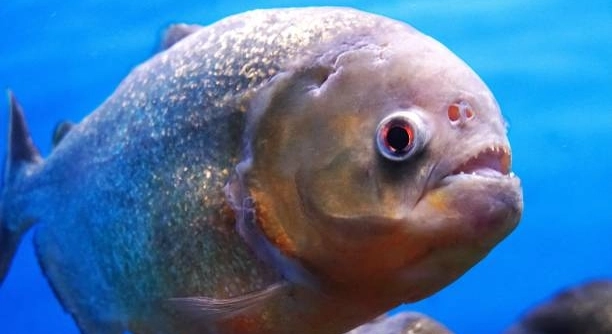
Is your piranha frequently biting the tank glass, causing concern or confusion? Many owners notice this behavior and wonder what it means for their fish’s well-being. Understanding the reasons behind this action is important for proper care.
Piranhas bite the tank glass mainly due to boredom, territorial behavior, or stress caused by inadequate environment conditions. Poor water quality, lack of hiding spaces, or improper tank size can also trigger this repetitive behavior.
Recognizing these causes can help improve your piranha’s habitat and reduce glass-biting, ensuring a healthier and calmer aquatic environment.
Why Piranhas Bite the Tank Glass
Piranhas often bite the tank glass because they feel confined or stressed. These fish are naturally territorial and need enough space to swim and establish their area. When the tank is too small or overcrowded, biting the glass becomes a way for them to express frustration or try to escape. Another cause is boredom. Without stimulation like plants, hiding spots, or other fish, piranhas may become restless. Poor water conditions, such as incorrect temperature or dirty water, also affect their behavior. When stressed, they may repeatedly bite the glass. This is a sign that their environment needs adjustment to better meet their needs. Watching for these signs early can prevent health problems and improve their quality of life. Proper care and tank setup reduce biting behavior significantly and keep your piranha calmer.
Tank size and cleanliness play a major role in reducing this behavior in piranhas.
To create a better habitat, ensure the tank is spacious enough, ideally 30 gallons or more for one piranha. Provide hiding places like plants, rocks, or caves to reduce stress. Keep the water clean by performing regular changes and maintaining proper filtration. Monitor water temperature, keeping it between 74 to 82°F, and avoid sudden changes. Enrich the environment with occasional new decorations or varied feeding routines. Adding tank mates carefully, depending on piranha species, can also help reduce boredom but requires caution. These changes help piranhas feel more secure, lowering the urge to bite the glass.
What to Do if Your Piranha Continues Biting
Start by checking the tank size and water quality. Address any issues before considering behavior changes.
If your piranha still bites the tank glass after improving conditions, try rearranging the tank layout to stimulate curiosity. Adding new hiding spots or plants can distract your fish. Feeding routines can also be adjusted to keep your piranha engaged; offer a varied diet with occasional live or frozen foods. Avoid tapping the glass or stressing the fish further, as this may worsen the behavior. If biting continues, observe if it happens at specific times or after feeding, which might indicate other triggers. In rare cases, health issues like parasites could cause irritation. Consult a vet if behavior persists despite environmental changes. Consistency in care and patience are key to resolving this problem.
Signs Your Piranha Is Stressed
Piranhas show stress through constant glass biting, erratic swimming, and loss of appetite. These behaviors indicate discomfort in their environment.
Stress can result from poor water quality, overcrowding, or improper tank conditions. When stressed, piranhas become more aggressive or lethargic, sometimes hiding excessively. These changes are signs that the tank setup needs urgent adjustment to improve their well-being. Regular water testing and proper maintenance are essential to prevent stress.
Stress may also be linked to sudden changes like new tank mates or lighting shifts. Minimizing disturbances and providing stable conditions helps your piranha feel secure. If signs persist, reviewing diet and water parameters carefully can reveal hidden issues causing stress. Early action ensures a healthier, calmer fish.
Preventing Glass Biting in Piranhas
Providing a spacious tank with proper filtration is essential to prevent glass biting. Adequate hiding spaces reduce territorial stress. Consistent maintenance of water quality keeps your piranha comfortable. Feeding a varied diet and introducing environmental enrichment reduce boredom and frustration.
Tank decorations should be changed occasionally to maintain interest. Avoid sudden environmental changes that may upset your piranha. If multiple fish are housed together, monitor for aggression and provide enough space to avoid overcrowding. A well-balanced environment reduces the urge to bite glass, supporting healthier behavior overall.
Common Mistakes That Cause Glass Biting
Overcrowding the tank is a frequent mistake that causes stress and glass biting. Insufficient hiding spots also make piranhas feel vulnerable.
Ignoring water quality and temperature leads to discomfort, triggering unwanted behavior like biting. Regular checks are important to avoid these issues.
How Tank Setup Affects Behavior
The tank setup directly impacts your piranha’s mood. A spacious tank with clean water and proper filtration reduces stress. Adding plants and hiding places helps mimic their natural environment, making them feel safer. Without these elements, piranhas become restless and prone to biting the glass. Good lighting and stable temperature further support calm behavior.
When to Seek Professional Help
If biting persists despite proper care, consult an aquatic veterinarian to check for illness or injury.
FAQ
Why does my piranha keep biting the glass even though the tank is clean?
Sometimes clean water alone is not enough to prevent glass biting. Piranhas need enough space, hiding spots, and stimulation. If the tank is too small or lacks decoration, the fish may bite the glass out of boredom or stress. Consider adding plants, rocks, or caves to enrich the environment. Also, check water temperature and avoid sudden changes that can upset your piranha.
Can piranhas damage themselves by biting the glass?
Yes, continuous biting can cause injury to their teeth or mouth. Sharp or rough tank glass may worsen this. If you notice damage or bleeding, it is important to improve the tank environment immediately and consult an aquatic vet if needed. Injuries can lead to infections and affect your fish’s health.
Is tank size really that important for piranhas?
Tank size is very important. Piranhas are active fish that need space to swim and establish territories. A tank smaller than 30 gallons for one fish can cause stress and aggressive behavior. Bigger tanks reduce competition and provide room for decorations and hiding spots, helping to reduce biting.
How often should I clean the tank to prevent biting behavior?
Regular water changes, ideally 20-30% weekly, help keep water quality high. Dirty water increases stress and discomfort. Along with cleaning, make sure the filtration system works well. Test water parameters often for ammonia, nitrites, and nitrates, as poor water quality is a common cause of biting.
Can feeding affect my piranha’s behavior?
Yes, feeding impacts behavior. A varied diet with live, frozen, or fresh foods keeps piranhas interested and reduces boredom. Overfeeding or underfeeding can cause stress. Feed moderate amounts once or twice daily, adjusting based on appetite. Feeding also provides mental stimulation and lowers glass-biting behavior.
Are there specific tank mates that help reduce glass biting?
Piranhas can be aggressive, so tank mates must be chosen carefully. Some species that tolerate piranhas or are too large to bother them may reduce boredom. However, overcrowding or incompatible fish increase stress and biting. Research species compatibility thoroughly before adding new fish.
What should I do if my piranha bites the glass after adding new decorations?
New decorations can temporarily stress piranhas as they adjust to the changed environment. Monitor behavior closely and ensure decorations don’t reduce swimming space. If biting increases, rearrange or remove some items until your piranha feels secure again. Gradual changes help avoid stress.
Does lighting affect piranha behavior?
Yes, improper lighting can stress piranhas. Too bright or constant light can cause discomfort and lead to glass biting. Use a timer to maintain a natural day-night cycle and provide shaded areas in the tank. Balanced lighting supports healthy behavior and reduces stress.
Can temperature fluctuations cause glass biting?
Temperature fluctuations are stressful for piranhas. They prefer stable temperatures between 74°F and 82°F. Sudden drops or rises can trigger anxiety and glass biting. Use a reliable heater and thermometer to maintain consistent water temperature, minimizing stress-induced behaviors.
When should I consult a vet about my piranha’s glass biting?
If biting continues despite proper tank conditions, diet, and care, consult an aquatic veterinarian. Persistent biting might indicate illness, parasites, or injury. A vet can provide diagnosis and treatment to improve your piranha’s health and reduce the behavior. Early intervention prevents complications.
Final Thoughts
Piranhas biting the tank glass is a common behavior that often points to issues in their environment. It is important to understand that this behavior is usually a sign of stress, boredom, or discomfort. Ensuring that your piranha has enough space to swim, clean water, and proper hiding spots can make a significant difference. These fish need a tank that closely resembles their natural habitat, which helps reduce frustration and aggressive tendencies. Addressing these basic needs will often stop the glass biting and improve the overall health of your fish.
Careful attention to water quality and tank conditions is essential for preventing stress-related behaviors in piranhas. Regular water changes, maintaining the correct temperature, and using a good filtration system are key factors. Overcrowding or sudden changes in the tank can cause anxiety and make your piranha more likely to bite the glass. Offering a varied diet and enriching the tank environment with decorations or plants can also keep your fish mentally stimulated. These simple but important steps help create a stable and comfortable home, reducing negative behaviors.
If the glass biting continues despite these efforts, it may be necessary to consult a professional. Persistent biting could indicate health problems such as injury or illness. An aquatic veterinarian can help diagnose any underlying issues and suggest treatments. Patience and consistent care are crucial when working to change your piranha’s behavior. With the right environment and proper care, most piranhas stop biting the tank glass and become calmer, healthier pets.

Hello,
If you enjoy the content that we create, please consider saying a "Thank You!" by leaving a tip.
Every little bit helps us continue crafting quality advice that supports the health, happiness, and well-being of pets around the world, for pets of all shapes, sizes, and species.
We really appreciate the kindness and support that you show us!