
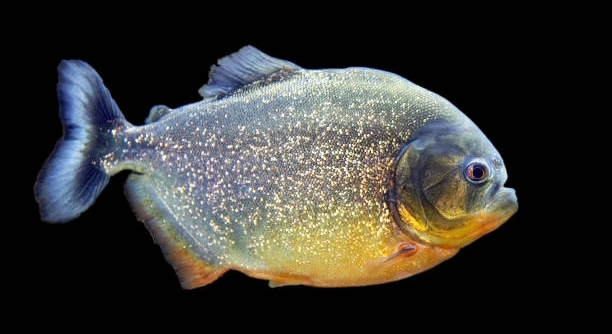
Piranhas are fascinating fish known for their sharp teeth and sudden movements. Sometimes, these creatures suddenly freeze, which can seem surprising. Understanding what causes this behavior helps us learn more about their natural habits and environment.
Piranhas freeze mainly due to environmental factors such as sudden temperature drops, lack of oxygen, or stress from predators. These causes trigger a defensive or survival response, temporarily stopping their movement to conserve energy or avoid detection.
Recognizing these triggers can improve how we care for piranhas and appreciate their unique behaviors in the wild and captivity.
Sudden Temperature Changes
Piranhas are cold-blooded animals, meaning their body temperature depends on their surroundings. When water temperature drops quickly, piranhas can become sluggish or freeze in place. This reaction helps them conserve energy during cold periods. In the wild, temperature shifts often happen during nighttime or when cold water mixes with warmer layers. In captivity, improper tank heating or sudden drafts can cause similar stress. Freezing slows down their metabolism, reducing oxygen and energy needs. While it may look like they are stunned or sick, this is often a natural response. However, prolonged exposure to cold can harm their health, making it important to maintain stable water temperatures. Monitoring temperature changes carefully is key to keeping piranhas healthy and active. Consistency in their environment helps prevent unnecessary freezing and ensures they behave normally.
Maintaining steady temperatures in their habitat is essential for their well-being and avoiding freezing episodes.
Sudden cold shocks trigger a survival response in piranhas, slowing their activity to preserve energy and oxygen. This pause can last minutes to hours depending on the temperature drop and water conditions. When temperatures stabilize, piranhas usually return to normal movement. Tank owners should avoid quick temperature swings by using reliable heaters and covering tanks to prevent drafts. In natural habitats, piranhas have adapted to seasonal changes but still benefit from steady conditions. Temperature control is one of the simplest ways to reduce freezing behavior and keep these fish healthy.
Low Oxygen Levels
Piranhas need well-oxygenated water to stay active and healthy. If oxygen levels drop too low, they may freeze or become motionless. Low oxygen can occur from overcrowded tanks, poor water circulation, or excessive organic waste breaking down. Without enough oxygen, piranhas struggle to breathe and conserve energy by staying still. This behavior protects their bodies during stressful times but signals poor water quality. Fixing oxygen levels is critical for their survival and comfort. Proper filtration, aeration, and regular cleaning prevent oxygen depletion. In nature, fast-flowing rivers provide enough oxygen, but stagnant waters can be risky. Watching your tank’s oxygen levels helps prevent freezing caused by this issue.
Low oxygen makes piranhas freeze as a way to reduce energy use when breathing becomes difficult.
Ensuring piranhas have access to clean, oxygen-rich water is crucial. When oxygen drops, fish reduce movement to lower their oxygen demands, appearing frozen. Overcrowding, decaying food, or plant matter increase waste and consume oxygen rapidly. Using air pumps, filters, and frequent water changes improves oxygen levels and fish health. Observing behavior and water parameters regularly can catch oxygen problems early. In the wild, piranhas move to better-oxygenated areas, but in tanks, they rely on us to maintain good conditions. Keeping oxygen steady stops freezing and supports their natural activity.
Stress from Predators
Piranhas freeze when they sense danger nearby. This reaction helps them avoid detection by predators. Staying still makes it harder for enemies to spot them in the water. It’s a natural defense that improves their chances of survival in risky situations.
When predators approach, piranhas instinctively reduce movement to blend into their environment. Freezing lowers their chance of being noticed, especially in murky waters or near dense vegetation. This behavior also conserves energy for quick escapes if needed. In tanks, sudden movements or loud noises can trigger similar freezing responses. Stress from predators or perceived threats affects their behavior deeply. Understanding these triggers helps in creating a calm environment, minimizing unnecessary stress.
Freezing under threat is a protective mechanism, but constant stress can harm piranhas over time. Reducing sudden disturbances in their habitat helps keep them safe and comfortable.
Water Quality Issues
Poor water quality directly impacts piranhas’ health and behavior. Contaminated or dirty water often causes freezing as a sign of distress. High ammonia, nitrites, or nitrates levels interfere with their normal activity and can be toxic. Regular water testing and maintenance prevent these problems and promote a stable environment.
Dirty water reduces oxygen and increases harmful chemicals, forcing piranhas to slow down or freeze to survive. In captivity, tanks that are not cleaned frequently accumulate waste and toxins, causing stress. This weakens their immune system and can lead to illness or death. Keeping water clean with regular changes, proper filtration, and monitoring is essential. A healthy tank means more active and vibrant fish. Natural habitats typically have flowing water that helps maintain quality, but stagnant areas may cause freezing. Proper care in tanks mimics these conditions, supporting their well-being.
Water quality is a key factor influencing freezing behavior. Addressing it promptly keeps piranhas healthy and responsive.
Lack of Food
Piranhas may freeze when they don’t have enough food. This behavior helps them save energy during times of hunger. It is a way to cope until they find their next meal.
Freezing conserves energy, allowing piranhas to survive longer without eating. It is a natural response to food scarcity in the wild or in captivity.
Illness or Injury
When piranhas are sick or hurt, freezing can be a sign of distress. Illness slows their movement, making them stay still to recover. Injury may cause them to avoid swimming to reduce pain or further damage.
Overcrowding
Too many piranhas in one space cause stress and limited movement. Overcrowding leads to freezing as they try to avoid conflict or exhaustion. This can harm their health if not corrected quickly.
FAQ
Why do piranhas freeze suddenly?
Piranhas freeze suddenly mostly due to changes in their environment that affect their comfort or safety. This includes sudden drops in water temperature, low oxygen levels, stress from predators, or poor water quality. Freezing is a natural response to conserve energy or avoid danger. It helps them survive difficult situations by reducing movement and making them less noticeable. In captivity, sudden loud noises or abrupt changes in their tank can also cause freezing. Recognizing these causes helps prevent unnecessary stress and keeps piranhas healthier.
Is freezing harmful to piranhas?
Freezing itself is not harmful if it happens briefly. It is a survival tactic that piranhas use to adapt to short-term stress. However, if freezing occurs frequently or lasts a long time, it might indicate an underlying problem like illness, poor water quality, or unsuitable living conditions. Prolonged inactivity can weaken their immune system and lead to health issues. Keeping their environment stable and clean minimizes these risks and promotes normal activity.
How can I prevent my piranhas from freezing?
Maintaining a stable and healthy environment is the best way to prevent freezing. Ensure the water temperature stays steady and suitable for piranhas, usually between 74°F and 82°F. Keep oxygen levels high by using proper aeration and filtration systems. Avoid overcrowding the tank, and keep it clean to prevent toxic build-up. Minimize loud noises or sudden movements near the tank. Providing regular feeding and monitoring their behavior helps catch problems early before freezing becomes a frequent issue.
Can freezing mean my piranha is sick?
Yes, freezing can be a sign that a piranha is sick. Illness or injury often causes them to become less active or freeze as they recover. Other signs of sickness include loss of appetite, abnormal swimming, visible wounds, or discoloration. If freezing is accompanied by these symptoms, it is important to check water quality and consider consulting a vet or fish expert. Early treatment improves chances of recovery.
Do all piranhas freeze the same way?
While most piranhas share similar freezing behaviors, the intensity and duration can vary depending on species, age, and individual temperament. Some piranhas may freeze quickly at the slightest disturbance, while others remain calm under similar conditions. Younger or weaker fish might freeze more often due to higher sensitivity. Environmental factors and past experiences also influence how a piranha reacts to stress.
What should I do if my piranha freezes for a long time?
If a piranha freezes for an extended period, check water temperature, oxygen levels, and water quality immediately. Make sure the tank conditions meet their needs. Remove any possible stressors like aggressive tank mates or loud noises. Observe for other signs of illness. If the freezing persists despite good conditions, seek advice from a professional experienced with piranhas. Prompt action is necessary to prevent serious health problems.
Does freezing help piranhas survive in the wild?
Freezing is an important survival strategy for wild piranhas. It helps them avoid predators by making them less visible and conserves energy when food or oxygen is scarce. In rivers with changing conditions, freezing allows piranhas to adapt quickly. This behavior increases their chances of living through harsh periods and fluctuating environments. It’s a natural part of their survival toolkit.
How does stress affect piranhas’ freezing behavior?
Stress causes piranhas to freeze more frequently. Stressful situations include predator threats, overcrowding, poor water quality, and sudden changes in their environment. Stress triggers a freeze response as a defense mechanism or to avoid injury. Chronic stress weakens immune systems and can lead to illness or death. Reducing stress by providing stable, clean, and calm habitats is key to minimizing freezing behavior and promoting healthy fish.
Can freezing be a response to changes in feeding schedule?
Yes, irregular feeding or lack of food can cause piranhas to freeze. When hungry, they conserve energy by reducing movement until food becomes available. Sudden changes in feeding routines may stress them, causing freezing. Keeping a consistent feeding schedule helps maintain their energy and activity levels. Monitoring feeding habits ensures they stay healthy and active.
Is it normal for piranhas to freeze at night?
Piranhas may freeze or become less active at night because of lower water temperatures and natural rest cycles. This behavior is typical and usually not a concern unless accompanied by other worrying signs. At night, water often cools, causing slower metabolism and reduced movement. This resting state helps conserve energy for daytime activity. However, if freezing occurs during the day or for long periods, it might indicate problems.
Piranhas freezing can seem strange at first, but it is often a natural response to their environment. They rely on freezing to conserve energy or protect themselves from harm. Many factors can cause this behavior, such as changes in water temperature, low oxygen levels, or stress. When piranhas freeze, they are usually trying to cope with something that is uncomfortable or unsafe. Understanding these causes helps us provide better care for them, whether in the wild or in a tank. It also allows us to see that freezing is not always a sign of illness but often a survival tool.
Keeping piranhas healthy means paying attention to their surroundings. Stable water temperature, clean water, and proper oxygen levels are essential to prevent freezing caused by environmental stress. Avoid overcrowding and reduce sudden loud noises or disturbances near their tank. Feeding them regularly and monitoring their behavior will also help. If freezing happens too often or lasts a long time, it could mean there is a deeper problem like illness or injury. In that case, further action such as checking water quality or seeking advice from an expert might be needed. Proper care can reduce freezing and keep piranhas active and strong.
In summary, freezing is a part of how piranhas adapt to challenges. It helps them survive tough situations but should not become a frequent or long-lasting habit. Creating a stable and comfortable environment is the best way to reduce freezing. Watching closely and maintaining good tank conditions will improve their health and happiness. Piranhas are fascinating creatures with unique behaviors, and understanding their freezing can help us support their needs more effectively. By doing so, we contribute to their well-being and enjoy watching their natural behaviors.

Hello,
If you enjoy the content that we create, please consider saying a "Thank You!" by leaving a tip.
Every little bit helps us continue crafting quality advice that supports the health, happiness, and well-being of pets around the world, for pets of all shapes, sizes, and species.
We really appreciate the kindness and support that you show us!