
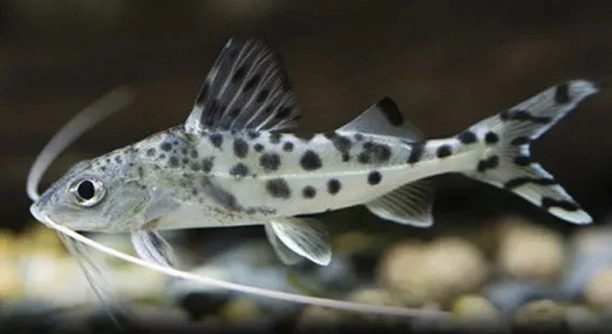
Is your Pictus catfish suddenly swimming sideways and acting differently than usual? This odd behavior can worry many aquarium owners who want their fish to be healthy and happy. Understanding why it happens is important for proper care.
Swimming sideways in Pictus catfish is often caused by swim bladder issues, infections, or stress. The swim bladder controls buoyancy, so when it is affected, the fish loses balance and swims abnormally. Early identification and treatment are essential for recovery.
Recognizing the reasons behind this behavior will help you take better care of your fish and improve its chances of getting back to normal.
Common Causes of Sideways Swimming in Pictus Catfish
One common reason your Pictus catfish might swim sideways is a problem with its swim bladder. This organ helps the fish stay balanced and control its movement in the water. If the swim bladder gets damaged or infected, the fish can have trouble swimming straight. Sometimes, poor water quality or sudden changes in the tank can stress the fish, leading to this issue. Infections caused by bacteria or parasites may also affect the swim bladder or muscles. Another factor could be physical injury, which might happen if the fish bumps into sharp decorations or other fish. It’s important to keep the tank clean, stable, and free from harmful objects. Watching your fish daily can help catch problems early, making treatment easier and more effective.
Stress, infections, or injuries can all affect how your catfish swims, often pointing to health problems that need attention.
Taking simple steps to improve tank conditions and carefully monitoring your fish can prevent many of these issues. If swimming problems continue, consulting an expert is a good idea to ensure your fish stays healthy.
How to Improve Your Pictus Catfish’s Swimming
Improving your catfish’s swimming starts with checking the tank environment. Stable water temperature, proper filtration, and regular cleaning are essential. Avoid overcrowding the tank and keep decorations smooth to prevent injuries.
If the fish shows signs of swim bladder problems, fasting it for a day or two can sometimes help. Feeding high-quality, easily digestible food reduces digestive strain, which can improve swim bladder function. Medications may be needed if infections are present, so follow advice from a vet or aquarium specialist carefully. Patience is key, as recovery can take time. With proper care and attention, your Pictus catfish can regain normal swimming behavior and enjoy a healthier life in your tank.
Identifying Swim Bladder Issues
Swim bladder problems cause balance issues in fish. The fish may float sideways or upside down and struggle to swim properly. This is a sign the swim bladder is not functioning well.
Swim bladder disorder can happen from overfeeding or poor diet, which leads to constipation and pressure on the bladder. Infections and physical injuries may also damage this organ. Signs to watch for include floating at the top, sinking to the bottom, or swimming in circles. It’s important to observe your catfish closely to catch these early signs and act quickly.
To help, try fasting the fish for 24 to 48 hours to clear its digestive system. Feeding peeled, cooked peas afterward can also ease constipation. Maintaining good water quality and avoiding sudden changes reduce stress, which supports swim bladder health.
Preventing Future Swimming Problems
Keeping your tank stable and clean is key to preventing swimming problems. Regular water changes and monitoring water parameters protect your catfish’s health.
Avoid overcrowding to reduce stress and aggression. Provide a balanced diet rich in fiber and nutrients to support digestion. Always remove uneaten food to keep the tank clean and prevent water pollution. Smooth tank decorations prevent injuries that could affect swimming. Watching your fish’s behavior daily helps catch problems early before they get worse. Simple habits like these go a long way in keeping your Pictus catfish swimming normally and thriving in your care.
Water Quality and Its Impact
Poor water quality can cause stress and illness in Pictus catfish, leading to unusual swimming behavior. Keeping water clean and parameters stable is essential.
Regular testing for ammonia, nitrites, and nitrates helps maintain a healthy environment. Frequent partial water changes reduce harmful toxins and support fish health.
Treating Infections and Parasites
Infections and parasites can disrupt your catfish’s swimming by affecting its nervous system or muscles. Symptoms may include lethargy, loss of appetite, and visible spots or wounds. Treatment usually involves medicated water or antibiotics, but it’s best to consult a specialist for proper diagnosis and care.
Tank Setup Tips for Healthy Swimming
Provide ample swimming space and avoid sharp decorations that could injure your fish. A calm environment helps reduce stress and supports normal swimming behavior.
FAQ
Why is my Pictus catfish swimming sideways all of a sudden?
Sudden sideways swimming often means the swim bladder is affected. This could be from overfeeding, constipation, injury, or infection. Stress from poor water conditions or sudden changes in the tank can also cause this behavior. Watching your fish closely helps identify the cause early.
Can swim bladder issues be fixed at home?
Yes, mild swim bladder problems can sometimes be treated by fasting your fish for 24 to 48 hours. After fasting, feeding peeled, cooked peas can help relieve constipation. Make sure water quality is excellent and stable. If the problem persists, professional advice is recommended.
How does water quality affect my catfish’s swimming?
Poor water quality causes stress and weakens your fish’s immune system. High levels of ammonia, nitrites, or nitrates can harm the swim bladder or other organs. Regular water testing and partial water changes keep the tank safe and your catfish healthy.
What kind of diet should I feed my Pictus catfish to avoid swimming problems?
Feed a balanced diet with high-quality sinking pellets, live or frozen foods like bloodworms, and occasional vegetables. Avoid overfeeding and provide fiber-rich foods such as peas to help digestion and reduce swim bladder issues.
Can injuries cause my catfish to swim sideways?
Yes, physical injuries from sharp tank decorations or aggressive tank mates can affect swimming. Check for wounds or unusual behavior, and remove anything that might harm your fish. Healing may take time, so keep the tank calm and clean.
Are infections common in Pictus catfish, and how do they affect swimming?
Infections, especially bacterial or parasitic ones, can impact muscles or nerves, causing abnormal swimming. Symptoms include lethargy, loss of appetite, and spots or lesions. Treat infections quickly with proper medication, following a vet’s or aquarium specialist’s guidance.
How often should I clean my tank to prevent swimming problems?
Perform partial water changes of about 20-30% every one to two weeks, depending on tank size and stocking. Clean the substrate and remove uneaten food regularly to reduce toxins. Good tank maintenance prevents stress and health issues in your catfish.
Is it normal for Pictus catfish to swim sideways sometimes?
Occasional sideways swimming is not normal and usually signals an underlying issue. Healthy catfish swim upright and actively. If you notice consistent sideways movement, it’s time to check for health or environmental problems.
Can stress alone cause swimming problems?
Stress from overcrowding, sudden changes in water temperature or chemistry, or aggressive tank mates can cause swimming issues. Reducing stress by providing a calm, stable environment and enough space helps your fish stay healthy.
When should I seek professional help for my catfish?
If your Pictus catfish continues to swim sideways despite improving tank conditions and diet, or shows other signs like loss of appetite or injury, consult an aquarium specialist or vet. Early treatment can prevent worsening problems and improve recovery chances.
When your Pictus catfish starts swimming sideways, it’s a clear sign that something is wrong. Often, the issue is related to the swim bladder, which helps the fish control its balance in the water. Problems with this organ can come from overfeeding, constipation, injury, or infections. However, it’s important not to jump to conclusions too quickly. Sometimes, stress from poor water quality or sudden changes in the tank can also cause this behavior. Taking time to observe your fish carefully and check your tank conditions is a good first step. By doing this, you can identify the cause and take action before the problem worsens.
Proper care and attention to your fish’s environment are key to preventing swimming problems. Keeping the tank clean and stable, avoiding overcrowding, and feeding a balanced diet can help maintain your catfish’s health. Simple actions like regular water testing and partial water changes remove harmful toxins that may stress or harm your fish. Also, making sure tank decorations are smooth and safe prevents injuries that could affect swimming. Patience is important because even with the best care, some issues like swim bladder disorders can take time to heal. Being consistent with your care routine will support your fish’s recovery and well-being.
If you notice that your Pictus catfish continues to swim sideways or shows other signs like loss of appetite, unusual spots, or wounds, seeking advice from a vet or aquarium specialist is a good idea. They can provide the right diagnosis and treatment to help your fish get better. Remember, early detection and treatment improve the chances of recovery. Taking care of your catfish is a rewarding experience, and by understanding the causes behind their behavior, you can enjoy a healthy and lively aquarium.

Hello,
If you enjoy the content that we create, please consider saying a "Thank You!" by leaving a tip.
Every little bit helps us continue crafting quality advice that supports the health, happiness, and well-being of pets around the world, for pets of all shapes, sizes, and species.
We really appreciate the kindness and support that you show us!