
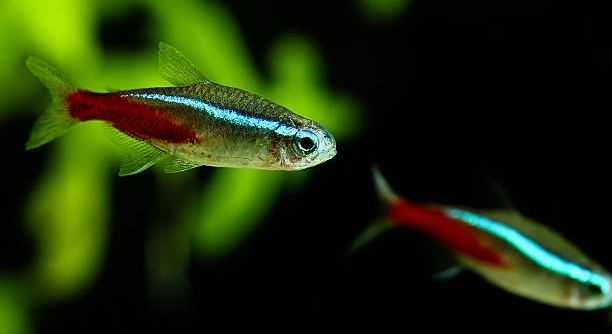
Neon Tetras are a popular choice among fish enthusiasts, known for their vibrant colors and lively nature. However, sometimes they appear lethargic after a water change, which can be concerning. This article explores the possible causes and solutions.
Neon Tetras may become lethargic after a water change due to stress, water temperature fluctuations, or changes in water quality. These factors can affect the fish’s behavior, making them feel unwell or sluggish temporarily.
Several factors contribute to your fish’s post-water change lethargy. Understanding and addressing these will help your Neon Tetras recover quickly and stay healthy. Let’s look into the causes and how to remedy them.
Stress from Water Change
Water changes can stress Neon Tetras, especially if the new water conditions differ from what they’re used to. Sudden changes in water temperature, pH, or hardness can make your fish feel unsafe. This stress is often temporary but can cause lethargy as their bodies adjust to the new environment.
When Neon Tetras are stressed, they may hide or stop swimming actively. This behavior often occurs when the water change is too drastic or when they are not used to the new conditions. It is essential to make gradual changes to avoid overwhelming the fish.
To prevent stress, always check the temperature and pH levels of the new water before adding it to the tank. Consider using a water conditioner to remove harmful chemicals and stabilize the conditions. Small, frequent water changes are less stressful for the fish than large, sudden changes. Also, try to match the temperature of the new water as closely as possible to the tank water to minimize shock.
Temperature Fluctuations
Temperature changes can affect Neon Tetras’ health and activity. A drop or spike in temperature after a water change can make your fish sluggish.
Neon Tetras are sensitive to temperature changes, and water that is too hot or cold can make them feel unwell. It’s crucial to monitor the tank’s temperature regularly, especially after a water change. Using a reliable thermometer can help keep the water stable.
Water Quality Issues
Changes in water quality can cause Neon Tetras to act lethargic. Even after a water change, there might be lingering toxins or bacteria affecting the tank. Make sure your filtration system is working well to keep the water clean.
If the tank’s filtration isn’t working correctly, harmful substances like ammonia, nitrites, or nitrates can build up. These chemicals are toxic to fish and can lead to sluggish behavior. Perform regular water tests to monitor the water quality, ensuring the levels of ammonia, nitrites, and nitrates are within safe ranges.
If you suspect water quality issues, use activated carbon or a filter that removes toxins. A water change can help clear some of these, but improving filtration and ensuring proper biological filtration will make long-term differences. Regularly test your water to prevent these issues from affecting your fish in the future.
Overfeeding
Overfeeding is a common issue in fish tanks and can cause lethargy in Neon Tetras. Leftover food in the tank can contribute to poor water quality, leading to stress.
When fish are overfed, uneaten food breaks down and raises the ammonia levels in the tank, which can cause your fish to become sluggish. To avoid overfeeding, only feed your Neon Tetras what they can eat within a few minutes. Remove any uneaten food after feeding.
Additionally, overfeeding can cause your fish to become obese, leading to health issues that affect their energy. It’s essential to stick to a feeding schedule and monitor the amount of food you’re giving to your fish. Keeping a balanced feeding routine will help maintain their health and energy levels.
Illness or Infection
Neon Tetras can become lethargic if they’re sick or infected. After a water change, their weakened immune system may make them more vulnerable to diseases. Keep an eye on any changes in their behavior or appearance.
Common illnesses include fungal infections, parasites, or internal bacteria. These can affect the fish’s swimming and appetite. If the lethargy lasts for more than a day, consider treating your fish with appropriate medication. Quarantine any new fish to avoid spreading potential infections.
Poor Oxygen Levels
If the oxygen levels in the tank drop, it can make Neon Tetras less active. A water change may disrupt oxygen circulation, especially if the filtration system isn’t effective.
Ensure your tank has proper aeration, especially after a water change. Adding an air pump or increasing surface agitation can help improve oxygen exchange. Healthy oxygen levels are essential for the well-being of your fish and can prevent lethargy from occurring.
Tank Size and Overcrowding
A small tank or overcrowding can stress your Neon Tetras, leading to lethargy. When fish have too little space to swim, it impacts their overall health.
Make sure the tank is large enough for the number of fish you have. Overcrowding can lead to poor water quality and increased stress levels. Neon Tetras thrive in groups but need enough space to feel comfortable. Adding more tank space or reducing the number of fish may help prevent this issue.
FAQ
Why is my Neon Tetra swimming upside down after a water change?
If your Neon Tetra is swimming upside down, it could be a sign of a swim bladder issue, which can be triggered by stress or a sudden change in water quality. Water changes can disturb the balance of the tank, especially if the temperature or pH levels fluctuate. The swim bladder controls the fish’s buoyancy, and any disruption can affect its ability to stay upright. If this behavior persists, test your water quality and make sure everything is within the ideal range. You can also try to adjust the tank’s temperature to match the water’s original conditions.
Can a water change cause my Neon Tetra to die?
While a water change is crucial for keeping your tank clean, doing it incorrectly can harm your fish. Large or sudden changes in water temperature, pH, or water hardness can stress your Neon Tetra, making them more vulnerable to disease or even death. Always make gradual changes and ensure that the new water is properly conditioned. Regular water testing and using an appropriate water conditioner can help reduce the risk of harming your fish. It’s also essential to check the tank’s filtration system to avoid leaving harmful chemicals in the water.
How often should I change the water in my tank?
For a healthy aquarium, it’s recommended to change about 25-30% of the water every 1-2 weeks. However, the frequency depends on the size of your tank, the number of fish, and the filtration system you have. In tanks with more fish or those with less filtration, more frequent water changes may be necessary. Regular water changes help keep ammonia and nitrate levels low, maintaining a healthy environment for your fish. Be sure to match the new water’s temperature and parameters with the tank’s to avoid stress.
Can poor water quality cause Neon Tetras to be lethargic?
Yes, poor water quality is one of the primary reasons why Neon Tetras may become lethargic. High levels of ammonia, nitrites, or nitrates can stress fish and affect their behavior. Regular water testing is crucial to monitor these levels and prevent toxic build-up. A good filtration system can help manage water quality, but consistent maintenance is still necessary to keep everything in check. If your fish appear lethargic, test the water and take corrective action like changing the water or cleaning the filter.
Is it safe to add chemicals to the water after a water change?
It’s safe to add water conditioners or other chemicals to your aquarium, but only if needed. If you’re using a water conditioner to treat chlorine or chloramine in tap water, make sure to follow the manufacturer’s instructions. Adding too much can harm the fish. It’s also important to avoid using medications unless you notice signs of illness. Overusing chemicals can harm the tank’s ecosystem and stress your fish. Always read the labels carefully and make sure you’re using the right products for your tank’s needs.
What is the ideal temperature for Neon Tetras after a water change?
Neon Tetras thrive in temperatures between 72°F and 78°F (22°C – 25°C). After a water change, ensure that the new water is close in temperature to avoid stressing your fish. Sudden temperature shifts can lead to shock and cause lethargy or even death. A good rule of thumb is to match the new water’s temperature to the tank’s existing water within a 2-3 degree difference. Using a reliable thermometer will help you maintain a stable environment for your fish.
Why are my Neon Tetras not eating after a water change?
Neon Tetras may not eat immediately after a water change due to stress or changes in water conditions. If the water temperature, pH, or hardness has fluctuated, your fish may become stressed and lose their appetite temporarily. It’s important to ensure that the water parameters are stable and that the tank’s filtration system is functioning well. If the fish still refuse to eat after a day or two, check for signs of illness or infection. Stress is usually the cause, but a sudden illness can also affect their eating habits.
Can overfeeding cause lethargy in Neon Tetras?
Yes, overfeeding can lead to lethargy in Neon Tetras. Leftover food in the tank decays, leading to an increase in ammonia and nitrates, which can negatively impact the water quality. Poor water quality, in turn, stresses the fish and can cause them to become sluggish. Additionally, overfeeding leads to obesity, which can make the fish less active. To avoid this, only feed what your fish can eat in a few minutes, and remove any uneaten food promptly. This will keep both your fish and your water healthy.
How can I help my Neon Tetra recover from lethargy?
To help your Neon Tetra recover from lethargy, start by checking the water parameters to make sure they’re within the ideal range. Ensure the temperature is stable, the pH is balanced, and ammonia and nitrates are at safe levels. If the water quality is good, try feeding your fish a high-quality, easily digestible food and observe their behavior. Adding a small amount of aquarium salt can sometimes help, but make sure to do this with caution. If lethargy persists, consider quarantining the fish and treating for any potential diseases.
Can my Neon Tetras get sick after a water change?
Yes, a water change can sometimes introduce new pathogens or stress your fish, which can make them more susceptible to illness. If the water parameters are not ideal, or if the new water isn’t properly conditioned, it can harm the fish. Always check the water before adding it to your tank, and make sure to match the temperature, pH, and hardness to prevent shock. Regularly testing your water quality and maintaining proper filtration can also help reduce the risk of sickness following a water change.
Final Thoughts
Lethargy in Neon Tetras after a water change can be caused by several factors. Stress from sudden changes in water conditions, such as temperature, pH, or hardness, is one of the most common reasons. Fish are sensitive to changes in their environment, and even small shifts can affect their behavior. It’s essential to ensure that the new water matches the tank’s temperature and pH levels to minimize stress. If the water quality is poor, it can also lead to sluggishness, as toxins like ammonia and nitrites can build up and negatively impact your fish’s health.
Another factor to consider is the oxygen level in the tank. After a water change, the oxygen exchange can sometimes be disrupted, especially if the filtration system isn’t working effectively. Neon Tetras require good oxygen levels to stay active and healthy. If the water has low oxygen, the fish might become lethargic or appear weak. Adding an air pump or improving surface agitation can help boost oxygen levels in the tank, ensuring a healthier environment for your fish. It’s important to monitor your tank’s oxygen levels regularly to prevent this issue from arising.
Lastly, overfeeding and illness can also contribute to lethargy in Neon Tetras. Overfeeding causes leftover food to decay, leading to poor water quality, which then stresses the fish. Illness or infection is another possible cause of lethargy. If you notice any other signs of disease, such as unusual spots, discolored fins, or abnormal swimming, it’s important to act quickly and provide appropriate treatment. Regular water changes, proper feeding habits, and maintaining a healthy tank environment will ensure your Neon Tetras stay active and lively. By being mindful of these factors, you can help your fish recover quickly and thrive in their tank.

Hello,
If you enjoy the content that we create, please consider saying a "Thank You!" by leaving a tip.
Every little bit helps us continue crafting quality advice that supports the health, happiness, and well-being of pets around the world, for pets of all shapes, sizes, and species.
We really appreciate the kindness and support that you show us!