
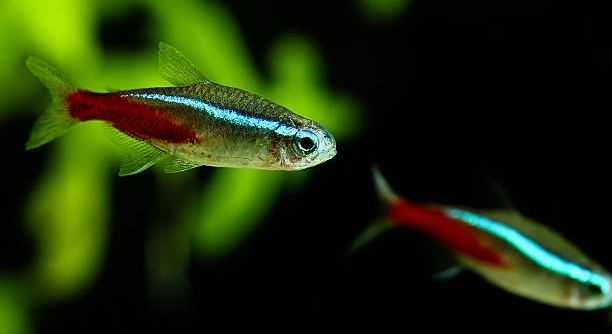
Neon Tetras are popular aquarium fish known for their vibrant colors and peaceful nature. However, their population can grow rapidly if not controlled, potentially leading to overcrowding and stress. Managing their numbers is key to maintaining a healthy environment.
To control Neon Tetra population growth, focus on limiting breeding opportunities and maintaining a proper tank environment. Implement strategies such as controlling water conditions, removing excess eggs, and using natural predators to keep their numbers balanced.
By following these tips, you’ll be able to manage your Neon Tetra population effectively. Keep reading to learn more about the best practices for controlling their growth.
1. Control Water Temperature and pH Levels
Maintaining the right water temperature and pH level is essential for controlling Neon Tetra populations. Neon Tetras thrive in warm water between 72-80°F and prefer slightly acidic to neutral water, with a pH range of 6.0 to 7.5. If conditions fluctuate too much, it can stress the fish and reduce their ability to breed. A stable environment is crucial for their health and reproduction.
To ensure a stable environment, invest in a reliable heater and thermometer. Check the water regularly and make adjustments as necessary. Water testing kits are also essential to monitor pH, hardness, and other levels.
By controlling these factors, you reduce the chances of sudden breeding spurts, as changes in temperature or pH can trigger reproductive behaviors. Maintaining consistent conditions can also prevent unwanted stress on the fish, which may result in population explosions.
2. Remove Eggs and Fry
One of the simplest ways to control population growth is by removing eggs and baby fish (fry) from the main tank. Neon Tetras are egg layers, and they often scatter their eggs on plants or decorations in the aquarium. If not removed, these eggs will hatch, resulting in an increase in the population.
Carefully inspect your aquarium for eggs or fry. If found, remove them immediately and place them in a separate tank or breeding net. This will prevent overcrowding and help keep the numbers in check.
Removing fry from the main tank can also reduce the risk of them being eaten by adult fish. Since Neon Tetras are small, their eggs are quite vulnerable to being eaten. By taking these eggs away, you give them a chance to hatch and grow in a safer, more controlled environment.
3. Introduce Natural Predators
Adding natural predators to the tank is an effective way to control Neon Tetra populations. Fish like gouramis or angelfish may help keep the number of fry in check. These predators will not only reduce overcrowding but can also improve the overall health of your tank by controlling the population.
However, be cautious about the type of predator you choose. It’s important to select species that won’t harm your adult Neon Tetras. Some predators may end up causing more stress or even eating the adult fish. Always research species compatibility before introducing any new fish.
It’s also crucial to monitor your tank closely after adding predators. While they can help reduce the fry, there’s always a risk of aggression or territorial behavior. Keep an eye on how the predators and Tetras interact to ensure a peaceful environment. Be prepared to separate the species if needed.
4. Maintain Regular Water Changes
Performing regular water changes is a simple yet powerful way to control Neon Tetra growth. Frequent water changes help eliminate excess nutrients, reducing the chance of overfeeding, which can lead to increased breeding activity. A clean tank also supports a healthier environment overall.
Aim for weekly water changes, replacing about 25% of the water. This helps maintain the balance of essential minerals and removes waste, preventing water from becoming overly rich in nutrients. Fresh water ensures a healthier tank that encourages healthy fish growth without contributing to overpopulation.
The routine water changes also give you the opportunity to remove any uneaten food and debris, both of which can create excess nutrients. Reducing this excess discourages the Tetras from breeding as frequently. Consistency in your water change schedule will help you better manage your tank’s population.
5. Limit the Light Exposure
Neon Tetras breed more often when they have long periods of light. By limiting light exposure, you can disrupt their natural breeding cycles. A timer for the aquarium light can help you keep the lighting consistent and prevent overstimulation.
Aim for around 8-10 hours of light each day. This will mimic natural conditions and reduce the urge for your Tetras to breed constantly. Additionally, the right amount of light helps to maintain the overall health of the fish without encouraging overpopulation.
By controlling the light cycle, you’ll create a more natural environment that discourages breeding. Be sure to also avoid sudden changes in lighting that could stress your fish and disrupt their behavior.
6. Keep a Balanced Feeding Routine
Overfeeding Neon Tetras can encourage faster reproduction. If they are consistently well-fed, they may breed more frequently. Establish a feeding routine that gives them only the amount of food they need, preventing excess.
Feeding your Tetras only once or twice a day ensures they are getting the proper nutrition without overindulging. This helps maintain the balance in the tank and limits breeding triggers caused by an abundance of food. By staying consistent, you prevent the population from growing too quickly.
By limiting overfeeding, you also reduce the chances of uneaten food polluting the tank and contributing to water quality issues. A balanced diet helps control their growth naturally without any additional intervention.
FAQ
How often do Neon Tetras breed?
Neon Tetras can breed quite frequently, especially in ideal conditions. Under the right water parameters and with adequate feeding, they may breed every few weeks. However, the frequency depends on factors like water temperature, lighting, and food availability. To prevent overpopulation, it’s essential to control these factors. Regular water changes, limited light exposure, and proper feeding can help limit breeding opportunities.
Can Neon Tetras breed in a community tank?
Yes, Neon Tetras can breed in a community tank. However, breeding might not be as successful if there are other fish that could eat the eggs or fry. Other tank mates may also disrupt their breeding activities. If you’re trying to control the population, a community tank may make it harder to manage breeding. Removing eggs and fry promptly is essential in such cases.
What is the best temperature for Neon Tetras to breed?
Neon Tetras prefer a temperature range between 75-80°F to breed effectively. Warmer water encourages their natural breeding behavior, as they feel more comfortable and secure. However, if the temperature is too high or fluctuates too much, it could stress the fish and reduce their chances of successful breeding.
Do Neon Tetras need specific water conditions to breed?
Yes, Neon Tetras thrive in slightly acidic water with a pH between 6.0 and 7.5 for successful breeding. They also prefer soft water, so testing and adjusting your water hardness is key. Maintaining stable water conditions, including proper temperature, pH, and hardness, supports healthy breeding activity.
How can I prevent my Neon Tetras from breeding?
To prevent breeding, focus on adjusting environmental factors. Keep the water temperature on the cooler side, between 72-75°F. Limit the light exposure to around 8-10 hours daily. Reduce feeding to control their nutrition, and remove any eggs or fry as soon as you find them.
Is it necessary to separate Neon Tetras to control breeding?
Separating Neon Tetras from each other is not always necessary to control breeding. However, creating a separate breeding tank can be helpful if you want to control the number of fry that survive. This separation allows you to monitor their reproductive cycle and remove eggs and fry promptly to reduce population growth.
Do Neon Tetras need a mate to breed?
Yes, Neon Tetras need a mate to breed. They are egg layers, and the male must fertilize the eggs released by the female. A healthy male-female pair is required for successful breeding, but once the eggs are laid, it’s important to remove them from the tank to avoid overpopulation.
How do I know if my Neon Tetras are ready to breed?
Neon Tetras are ready to breed when they exhibit certain behaviors, such as swimming in pairs and chasing each other. Females may appear rounder, especially when they have eggs. You may also notice that the males will try to display their colors more vividly, trying to attract the females.
What should I do if my Neon Tetras breed too much?
If your Neon Tetras are breeding too much, you can control the situation by following the tips shared above, such as limiting light exposure, reducing feeding, and removing eggs and fry. You can also introduce natural predators or adjust the water conditions to make it less favorable for breeding.
How do I care for Neon Tetra fry?
Neon Tetra fry are delicate and need special care. After hatching, the fry should be kept in a separate tank with soft, clean water. They require small food like infusoria or specialized fry food. Be sure to maintain the water conditions and offer proper nutrition to help them grow and thrive.
Can I sell or give away Neon Tetra fry?
If you find that your Neon Tetras have produced too many fry, you may consider selling or giving them away to other hobbyists or pet stores. Before doing so, ensure the fry are healthy and large enough to be separated from the adults. Some pet stores or aquarium communities may welcome healthy fry for sale or adoption.
Do Neon Tetras need a lot of space to breed?
Neon Tetras don’t require an excessively large tank to breed, but providing enough space helps reduce stress and increases the chances of successful breeding. A minimum tank size of 10 gallons is recommended for a small group, with plenty of plants and hiding spaces. These features give the Tetras a sense of security, which promotes breeding.
Why is my Neon Tetra population not growing?
If your Neon Tetra population is not growing, there could be a few reasons. Poor water quality, improper temperature, and inconsistent lighting could be affecting their breeding cycle. It’s also possible that your Neon Tetras are not reaching maturity or are under stress from overcrowding or inadequate tank conditions.
Do Neon Tetras need specific tank mates to breed?
Neon Tetras can breed with other Tetras of the same species or similar peaceful species in the tank. However, aggressive or larger fish may prevent breeding by stressing the Tetras. It’s essential to choose tank mates that are calm and won’t interfere with the breeding process.
Final Thoughts
Controlling the Neon Tetra population in your aquarium can be a manageable task if approached correctly. These small, vibrant fish are known for their peaceful nature, but when left unchecked, their numbers can quickly grow, leading to overcrowding and stress. By focusing on factors like water temperature, lighting, and feeding, you can significantly reduce their breeding frequency. Simple practices like controlling the light cycle and performing regular water changes will help keep the conditions in your tank stable and discourage overpopulation.
It’s also important to remember that Neon Tetras breed easily in the right environment. If you notice a lot of fry, taking proactive steps like removing the eggs and fry can help. Providing a balanced feeding schedule ensures that your fish stay healthy without encouraging them to breed too often. Adding natural predators can also help control the fry population, but be sure to select compatible species that won’t harm the adult Tetras. Each decision you make in the tank environment plays a part in maintaining a healthy balance.
Finally, understanding your Neon Tetras’ needs and behaviors is crucial. Keeping their tank conditions stable will lead to healthier fish and less chance of overpopulation. It’s about finding the right balance between allowing them to thrive and managing their numbers effectively. If you keep a close eye on their environment and make adjustments when needed, you can enjoy the beauty of your Neon Tetras without the stress of constant population growth.

Hello,
If you enjoy the content that we create, please consider saying a "Thank You!" by leaving a tip.
Every little bit helps us continue crafting quality advice that supports the health, happiness, and well-being of pets around the world, for pets of all shapes, sizes, and species.
We really appreciate the kindness and support that you show us!